A rendering previews the design of the next Peugeot 208, which will debut between 2026 and 2027
Nuevo
Agregar La Derecha Diario en
Compartir:
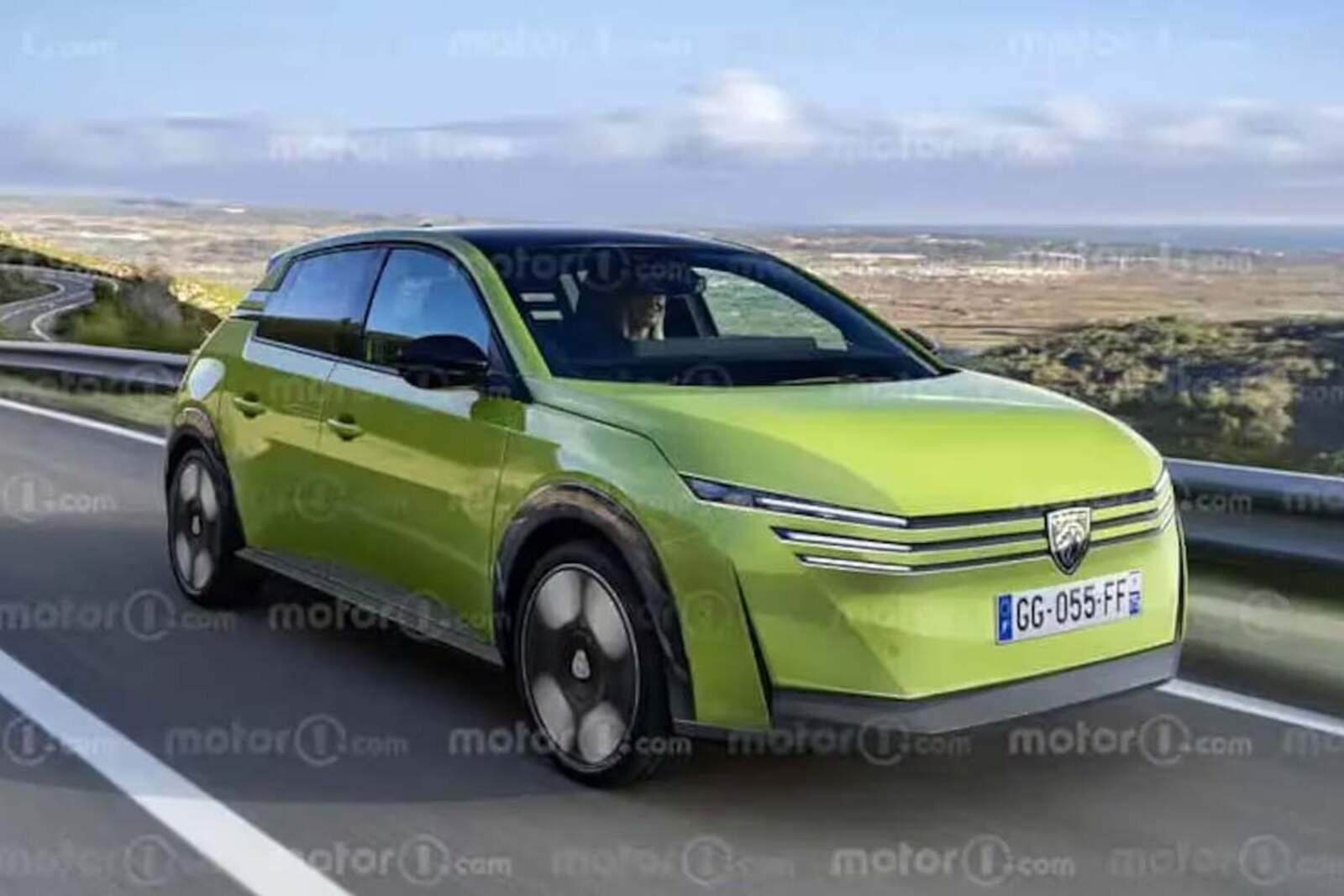
Peugeot 208 is heading toward a new generation, and solid clues about its future design are already starting to circulate. Based on a digital rendering, it is anticipated how the brand's best-selling hatchback could look.
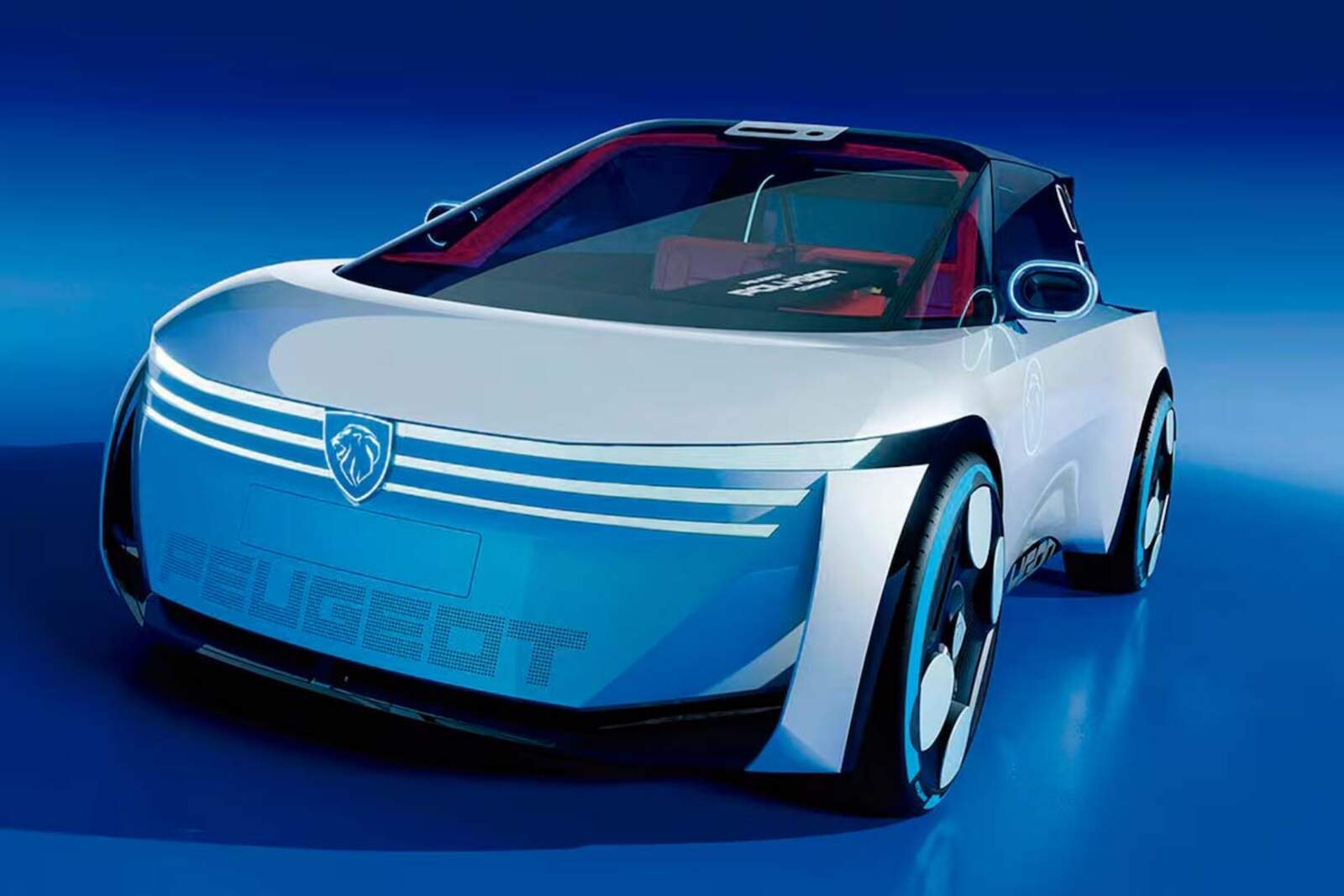
The preview is based on the Polygon Concept, the prototype with which Peugeotshowed its vision of the compact cars of the future. The final model has not been unveiled yet, but the aesthetic direction seems clear.
El Peugeot 208 se encamina a una nueva generación
When the new generation of Peugeot 208 would be unveiled
According to the website Motor1, the next generation of Peugeot 208 could debut in Europe between the end of 2026 and the beginning of 2027. Later on, its arrival in South America is not ruled out.
This information is significant for the local market. The current 208 is produced in Argentina alongside Peugeot 2008, which reinforces expectations.
A design inspired by the Polygon Concept
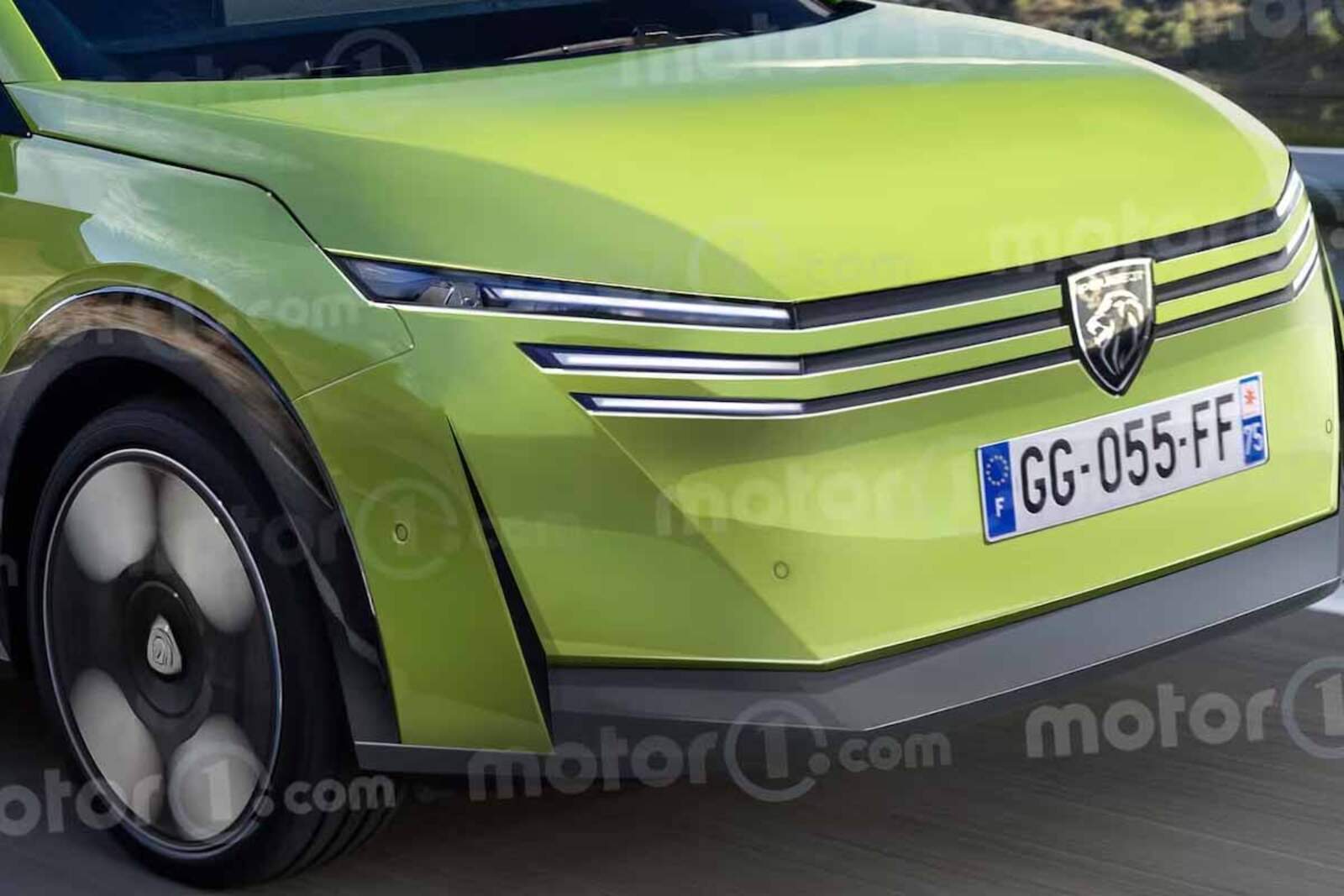
The published rendering shows a hatchback with a more geometric and futuristic design. The front end would be one of the main protagonists of the change.
Un diseño inspirado en el Polygon Concept
There, a new lighting signature appears, made up of three horizontal lines. This feature would define the brand's new visual language. That same layout would be repeated at the rear.
Futuristic interior and evolution of the i-Cockpit
Although there are no official images of the cabin, the Polygon Concept has already left several clues. The interior would aim for a deep evolution of the i-Cockpit.
Cuándo se presentaría la nueva generación del Peugeot 208
One of the most striking elements is the Hypersquare steering wheel, with a rectangular design. It is combined with the Steer-by-Wire system, which eliminates the traditional mechanical connection.
Platform and possible powertrains of the new 208
Another major change would be in the architecture. The rendering imagines the next Peugeot 208 as a 100% electric model. In that case, it would use the group's STLA Small platform from Stellantis.
However, the Smart Car platform also appears as an alternative. This would make it possible to offer electric, hybrid, or combustion-engine versions, depending on the market.