The detainees used political militancy as a mechanism for recruiting and controlling the victims
Compartir:
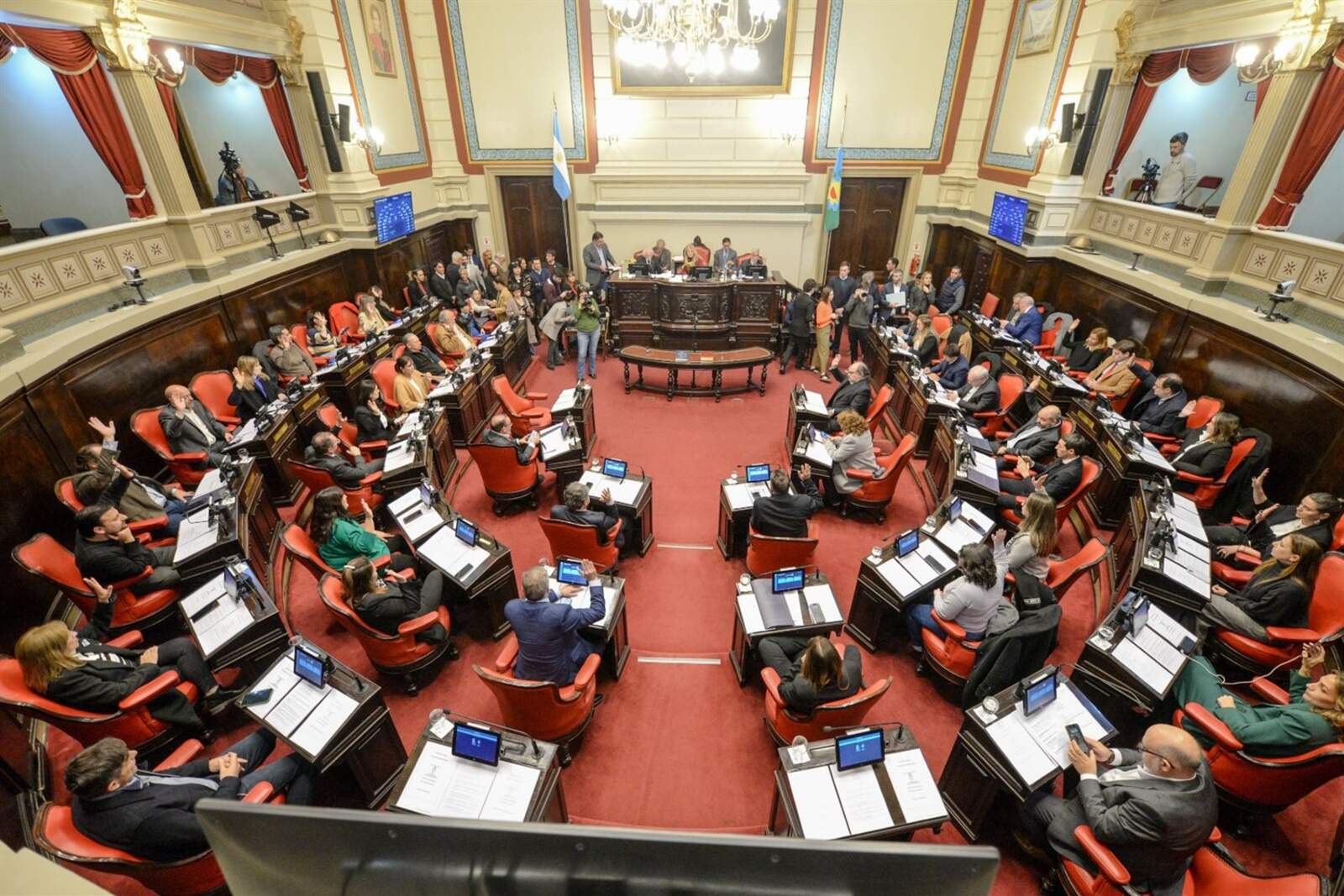
Two permanent staff employees of the Senate of the Province of Buenos Aires were arrested last week in the context of a case involving alleged sexual crimes that has been under investigation for almost ten years and that, according to the prosecution's hypothesis, would be linked to an organization with sect-like operations made up of Kirchnerist activists.
Both the accused and the alleged victims were part of the same political network, which for the investigators constitutes a kind of Kirchnerist sect that allegedly operated inside and outside the legislative sphere.
The detainees were identified as Nicolás Daniel Rodríguez and Daniela Silva Muñoz, the latter also a leader in the Gender Secretariat of the Unión del Personal Civil de la Nación (UPCN), Buenos Aires branch. Both were working as employees of the provincial Legislature and were arrested by order of La Plata prosecutor Betina Lacki, head of UFI No. 2, with the intervention of the Court of Guarantees No. 4 of La Plata. The defendants refused to testify.
The investigation began in 2015 and, over the years, has added at least six complainants. According to the case file, some of the alleged abuses are said to have taken place even inside an office of the Buenos Aires Upper House, which worsens the institutional picture of the case.
The justice system keeps that the detained Kirchnerist workers were part of a structure that operated as a sect and that used political activism as a mechanism for recruitment and control.
According to the case, Rodríguez and Silva Muñoz were active in the Kirchnerist group La Capitana. The investigators maintain that the events took place under the umbrella of "La Orden de la Luz," an organization with sect-like traits in which Rodríguez allegedly held a leadership role with messianic characteristics, while Muñoz allegedly acted as a facilitator or mediator within the group.
The prosecution's hypothesis indicates that the complainants, also Kirchnerist activists, were allegedly recruited through "activism tasks," with promises of political support and job opportunities.
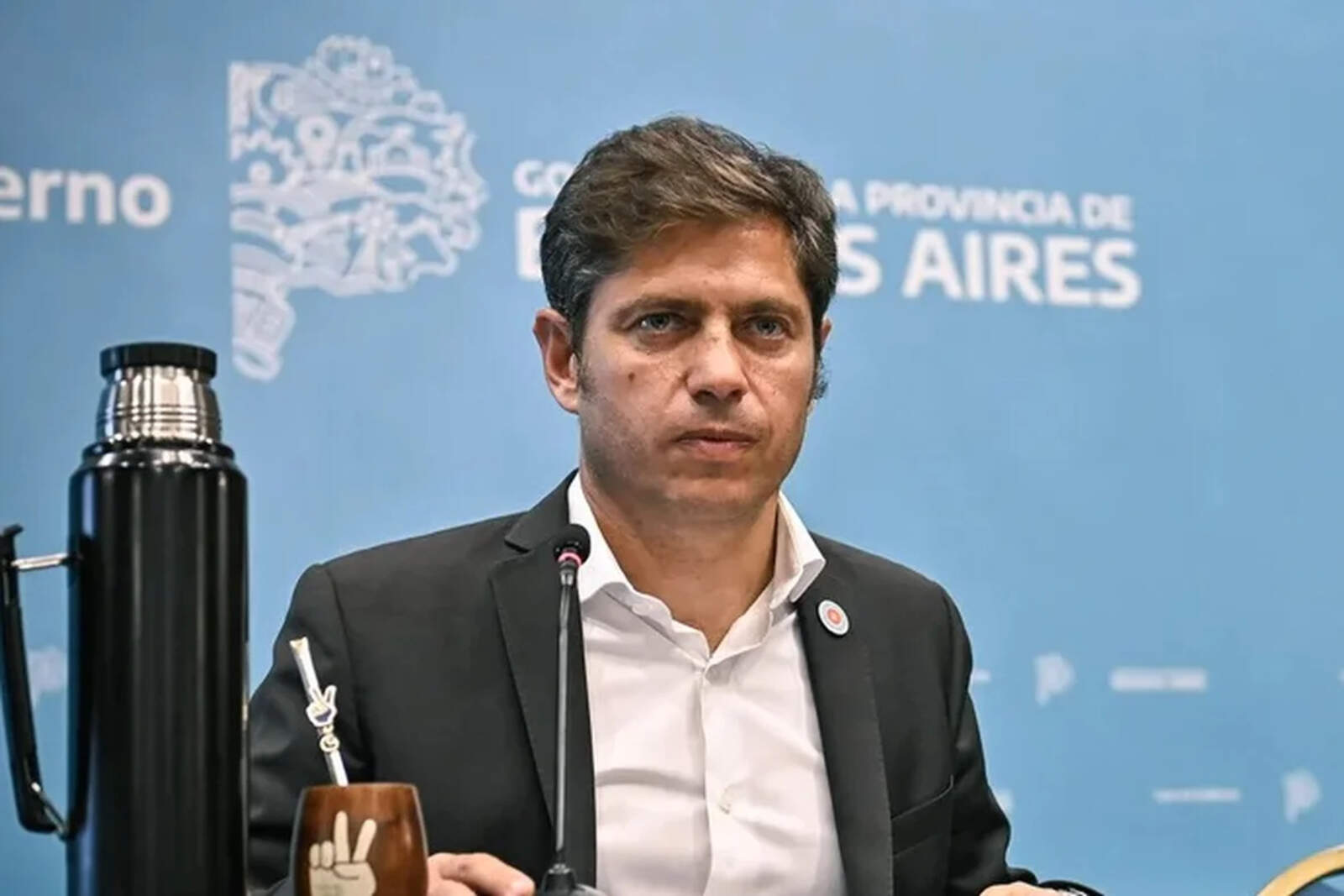
Axel Kicillof, gobernador bonaerense.
In some cases, those promises allegedly materialized with positions in the Buenos Aires Senate, although under irregular conditions. According to the investigation, those who gained access to those positions had to hand over part of their salary to "support activism tasks," a practice that reinforces the idea of a closed and coercive scheme.
In this context, the case describes an unequal power relationship, where political affiliation and activism functioned as central elements for the subjugation of the victims.
According to what was published by El Suburbano Digital, Rodríguez and Silva Muñoz belonged to the group aligned with the former rector of the National University of Quilmes and former local secretary of Education, Cultures and Sports, Mario Lozano, who left the Municipality of Quilmes two years ago and currently reports to the Buenos Aires Government Minister, Carlos Bianco.