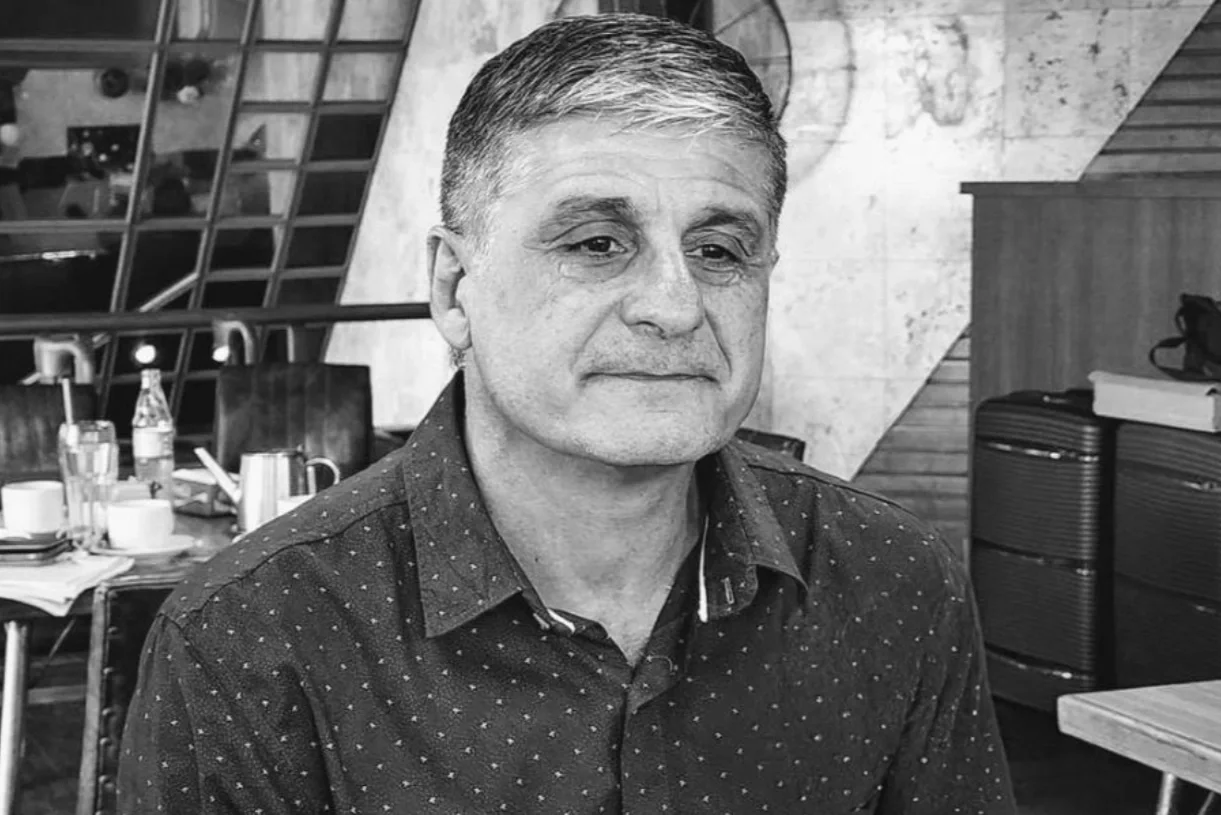
The renewal of authorities in the Regional Community of Punilla consolidated Raul Cardinali's definitive political failure in his leadership intentions. Weeks ago, the mayor of Cosquín had tried to publicly establish the version that he had direct backing from the governor's office to lead the entity. However, the ministerial definitions confirmed that the resolution depended exclusively on the consensus of the mayors of the department.
In the absence of support to validate his candidacy, the Kirchnerist leader chose to be absent from the general assembly yesterday, where the positions were decided. His initial intentions collided with the unanimous stance of the local leaders, who preferred to channel an alternative representation scheme. The vacancy created by the completed term of the mayor of Capilla del Monte on leave, Fabricio Díaz, opened a scenario of profound institutional reconfigurations.
Weeks ago, by not gathering the minimum support in a first electoral instance, the official expressed his discontent through outbursts towards the employees of the entity. Under that hostile climate, he suggested that the staff lacked real functions and proposed to rent the building after labeling it as a useless structure. Those controversial statements were received by the political spectrum as impulsive reactions to the clear impossibility of building and consolidating regional power.
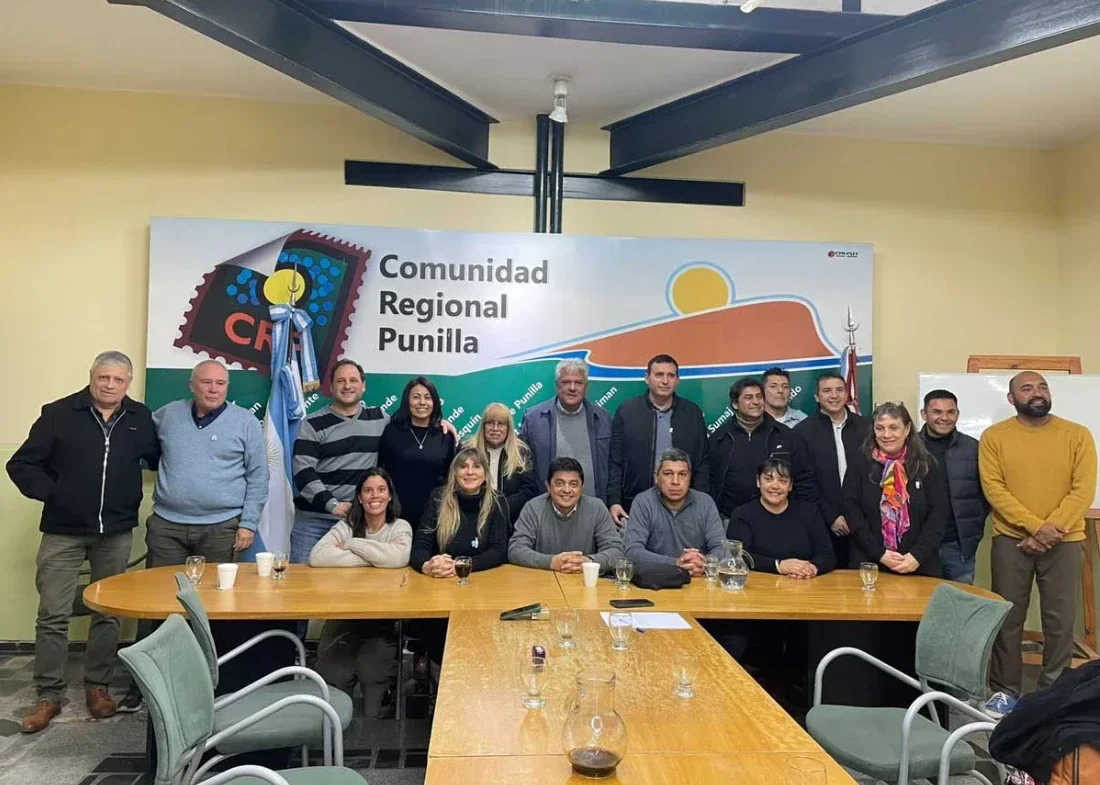
The Punilla Regional Community met yesterday to elect new authorities. Cardinali was not present.
Authorities were agreed upon with strong territorial presence
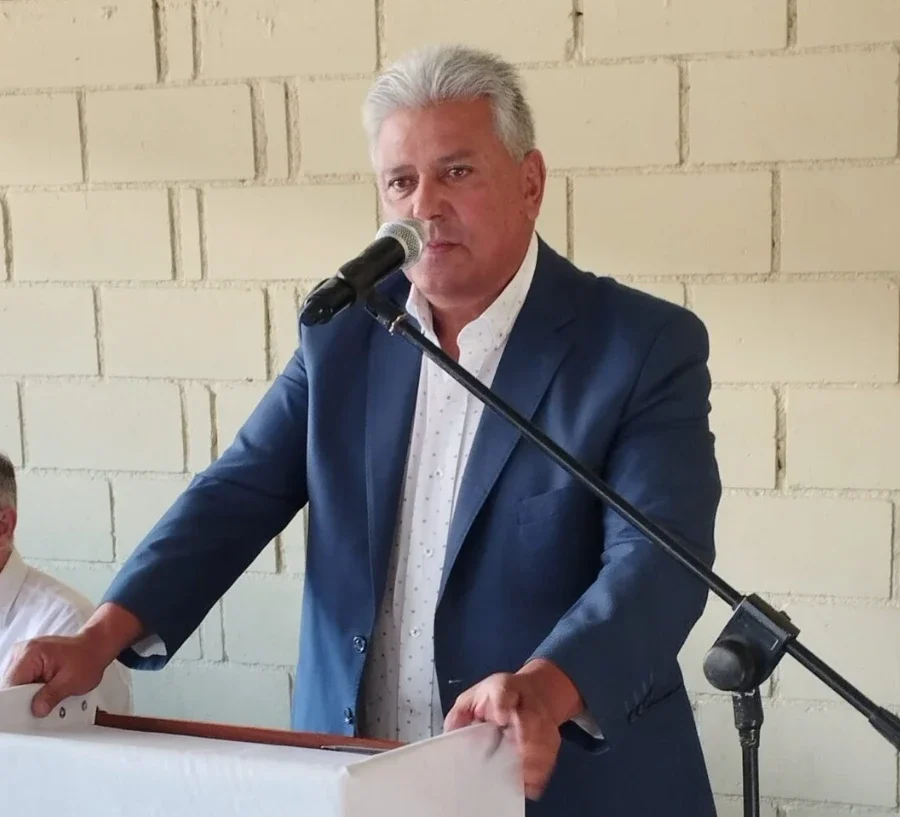
The final designation overwhelmingly elected the mayor of Mayú Sumaj, Fabián Flores, as the new president of the departmental body. The official candidacy was promoted by the mayor of San Antonio de Arredondo, Ariel Moyano, garnering a total of 15 positive votes. The only alternative proposal was led by legislator Walter Gispert, receiving just 2 endorsements for the mayor of Valle Hermoso, Daniel Spadoni.
Flores' election marks an unprecedented geographical milestone by granting leadership of the entity to a representative from the municipalities of the southern sector. This block of towns seeks to counterbalance the community influence of the mayor of Villa Carlos Paz, Esteban Avilés, in essential services. The delegations are simultaneously advancing in the technical design of the future Regional Entity Punilla Sur to manage solid waste collection.
Finally, the list of government authorities was approved by absolute unanimity, granting spaces to the different territorial expressions of the valley. The vice presidency went to the mayor of Villa Giardino, Jorge Soria, supported by the mayor of Charbonier, Maricel Sánchez, who will be the first vice president. Likewise, the mayor of Icho Cruz, Paulo Tesio, took on the second vice presidency, completing the executive board with secretaries from the northern area.
Additionally, the second vice presidency will be held by the mayor of Icho Cruz, Paulo Tesio. Furthermore, the mayor of La Cumbre, Pablo Alicio, will occupy the Secretariat; the mayor of Cabalango, Carla Bruno, will be the pro-secretary; while the Treasury will be managed by the mayor of Santa María de Punilla, Silvia Rocchetti. The leadership list is completed with Laura Suárez in the Pro-Treasury, along with Marcelo Mainardi, Ana Gaitán, and Santiago Arenas in the positions of account reviewers.
Fabián Flores, mayor of Mayú Sumaj, new president of the Punilla Regional Community
Party agreement and harsh institutional reproaches
After the first electoral setback weeks ago, the Kirchnerist leader began to question the functioning of the associative body. The official argued that the administrative structure does not yield real benefits in proportion to the economic resources transferred by his municipality. In this regard, the leader stated emphatically: “I am convinced that as it stands, it does not provide many benefits, rather few benefits to those of us who contribute. Cosquín is one of the biggest contributors."
In line with these financial complaints, Cardinali leaked the preparation of an ordinance project to formalize the withdrawal of his city. This determination mimics the steps of Tanti, a locality that left the grouping, or Villa Carlos Paz, which never joined the registry. The draft regulation would be sent to the local Deliberative Council as a direct response to the political isolation suffered by the Cosquín leadership.