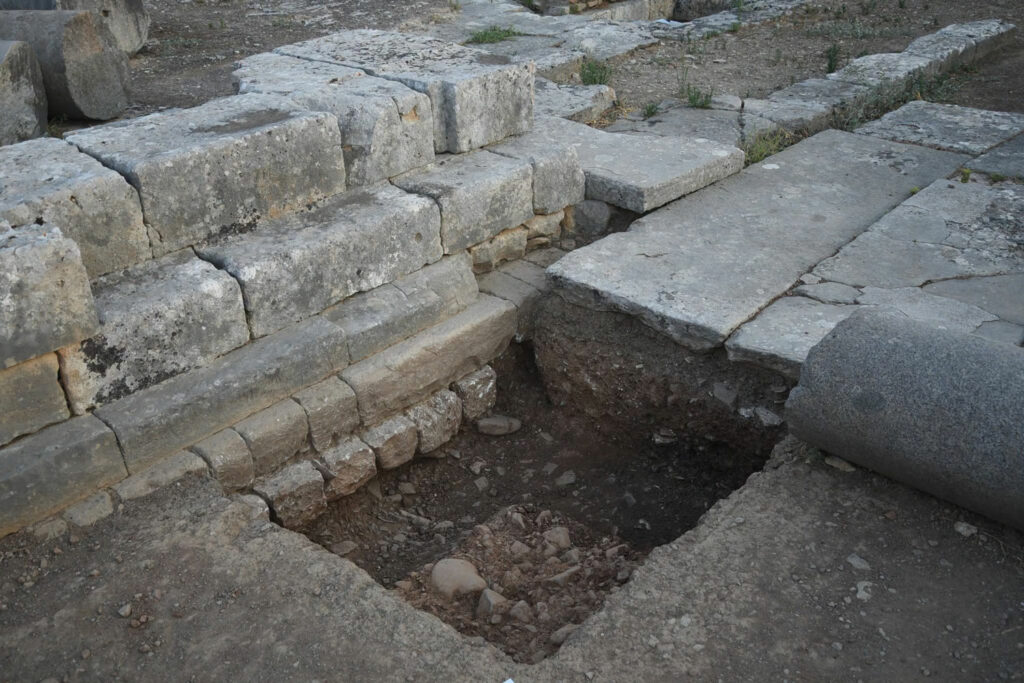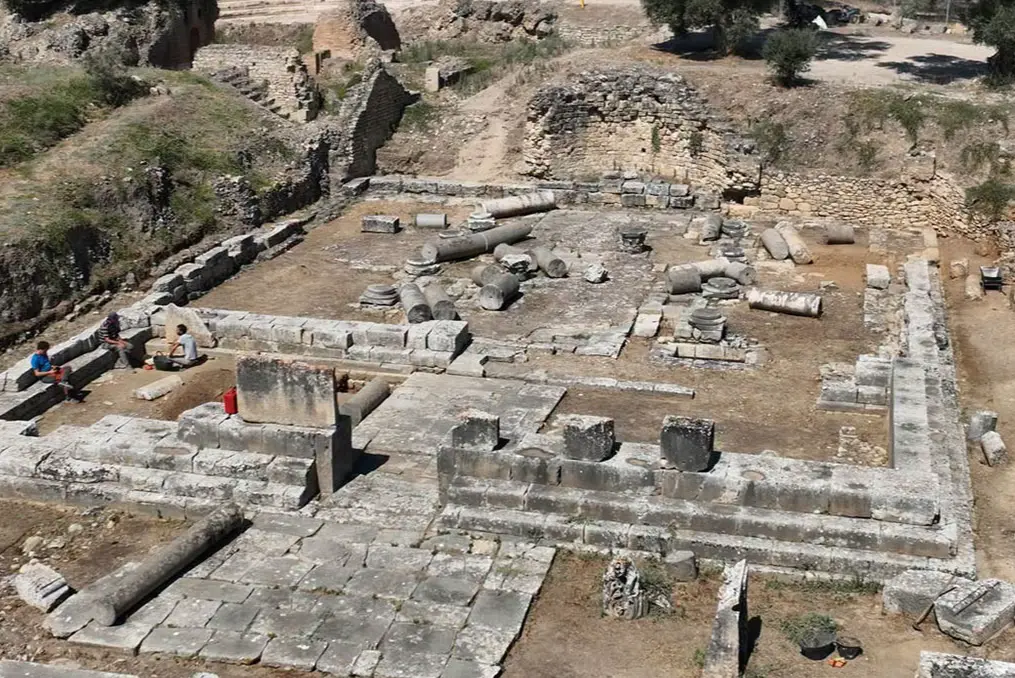

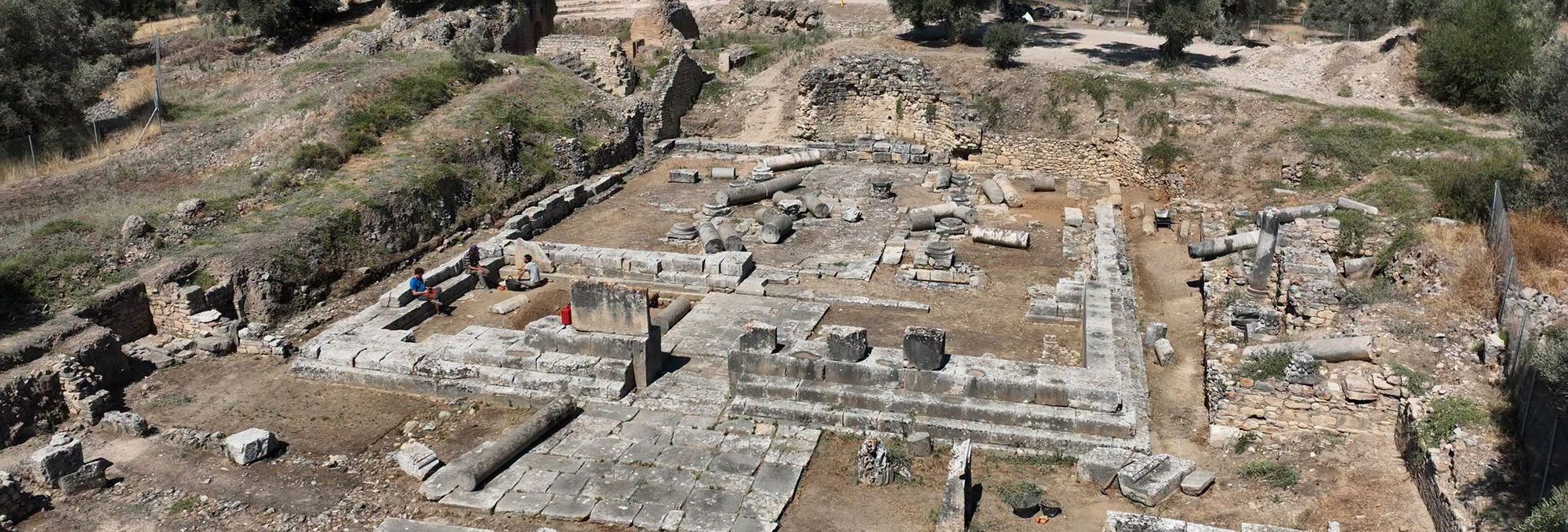
Researchers from the Italian School of Archaeology in Athens and the University of Padua recovered the skeletal remains of more than 450 mice of the species Mus musculus at the sanctuary of Apollo in Gortyna, Crete. The bones were found in the sediments of a votive deposit located within a structure dated to the 7th century BC
The discovery occurred in the sacred precinct of the archaeological site. According to ancient texts, this sanctuary was linked to manifestations of Apollo Pythios, associated with purification, divination, and the founding of cities. These practices were related to the myth in which Apollo killed a python near Delphi, in central Greece.
However, the presence of so many mouse remains within the sacred precinct opens up another interpretation. Specialists believe that the Cretan sanctuary may have originally been dedicated to Apollo Smintheus, the "mouse killer." This form of the god was believed to be protective against plagues transmitted by rodents and against the damage these animals caused to crops.
The number of specimens recovered is notable for a Greek ritual context. The bones were found mixed with the sediments of the votive deposit, suggesting a deliberate offering rather than a simple accidental residue.
A shift in worship as the city grew
Archaeologists suggest that the focus of the sanctuary changed over time. Initially, it may have been oriented towards the protection of agriculture and the control of rodent plagues. Later, as Gortyna increased in size and importance as a religious center in the Greek world, the worship would have shifted towards Apollo as the source of the oracle of Delphi.
This shift would reflect the transformation of the city and its symbolic needs. The figure of Apollo Pythios, linked to divination and the founding of cities, would have gained prominence as the site consolidated as a religious reference.