

Archaeologists unearthed a small bronze phallic amulet approximately 1,800 years old in Cumbria, northwest England. The piece, measuring just three centimeters, is molded with anatomical details and is in very good condition.
The discovery occurred on the grounds of the Carlisle Cricket Club, a site that housed baths during Roman times along the River Eden. There, the Romans would gather to chat and relax. Although ceramics, fragments of pillars, and sculptures had already been recovered, the phallic figurine surprised researchers with its significance.
Researchers noted that it was unusual not to have found an object of this type in such a rich site of Roman artifacts before. The project director, Frank Giecco, admitted to the BBC that they expected to find something like this given the abundance of other remains.
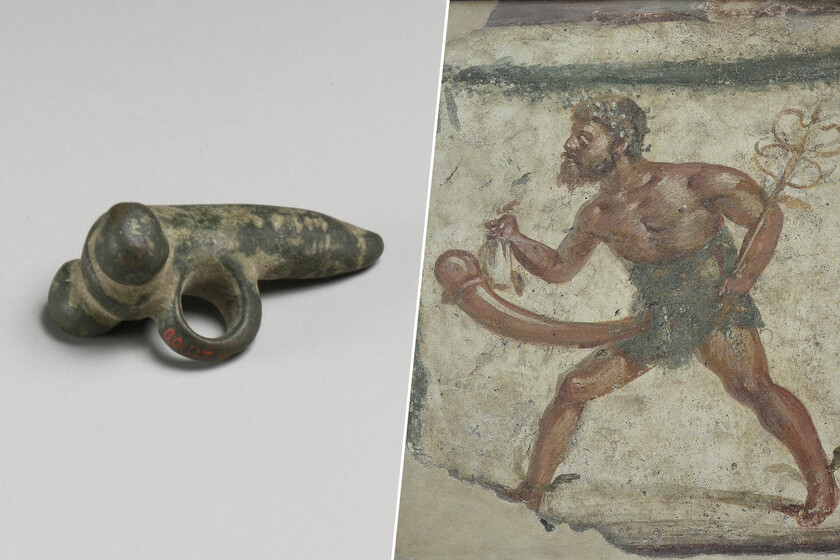
Far from having an obscene or sexual meaning, this amulet served a protective function. For the Romans, phallic representations acted as talismans against the evil eye and attracted good luck.
A symbol of protection
Ancient Romans used these objects in various ways: as pendants on belts, carved into walls, or integrated into jewelry. They were not just symbols of virility or fertility, but primarily tools to ward off bad luck.
Photographer Pete Savin shared images of the discovery on X, showcasing the details of the small bronze penis. The piece adds to other similar discoveries in the region.