The Superior Court of Justice of Río Negro rejected the extraordinary appeal filed by the Mapuche community Buenuleo of Bariloche, which sought to bring its conviction for usurpation before the Supreme Court of Justice. With this decision, the case was definitively closed at the provincial level, upholding the ruling that holds them responsible for the illegal occupation of a private property on Cerro Ventana.
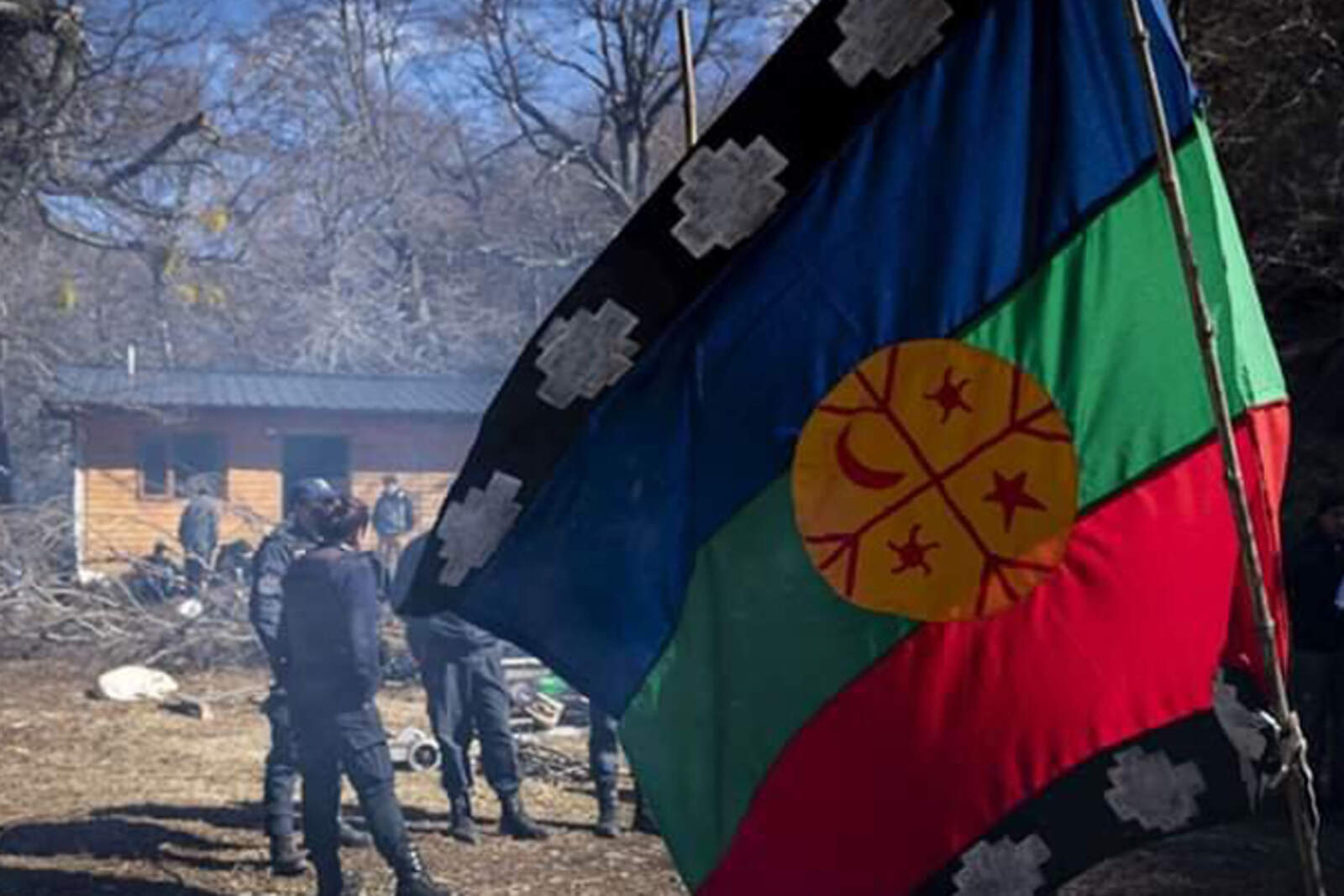
The case dates back to September 2019, when members of the self-proclaimed lof Buenuleo violently broke into pastoral lot 172, occupying about 92 hectares (227 acres) under the pretext of an "ancestral recovery." According to the court, the occupation was carried out with violence and secrecy, affecting the rights of the legitimate owners.
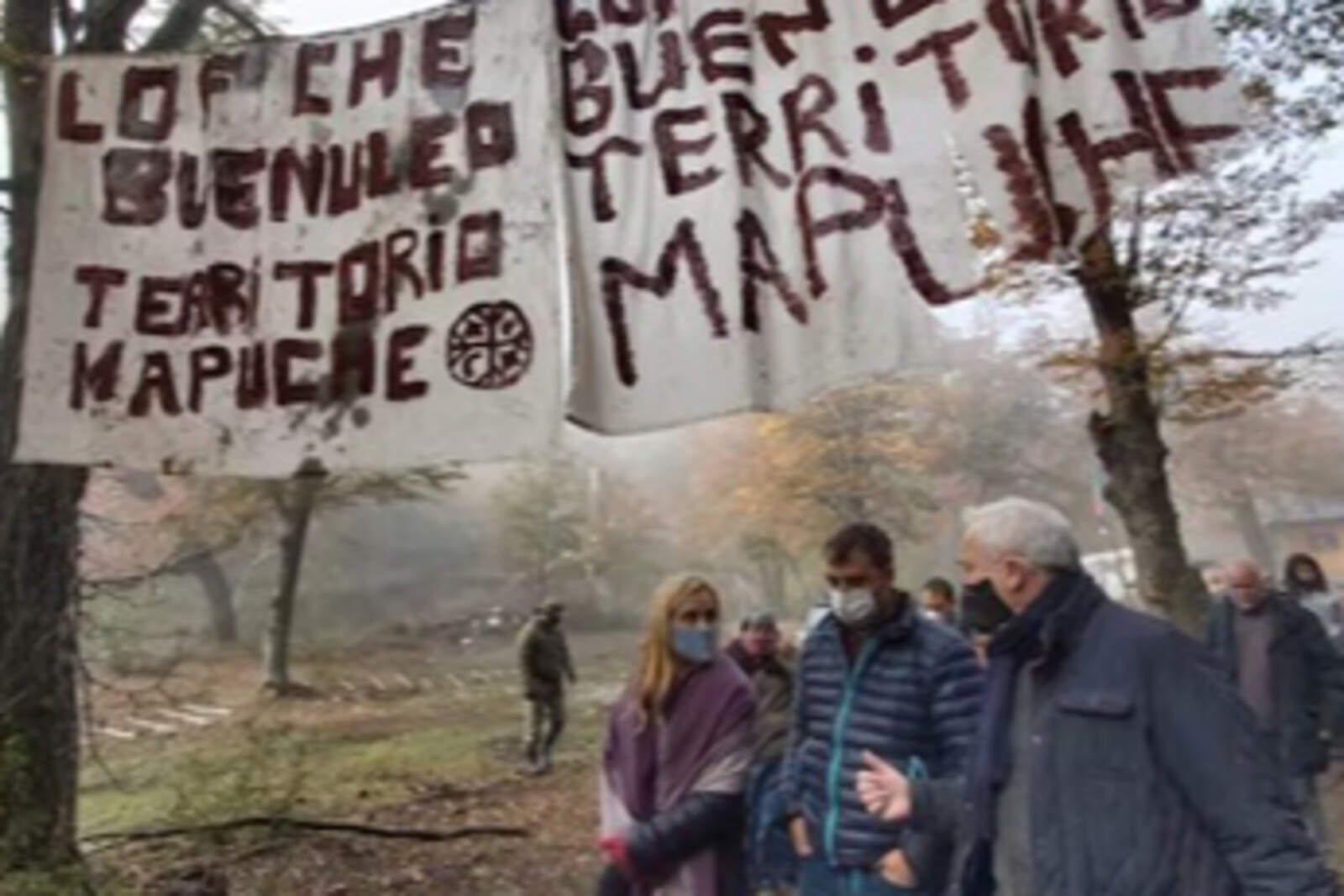
Fotos de la usurpaci{on y funcionarios kirchneristas.
In May 2024, the Bariloche Trial Court sentenced five of the usurpers to 15 months of suspended imprisonment and ordered their eviction. Three other members were acquitted. In addition, two people received lesser sentences for "disruption of the exercise of public functions," as a bomb threat to suspend a judicial hearing was proven. The fine imposed for this offense will be allocated to the Judicial Branch Library for the purchase of educational materials.
The Mapuche defense attempted to overturn the sentence, alleging supposed violations of constitutional guarantees and lack of impartiality on the part of the court. However, the Superior Court of Justice dismissed the appeal on formal grounds, considering that the requirements to enable the federal instance were not met and that no specific criticism of the previous ruling was developed. The judges emphasized that the appeal merely repeated arguments that had already been addressed.
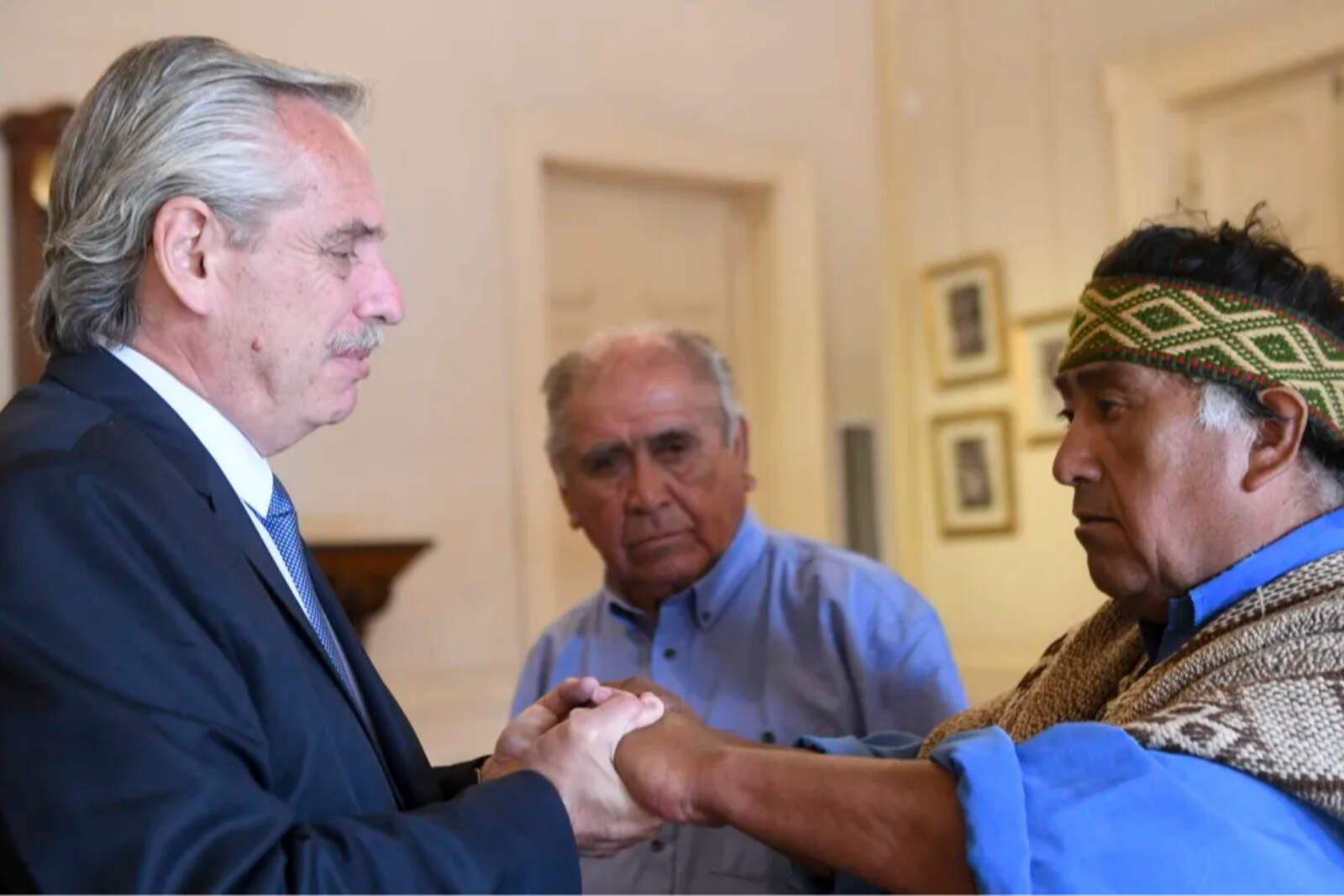
The conflict gained notoriety when, during Alberto Fernández's administration, officials and Kirchnerist leaders appeared at the site to express support for the illegal occupants, in a new attempt to politicize judicial cases that undermine private property. The judiciary, meanwhile, maintained its firm stance and rejected the narrative of "ancestral rights" by determining that the land had been legally sold by the former settler Antonio Buenuleo long before the formation of the community now claiming those lands.
Alberto Fernández con líder mapuche.
With this decision, the Río Negro judiciary set an important precedent in the face of attempts to legitimize illegal occupations under ideological or ethnic arguments. At a time when the defense of private property is once again a pillar of the new national political direction, the ruling reaffirms that no organized group can be above the law.