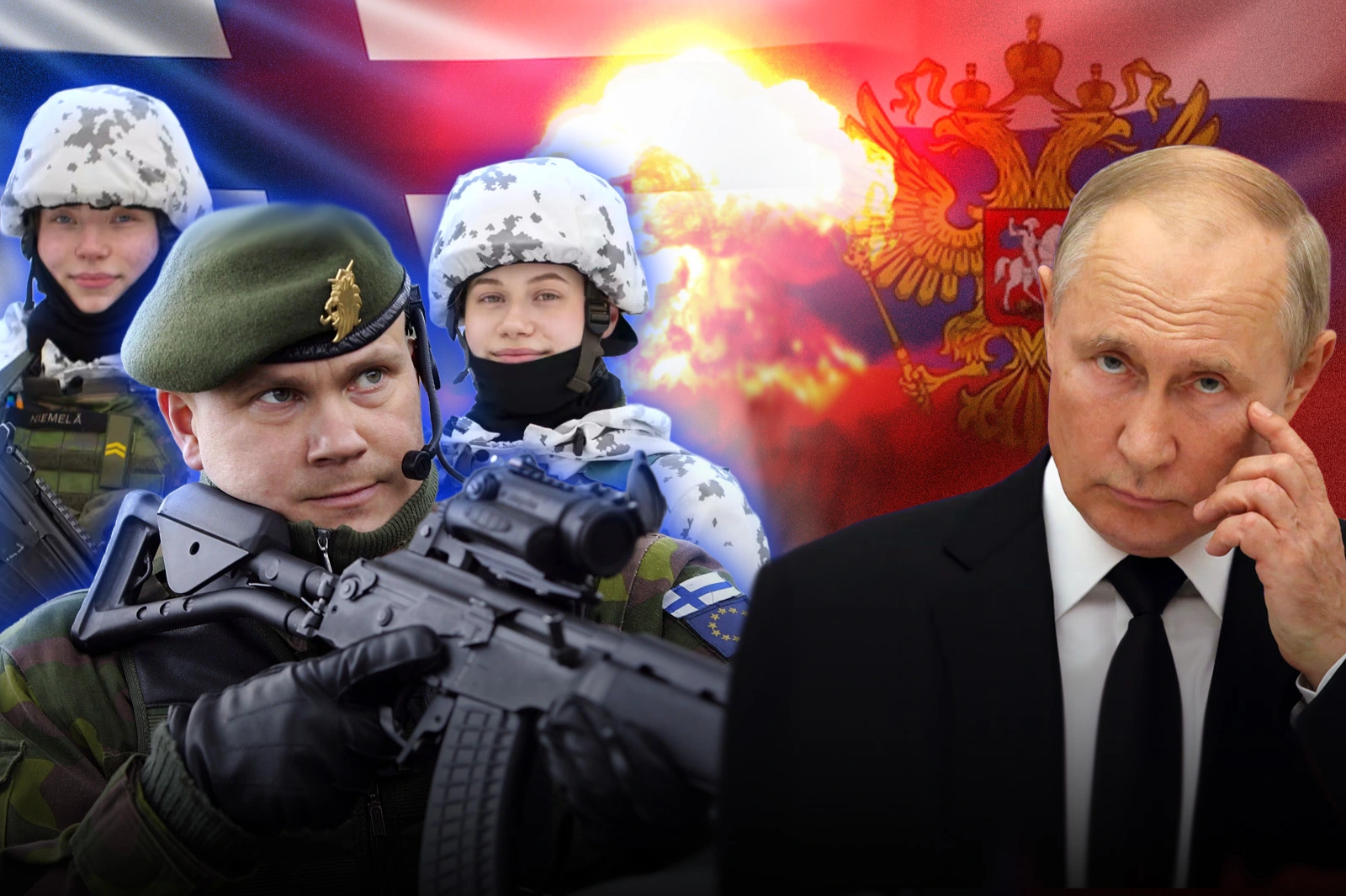
Finland is facing an intense political debate following the government's announcement of its intention to lift the legal ban on nuclear weapons, a measure that seeks to adapt national legislation to NATO's deterrence policy.
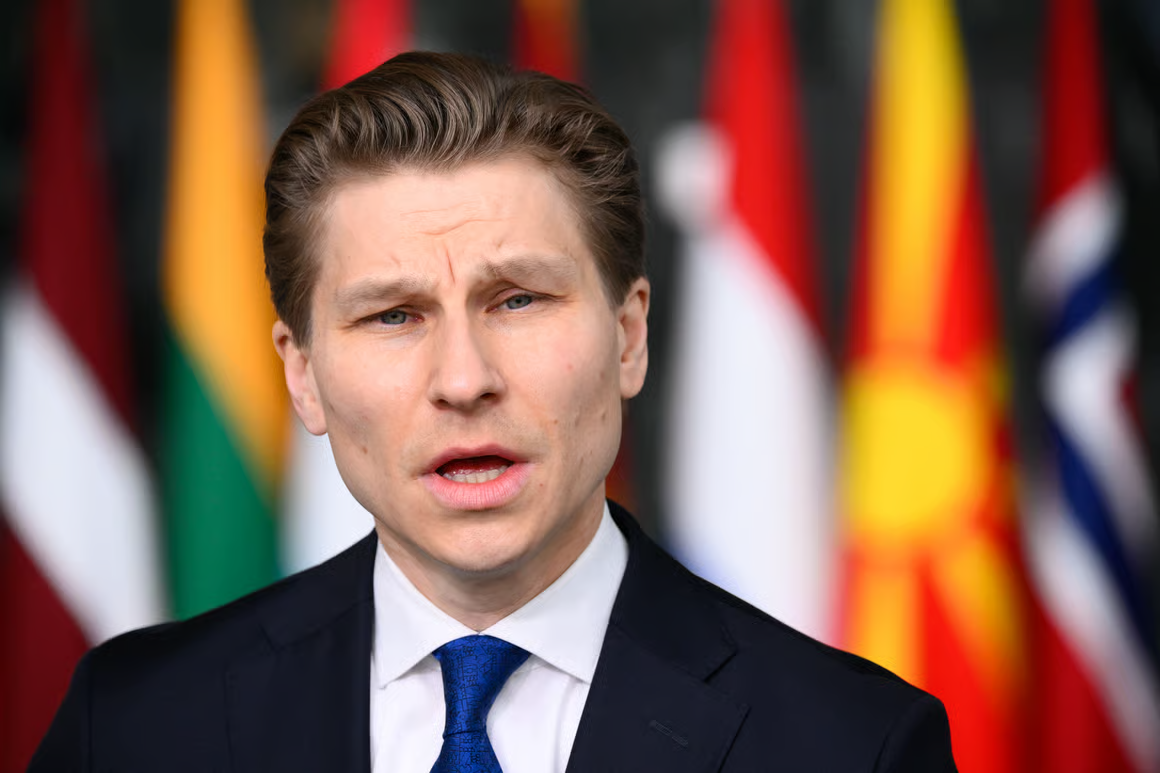
Defense Minister Antti Häkkänen explained that the current legislation, inforce since the 1980s, no longer responds to the current geopolitical context or to the country's defense needs after joining NATO in 2023. According to the official, the security environment in Europe has changed significantly since Russia's invasion of Ukraine in 2022.
Finnish law currently prohibits the import, manufacture, possession and detonation of nuclear devices on its territory. The government proposes to amend the Nuclear Energy Act and the Criminal Code to allow nuclear weapons to be transported, supplied or possessed in Finland when related to national defense or collective defense operations within NATO
.
Häkkänen noted that the reform would allow Finland to fully participate in the alliance's deterrence strategy, although he ruled out that the country plans to permanently deploy nuclear warheads on its territory.
The Finnish Defense Minister noted that the current law does not meet the current needs of Helsinki.
The initiative has provoked criticism in some sectors of Parliament. The leader of the opposition Social Democratic Party, Antti Lindtman, called for suspending the government's plan and establishing a working group with representation from all parties to analyze the issue. Lindtman also criticized that the opposition was informed just one day before the official announcement, which, he said, breaks with the Finnish tradition of broad consensus
on national security decisions.
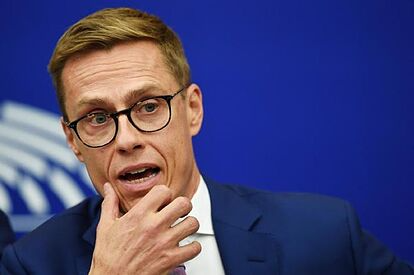
Finnish President Alexander Stubb met with leaders of parliamentary parties to address the controversy. After the meeting, he affirmed that Finland will not allow the deployment of nuclear weapons on its territory in times of peace and reiterated the country's commitment to international agreements aimed at promoting nuclear disarmament
.
For his part, Prime Minister Petteri Orpo said that the government could issue a political statement reaffirming that Finland will not host nuclear weapons in times of peace, even if the legal ban is removed. However, the opposition argues that this commitment should be directly established in legislation.
The president of Finland assured that they will not allow the presence of nuclear weapons in his country during times of peace
The reform project is currently undergoing public consultation, with a deadline for receiving comments until April 2. The government hopes to move forward with the proposal as soon as possible to ensure that Finnish legislation is fully compatible with NATO's collective defense policies
.
Finland, which shares more than 1,300 kilometers of border with Russia, abandoned decades of military neutrality when it joined NATO in 2023, amid growing security concerns in Europe following the start of the war in Ukraine. The discussion about the nuclear ban reflects how this strategic change continues to generate debates within the country.