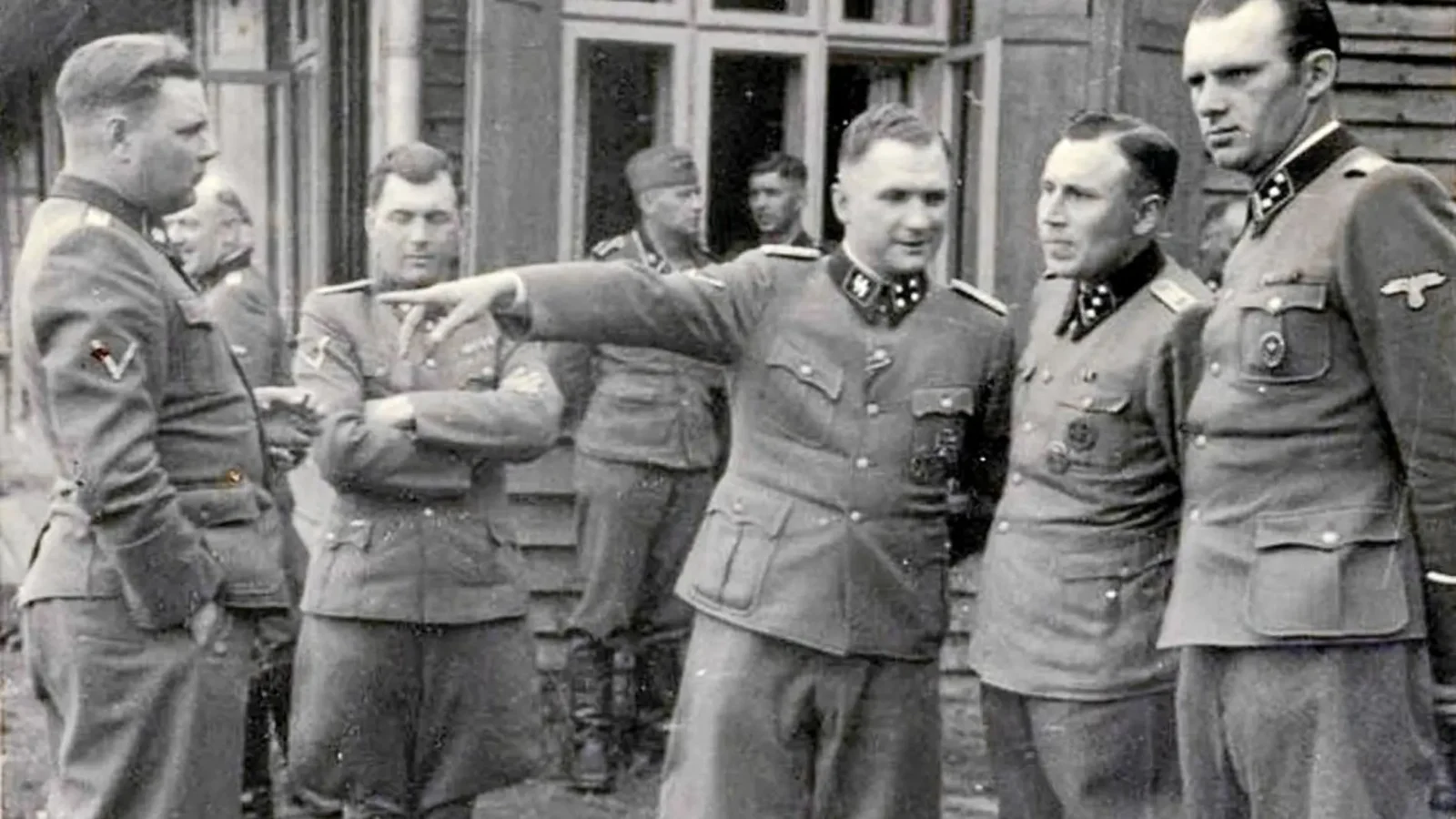

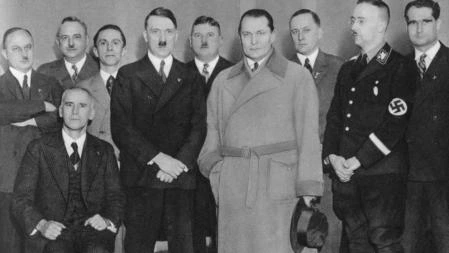
When German troops invaded the Netherlands on May 10, 1940, the country fell under the control of the Third Reich with almost no military resistance. The government fled to London and the army surrendered quickly. Under the command of Commissioner Arthur Seyss-Inquart, a regime of censorship, detentions, and systematic persecution was imposed. By the end of the war, around 100,000 Dutch Jews had been deported and murdered, nearly 75 percent of that population. In the final months, a famine added to the toll, claiming more than 20,000 lives.
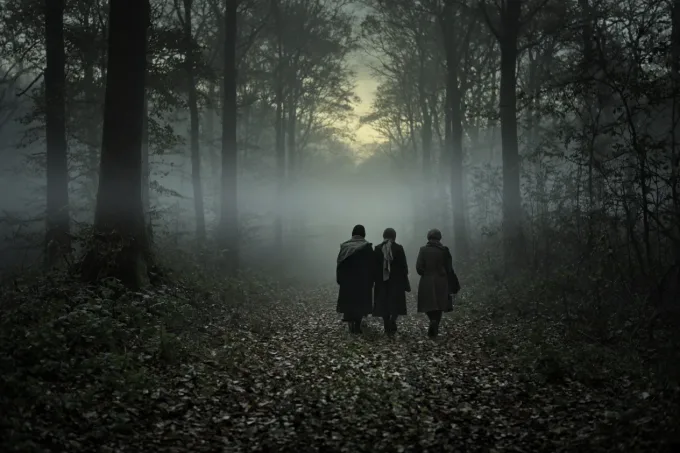
In this context of oppression, a clandestine resistance movement was born. Among its members were three young women: Hannie Schaft, who was 19 in 1940, and sisters Truus and Freddie Oversteegen, who were 16 and 14 respectively when the country fell. The three grew up in an environment of political commitment.
The Oversteegen mother had taken them to distribute proclamations in favor of the Spanish Republic and to sew dolls for children orphaned by that war. Hannie was studying law and refused to pledge allegiance to the Nazi regime, which cost her expulsion from university.
At first, the resistance received them with suspicion. They were assigned minor tasks: distributing leaflets, posting proclamations, and helping to hide Jewish refugees. They were not satisfied. They learned to handle weapons, carried out train sabotage, and placed explosives on a bridge. They passed those tests and demanded greater participation.
The first violent action was against a Dutchman who was betraying Jewish hideouts. Hannie Schaft and the sisters followed him to a park. She called him by name to confirm his identity, pulled a gun from her coat, and shot him. The man fell dead on the grass. Shortly after, Freddie, the youngest, killed a woman who had compiled the list of Jews from Haarlem for their deportation.