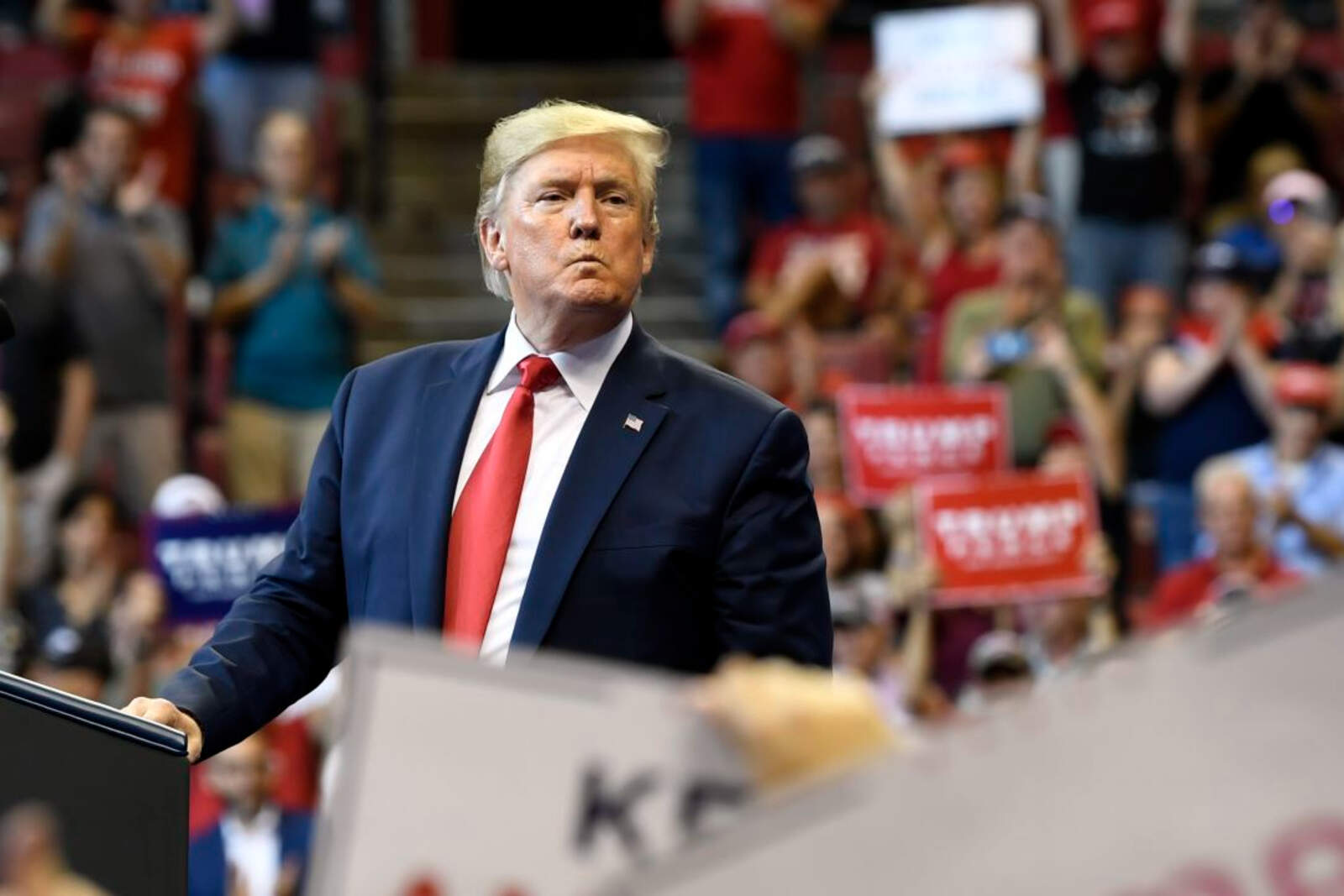

President Donald Trump's administration has adopted a new and forceful strategy against drug trafficking by authorizing the use of lethal force against criminal groups linked to drug cartels in Latin America.
The decision is based on a classified legal opinion issued by the Office of Legal Counsel (OLC) of the Department of Justice, which considers these cartels imminent threats to national security, equating them to terrorist groups or unlawful combatants.
This opinion, not yet publicly disclosed, allows the president to order lethal attacks without prior judicial authorization, significantly expanding the Executive Branch's capabilities to combat drug trafficking abroad.
According to sources familiar with the document, the list of cartels covered by this policy goes beyond those that have been publicly designated as terrorist organizations.
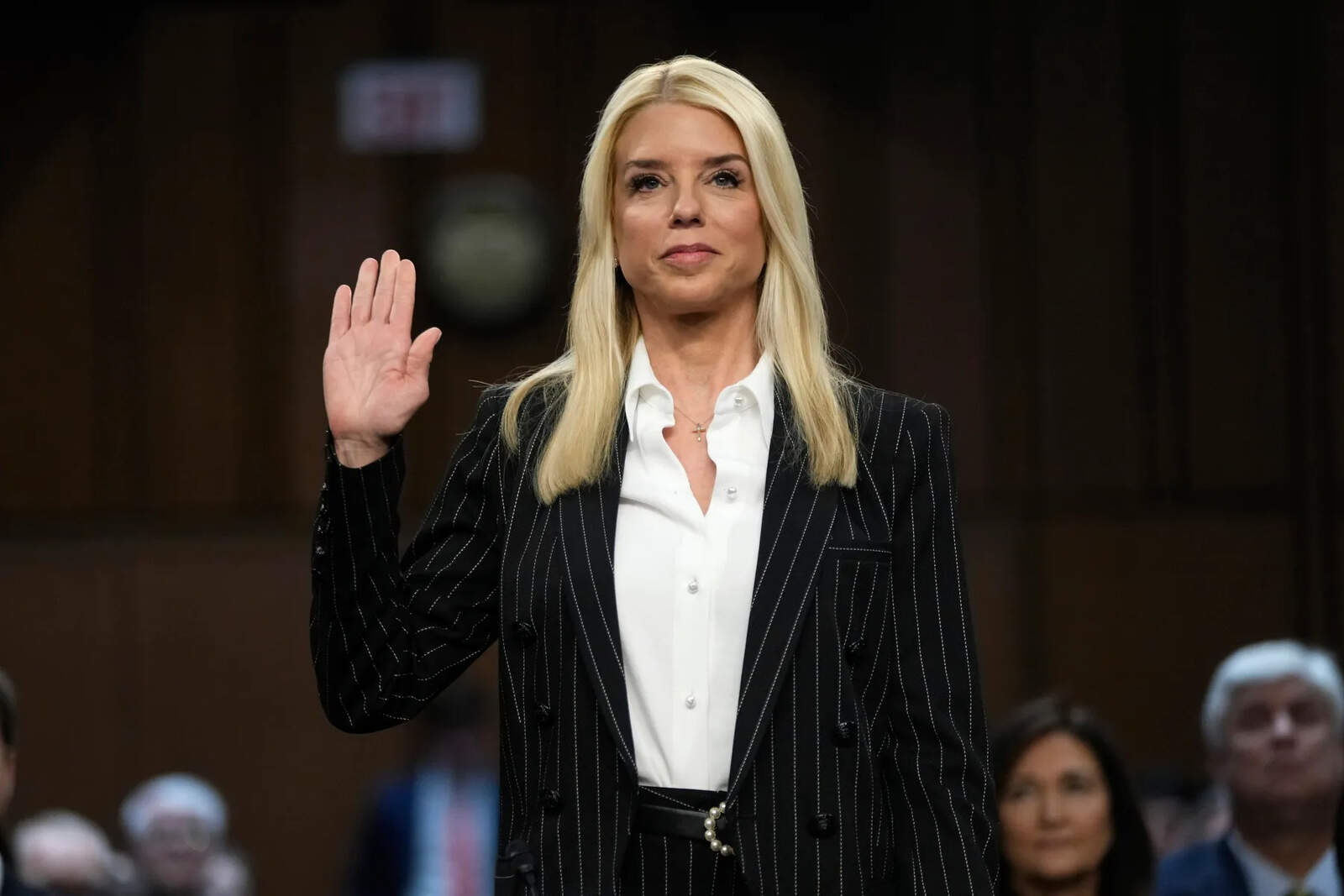
The measure has had immediate consequences: the Pentagon has confirmed at least four attacks against vessels in the Caribbean, with lethal results for individuals affiliated with the designated cartels. The most recent occurred last week, when an attack ordered by the Department of Defense killed four individuals aboard a criminal vessel.
Secretary of War Pete Hegseth publicly defended the actions, stating that the United States is in an "armed conflict" with these criminal organizations. Meanwhile, sources from the Department of Justice indicated that the OLC's opinion has served as the legal basis to justify this aggressive stance.
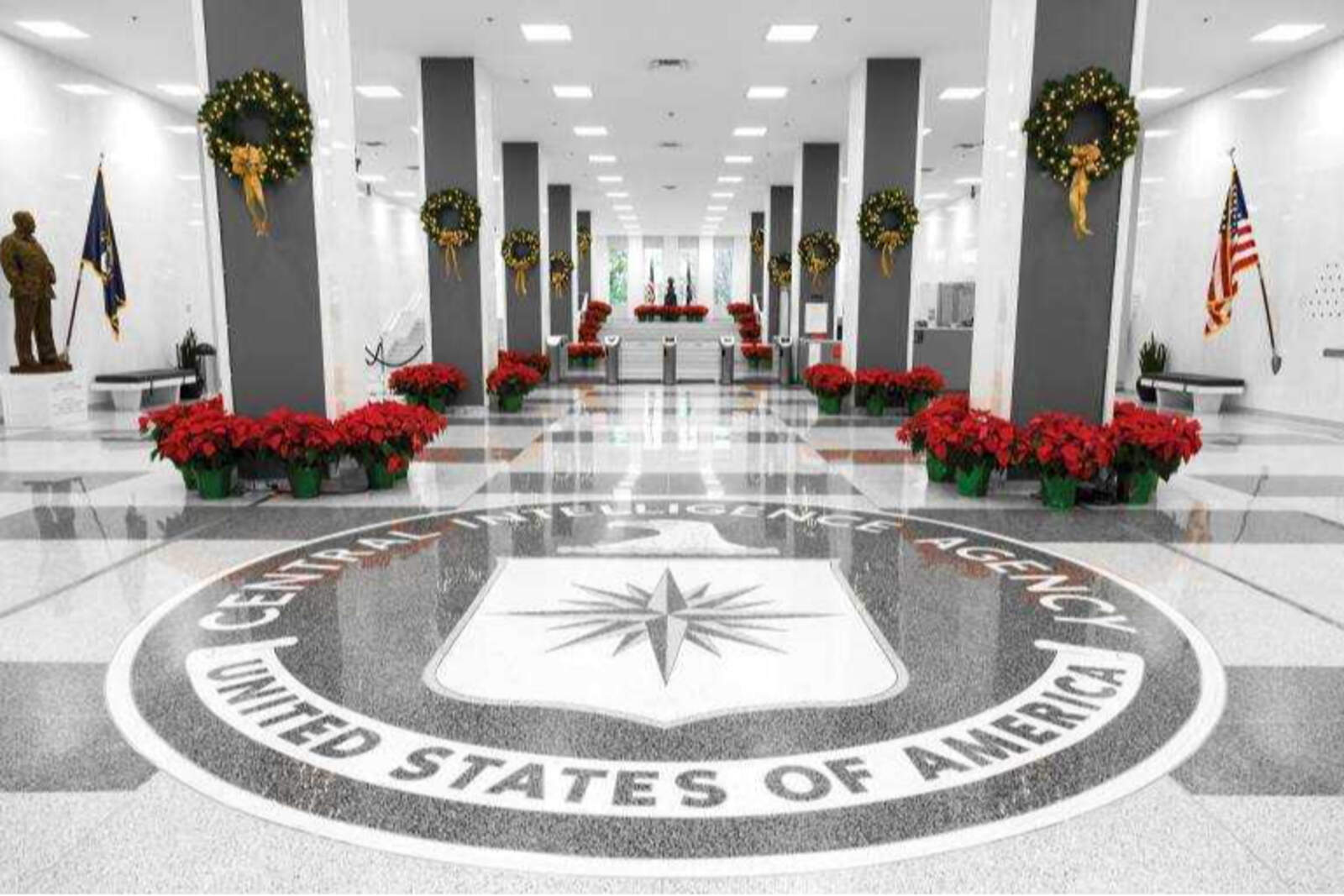
Additionally, it has been reported that the CIA has received authorization to expand its covert operations against the cartels, including the possibility of carrying out lethal actions. Surveillance drones, with armed capability, are already operating in Mexican airspace as part of a broader strategy of intelligence gathering and deterrence.