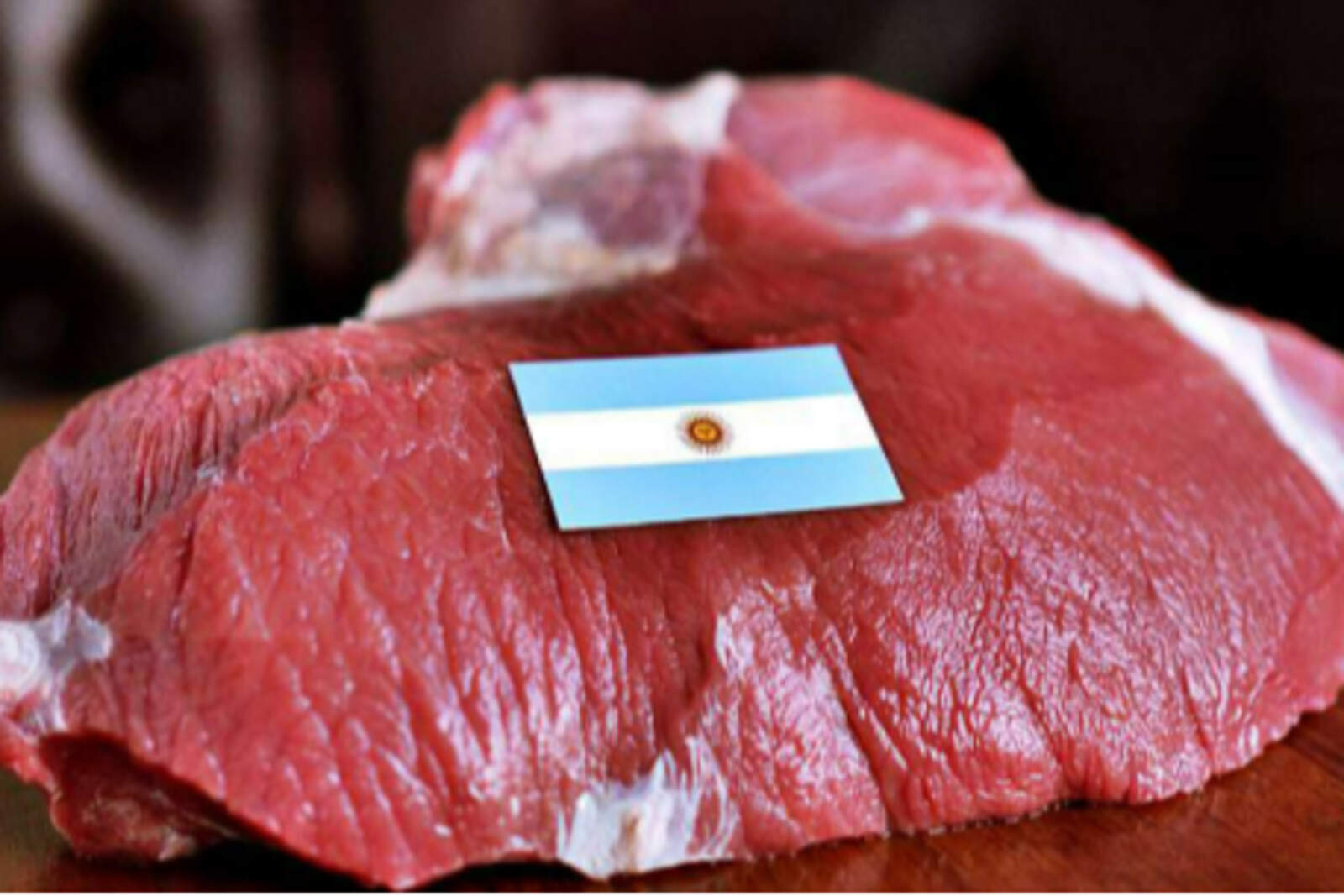
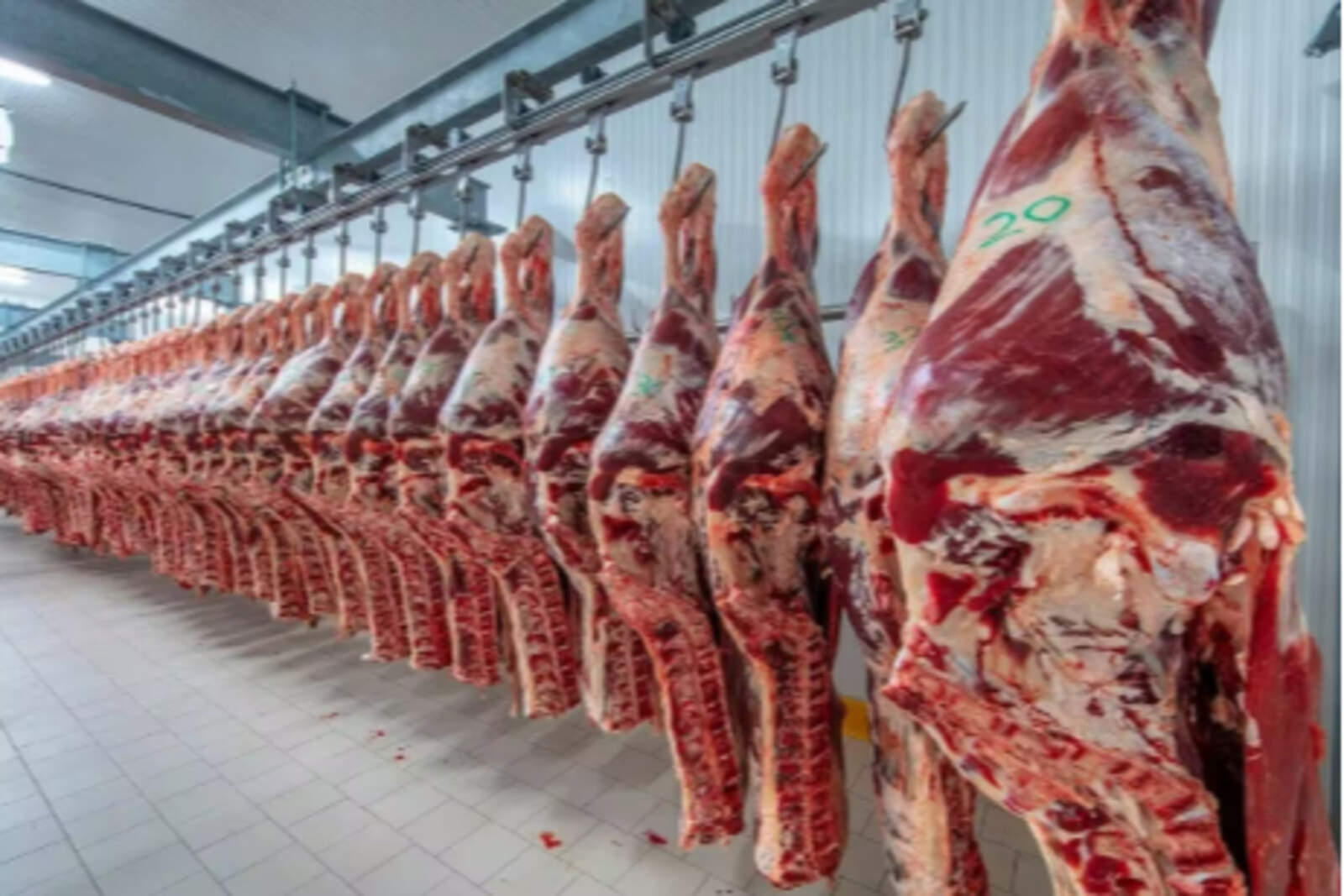
The Donald Trump administration announced a historic increase in the import quota for Argentine beef, which will rise from 20,000 to 80,000 metric tons (88,185 tons) per year.
The measure was included in a new livestock program published by the United States Department of Agriculture (USDA), which seeks to lower domestic prices and strengthen the economic alliance with Argentina.
Aumento histórico de la cuota de importación de carne argentina en Estados Unidos
Currently, our country has an annual tariff quota for "boneless, fresh, chilled, or frozen beef" of 20,000 metric tons (22,046 tons), according to data from the Ministry of Economy.
USDA's plan and Trump's strategy
The USDA's package of measures includes facilitating grazing on federal lands, increasing subsidies for livestock insurance, and reducing costs for small processors.
According to a White House official quoted by Bloomberg, "the United States government is increasing the tariff quota for Argentine beef fourfold, bringing it to 80,000 metric tons (88,185 tons) per year."
The announcement was made days after Trump criticized the sharp increase in beef prices in the United States and called to "lower cattle prices."
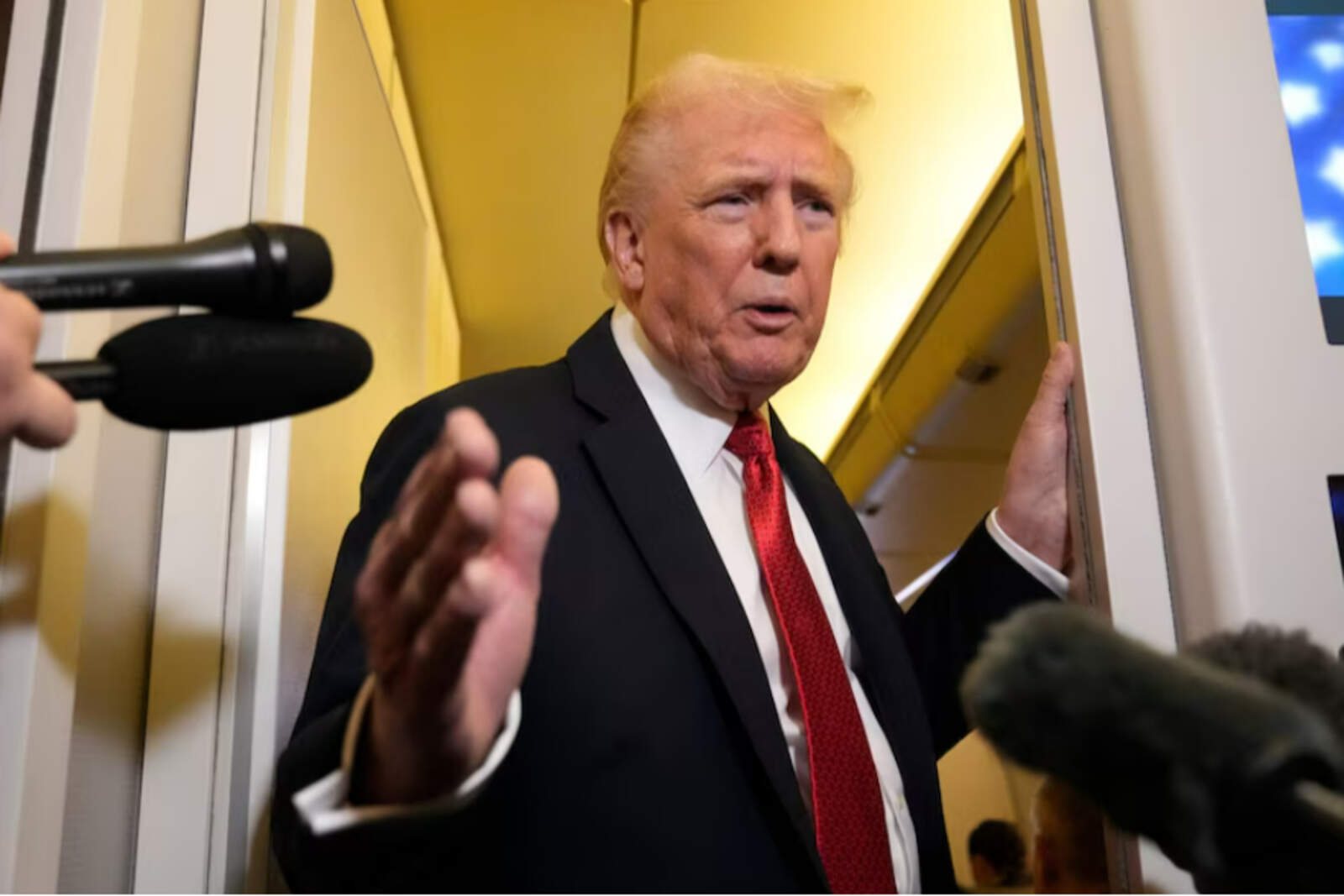
During a flight on Air Force One, the president told reporters that the country "would buy beef from Argentina" and clarified: "If we do it, we'll lower beef prices."
El presidente Donald Trump habla con los reporteros a bordo del Air Force One.
When asked about the impact on local producers, Trump replied: "Argentina is fighting for its life." He reaffirmed his alliance with the Argentine government and said he would "try to help them survive in a free world".
In this context, it is important to highlight his commitment to making food more affordable for Americans, one of his campaign promises. Cattle prices have reached unprecedented levels this year amid a severe shortage, which has raised the cost of beef for consumers and wiped out billions of dollars in profits for packers.
The problem has become an obstacle to Trump's promise to lower grocery prices and keep food inflation under control.
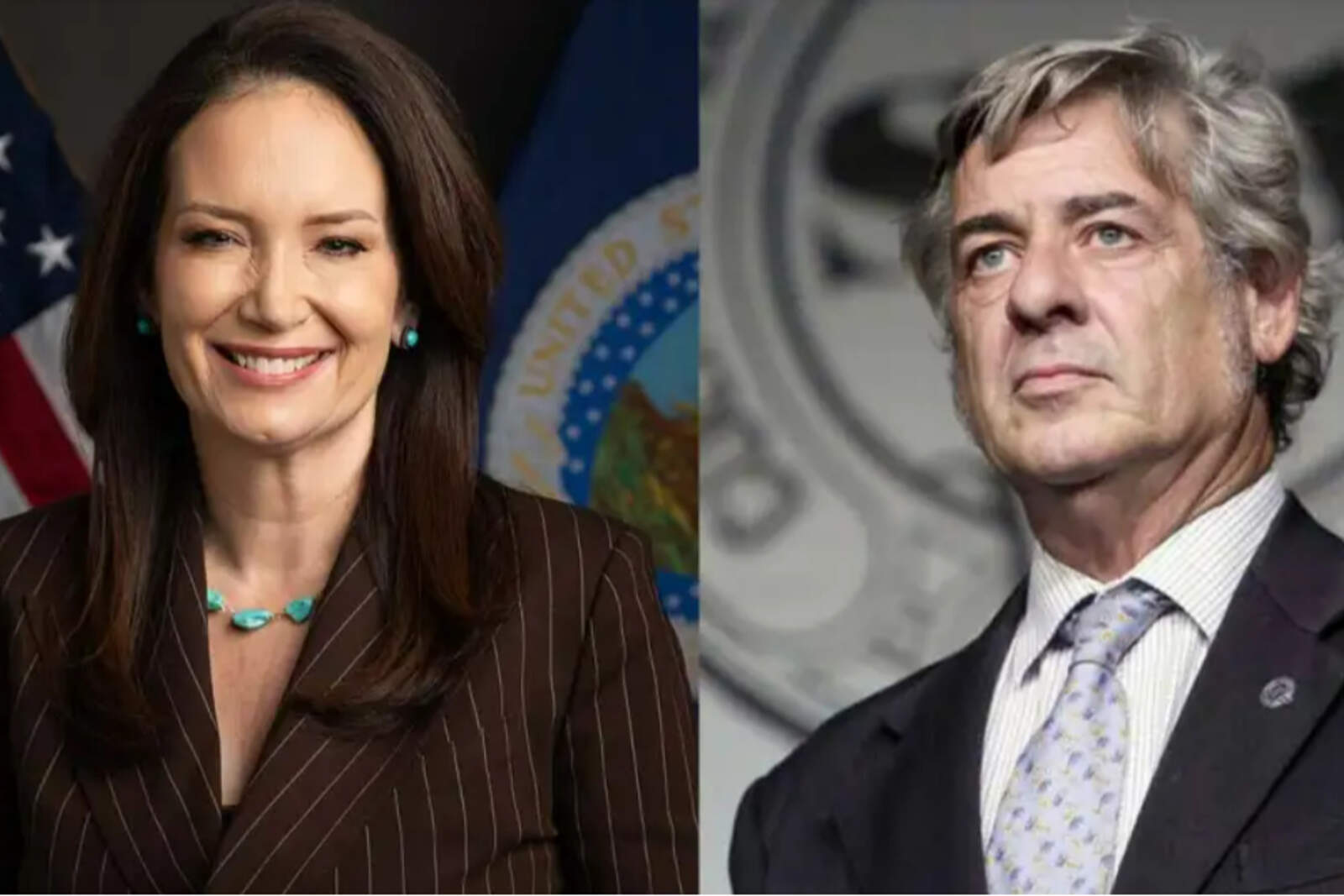
Exchange between Brooke Rollins and Nicolás Pino
USDA Secretary Brooke Rollins clarified that any market opening "must guarantee the sanitary safety of the U.S. herd": "Argentina is facing a foot-and-mouth disease problem and the Department of Agriculture has to ensure that our livestock industry is safe."
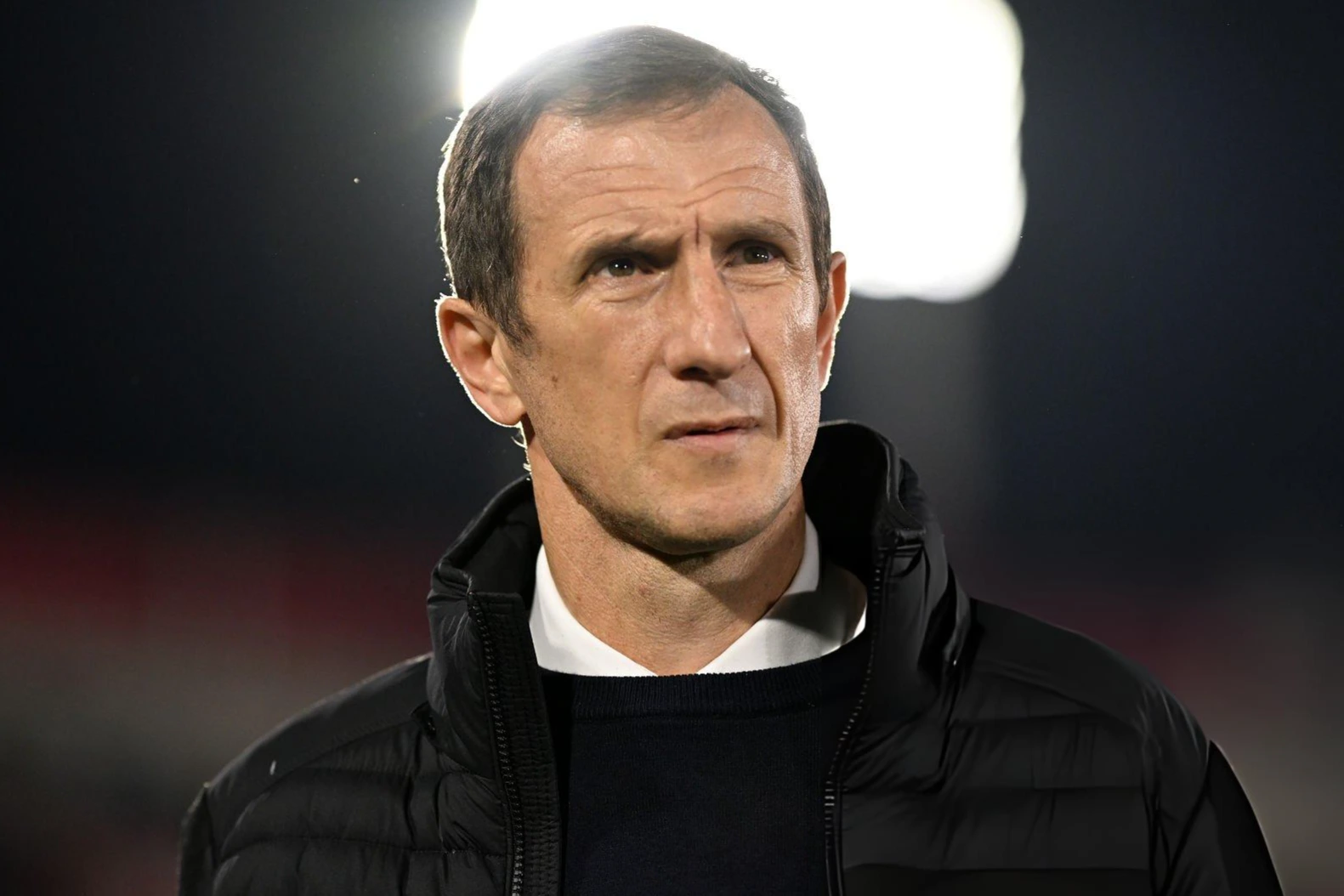
Brooke Rollins y Nicolás Pino
Meanwhile, the president of the Argentine Rural Society, Nicolás Pino, replied to Rollins's statements and defended the health of the Argentine herd. He stated that the official was "misinformed" and that "Argentina hasn't had problems with foot-and-mouth disease for more than 20 years."
The rural leader welcomed the market opening and emphasized that the measure represents a strong boost for bilateral trade and a sign of confidence toward Argentine producers.
A new chapter in the bilateral relationship
With this quota increase, Argentina will be able to quadruple its exports to the world's largest market, generating foreign currency and consolidating its ties with the United States.
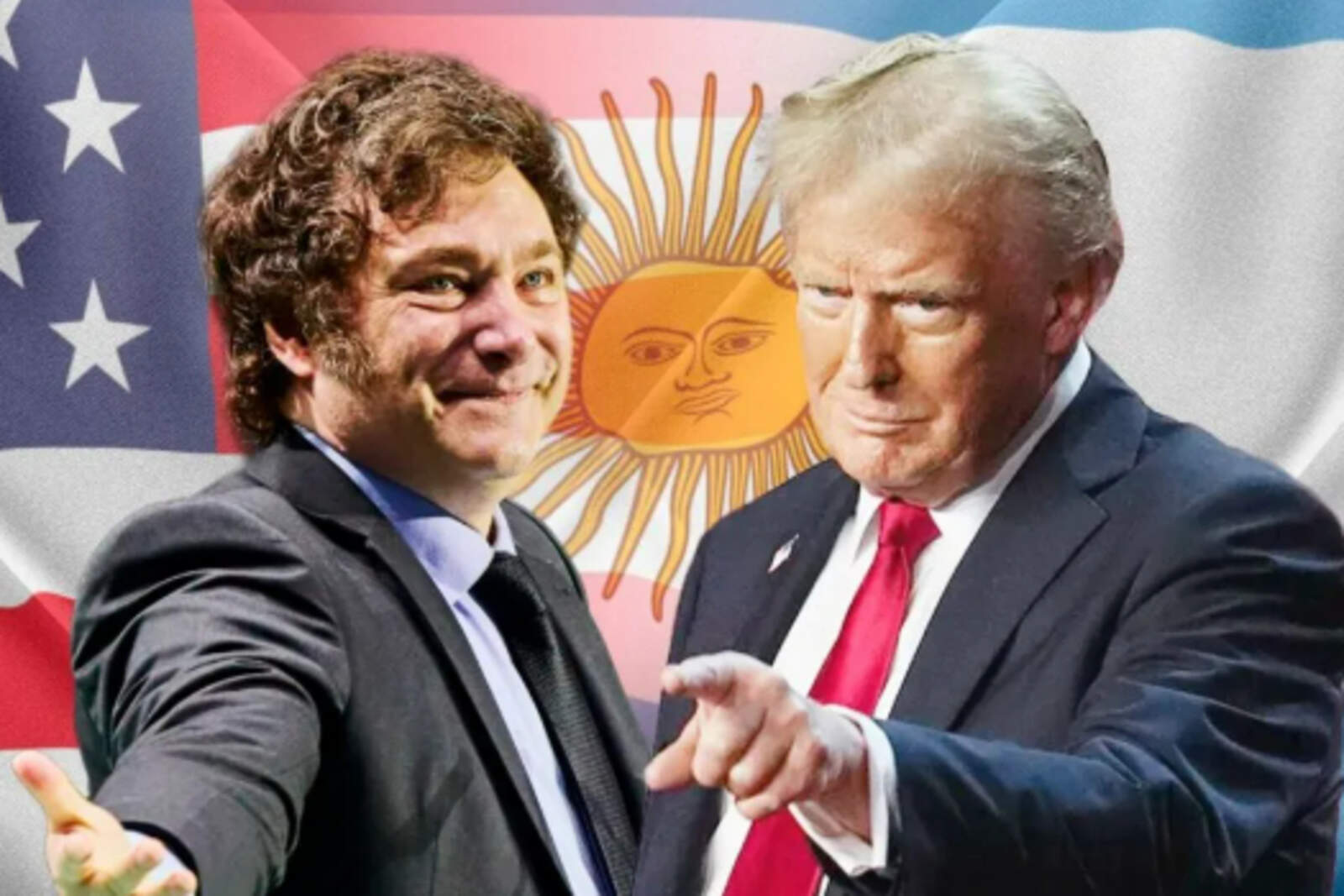
The announcement comes within the framework of the political and commercial agreement between Javier Milei and Donald Trump, focused on promoting free trade, investment, and agro-industrial growth. The decision also aims to reduce beef prices in the U.S. after a severe cattle shortage and a record rise in costs, while strengthening cooperation between both governments.
Acuerdo político y comercial entre Javier Milei y Donald Trump.