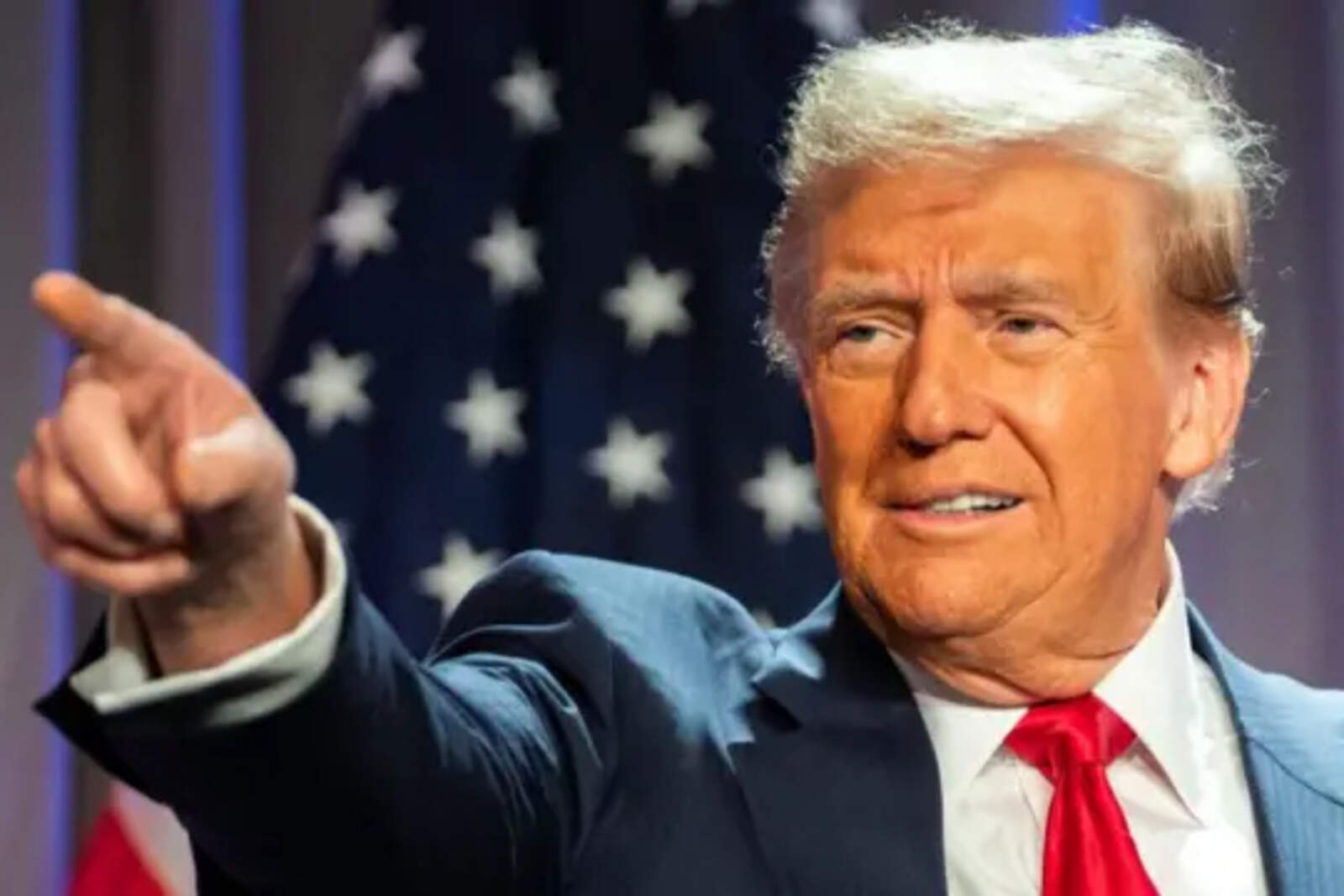
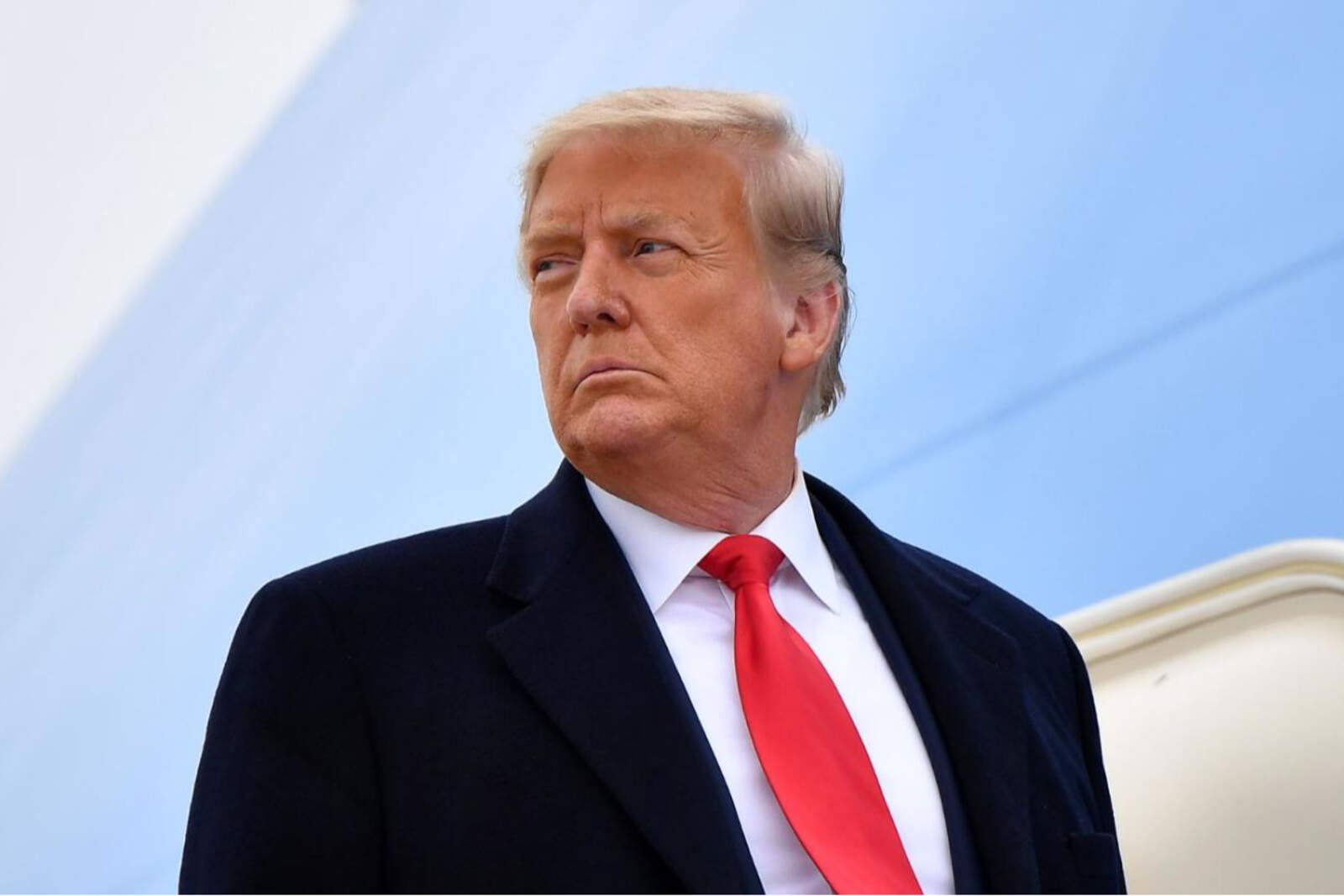
The administration of President Donald Trump is developing an international strategy to encourage its trading partners to economically isolate China in exchange for reducing tariffs and trade barriers.
According to reports, more than 70 countries are being contacted to commit to restricting their economic relations with Beijing. This would include blocking Chinese maritime transit, preventing Chinese companies from establishing in their territories, and curbing the import of low-cost Chinese industrial goods.
This measure is part of a strategy designed to force China back to the negotiating table, amid a growing trade conflict.
El presidente de los Estados Unidos lleva a cabo una estrategia para presionar a China
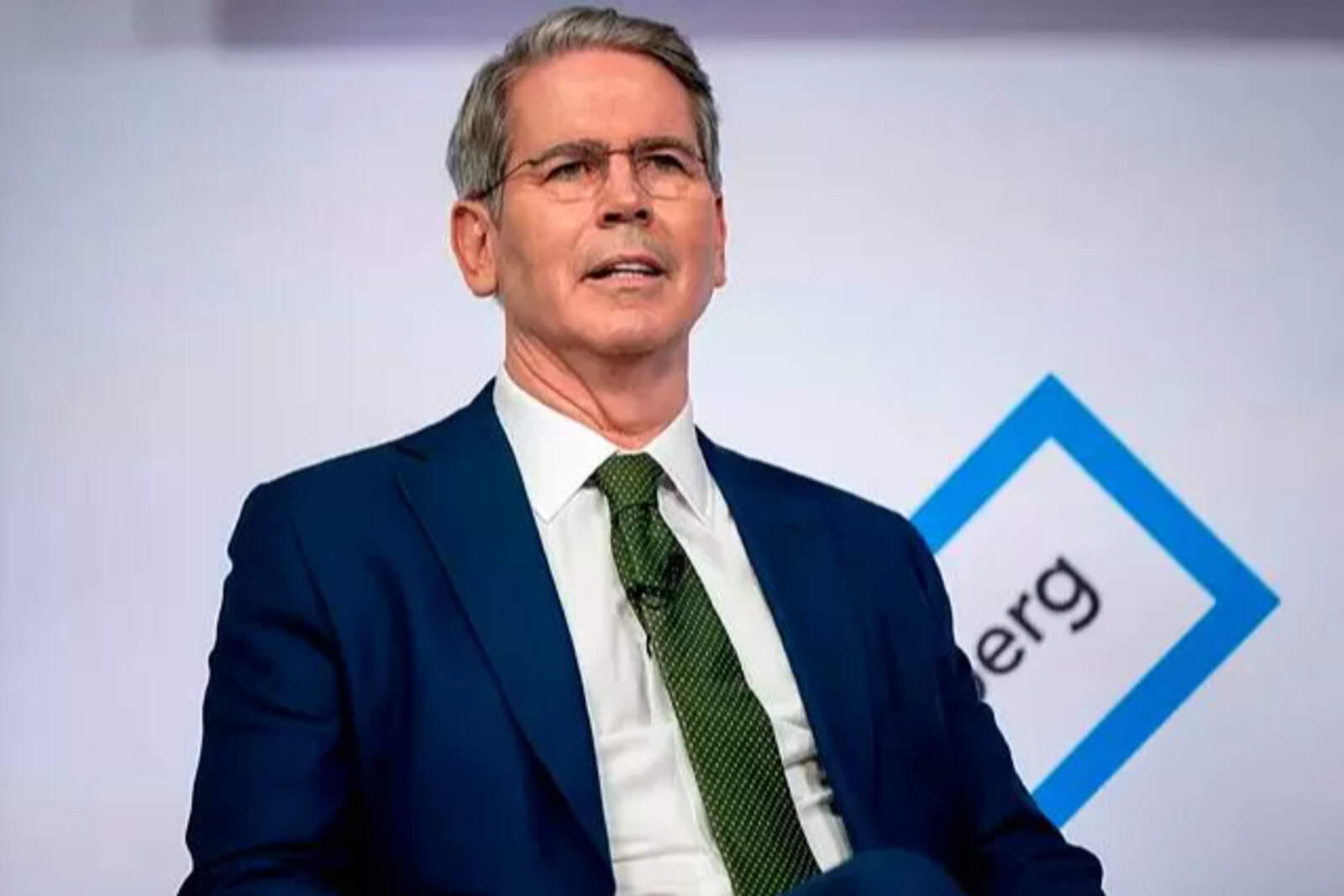
The Treasury Secretary, Scott Bessent, proposed this initiative to Trump on April 6 at Mar-a-Lago, and since then has led trade negotiations following the 90-day pause on reciprocal tariffs against most countries, although China remains the major exception.
In this context, the White House announced that China faces import duties to the United States of up to 245%, in response to its retaliatory trade actions.
This includes a 125% reciprocal tariff, an additional 20% linked to the fentanyl crisis, and specific tariffs ranging from 7.5% to 100% under Section 301.
La propuesta fue realizada por Bessent el pasado 6 de abril en Mar A Lago
Trump has declared that he will attend a meeting with Japanese officials organized by Bessent and Commerce Secretary Howard Lutnick, to discuss issues such as tariffs, defense costs, and trade fairness. On his TRUTH Social network, he expressed optimism about achieving a "BIG" and beneficial agreement for both countries.
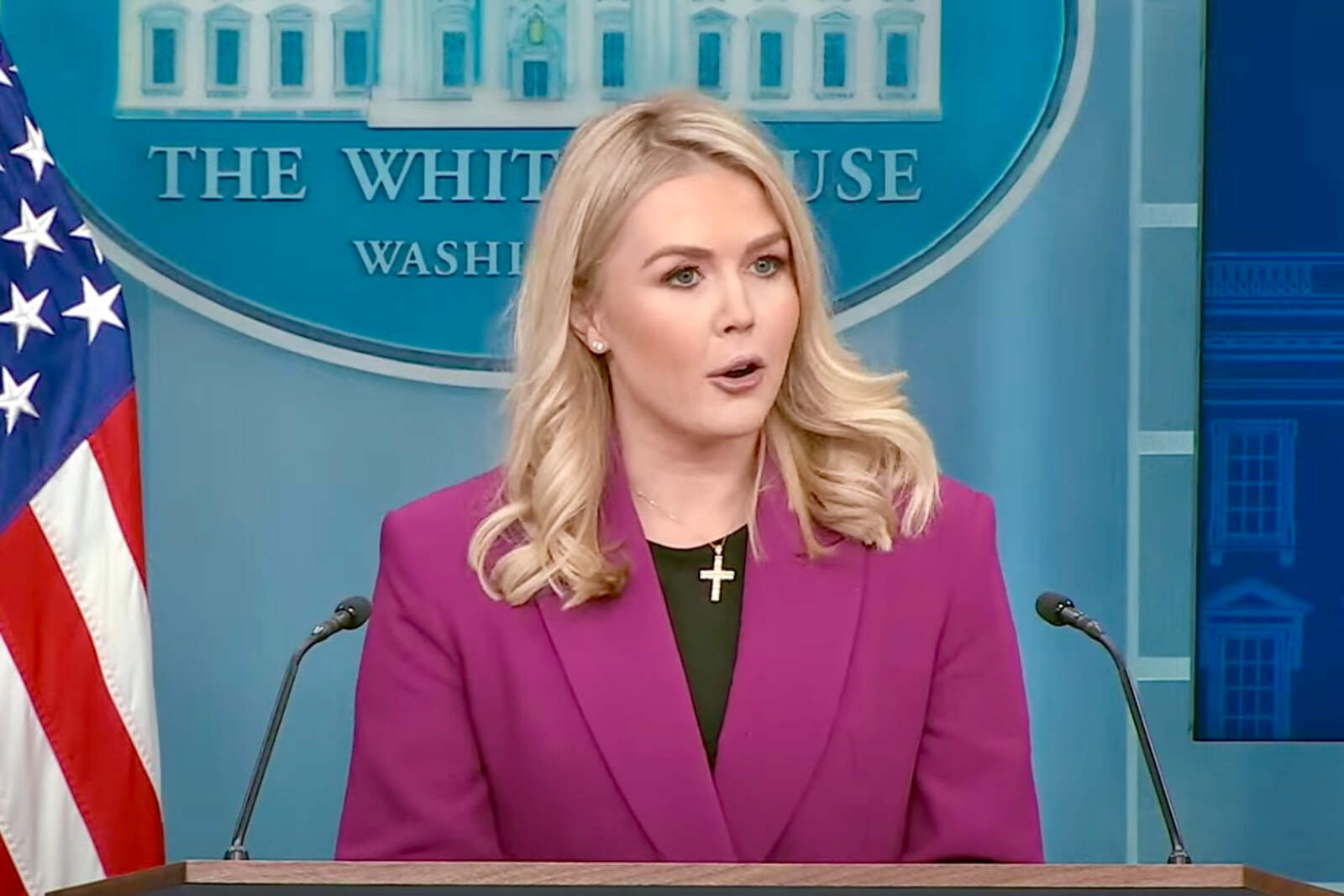
During a press conference, White House spokeswoman Karoline Leavitt read a statement from President Trump stating that "the ball is in China's court" and that the Asian country needs a deal with the United States, not the other way around.
Trump emphasized that China, like any other country, wants access to the desired American market and depends on the American consumer.
Meanwhile, Bessent has also suggested more drastic measures, such as increasing restrictions on the Chinese economy, imposing more tariffs, and excluding Chinese companies from U.S. stock exchanges.
La secretaria de Prensa destacó los dichos del presidente de las necesidades de China de llegar a un acuerdo con Estados Unidos
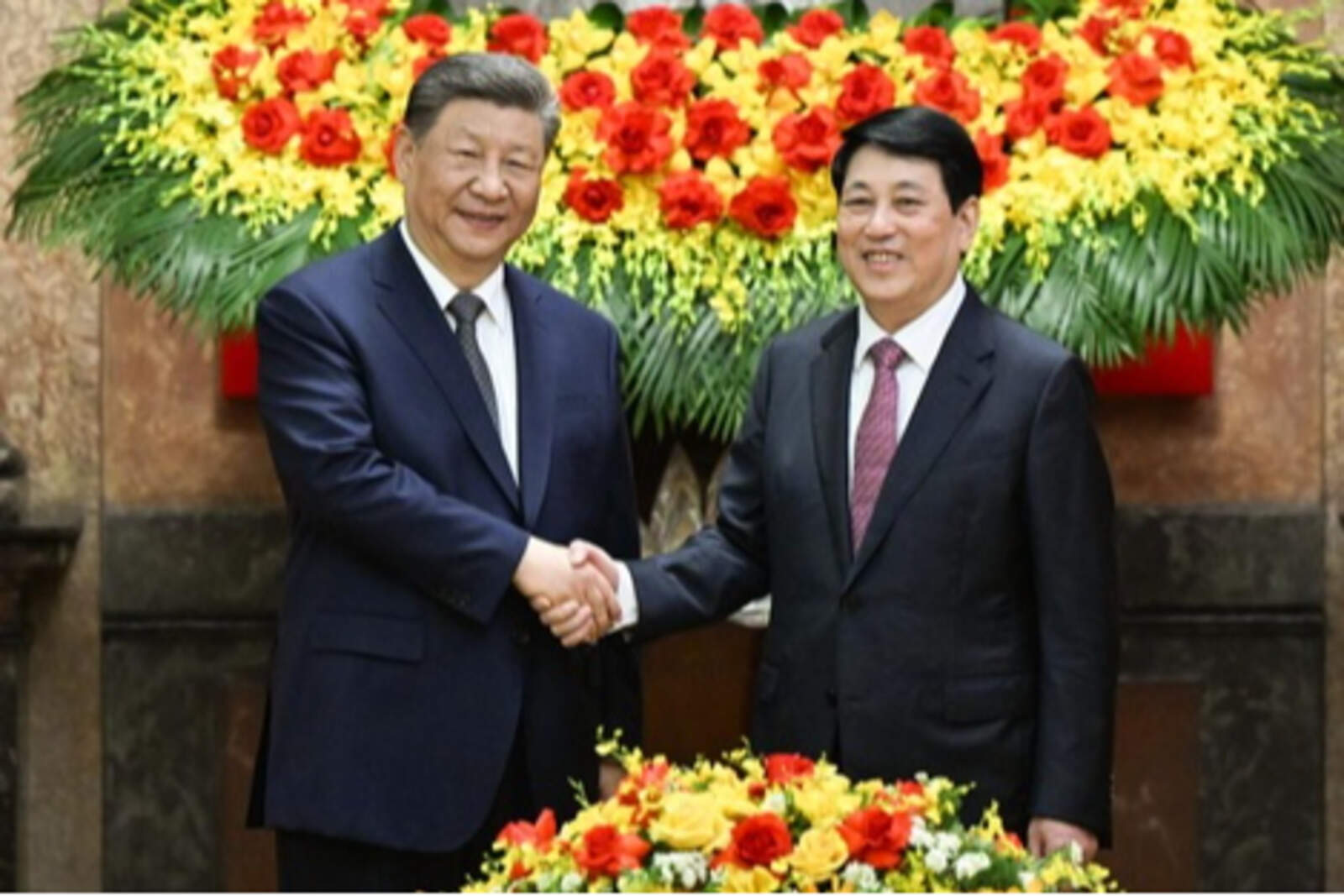
Meanwhile, China has replied with its own influence campaign, focusing on strengthening ties with Southeast Asian countries like Malaysia and Vietnam, and promising greater access to its market.
Trump also referred to the Panama Canal in an interview, criticizing Chinese influence and indicating that the United States is reconsidering its position regarding control of the canal, hinting that its partners might have to choose between the United States and China.
In trade terms, China was the third most important trading partner of the United States in 2024, with a bilateral exchange of 582 billion dollars.
The United States imports from China electronics, machinery, furniture, toys, rare metals, and more, while exports oil, gas, automobiles, pharmaceuticals, and agricultural products.
China por su parte, busca acercarse a países como Malasia y Vietnam
In response to U.S. measures, China has raised its tariffs on U.S. products to 125% and has restricted the export of rare minerals, essential for technologies like chips and electric batteries.
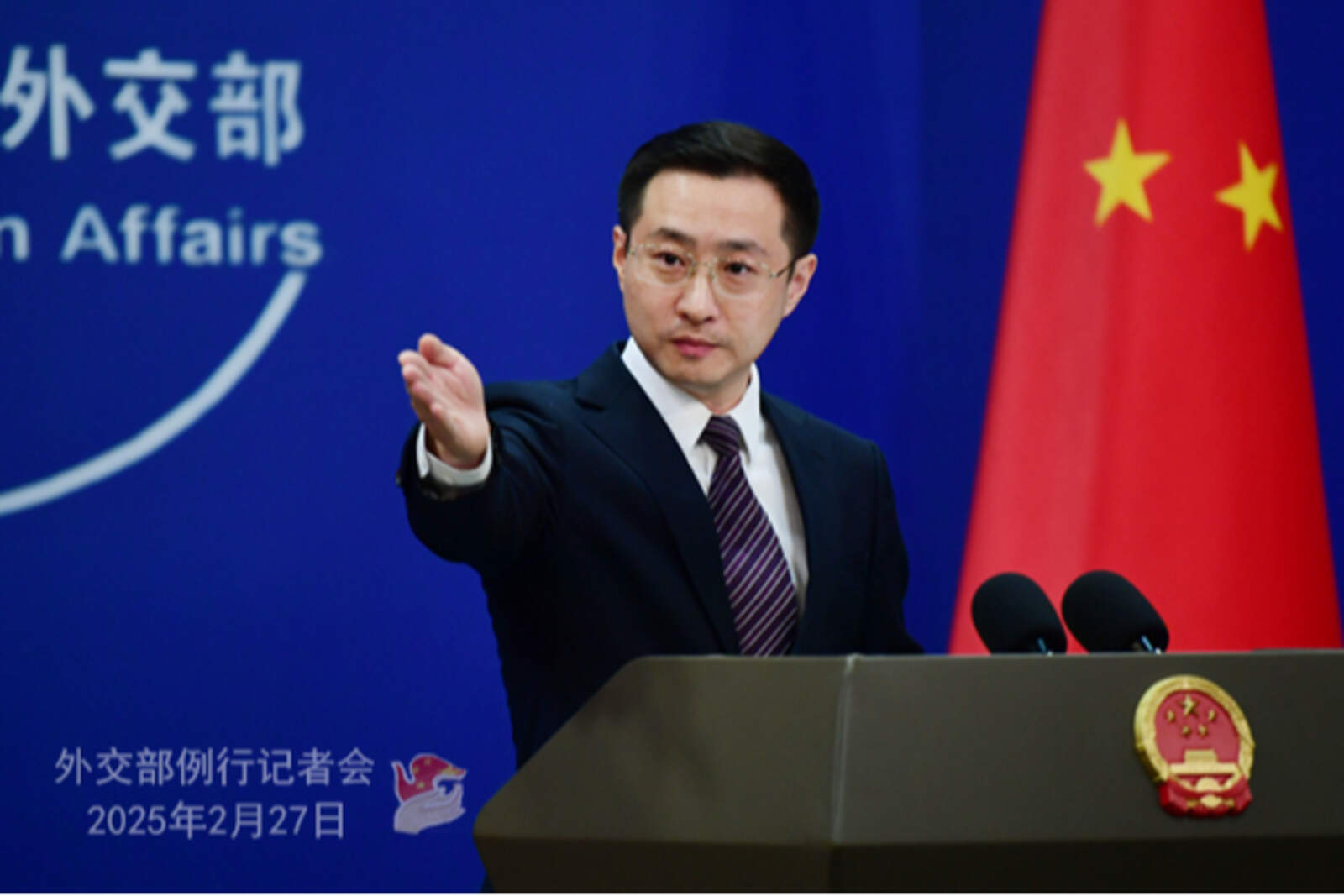
The spokesman for China's Ministry of Foreign Affairs, Lin Jian, stated that China is willing to negotiate, but demanded that the United States abandon its policy of "extreme pressure" and base it on mutual respect and equality.
Finally, Trump announced that he will soon unveil new tariffs on semiconductor chips, aiming to promote domestic production and reduce dependence on foreign imports.
El portavoz de Exteriores chino exigió a Estados Unidos que abandone su política arancelaria