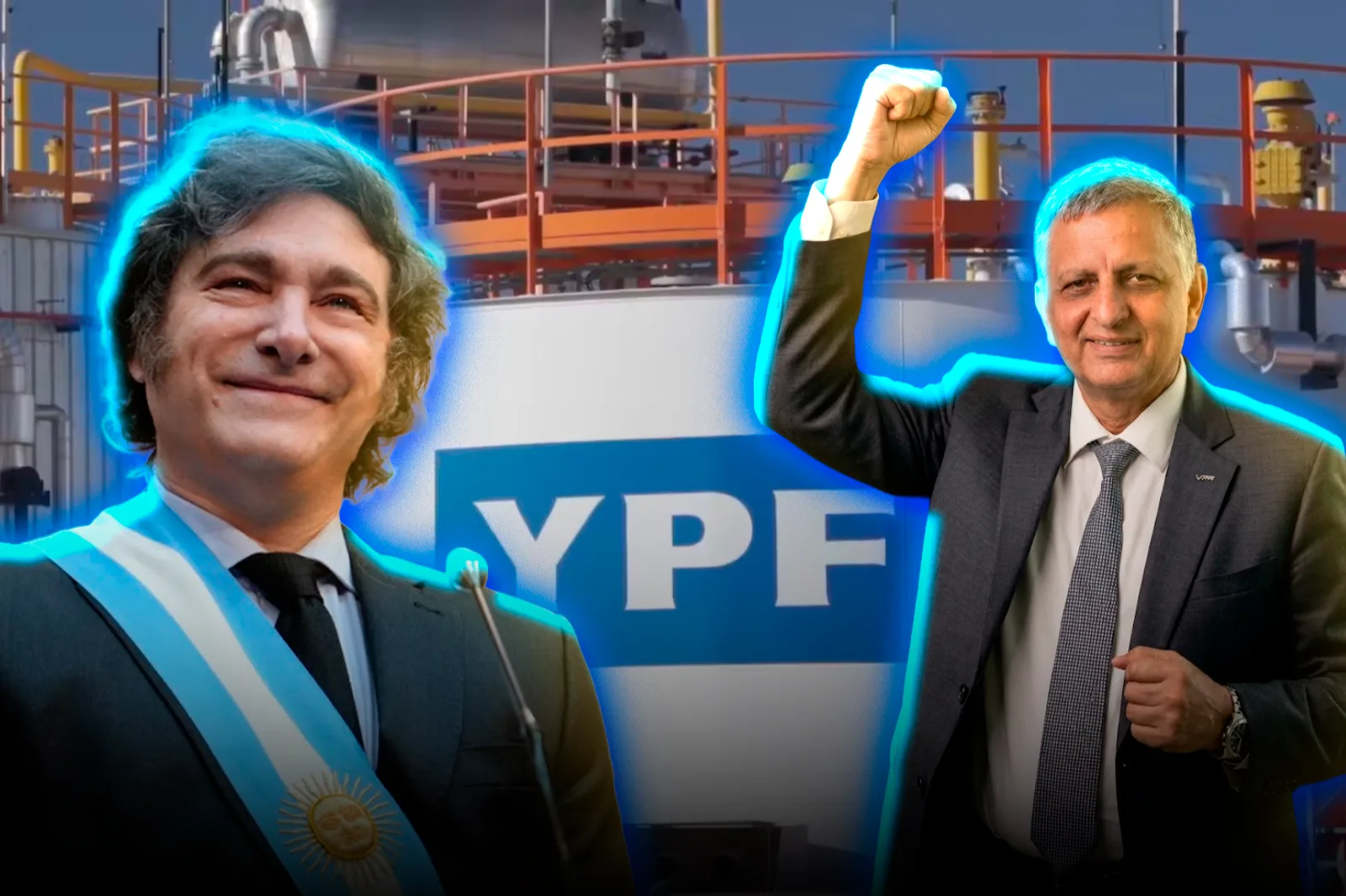
The state oil company is preparing two new additions to the regime to expand Argentina LNG and develop blocks in Vaca Muerta, raising its commitments alongside private partners to more than triple the projects already approved across the country
Development of crude oil and gas in Vaca Muerta blocks: Massive drilling and resource extraction programs in the Neuquén basin.
To understand the scope of this transformation, it is key to analyze the portfolio of the five large-scale developments that YPF has already formally presented under the RIGI regime:
Argentina LNG (Initial Stage): Presented in August 2026 alongside the Italian Eni and the Emirati XRG —investment arm of ADNOC—. With an estimated budget of USD 51 billion, it is the largest recorded request for adhesion. It aims to produce 12 MTPA of LNG from the coast of Río Negro and would generate exports of USD 10 billion annually over two decades, operating fully between 2029 and 2031.
LLL Oil: Integrated development program presented in May 2026 that will require USD 25 billion over 15 years for the drilling of 1,152 wells in Vaca Muerta. By 2032, it projects to produce 240,000 barrels of oil per day, with exports of USD 6 billion annually and an impact of over USD 100 billion over its lifetime.
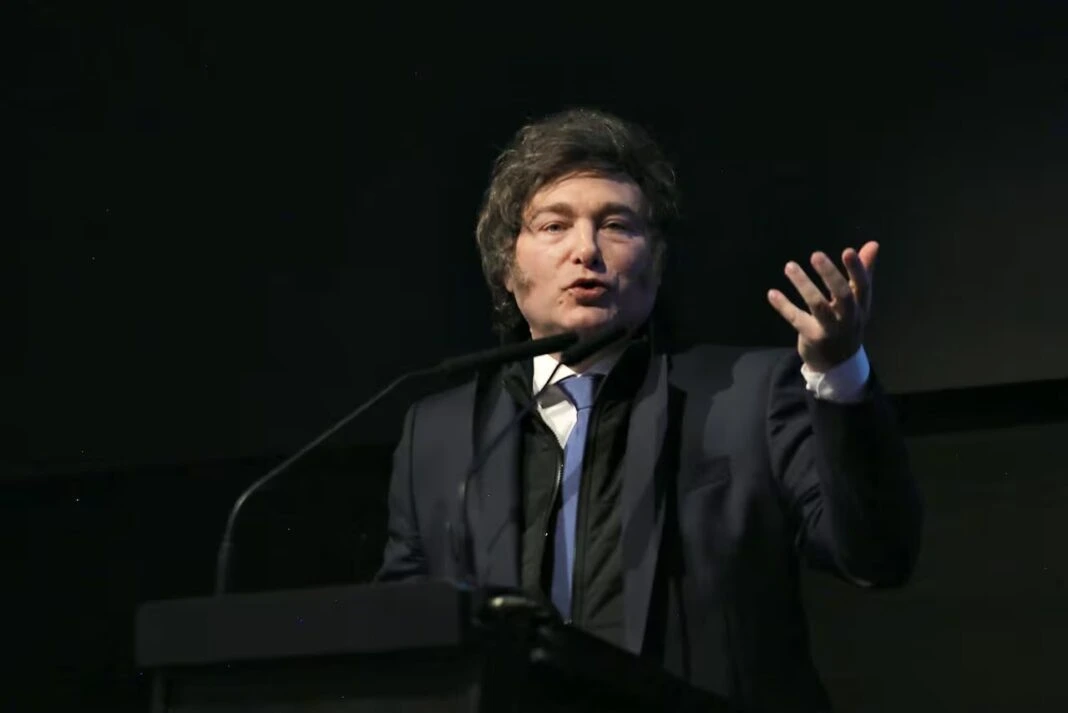
The president, Javier Milei
Vaca Muerta Oil Sur (VMOS): Pipeline of 437 kilometers connecting Añelo (Neuquén) with Punta Colorada (Río Negro). With an investment of USD 3 billion, it is driven by a consortium led by YPF and includes Vista, Pan American Energy, Chevron, Shell, Pluspetrol, Tecpetrol, and Pampa Energía. The project is over 80% complete; its monobuoys —manufactured by Bluewater Energy Services— are on their way. It will operate in early 2027 with an initial capacity of 180,000 barrels per day and will scale up to 550,000.
Southern Energy (SESA) and San Matías Pipeline: Together they represent USD 8 billion in investment. Led by Pan American Energy with participation from YPF, Pampa Energía, Harbour Energy, and Golar LNG. It anticipates exports of USD 7 billion annually starting in 2027 using two liquefaction vessels. The syndicated loan of USD 900 million is in its final closing phase with Citi, JP Morgan, Itaú, and Santander.
VMOS
El Quemado Solar Park: The first renewable project to enter the RIGI. Developed by YPF Luz together with the Mendoza-based Emesa in Las Heras, Mendoza, it will require USD 211 million to provide an installed capacity of 305 megawatts.
The strength of the data destroys any opposing narrative. The horizon of commitments made by YPF under the legal security of RIGI from Javier Milei exceeds, in most cases, the year 2030. The infrastructure of Argentina LNG will operate between 2029 and 2031, while LLL Oil will reach its sustained production level in 2032. The arrival of foreign venture capital demonstrates that when the state withdraws and full guarantees are provided for private businesses, capital flows to transform the nation's resources into real wealth.
The economic deregulation promoted by President Javier Milei is yielding spectacular results in the energy sector. In an announcement that definitively buries the stagnation of the past, the state-majority oil companyYPF is preparing to present two new projects to join the successful Incentive Regime for Large Investments (RIGI).
With these additions, the company plans to commit, along with its private partners, a total disbursement of USD 154.1 billion under this regime with a time horizon extending until 2040.
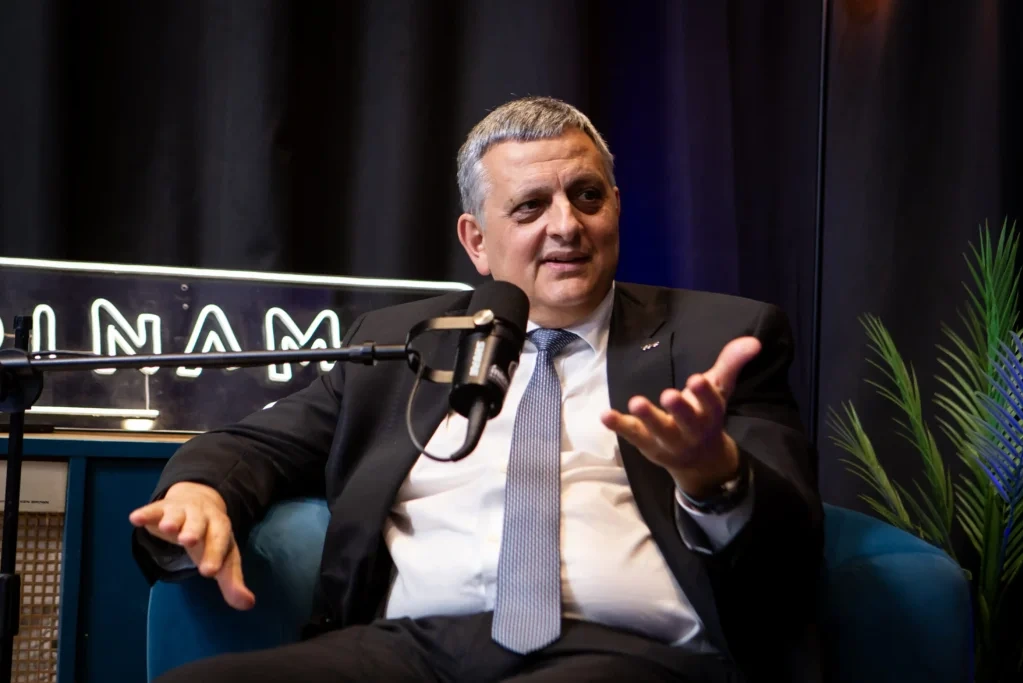
Horacio Marín
This capital injection more than triples the USD 49.766 billion concentrated in the 23 projects approved under the RIGI so far across the country. The figure was officially confirmed by the President and CEO of YPF, Horacio Marín, during his presentation before business leaders at the 10th Italy-Latin America SMEs Forum, held this Tuesday, September 8, 2026, at the Palacio Libertad.
The executive clarified that this amount encompasses the projects of YPF, its joint ventures, and those developed with international partners.
The two new projects
The company is preparing the technical details to formally enter the RIGI with two new requests for adhesion in the coming months, which have not yet received formal approval:
Expansion of Argentina LNG: The megaproject to process gas from Vaca Muerta, liquefy it, and sell it abroad has an initial phase already presented. This second phase aims to add 6 million tons per year (MTPA) of liquefied natural gas (LNG), increasing the project's capacity from 12 to 18 MTPA of liquefaction capacity. This expansion responds to the new geopolitical scenario, as anticipated by Horacio Marín last March during CERAWeek:
"This war has accelerated Argentina's LNG in a way you can't imagine. I believe the war will strongly drive the expansion of the project from 12 million tons to the six million additional we project for the second phase."