A group is pushing for sanctions and demanding the removal of De Loredo, Carrizo, and Cossar, who supported libertarians and Peronists
Nuevo
Agregar La Derecha Diario en
Compartir:
Internal tension returned to the UCR of Córdoba when a group of key figures submitted a document to the Provincial Committee demanding tough sanctions for influential leaders. The submission included formal requests for expulsion against Rodrigo de Loredo, Soledad Carrizo, Marcelo Cossar, and several mayors who supported rival lists. The complainants claim that these leaders collaborated, supervised, or campaigned against List 3 in the legislative elections in October.
The document accuses each leader of specific actions and highlights that Cossar joined the Ministry of Defense as an official promoted by Milei's movement. According to the signatories, the former councilor also allegedly promoted voting in favor of La Libertad Avanza and participated in its supervision structure. The text also points to a deterioration of internal relations as a result of positions considered incompatible with the traditional line of radicalism.
The complaint also includes Deputy De Loredo, who is criticized for publicly stating that he did not vote for the UCR because the list was "put together with Peronism." The signatories define that stance as "false, repugnant, and cowardly" and claim that his team collaborated with the libertarian ruling party during the campaign. Carrizo, meanwhile, is singled out for taking photos with Bornoroni and Cossar in the libertarian headquarters and for stating that she would welcome a future radical incorporation into the national government.
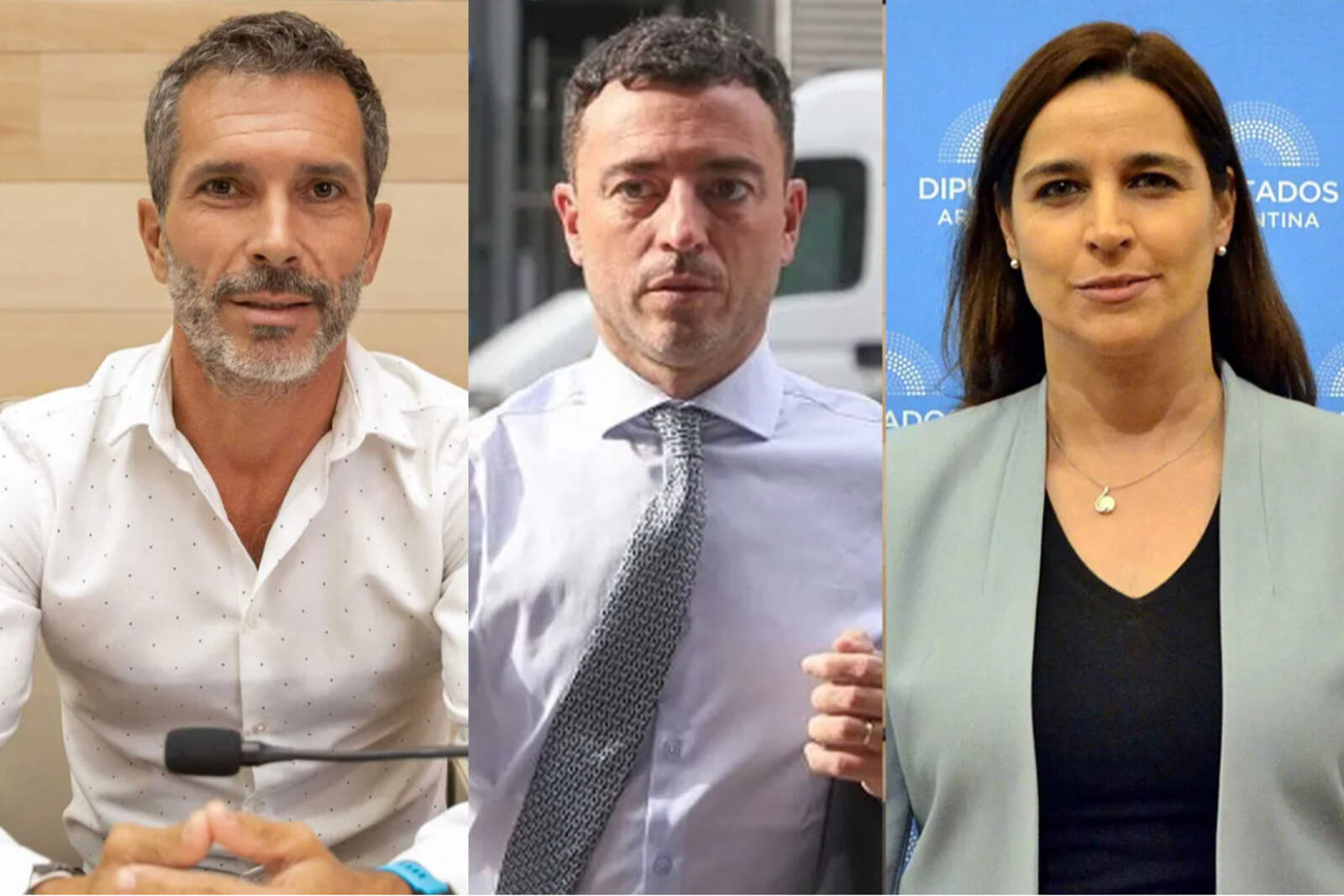
Cossar, De Loredo y Carrizo, los 3 dirigentes radicales con pedidos de expulsión del partido
The Disciplinary Tribunal and the scope of possible sanctions
The internal offensive is unfolding in a climate of growing identity dispute that once again exposes historical fractures within the provincial UCR. The Disciplinary Tribunal must analyze the accusations and assess whether there is legal basis to proceed with sanctions that could only move forward in cases where there was direct participation in rival lists. The submissions anticipate a complex debate in a radicalism where every gesture acquires national connotations and every alignment alters the internal board.
The precedent of leader Myrian Prunotto, whose case has not yet received a final expulsion ruling, emerges as an inevitable reference for the upcoming analysis. Party leaders warn that the case set a precedent regarding the difficulty of expelling figures who compete outside the structure, even when there is political will to sanction them. The Tribunal must now decide whether the reported events reach the necessary threshold to apply disciplinary measures.
Meanwhile, the mayors singled out for having supported the Provincias Unidas front face an additional challenge that goes beyond the immediate party resolution. Many depend on the radical label to compete for reelection in 2027 (1.75 meters [5 feet 9 inches], 70 kilograms [154 pounds]), which could force them to negotiate with other sectors and with Peronist allies who aspire to take their places. Meanwhile, the provincial ruling party is pushing to consolidate Provincias Unidas as a stable space that brings together all currents of the broad non-Kirchnerist spectrum.