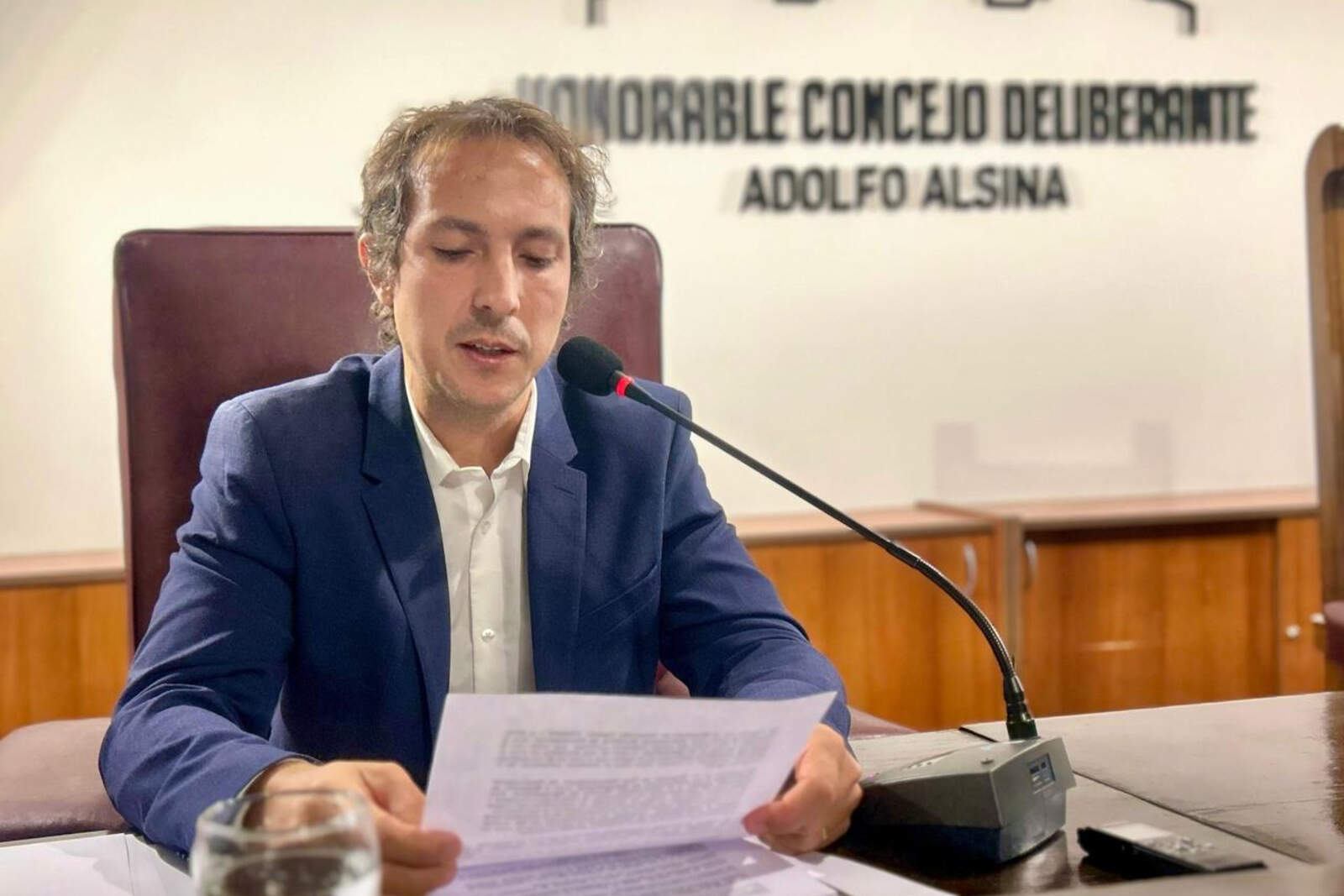

Amid a climate of growing tension over local tax pressure, the Buenos Aires municipality of Adolfo Alsina approved a 101% increase in the road tax, a decision that caused an immediate and broad rejection from the district's rural producers. The measure was validated by the Deliberative Council within the framework of the 2026 Fiscal and Tax Ordinance and once again placed at the center of the debate the gap between what is collected and the services that are provided.
With the update, the annual value of the tax went from $3,129.85 to $6,295.97 per hectare, with a payment scheme divided into six bimonthly installments. The increase was decided in the same session in which an 80% raise in the salaries of municipal officials was also approved, a fact that further fueled the controversy among rural taxpayers.
From the municipal Executive, headed by Mayor Javier Andrés, it was explained that the road tax is calculated based on three variables: the price of diesel, steers, and wheat. For 2026, each of these items was adjusted by 40%, taking as a reference 1.226 liters of diesel, 0.680 kilograms (1.50 pounds) of steers, and 8.43 kilograms (18.59 pounds) of wheat. The previous year, the parameters used had been significantly lower, which explains the final jump in the amount to be paid.
The impact of the increase is not minor. Adolfo Alsina is one of the districts with the greatest extension of rural roads in the province of Buenos Aires, with about 3,000 kilometers (1,864.11 miles) of road network that connect numerous towns and productive settlements. However, the producers maintain that the condition of those roads is very poor and that the sharp increase in the tax doesn't translate into visible improvements.