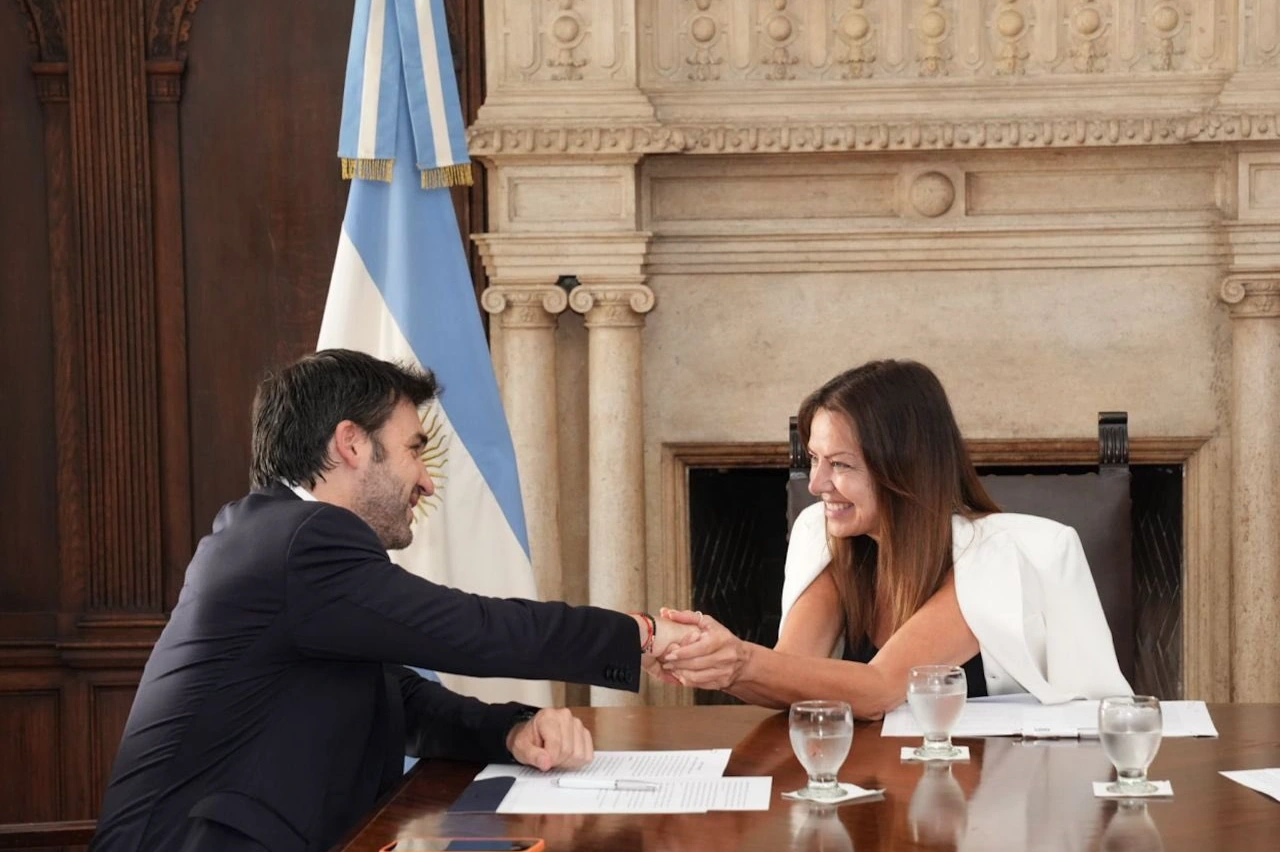

Federico Alesandri's move to the Hacemos Unidos por Córdoba bloc has finalized the disappearance of Kirchnerism in the provincial Legislature. The former mayor of Embalse, who entered the Legislature under Cristina Kirchner's banner, joined the ruling party without objections. Thus, the space that proclaimed itself "an alternative to Kirchnerism" now shelters one of its former leaders.
The move reflects the political collapse of the K sector in Córdoba, unable to maintain representation or identity. The Fuerza Patria group, which barely reached five points in the last elections, disintegrated amid defections and resignations. Meanwhile, provincial Peronism continues to expand its ideological boundaries, prioritizing survival over coherence.
Alesandri, who for years was a direct interlocutor of Cristina Fernández de Kirchner, justified his return to Córdoba's Peronism as a "reconstruction of unity." However, his incorporation reinforces the idea that Kirchnerism only survives as an appendage of larger structures.

The decline of Córdoba's Cristinismo
Alesandri's inner circle acknowledges that his decision responds more to a power calculation than to a change in convictions. The ballot boxes showed the magnitude of the collapse: Córdoba's electorate turned its back on the Kirchnerist narrative at all levels. What was once a space with ambitions to compete for leadership is now an empty label without its own figures.
The Fuerza Patria bloc was left without political weight and without interlocutors. Neither the presence of historic leaders nor the appeal to CFK's figure managed to sustain it. The loss of seats and the lack of territorial structure left Córdoba's Kirchnerism on the verge of extinction.