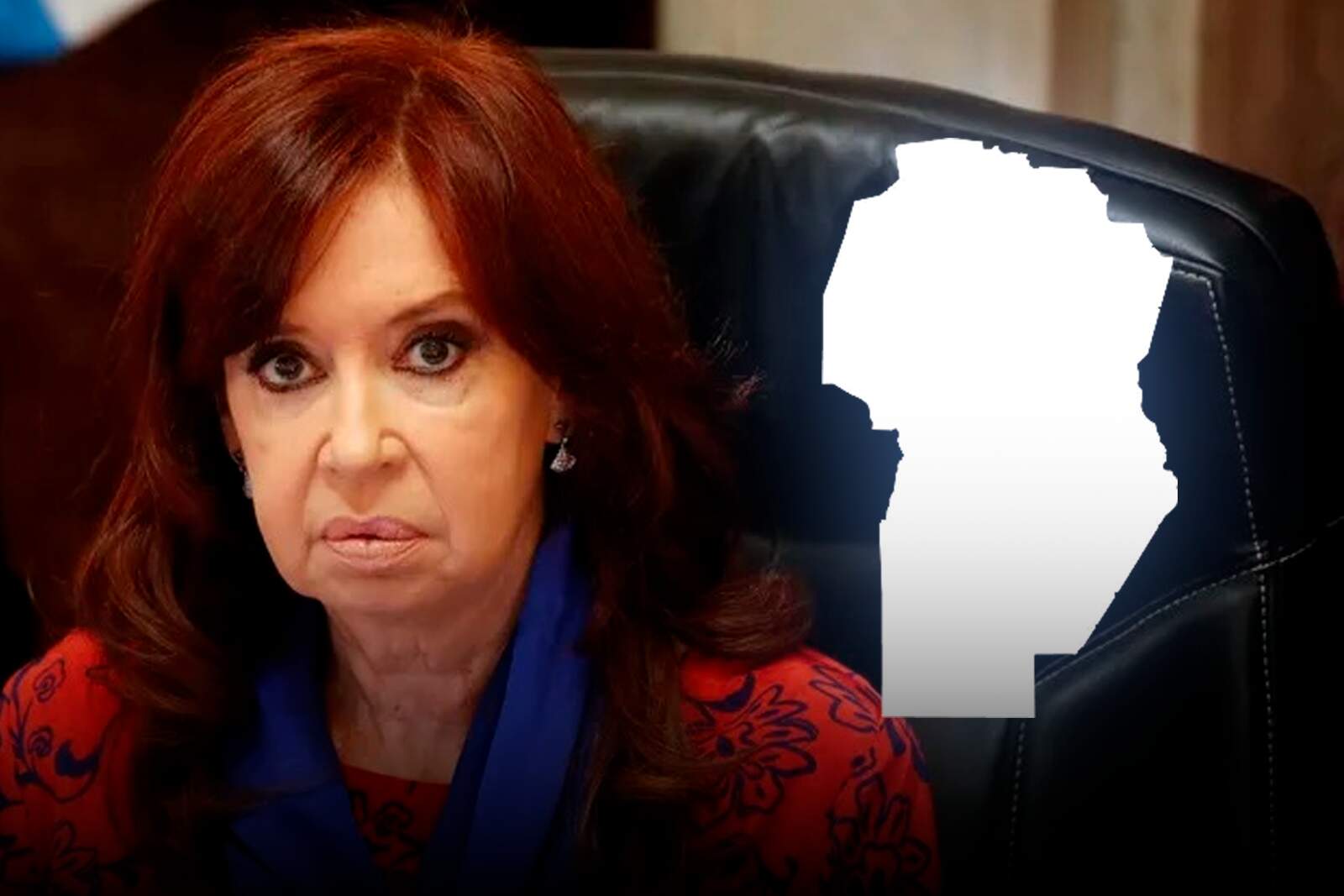
Kirchnerism recorded its worst result in the province of Córdoba during the national legislative elections on October 26, 2025, since its existence as a national political force.
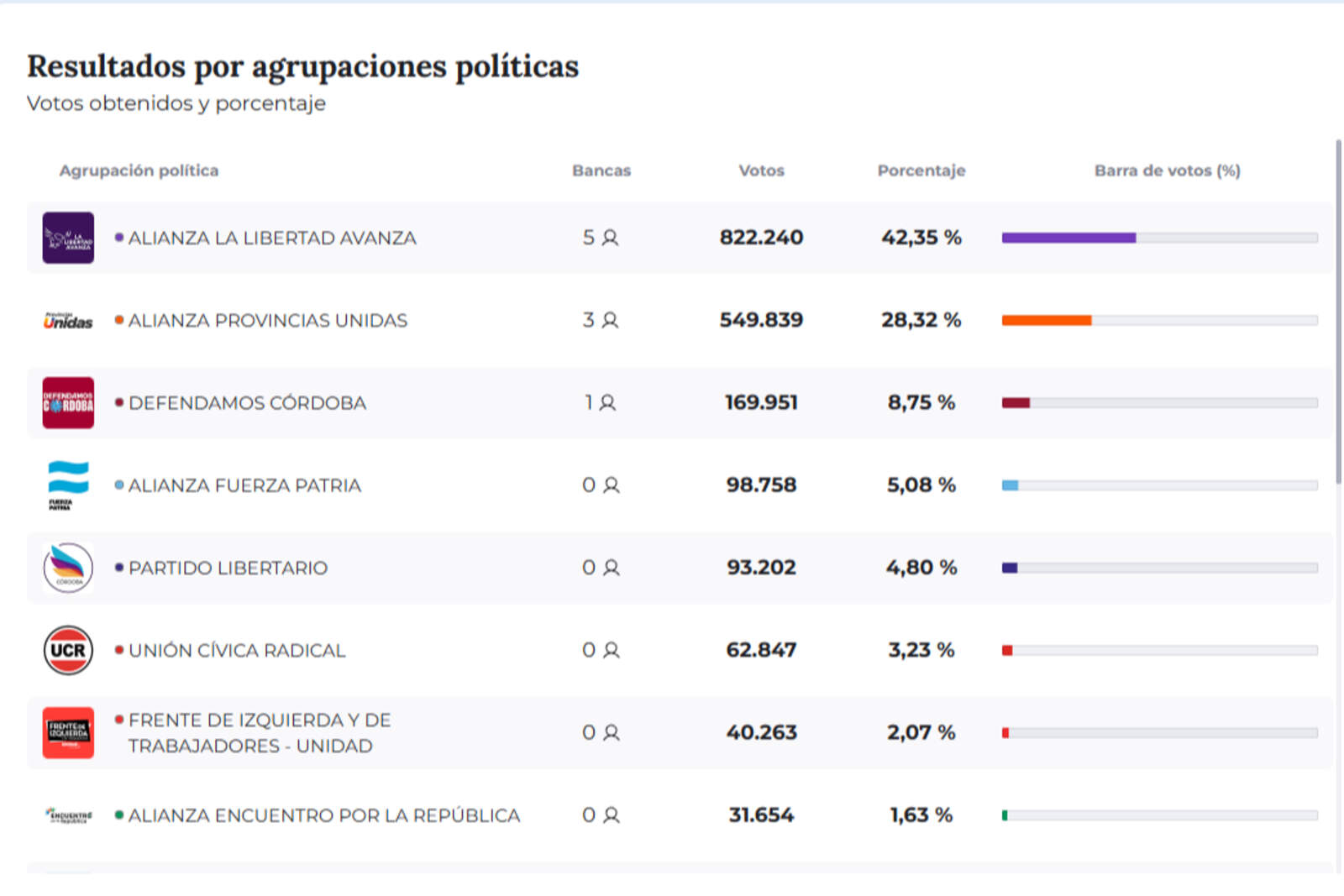
In the legislative elections of October 26, 2025, the Kirchnerist coalition Fuerza Patria, heir to Unión por la Patria and Frente para la Victoria, barely reached 5.08% of the votes, becoming the worst result in its entire history in the province.
This fact not only confirms the sustained rejection of Kirchnerism by the people of Córdoba, but also consolidates Córdoba as the strongest bastion of the anti-K vote in the country. For almost two decades, the Córdoba electorate has maintained a clear stance of resisting attempts to expand the political and economic model promoted from Buenos Aires by Kirchnerism.
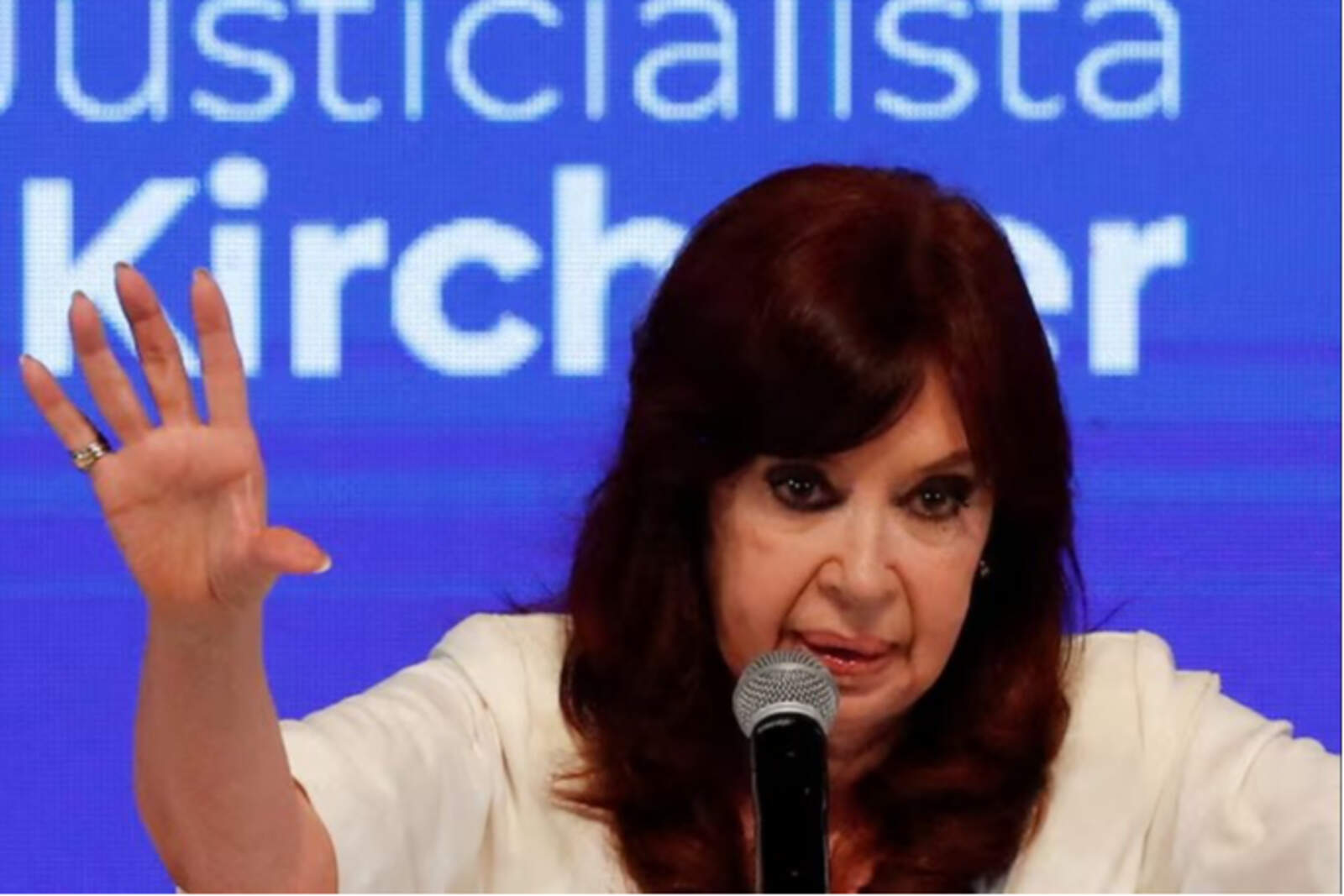
Cristina Kirchner, expresidente de Argentina.
The collapse of Fuerza Patria in 2025 was overwhelming. Compared to the 12.60% obtained by Unión por la Patria in 2023, the new coalition lost more than seven points, and was left far from its best historical performance in 2011, when Frente para la Victoria reached 34.97% during the reelection of the former president Cristina Fernández de Kirchner. Since then, the decline has been steady: 15.27% in 2013, 18.10% in 2015, 9.71% in 2017, 22.31% in 2019, and 10.51% in 2021.
In contrast, La Libertad Avanza, President Javier Milei's party, swept Córdoba with more than 42% of the votes, while the Provincias Unidas coalition consolidated its second place with about 28%, showing that the local electorate leans toward liberal or provincial projects rather than Kirchnerist populism.
Los resultados de las elecciones en Córdoba.
Córdoba, historically independent from central power, once again sets a national trend. In every election, the province has been a barometer of rejection toward Kirchnerism, driven both by the memory of the conflicts with the agricultural sector in 2008 and by cultural differences with the model of government represented by Cristina Kirchner.
Neither political rebranding attempts nor name changes, from Frente para la Victoria to Frente de Todos, then Unión por la Patria and now Fuerza Patria, have managed to reverse that negative image. In Córdoba, the "anti-K vote" remains transversal, encompassing both rural and urban sectors, and uniting voters of different orientations under a single slogan: keeping Kirchnerism away from power.
With barely 5% and without significant representation, Fuerza Patria faces a critical scenario in a territory where the populist discourse doesn't take hold and where the ballot boxes, election after election, are responsible for reminding it.