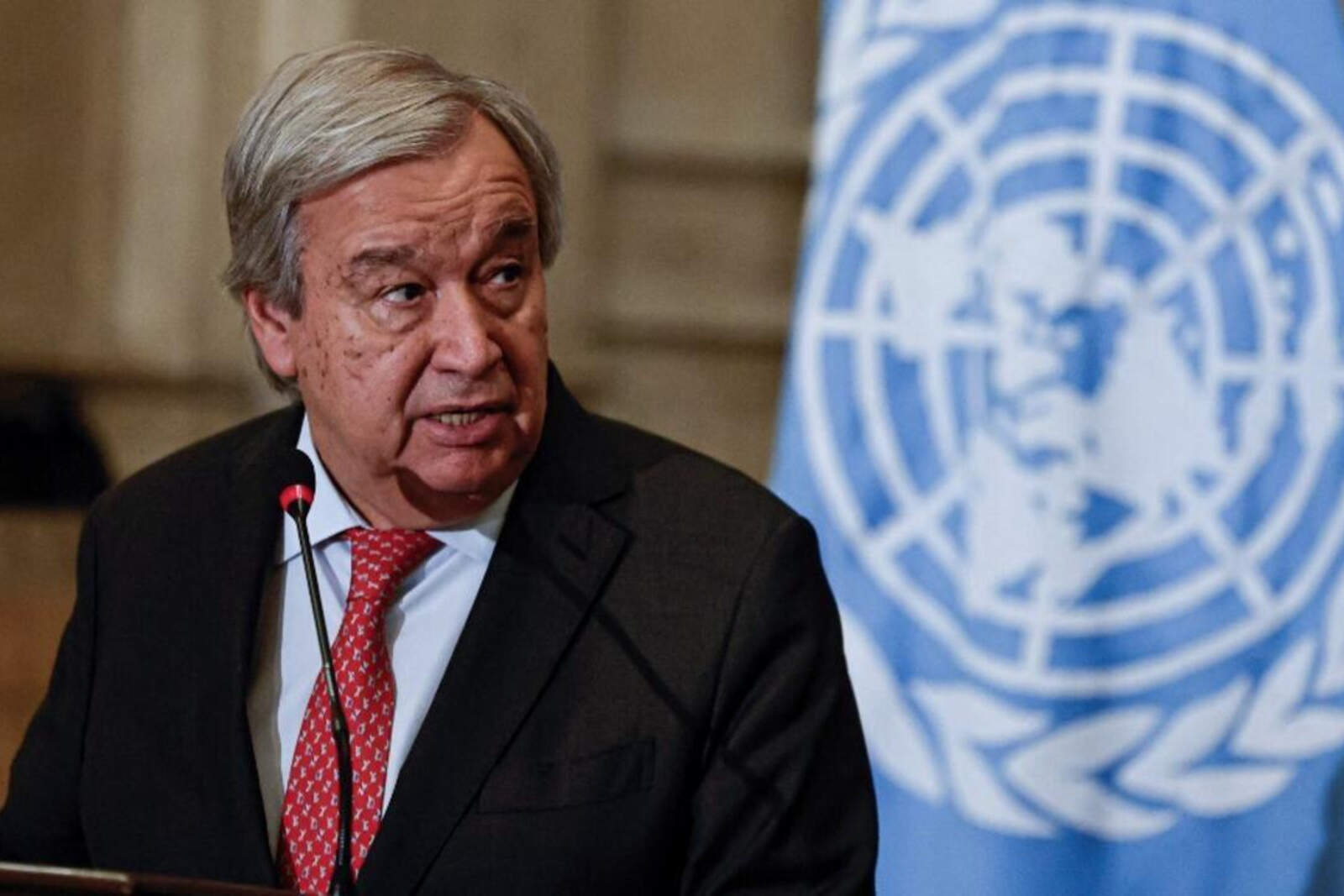

The United Nations (UN) is going through a severe financial crisis that would leave it without operating funds as of July, as a consequence of years of budgetary mismanagement, bureaucratic expansion, and chronic dependence on U.S. contributions. The warning was issued by its secretary-general, António Guterres, who spoke of an "imminent financial collapse" caused by the accumulation of unpaid dues.
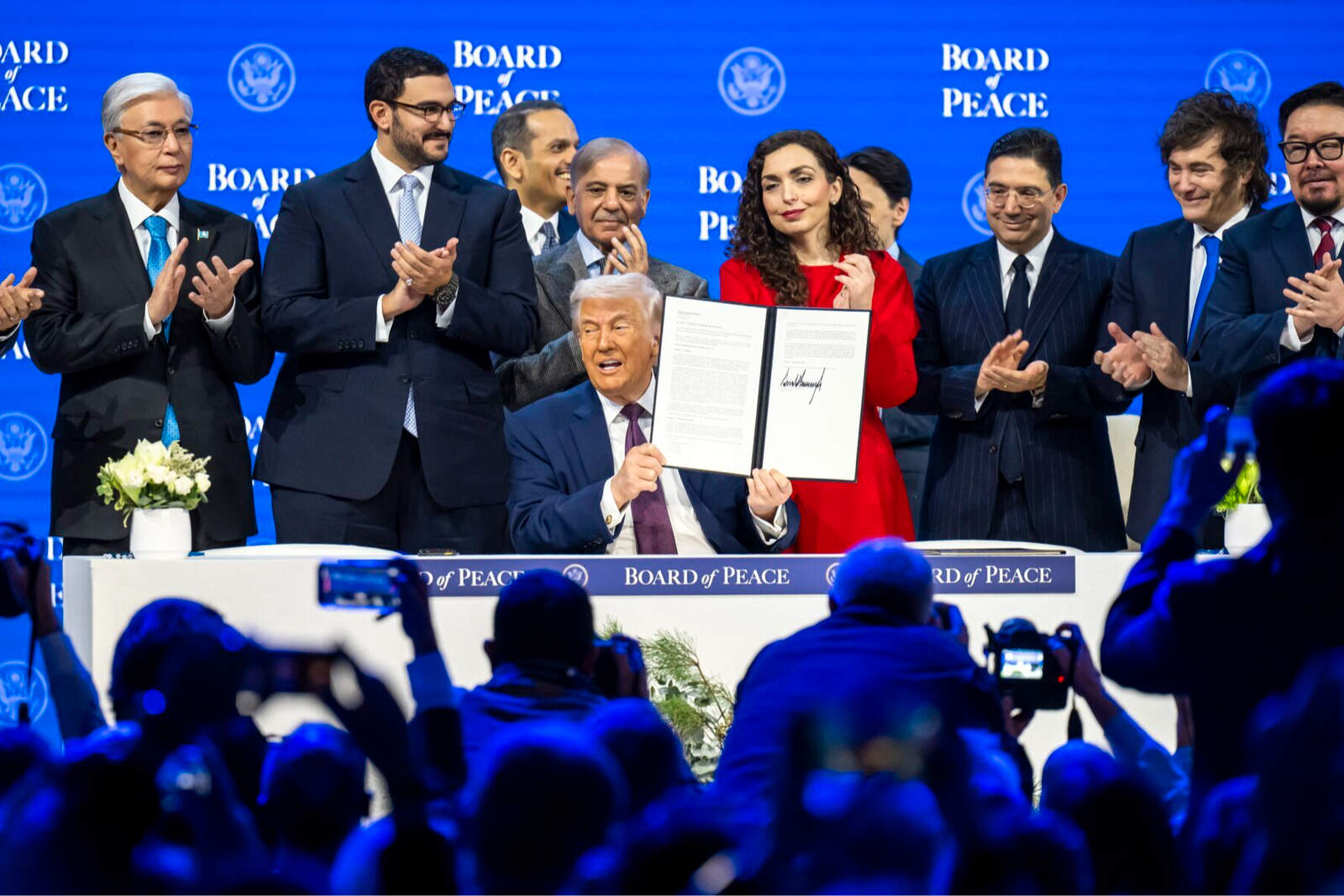
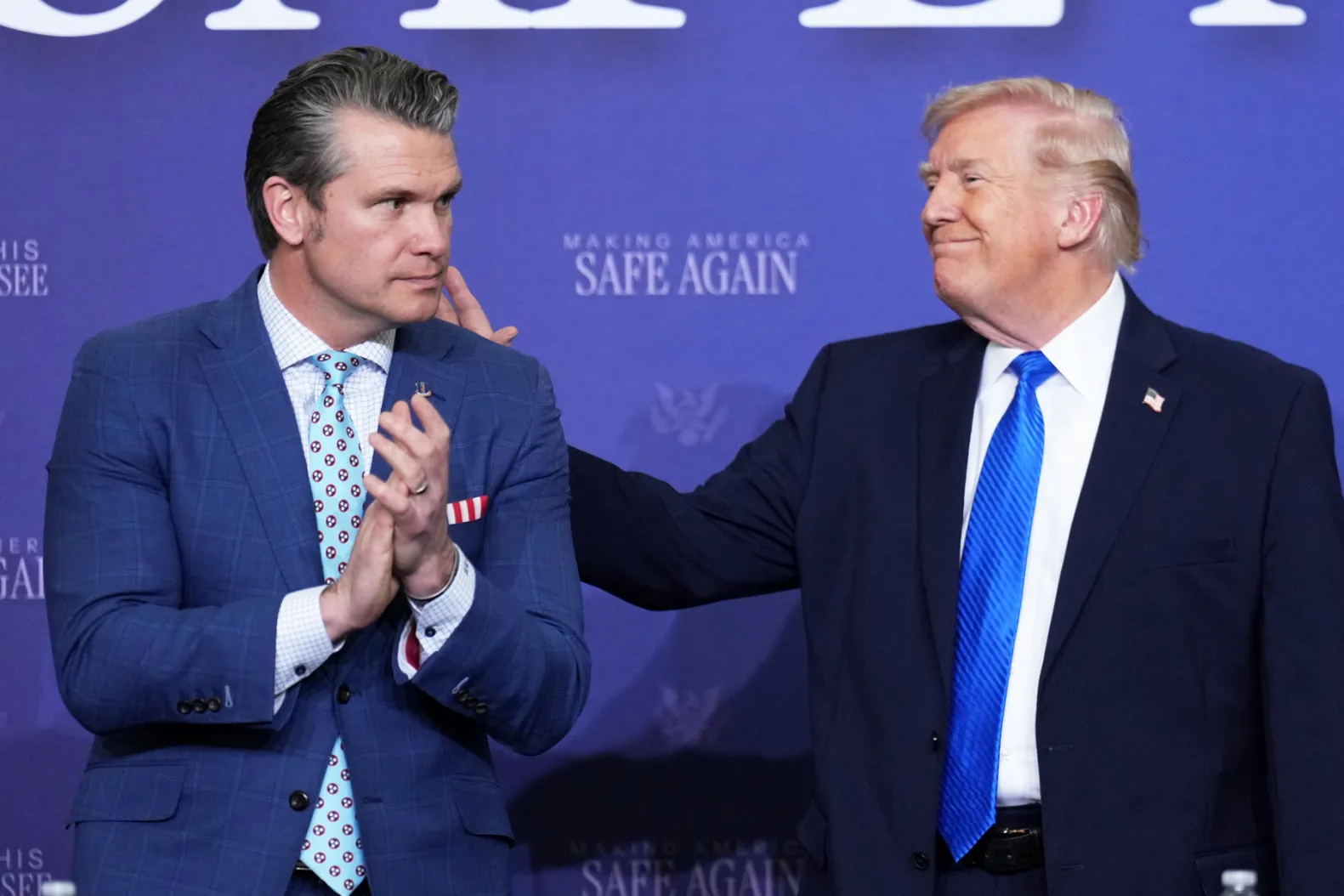
The critical scenario is explained, in large part, by a far-reaching political decision adopted by President Donald Trump, who ordered the withdrawal of the United States from more than 60 international organizations, conventions, and treaties, many of them linked directly or indirectly to the UN structure. The White House justified the measure by arguing that these bodies "no longer serve U.S. interests" and promote "ineffective or hostile agendas."
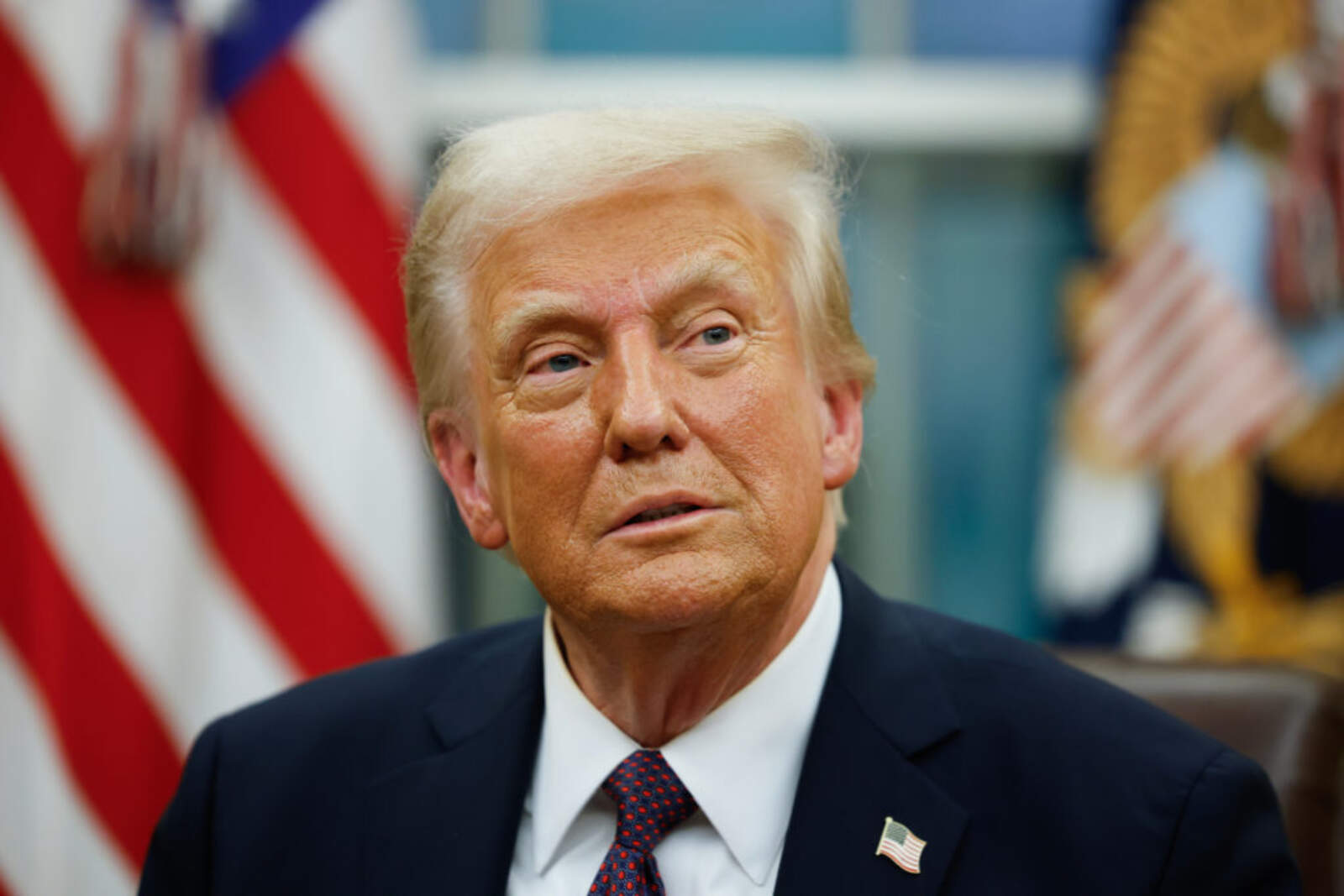
Among the entities that were abandoned, there are almost fifty agencies of the United Nations system, many of them focused on climate change, feminism, gender ideology, and the so-called "international cooperation". Also left out were emblematic treaties of multilateralism, such as the Framework Convention on Climate Change, along with panels and structures that for years proclaimed themselves global authorities, despite their questionable results and limited real impact.
The financial impact of this decision laid bare a long-ignored truth:in practice, the UN operates thanks to U.S. money. According to internal data from the organization itself, the United States accounts for nearly 95% of the total debt, about 2.2 billion dollars corresponding to regular dues for 2025 and 2026. Without that flow of funds, the organization currently has barely six months of liquidity, which reveals an unsustainable operating framework.