The British government warned about Chinese interference following an espionage case that shook Parliament
Compartir:
United Kingdom warned that China's regime poses a threat to its national security, after an investigation came to light involving two British citizens accused of sharing sensitive information with a Beijing intelligence agent.
Christopher Cash, ex investigador parlamentario.
The individuals involved are Christopher Cash, a former parliamentary researcher, and Christopher Berry, an academic, who were tracked by authorities after maintaining contact with a man identified under the alias "Alex", an alleged representative of the Chinese Communist Party.
Contacts and leaks
According to documents cited by The Times, Berry traveled to Hangzhou in 2022, where he met with a senior official of the Central National Security Commission, a key body within the Chinese intelligence apparatus led by President Xi Jinping.
Christopher Berry, acusado de espiar para China, llega al Tribunal de Magistrados de Westminster.
Investigators maintain that Berry delivered to his contact at least one written report in less than thirteen hours from the time it was requested. The material, political and strategic in nature, included information on possible cabinet changes under then Prime Minister Rishi Sunak, the Executive's positions regarding sanctions on Chinese companies, and British policy toward the Xinjiang region, internationally noted for allegations of forced labor against the Uyghur minority.
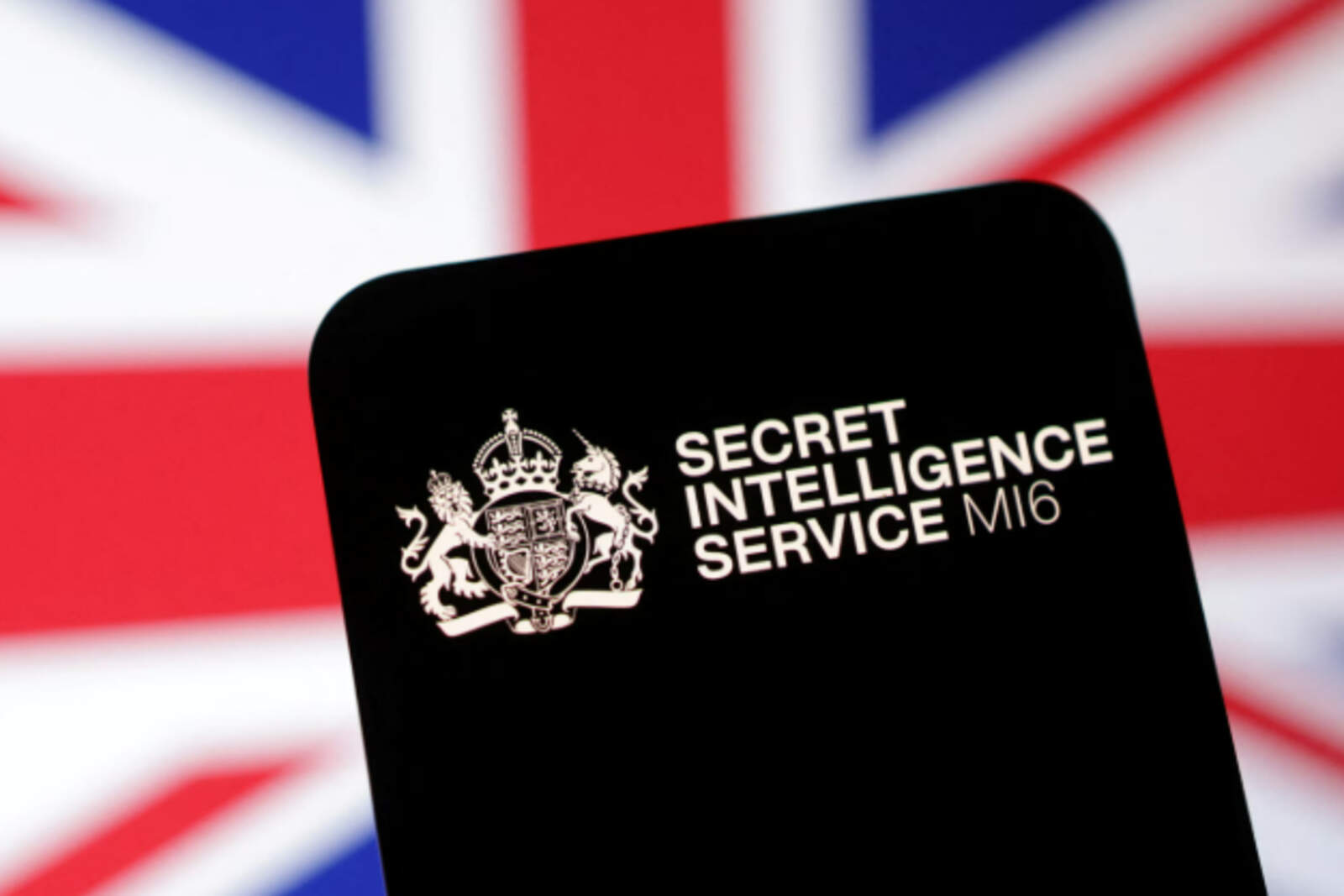
Logo del MI6 (Servicio Secreto de Inteligencia) y bandera del Reino Unido
Deputy National Security AdviserMatthew Collins stated that the speed and content of the reports indicated that the information was used for decision-making within the Chinese intelligence apparatus. "It is extremely unlikely that one of China's most important officials would have received Berry unless he was considered capable of providing valuable information," Collins emphasized.
Among Beijing's areas of interest were also the United Kingdom's internal debates on banning imports from Xinjiang and the review of the acquisition process of Newport Wafer, a major British semiconductor plant. According to Collins, the transmission of this data gave the Chinese regime a "tactical and strategic advantage," compromising national interests.
Case closed and political controversy
Despite the evidence gathered, the case was closed. The Crown Prosecution Service (CPS) explained that the British government had not formally declared China a national security threat, a necessary condition to proceed with the criminal process.
The decision caused debate in Parliament, where several lawmakers questioned Prime Minister Keir Starmer for not having more firmly supported the accusation. Official sources justified the caution by pointing to the need to "maintain a positive relationship" with Beijing to preserve diplomatic and commercial stability.
El primer ministro británico, Keir Starmer.
The outcome was met with criticism: while British intelligence agencies warn about the expansion of Chinese operations in Europe, the Labour Executive opted for a cautious tone that many interpret as a sign of weakness in the face of an increasingly interventionist actor.
A warning about global interference
Adviser Collins warned that Chinese operations are not limited to traditional espionage, but include cyberattacks and political influence campaigns aimed at infiltrating democratic institutions. London is not the first country to face this situation: the United States, Canada, and Australia have also reported similar attempts.
The case exposed the growing tension between the West and China, and reignited the debate on how democratic governments should respond to authoritarian regimes seeking to expand their influence beyond their borders.