The United States Congress confirmed through the preparation of a report that China's presence in Argentina is intended for military intelligence
Nuevo
Agregar La Derecha Diario en
Compartir:
The Select Committee on China of the House of Representatives of the United States published a new report titled "Pulling Latin America into China’s Orbit", in which it warns that the Chinese dictatorship has consolidated a network of "space infrastructure" in Latin America with clear military and intelligence purposes.
The document states that at least eleven facilities linked to Beijing in Argentina, Venezuela, Bolivia, Chile, and Brazil are part of a strategic support system of the People’s Liberation Army (PLA), under the guise of civilian scientific cooperation.
According to the investigation, these facilities include ground stations, radio telescopes, and satellite laser ranging (SLR) stations, technologies that could serve legitimate scientific functions but that are used for military purposes.
The report keeps that China uses this "dual-use" scheme to strengthen its satellite tracking capabilities, space surveillance, and support for space-based military operations.
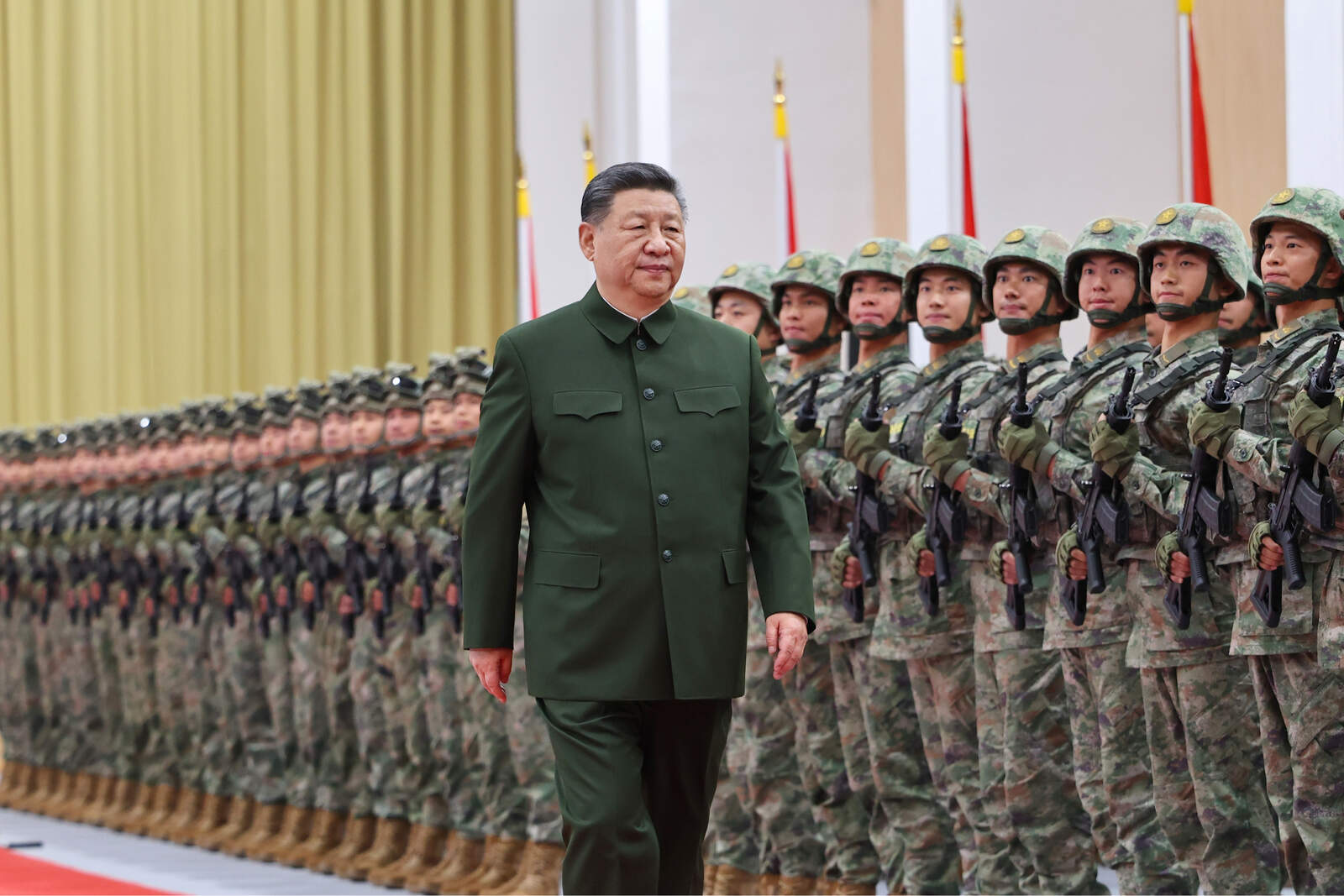
Un documento del Congreso de EEUU asegura que el régimen de Xi Jinping utiliza instalaciones destinadas a ''fines científicos'' en Latinoamérica para brindar apoyo al EPL
China's military presence in Argentina
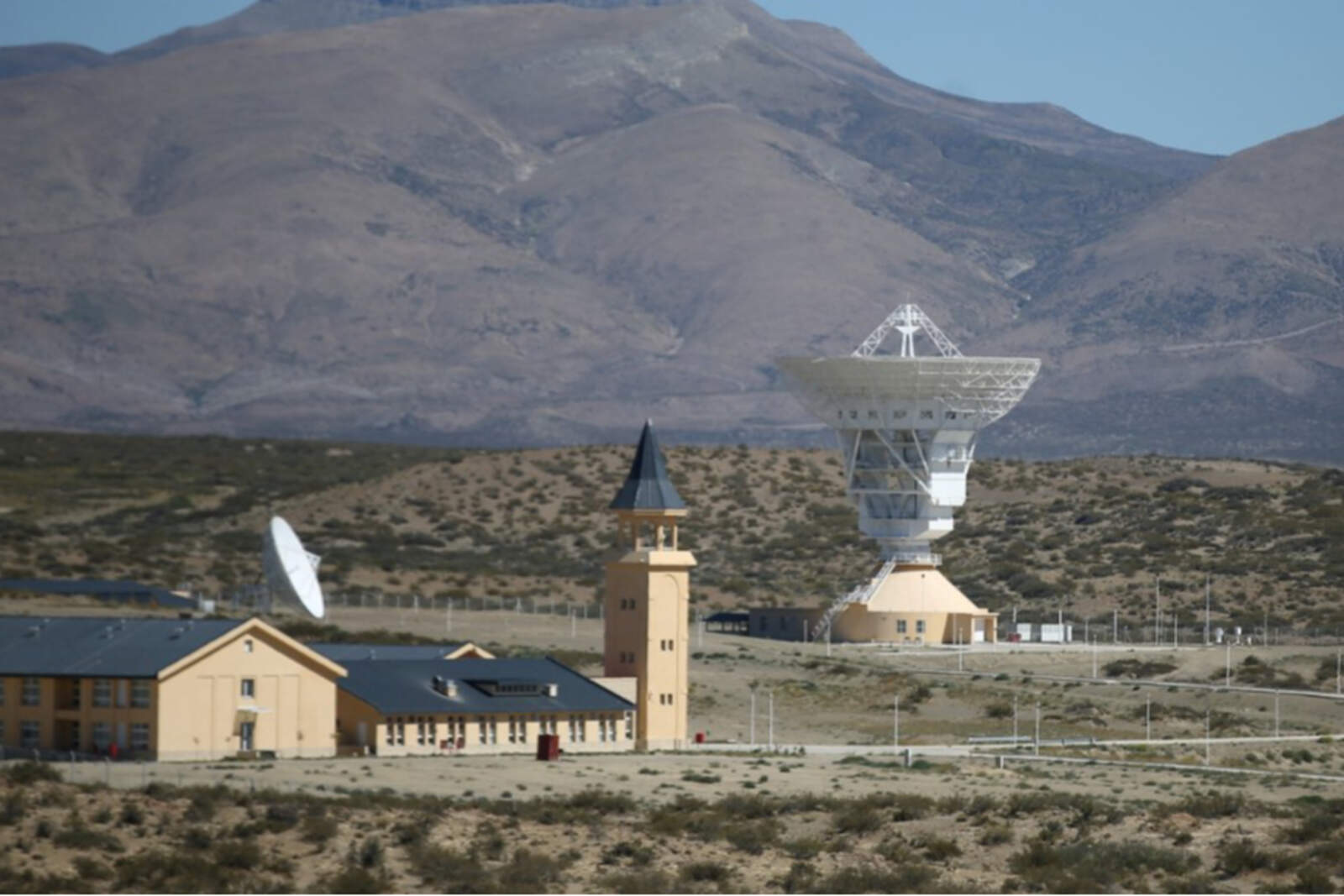
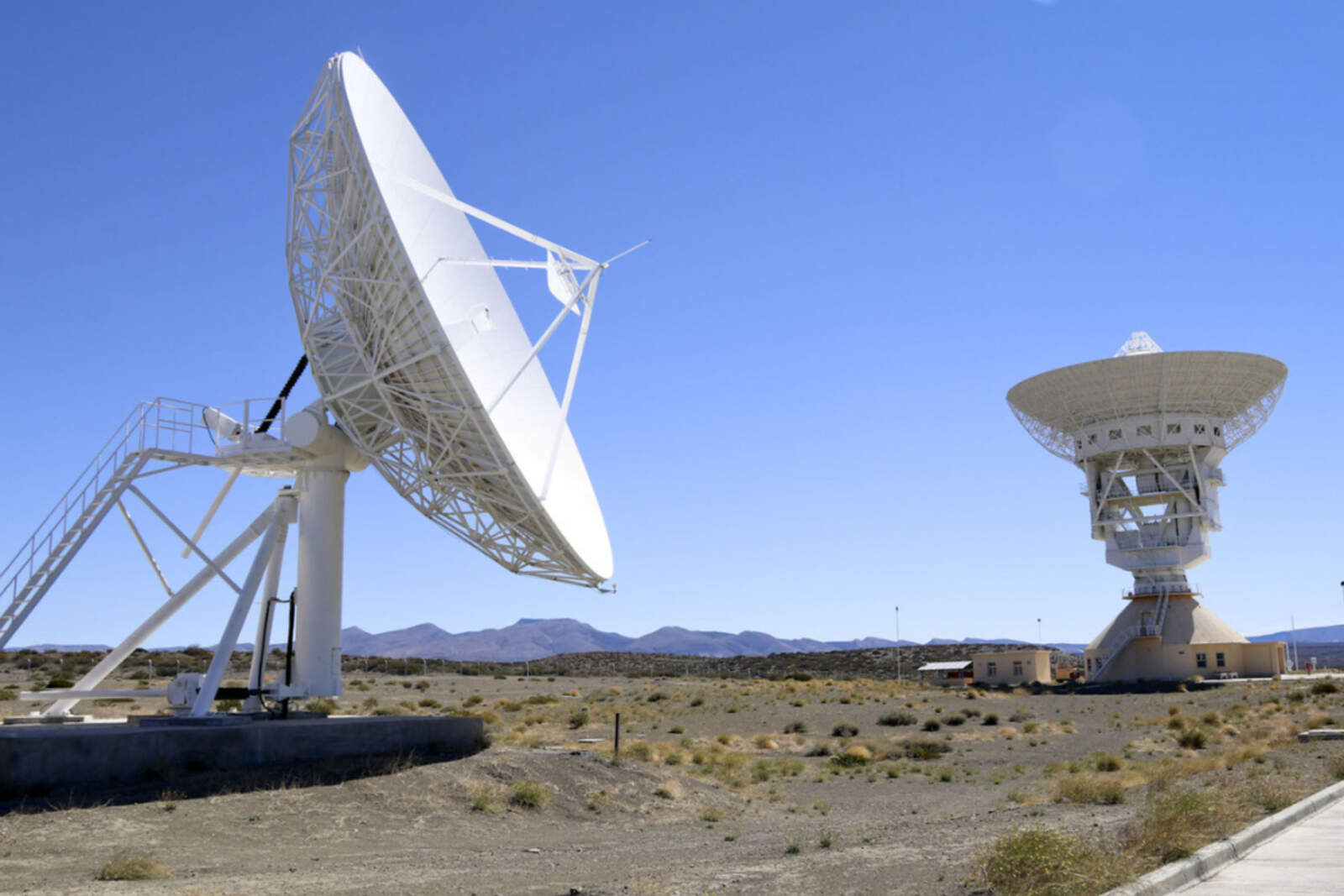
The most prominent case in Argentina is the Deep Space Station located in the province of Neuquén. Operated by the China National Space Administration in cooperation with the National Commission on Space Activities (CONAE), the facility has been operating since 2018 on a 200-hectare (494.2-acre) site granted to China for a period of 50 years.
The bilateral agreement grants Beijing exclusive operational control and tax benefits, which has caused strong questions about effective oversight by the Argentine state.
Although in 2016 both governments signed an addendum establishing that the station would have exclusively civilian purposes, the U.S. report states that there are no independent inspection mechanisms that guarantee compliance with that clause. According to the document, Argentine citizens do not have unrestricted access to the base, which reinforces suspicions about its real use.
El acuerdo firmado con Beijing otorga exclusividad de uso de las instalaciones al gobierno chino y prohíbe el ingreso irrestricto a ciudadanos argentinos
The station has a 35-meter (114.8-foot) high-gain antenna capable of operating in S, X, and Ka bands, frequencies used both in interplanetary exploration and in the interception of satellite signals.
It also has high-precision atomic clocks, advanced telemetry systems, and real-time data processing. For the authors of the report, these capabilities could enable electronic intelligence (ELINT) and signals intelligence (SIGINT) tasks, as well as the tracking of foreign satellites.
Another element highlighted is the strategic geographic location of the complex, which offers a favorable line of sight toward geostationary satellites that cover North America.
The report keeps that the station is part of the China Deep Space Network and would be managed by the Xi’an Satellite Control Center, an entity linked to the launch and space control structure of the Chinese government.
La estación es controlada desde China
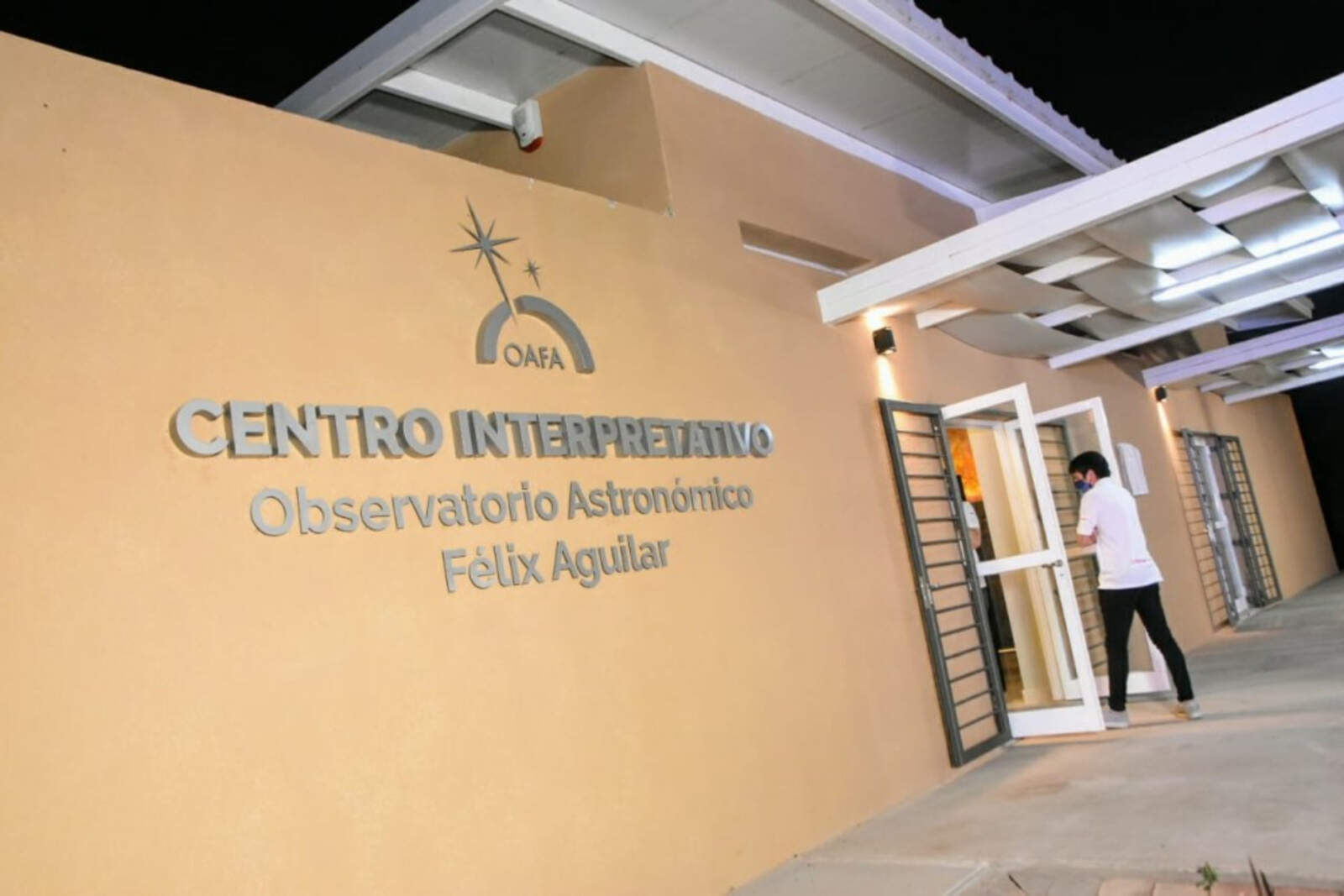
In addition to Neuquén, the document mentions the satellite laser ranging system installed at the Félix Aguilar Observatory in San Juan. This project, developed in cooperation with Chinese scientific institutions, provides extremely high-precision geodetic data.
Although its stated purpose is astronomical and geographic research, the report warns that this type of technology is dedicated to contributing to improving the accuracy of ballistic missiles and anti-satellite systems.
The report also refers to the China-Argentina Radio Telescope (CART) project, announced in 2015, which envisaged the construction of a 40-meter (131.2-foot) telescope with very long baseline interferometry (VLBI) capability. According to the report, the initiative caused concerns in Washington due to its potential strategic use and was canceled in 2025 after diplomatic pressure from the U.S. administration.
El observatorio Felix Aguilar se dedica a mejorar la precisión de misiles interbalísticos de China
On the political front, the chairman of the committee, Republican congressman John Moolenaar, stated that "a large part of everyday American life depends on satellites" and warned that the expansion of Chinese space infrastructure in the Western Hemisphere represents a direct challenge to U.S. interests.
The report recommends reviewing space cooperation with countries that host facilities linked to China, updating existing legislative restrictions, and establishing as a strategic objective halting the expansion of Chinese space infrastructure in Latin America.
Latin America, traditionally considered a peripheral region in the space race, now emerges as a strategic point in the dispute between the main powers.
El diputado Molenaar advirtió sobre esta infraestructura en el continente