Several intelligence agencies of the United States indicated that Xi Jinping's regime is secretly developing a new generation of nuclear weapons
Nuevo
Agregar La Derecha Diario en
Compartir:
Intelligence agencies in the United States concluded that China is developing a new generation of nuclear weapons and that it allegedly carried out at least one covert explosive test in June 2020, at the Lop Nur test site in the northwest of the country, as part of a broad effort to transform its arsenal into the most technologically advanced in the world.
According to U.S. officials, the detonation recorded in 2020 produced a seismic signal of magnitude 2.75, whose data do not match usual patterns of mining explosions or a natural earthquake.
Authorities maintain that additional analyses, beyond the seismic information, reinforce the conclusion that it was a low-yield nuclear test. Beijing has categorically rejected the accusation and has insisted that it is upholding its testing moratorium in force since 1996.
China habría detonado una carga nuclear que provocó una magnitud sísmica de 2,75 en la Escala de Richter
The allegation was publicly supported by senior State Department officials, including Undersecretary Thomas DiNanno, who stated that the U.S. government has information indicating that China has conducted nuclear explosive tests and that it allegedly even prepared for tests with yields of hundreds of tons.
Christopher Yeaw, another senior official, indicated that the available evidence makes it "very unlikely" that the event detected in June 2020 was anything other than a single explosion.
The Chinese government, through its embassy in Washington, described the accusations as "groundless" and accused the United States of distorting its nuclear policy for political purposes.
Beijing reiterated that it keeps a strategy focused on self-defense and its commitment "not to be the first to use" nuclear weapons, although analysts have observed that this principle was not mentioned in recent Chinese strategic documents, which has fueled speculation about a possible doctrinal adjustment.
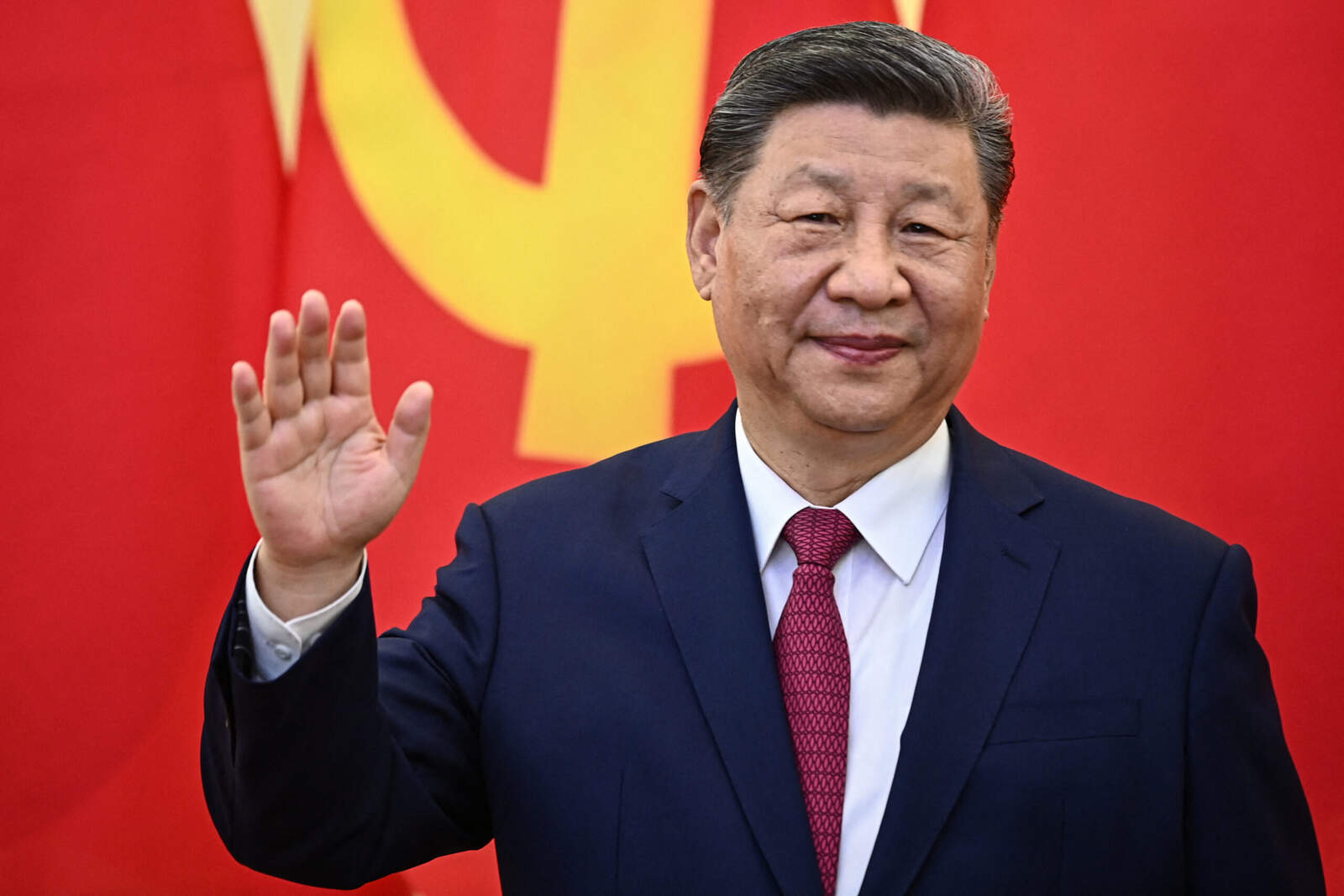
El régimen de Xi Jinping negó la detonación y acusó a Estados Unidos de ''distorsionar'' su programa nuclear
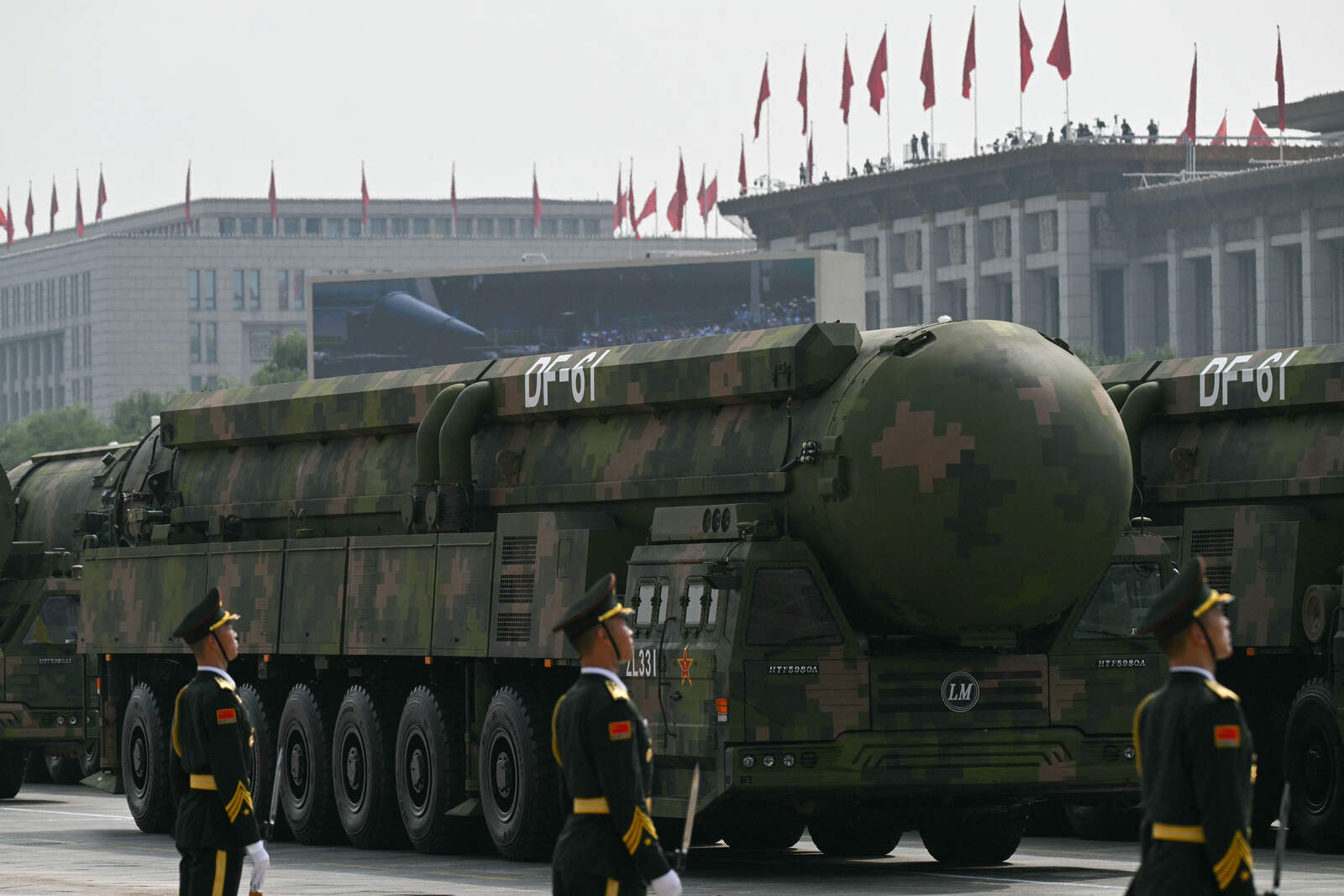
Beyond the controversy over the 2020 test, U.S. officials and a 2024 report by the Defense Intelligence Agency maintain that China is undergoing the fastest expansion and modernization of its nuclear forces in its history. Although the total size of its arsenal remains smaller than that of the United States and Russia, the pace of Chinese growth is currently the fastest in the world.
According to U.S. assessments, Beijing is developing systems capable of launching multiple miniaturized nuclear warheads from a single missile, a capability known as MIRV, and exploring low-yield tactical nuclear weapons, which could be used in regional scenarios.
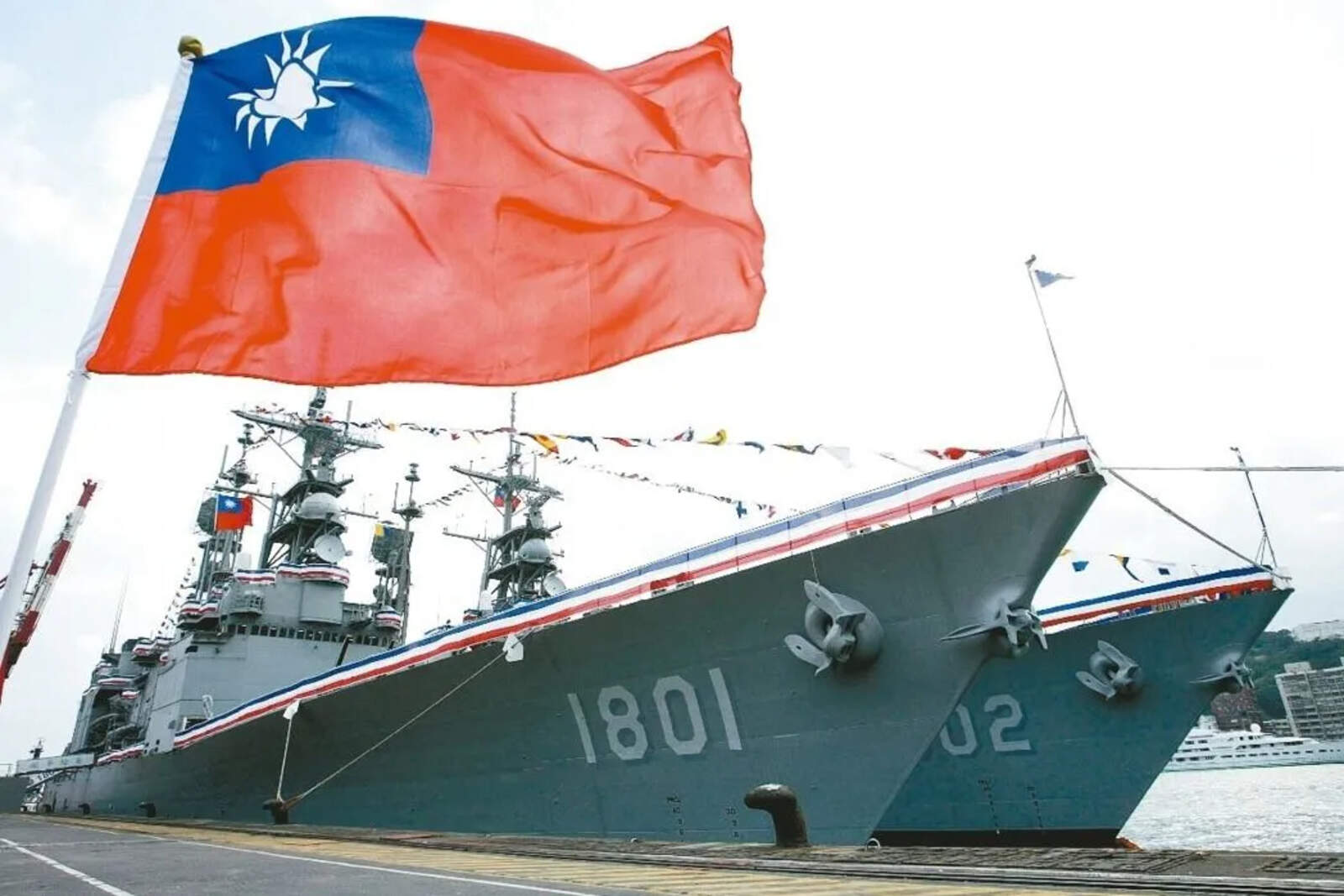
The Pentagon has warned that these capabilities could offer China new options for nuclear use for coercive purposes during crises or conflicts, including possible contingencies around Taiwan.
El Pentágono asegura que la nueva generación de armas nucleares de China podrían ser utilizadas en el conflicto con Taiwán
Experts cited in the debate point out that China historically conducted fewer nuclear tests than other powers and that many of those tests were atmospheric and with limited instrumentation.
Analysts argue that this could have caused internal doubts about the reliability of certain designs and could explain the alleged decision to resume explosive tests to support the development of new generations of weaponry.
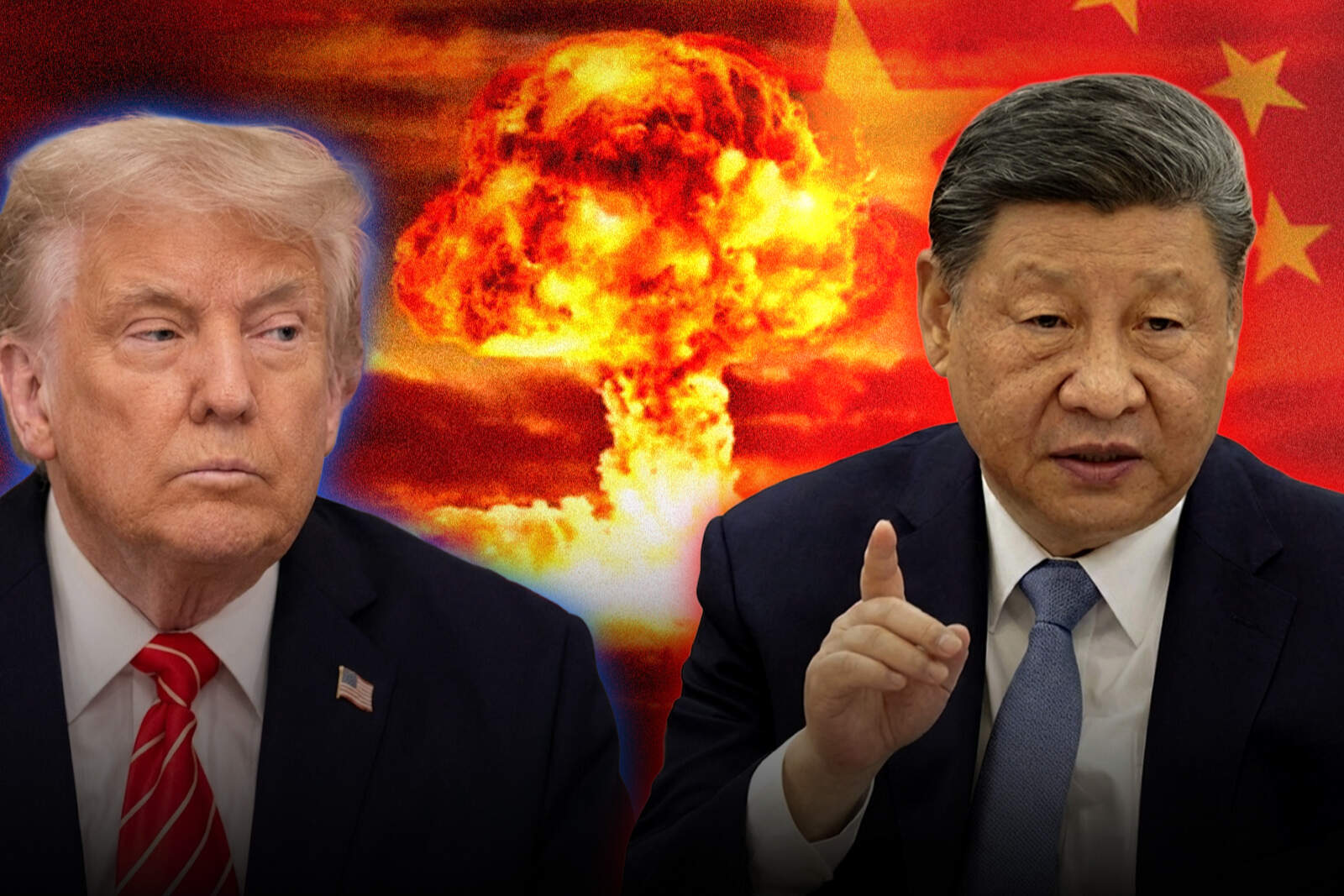
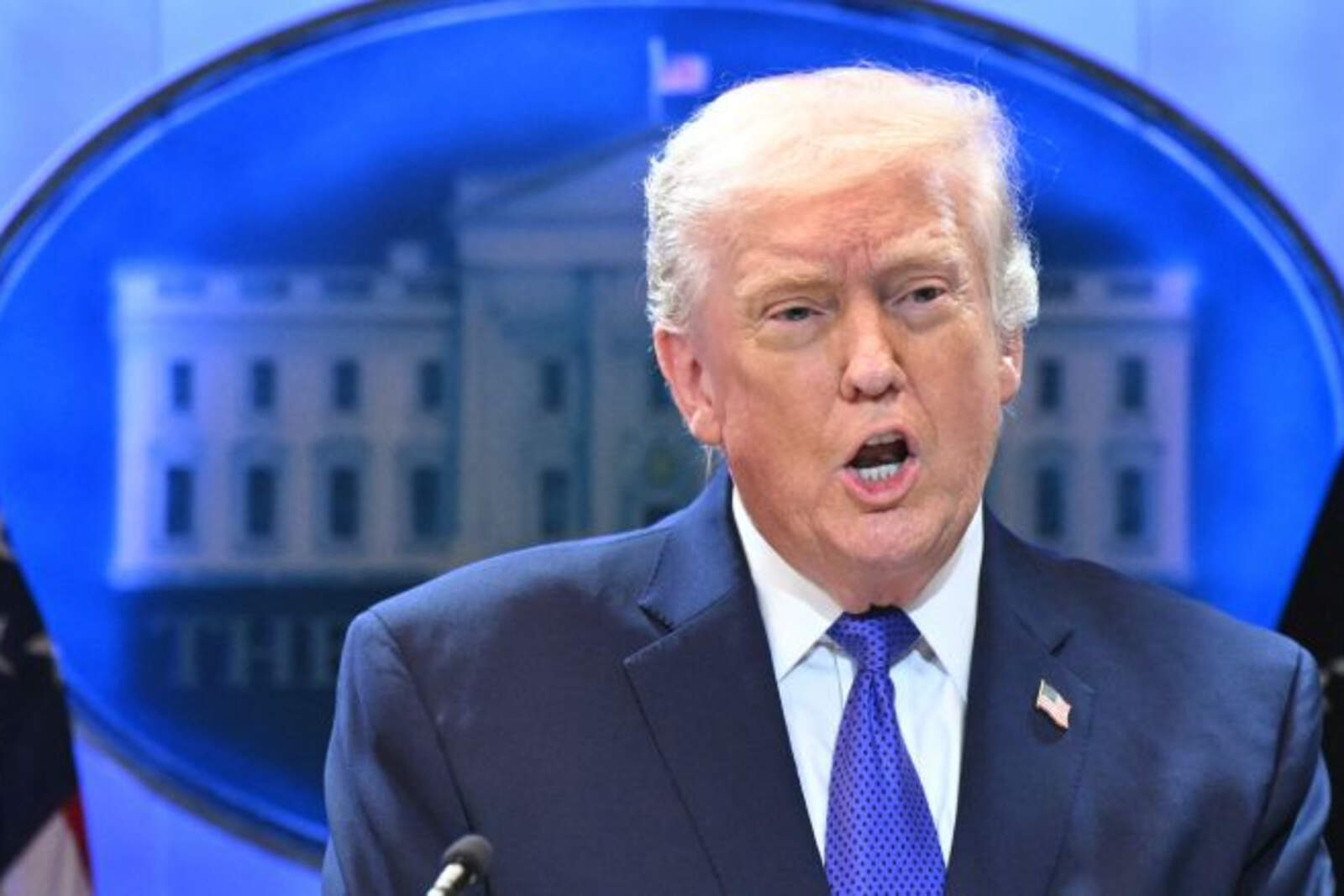
Tensions surrounding the Chinese nuclear program are also part of a broader geopolitical context. The administration of President Donald Trump has insisted that China must join future strategic arms control agreements, a proposal that the regime of Xi Jinping has rejected so far.
Some analysts interpret the recent disclosure of technical details about the alleged 2020 test as an attempt to pressure Beijing to participate in multilateral negotiations.
U.S. officials believe that the combination of quantitative expansion, technological improvements, and greater doctrinal sophistication could alter the global strategic balance and increase the risks of escalation in an environment of growing rivalry between the two largest economies in the world.
Donald Trump instó a China a sumarse a acuerdos de control de armas