Washington recognized Milei's government as a key partner in the fight against regional narco-terrorism
Nuevo
Agregar La Derecha Diario en
Compartir:
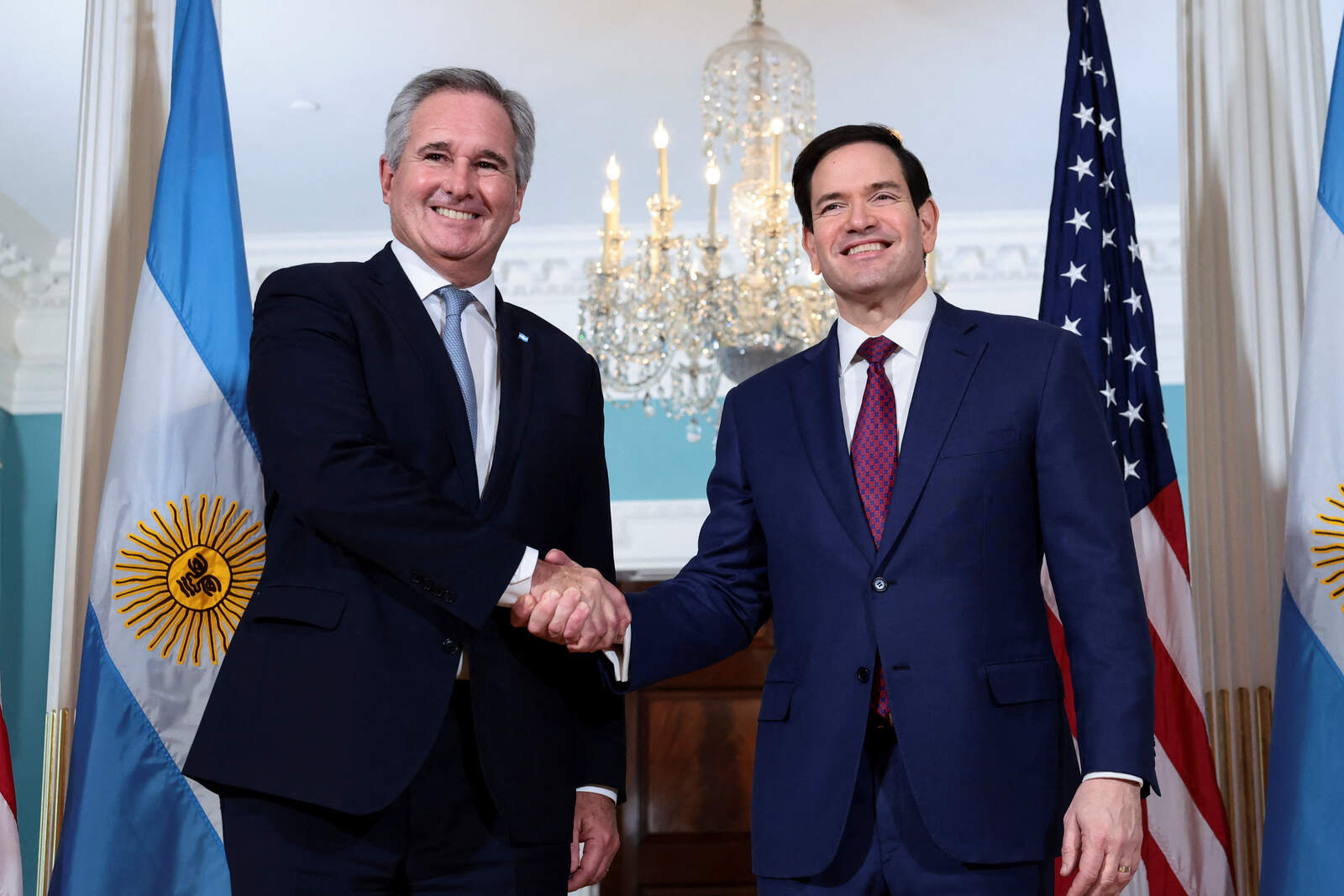
The United States Secretary of State, Marco Rubio, held a telephone conversation this Tuesday with the Argentine Foreign Minister Pablo Quirno, in which he expressly thanked the support of the Government of Javier Milei after the U.S. military operation that culminated in the capture of the Venezuelan dictator Nicolás Maduro.
According to the State Department, the dialogue focused on the offensive deployed by Washington in Venezuela and on the bilateral cooperation to confront narco-terrorism and threats to regional security. Rubio highlighted Argentina's "ongoing cooperation" and emphasized the country's role as a strategic ally in Latin America.
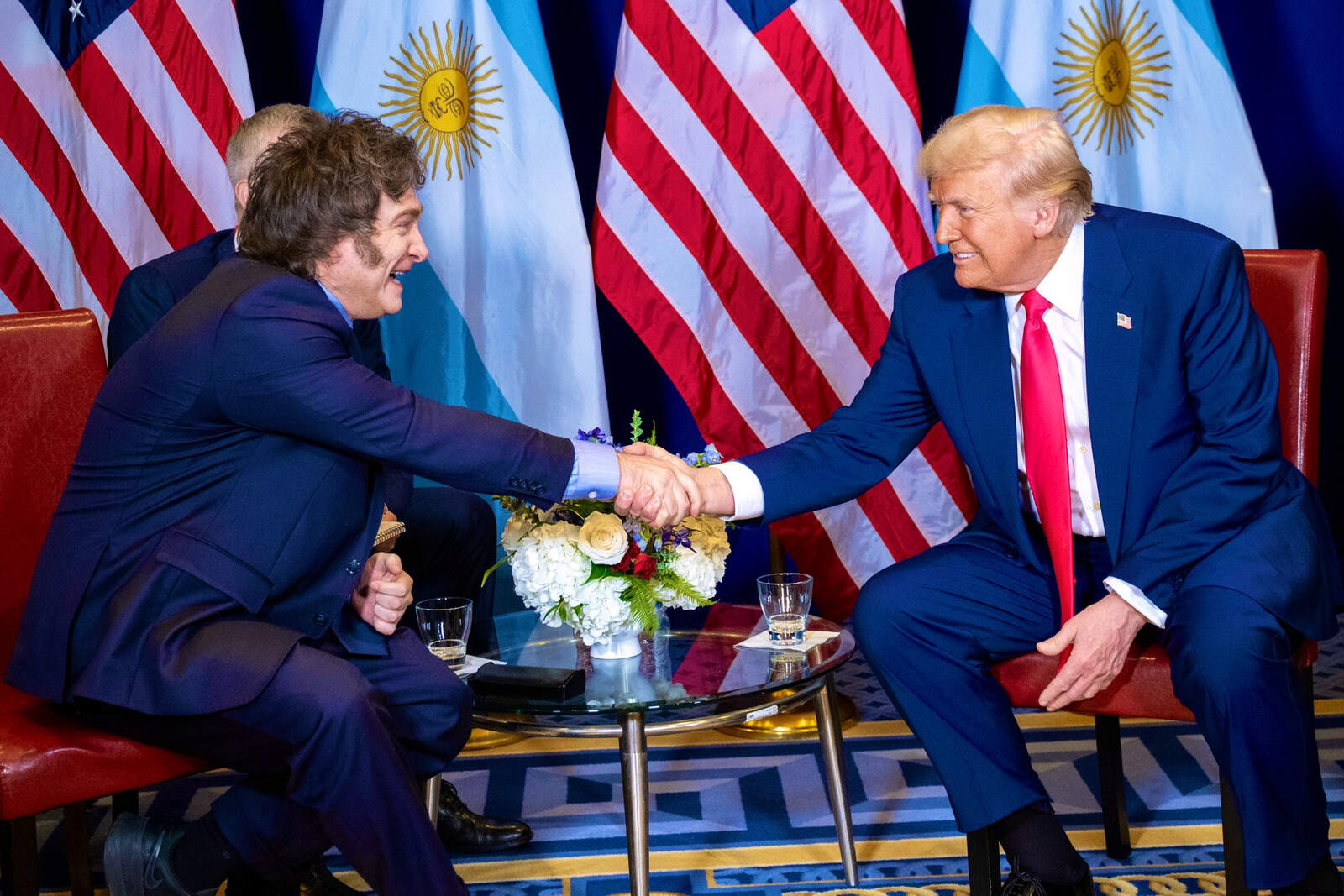
Javier Milei y Donald Trump.
Argentina was the first country in Latin America to publicly support the United States operation that allowed Maduro's arrest, presented by Donald Trump's administration as an action aimed at dismantling a regime accused of systematic human rights violations and links to international drug trafficking.
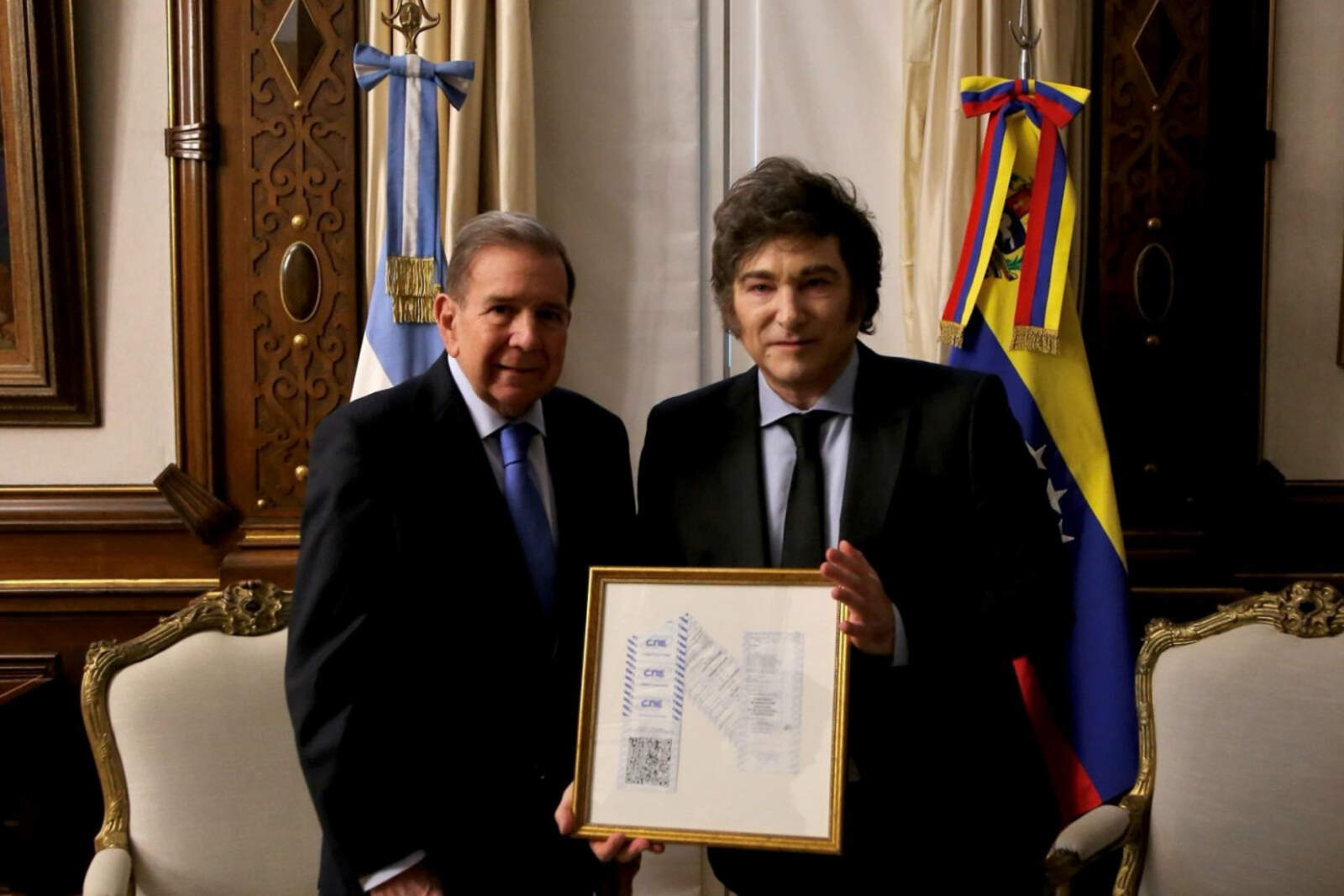
Foreign Minister Quirno reaffirmed the support for the authorities legitimately elected in the 2024 Venezuelan elections, led by Edmundo González Urrutia, and he recognized the opposition leadership of María Corina Machado, recent winner of the Nobel Peace Prize. In addition, the Government reiterated its demand for the release of the Argentine citizen Nahuel Gallo, illegally detained in Venezuela, and it demanded guarantees regarding his physical integrity.
El Gobierno argentino reconoce a Edmundo González Urrutia como Presidente electo de Venezuela
Rubio's management at the head of U.S. diplomacy is characterized by an active foreign policy in the region, aimed at consolidating support in the face of authoritarian regimes, drug trafficking networks, and transnational criminal structures. Within that framework, the stance adopted by the Casa Rosada was especially valued in Washington.
The recognition from the United States occurs in a regional context marked by deep divisions, but with a bloc led by that is increasingly committed to Western values. Meanwhile, a bloc made up of Colombia, Brazil, Mexico, Chile, Uruguay, and Spain questioned the U.S. intervention and demanded respect for Venezuelan sovereignty, Argentina aligned itself with Washington without ambiguity.
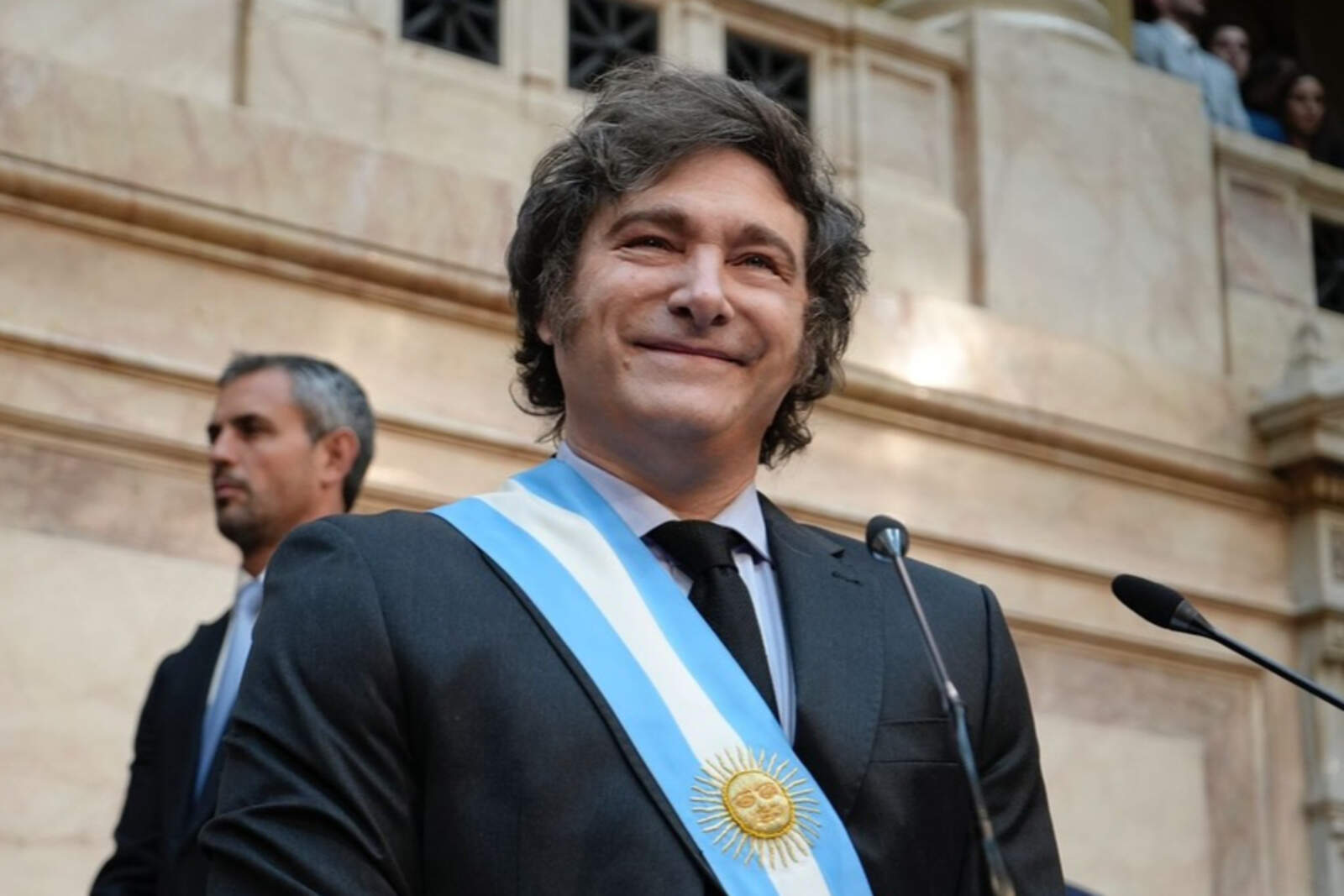
Javier Milei.
The conversation between Rubio and Quirno took place in parallel with an emergency CELAC meeting, which failed in its attempt to issue a unified condemnation against the United States. A group of countries, led by Argentina, blocked consensus and exposed the growing regional fracture.
The explicit support from Washington consolidates the political alignment between Milei and the Trump administration and positions Argentina as one of the main allies of the United States in the redefinition of the Latin American political map after the fall of the Chavista regime.