The modification that seeks to reduce the excessive state control imposed during the last two decades
Compartir:
The National Assembly of Venezuela, absolutely controlled by the transitional Chavista regime, unanimously approved this Thursday a reform of the Organic Hydrocarbons Law, which seeks to reduce the excessive state control imposed on the oil sector during the last two decades.
The vote was celebrated by the main figures of the regime as a turning point for the energy industry of the country, in a context marked by the economic and political crisis and the deep deterioration of crude oil production.
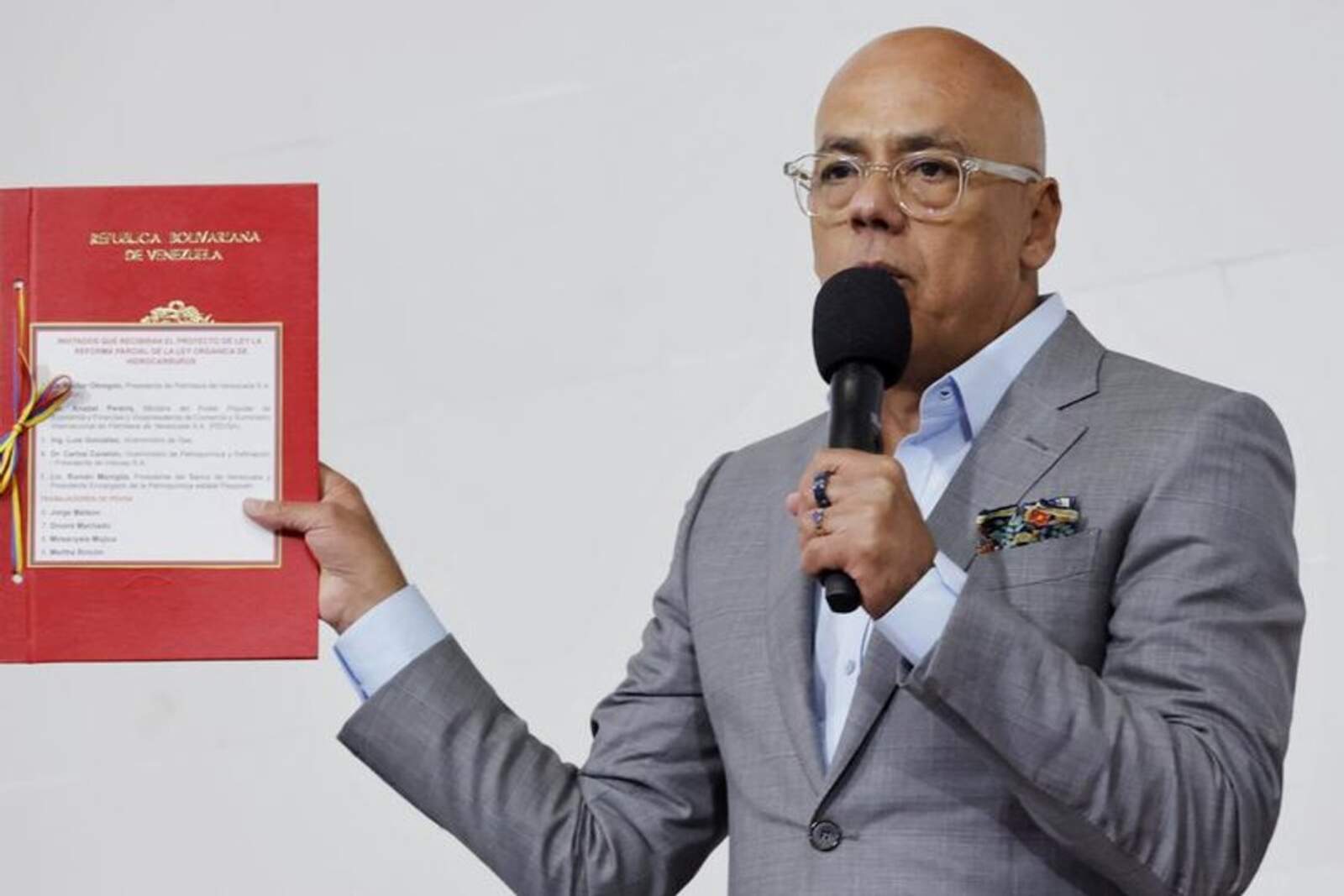
After the approval, the president of Parliament, Jorge Rodríguez, expressed his satisfaction with the enactment of the regulation and stated: “It is hereby enacted for history, for the future, for our daughters and our sons, the Organic Law to Reform the Organic Hydrocarbons Law”. In the same vein, he added: “Only good things will come after the suffering”.
El presidente del Parlamento, Jorge Rodríguez
The reform seeks to establish more attractive conditions for the arrival of private and foreign capital, especially in the main Venezuelan industry, which for years was affected by regulations, lack of investment, and international sanctions. In accordance with what has been established, the regulation will begin to apply once it is promulgated by the head of the Chavista regime, Delcy Rodríguez.
The reform of the oil sector
Among the most relevant changes is the relaxation of the regime governing the participation of private companies in oil projects, as well as the authorization of international arbitration in possible disputes related to investments.
The reform also includes a new scheme that will allow a more direct payment of royalties to the Venezuelan state. According to the information officially released, investors will assume both operating costs and financing risks.
The reform would also give international companies that invest in joint ventures with the state-owned firm, PDVSA, more control over the projects and greater access to the profits from oil sales.
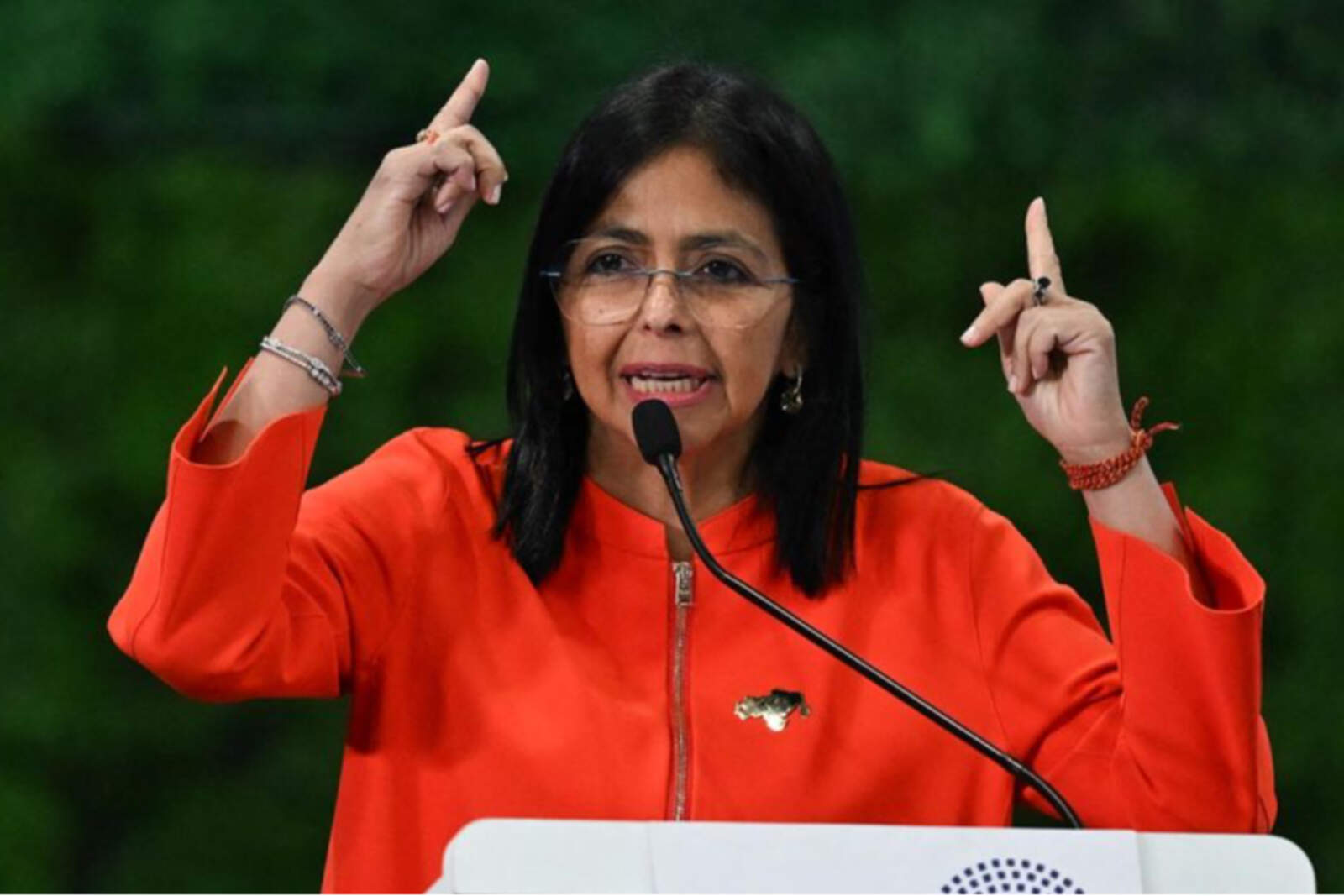
Delcy Rodríguez, líder del régimen venezolano de transición.
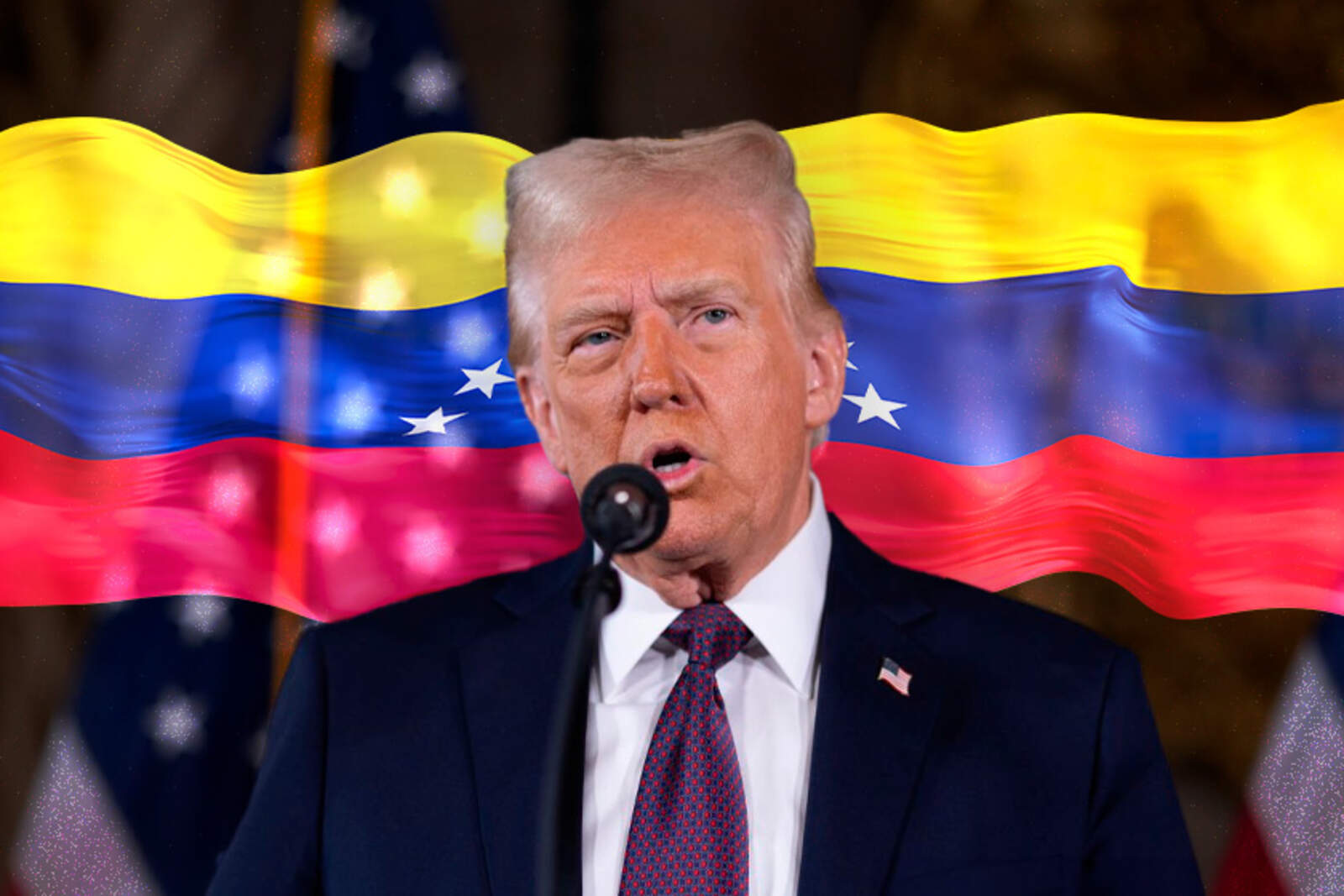
The legislative debate took place a few weeks after the capture of the narco-terrorist dictator Nicolás Maduro, following a special military operation carried out by the United States in Caracas. Since that episode, the U.S. administration has expressed its intention to promote the recovery of the Venezuelan oil sector and to ensure that the income from exports is effectively allocated to the population.
This reform is taking place in a context in which the Chavista regime finds itself in a scenario of political transition led by the United States to restore democracy in Venezuela, and under strong internal and external pressure.