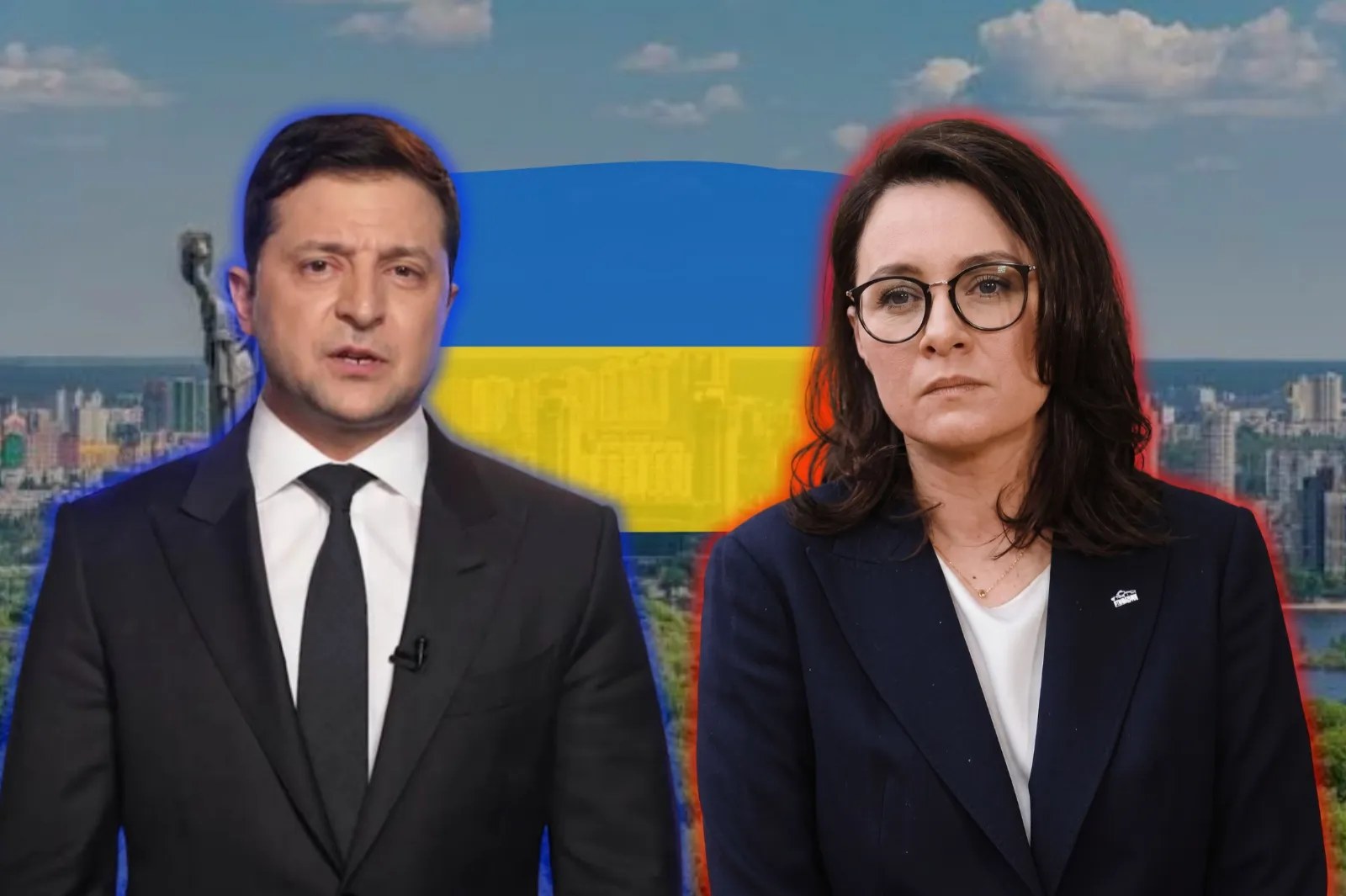








Her administration was marked by the attempt to preserve macroeconomic stability amid the war, promote reforms to simplify administrative procedures, and encourage the growth of the national defense industry with the goal of increasing domestic arms production.
Despite these results, various observers pointed out that Svyrydenko never managed to consolidate independent political leadership. Like her predecessor, Denys Shmyhal, many strategic decisions continued to be concentrated in the presidency, where Zelensky maintained strong control over state management since the onset of the Russian invasion.

During her time in government, she also faced scrutiny from opposition sectors related to potential conflicts of interest arising from her academic activities at the Kyiv School of Economics, although these controversies did not significantly alter her role as the main interlocutor with Brussels and Washington.
In announcing the remodeling, Zelensky publicly thanked Svyrydenko for her work and indicated that he offered her to take on a new responsibility related to international cooperation. Although he avoided revealing what that position will be, rumors in Kiev suggest that she could take on roles related to relations with the United States, one of Ukraine's main strategic partners.
The restructuring of the government reflects the intention of the Ukrainian president to strengthen the state's capacity to face a new stage of the conflict with Russia. With an active military front and a growing dependence on financial and military support from its allies, Zelensky aims to reorganize his government team to improve internal coordination, reinforce foreign policy, and ensure that Ukraine maintains the necessary international support to sustain the war effort and advance in the country's reconstruction plans


