Wheat production is 96% higher than in the previous season
Compartir:
The latest estimate of the winter campaign in Córdoba confirms record yields in wheat and chickpea, in a cycle marked by highly favorable environmental conditions and high water availability during the key stages.
According to the Córdoba Grain Exchange, the cereal reached the highest production ever recorded for the province; in contrast, chickpea production was limited by a reduction in the sown area.
With the winter campaign completed, the latest production estimate was made, based on the survey of the Exchange's network of collaborators.
The highest wheat production in history
Throughout the entire cycle, a trend of record yields was maintained in both wheat and chickpea, with the highest wheat production in history also standing out.
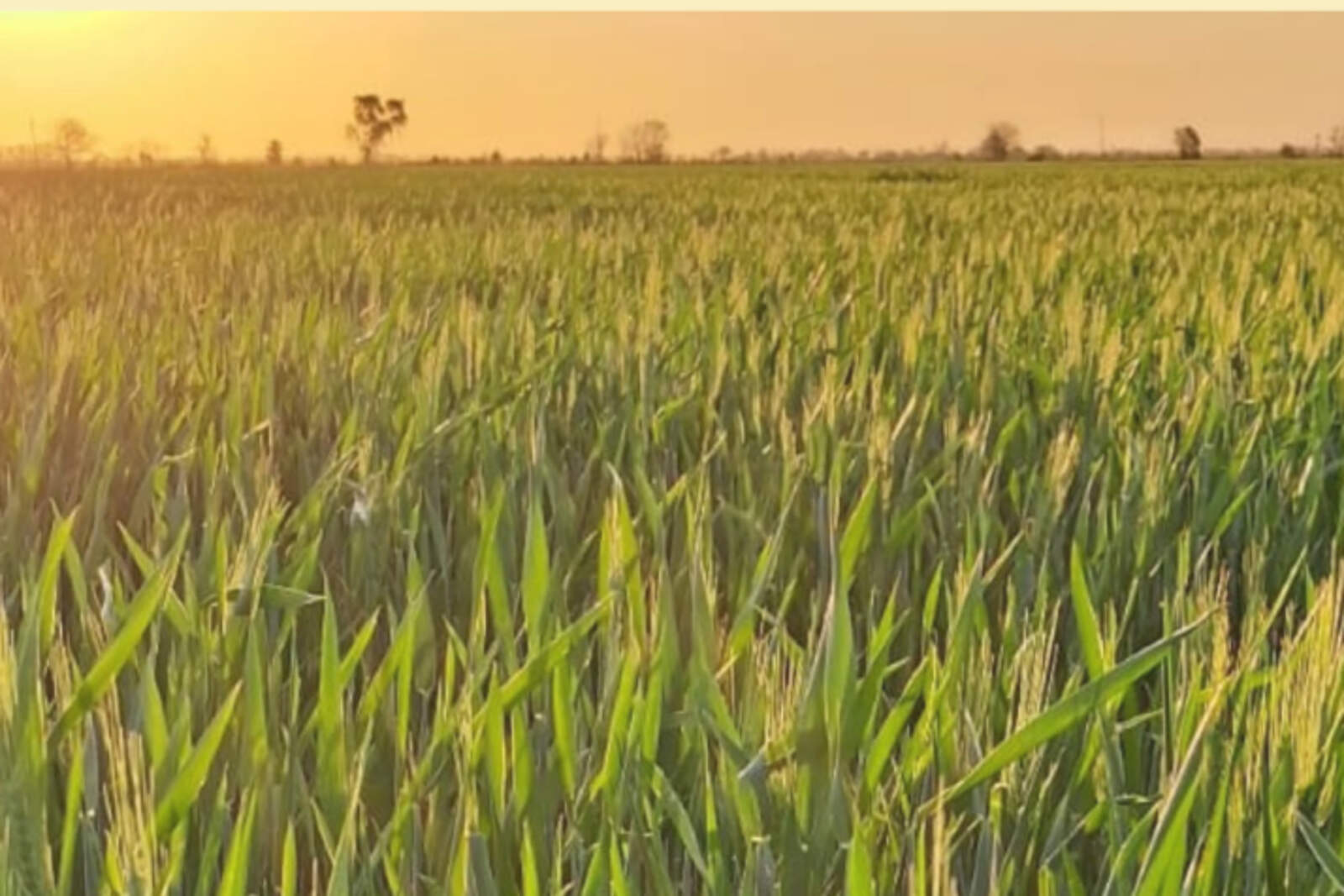
El trigo tuvo una producción récord en la campaña 2025-26.
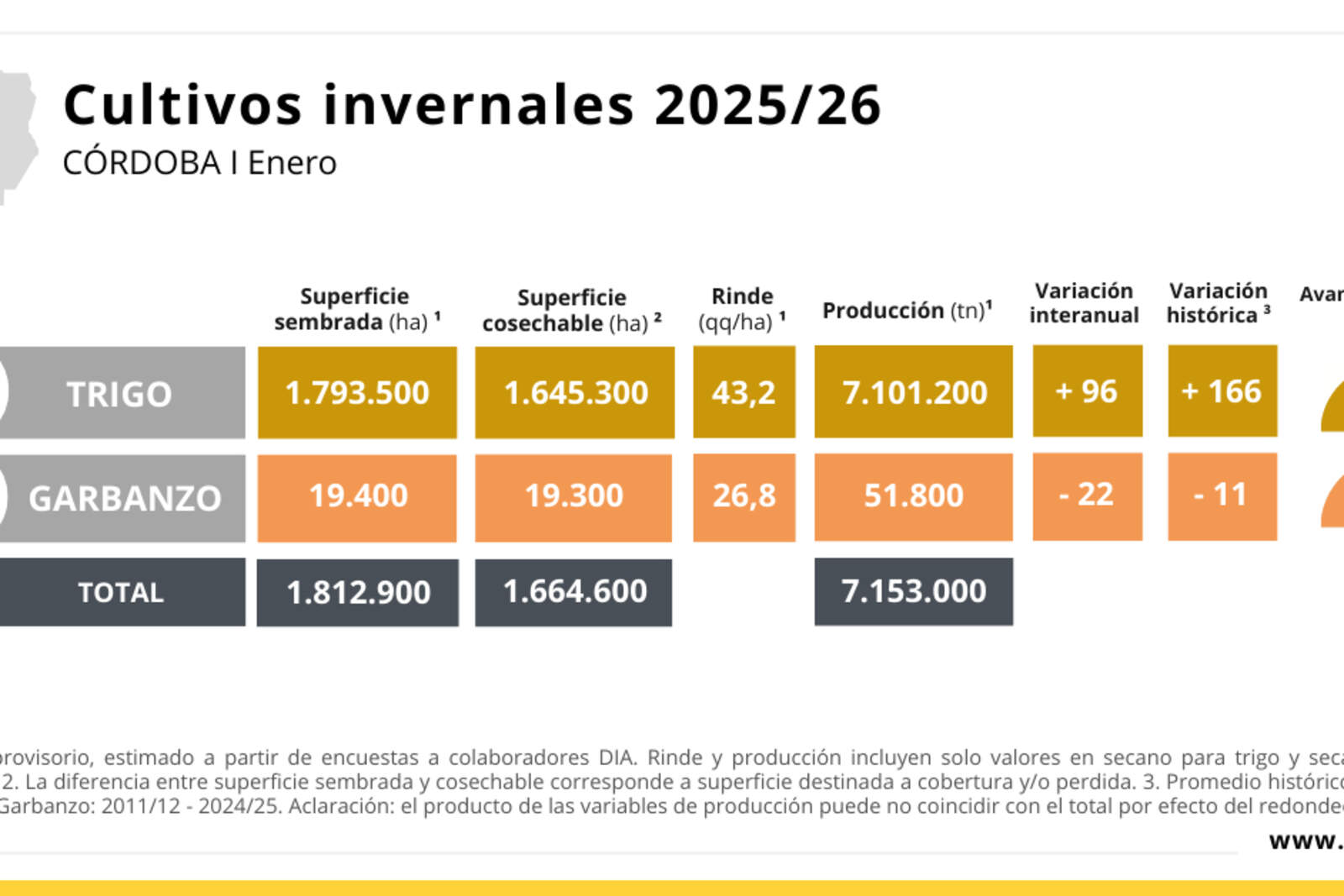
For the cereal, the expected yield in dryland reaches 43.2 qq/ha, almost 70% above the historical average, which translates into an estimated production of 7.1 million tons (Mt).
For chickpea, meanwhile, an average of 26.8 quintals is expected between irrigated and dryland conditions, a value 38% higher than the historical yield.
Chickpea production in Córdoba
However, specialty production was estimated at 51.8 thousand tons, 11% below the historical average for the province as a consequence of a reduction of more than 40% in the area sown in this cycle.
The main reason that discouraged chickpea planting, according to collaborators in our network, was the price and expected profitability for the crop.
After an autumn with abundant rainfall, sowing conditions were optimal in much of the provincial territory, which favored a very good start for the crops.
Subsequently, the initial development was constrained by the severe frosts recorded between the end of June and the beginning of July.
Frosts that harmed winter crops
During that period, symptoms of cold damage, slower growth, phenological delays, and leaf yellowing were observed, even in fields with good establishment, which led to a temporary increase in the proportion of area in fair and poor condition for both crops.
With the subsequent absence of severe frosts and the occurrence of rainfall above the historical averages for the period, the crops managed to recover, improve their overall condition, and go through the critical period —the stage in which yields are defined and water requirements are high— in very good condition.
The sanitary situation accompanied the good weather conditions, with low pest pressure and controls carried out at the appropriate times.
In chickpea, the appearance of blight (Ascochyta rabiei) stood out, mainly in irrigated fields, where in some cases the action thresholds were exceeded and it was necessary to carry out up to three applications. Nevertheless, the disease was effectively controlled, without significant impact on yield.
In wheat, collaborators also highlighted the use of high-tech seed that, in combination with the environmental conditions, allowed the crop to express its full productive potential.
In this context, baking quality was reported to be lower than usual, associated with the high yields, a situation that could lead to discounts at the time of marketing.