Donald Trump's administration would seek to create a process inspired by the G7, without Europe, to facilitate conflict resolution
Nuevo
Agregar La Derecha Diario en
Compartir:
Several debates have arisen this week in the U.S. capital regarding the possible creation of the Core 5 (C5), a new global forum composed of the United States, China, Russia, India, and Japan, which has sparked a strategic debate representing a bold and necessary vision for a world undergoing full geopolitical reconfiguration.
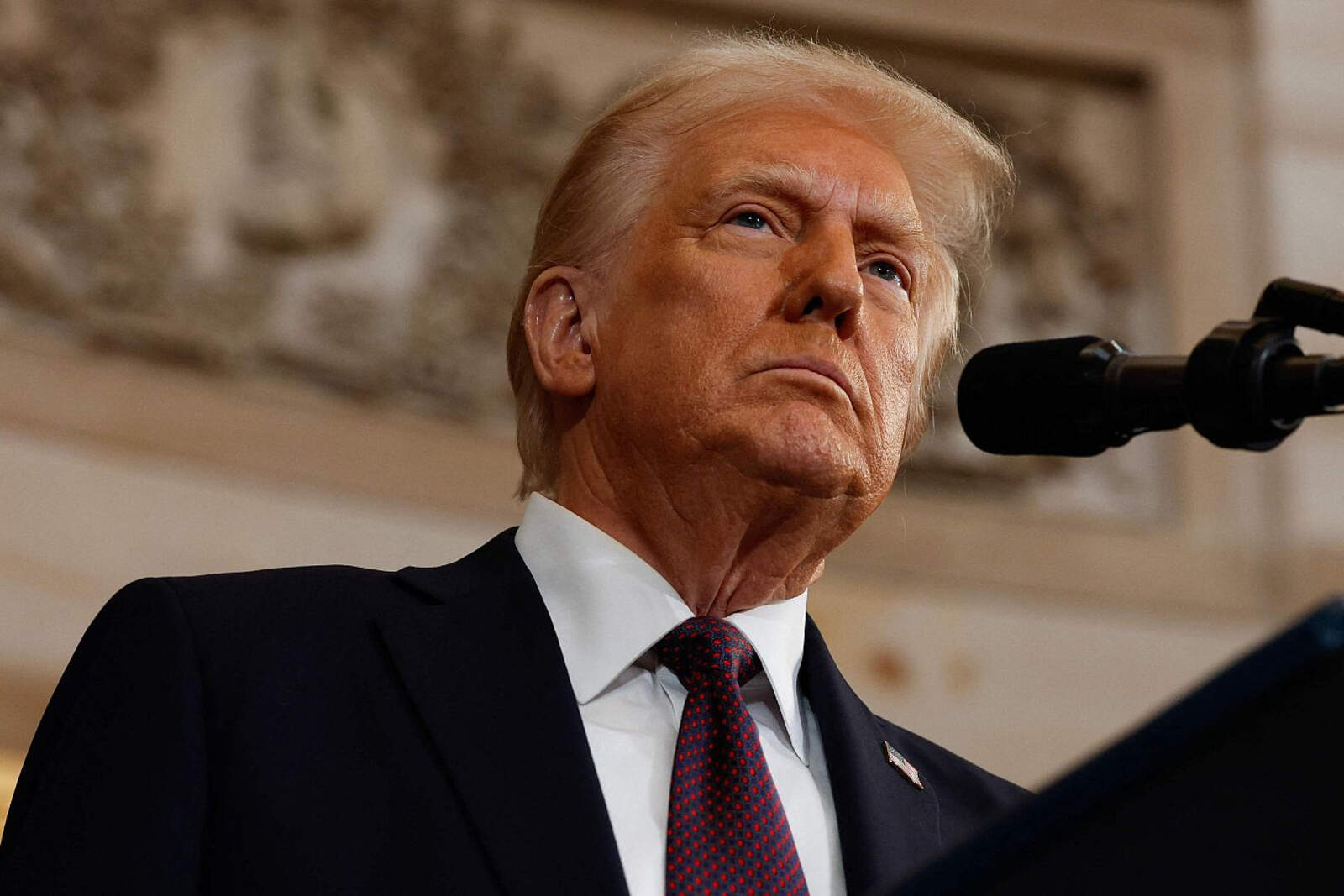
Although the White House has denied the existence of an official document considering this initiative, the proposal would reflect an approach that several observers identify with President Donald Trump's foreign policy: pragmatic, results-oriented, and focused on cooperation among major powers, beyond the limitations of traditional formats.
The possible C5 would contrast with the G7, an organization limited to developed democracies. Its supporters argue that this model has become outdated in the face of the rise of powers that decisively influence the global economy and security but do not fit the G7's criteria.
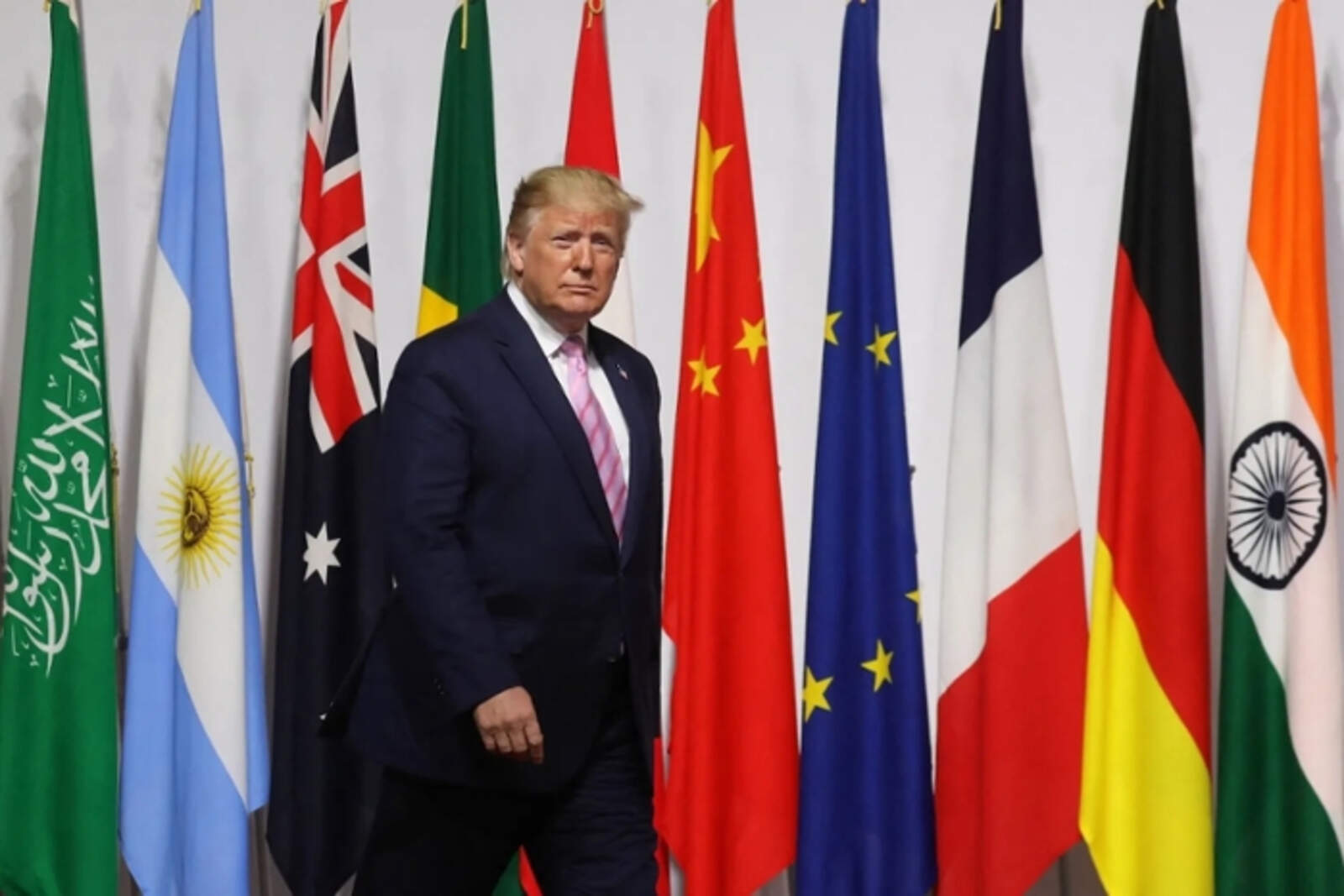
Este nuevo foro estaría integrado por Estados Unidos, China, Japón, Rusia e India
A bloc formed by the five largest demographic and geopolitical powers on the planet, responsible for a substantial share of global GDP and military power, could become a new pillar of international stability.
Those who view the initiative favorably recall that Trump already demonstrated during his first term a unique willingness to engage in dialogue with strategic rivals in order to reduce tensions and expand economic opportunities.
Among the examples, they highlight his authorization to sell advanced Nvidia H200 chips to China and his efforts to maintain direct channels with the Kremlin through envoys such as Jared Kushner and Steve Witkoff. For many analysts, these moves demonstrate an approach aimed at "unlocking" historically frozen relationships.
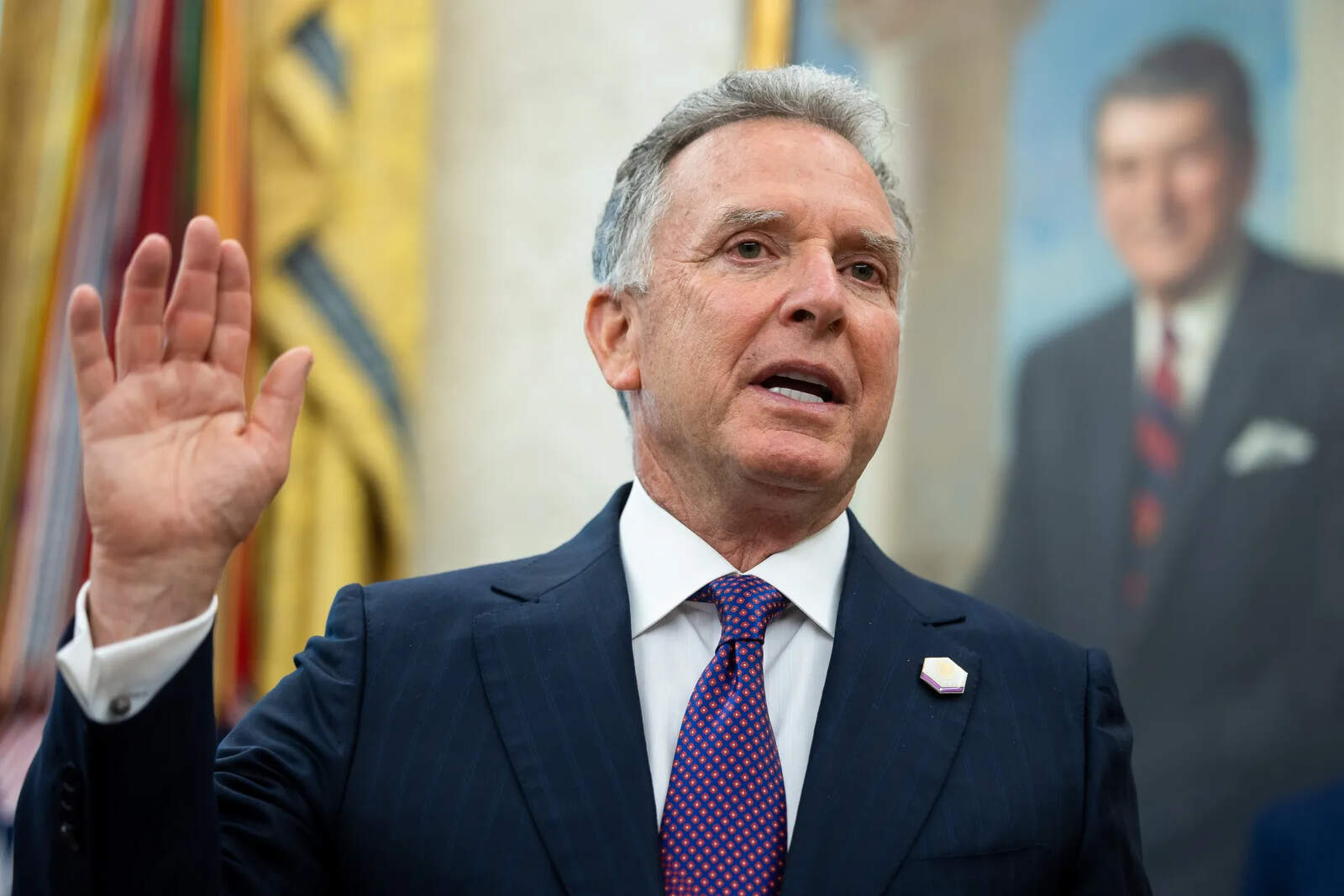
Steve Witkoff es el principal representante del gobierno estadounidense en asuntos diplomáticos para con las situaciones de Rusia y Ucrania y Medio Oriente
For supporters of this vision, bringing key powers together around a single challenge would allow conflicts to be solved from the top, where decision-making power is truly concentrated.
National security experts noted that the concept aligns with the way Trump understands international relations: less ideological, more based on mutual recognition among major players, and on the clear delineation of spheres of influence.
This approach could reduce frictions and open the door to more realistic agreements than those promoted by traditional structures such as the UN Security Council or the G7 itself.
The C5 would thus become a strategic instrument to reposition the United States at the center of a new multipolar order, exerting direct influence over the main actors of the twenty-first century.
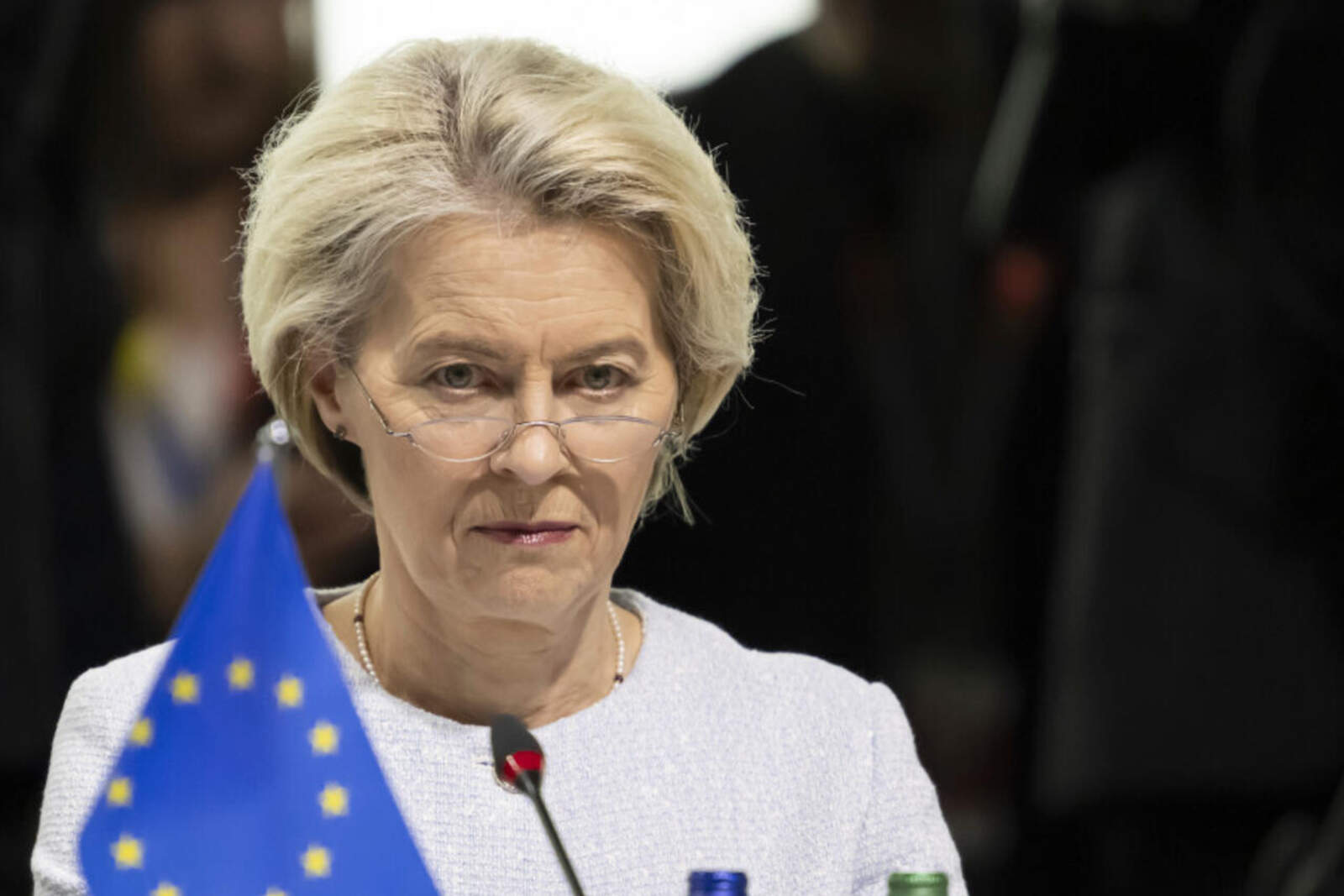
Los países europeos serían apartados de la creación de este nuevo proceso, evitando así los procesos burocráticos en resolución de conflictos