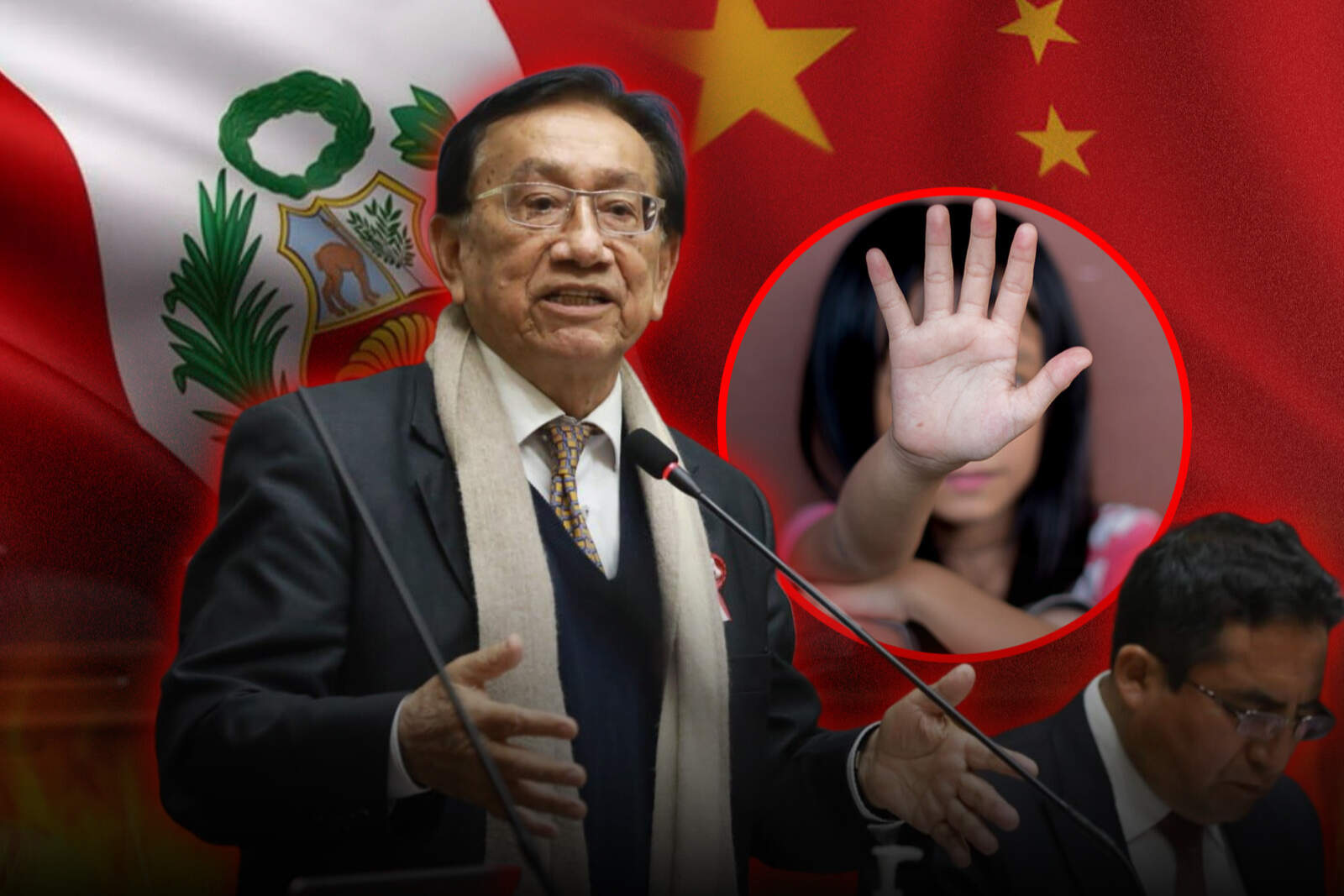
In recent hours, Peru's Congress officially appointed José María Balcázar as José Jerí's successor after his dismissal
Compartir:
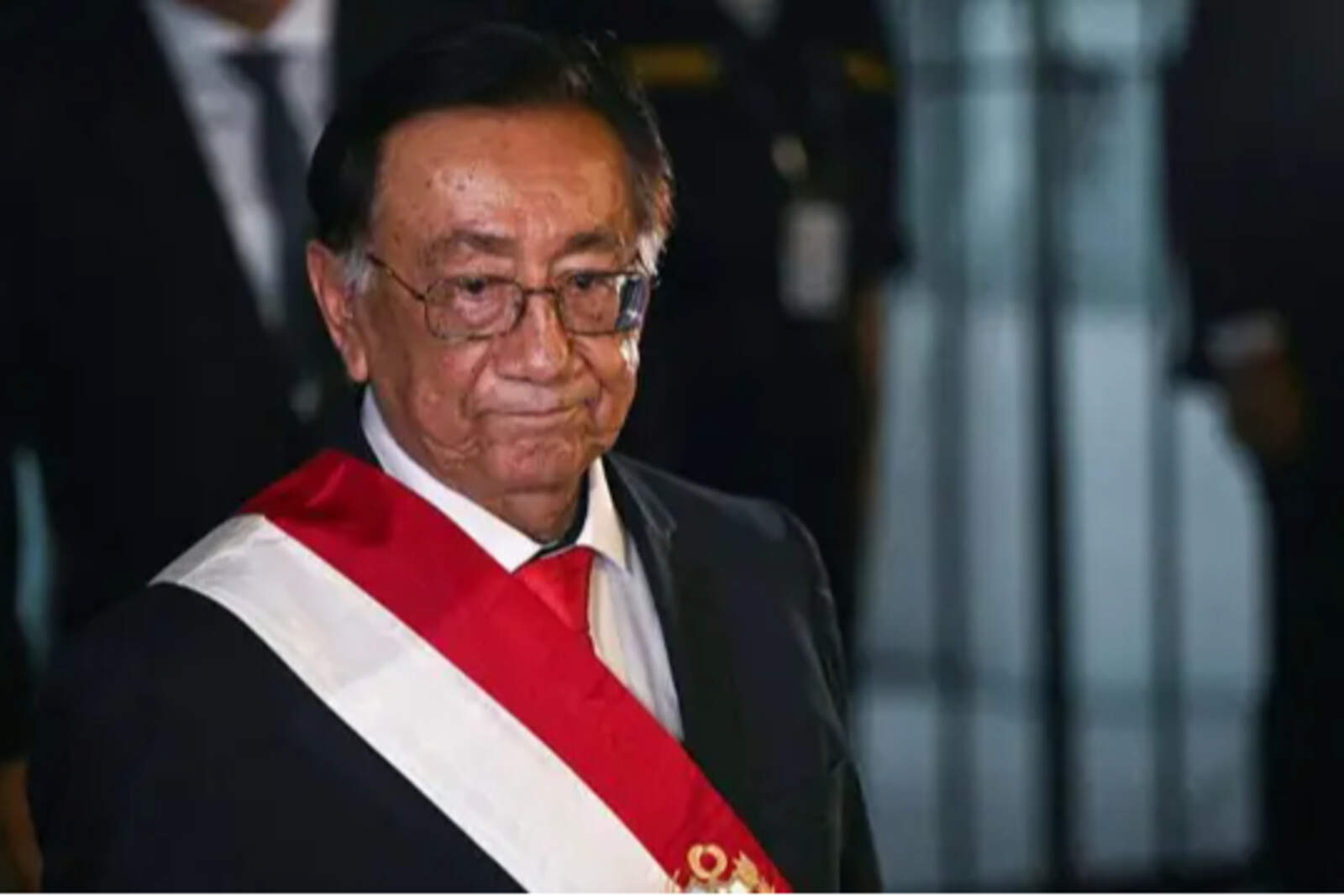
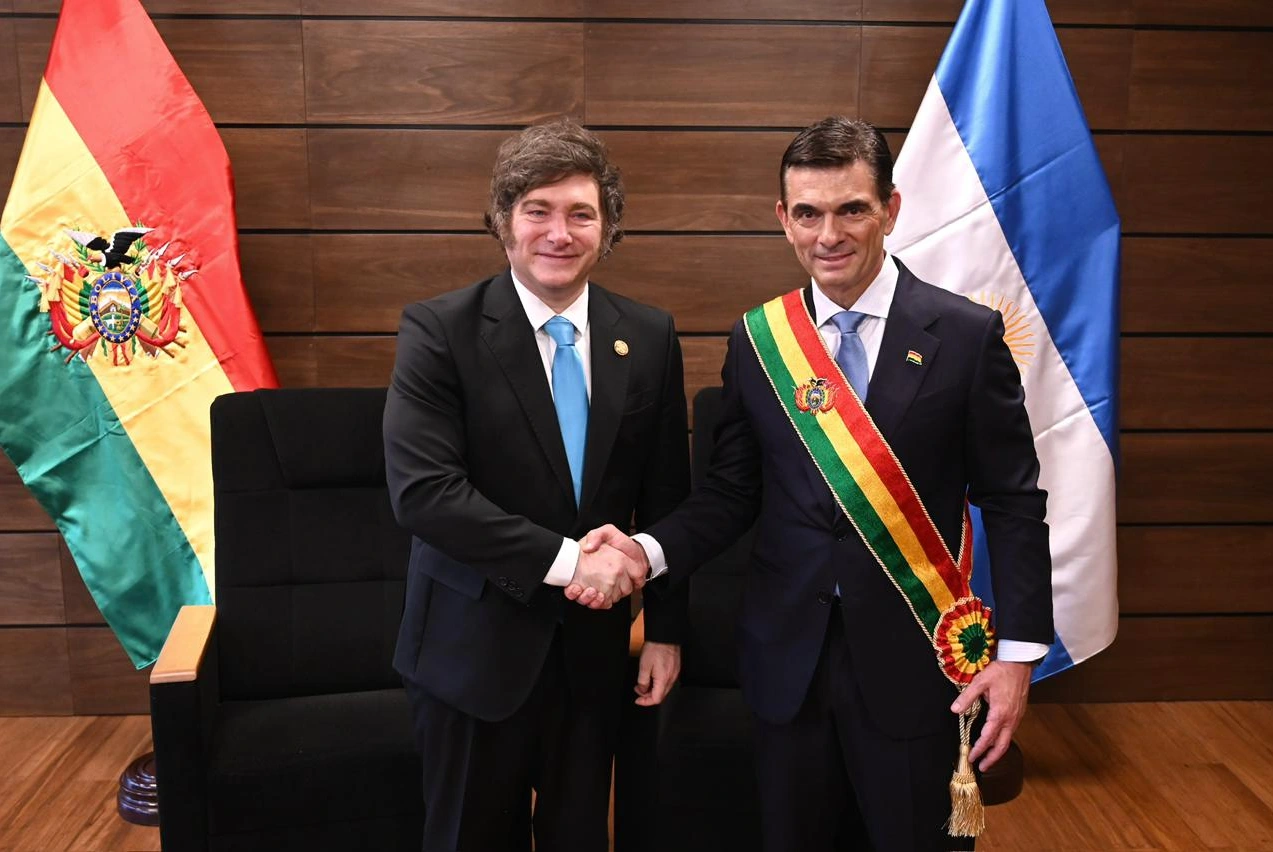
Congressman José María Balcázar Zelada was elected this Wednesday as president of Peru's Congress and will also assume office as interim president of the Republic, after the removal of José Jerí.
At 83 years old, the Peru Libre legislator is becoming the eighth Peruvian head of state since the departure of Pedro Pablo Kuczynski, in a decade marked by institutional instability.
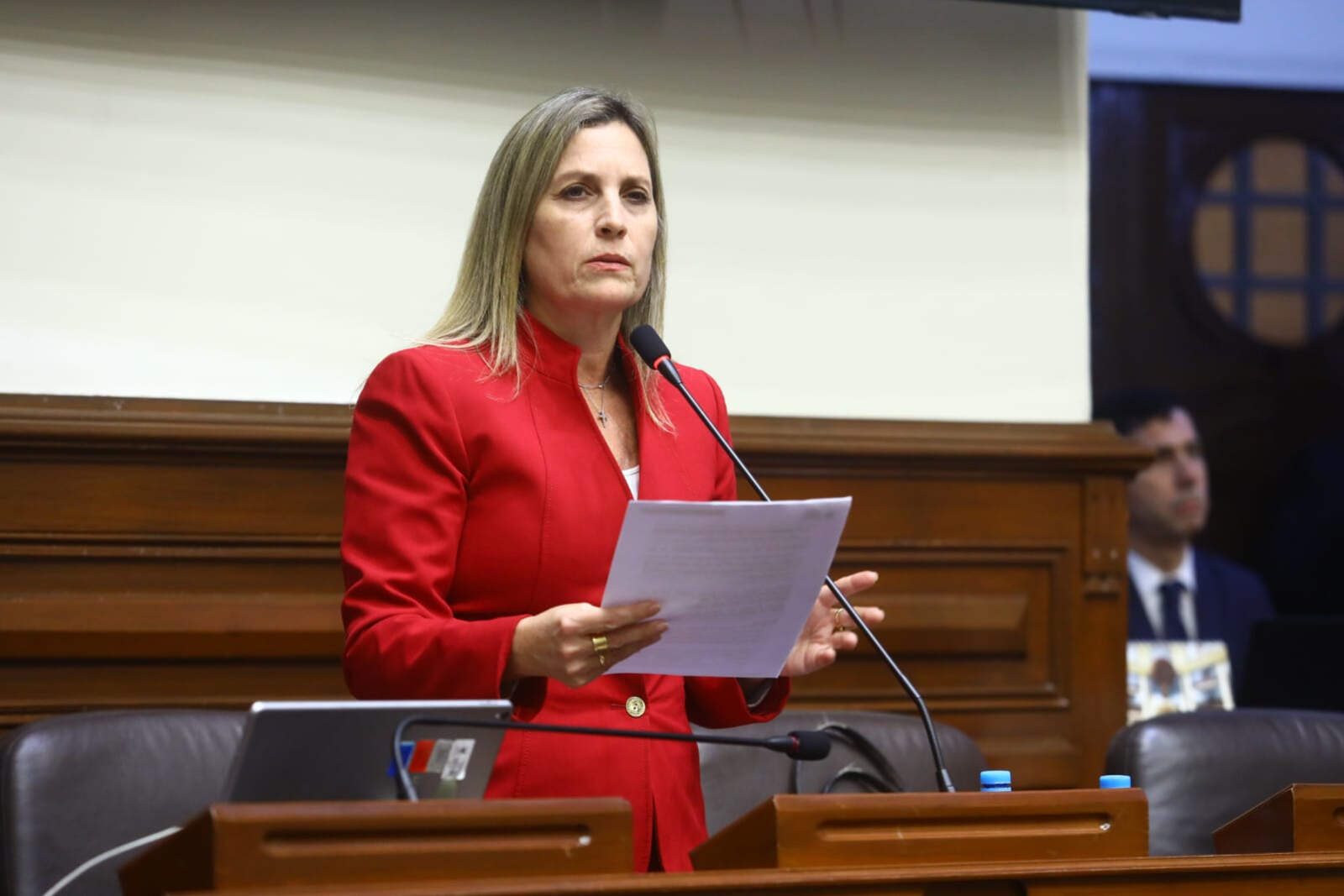
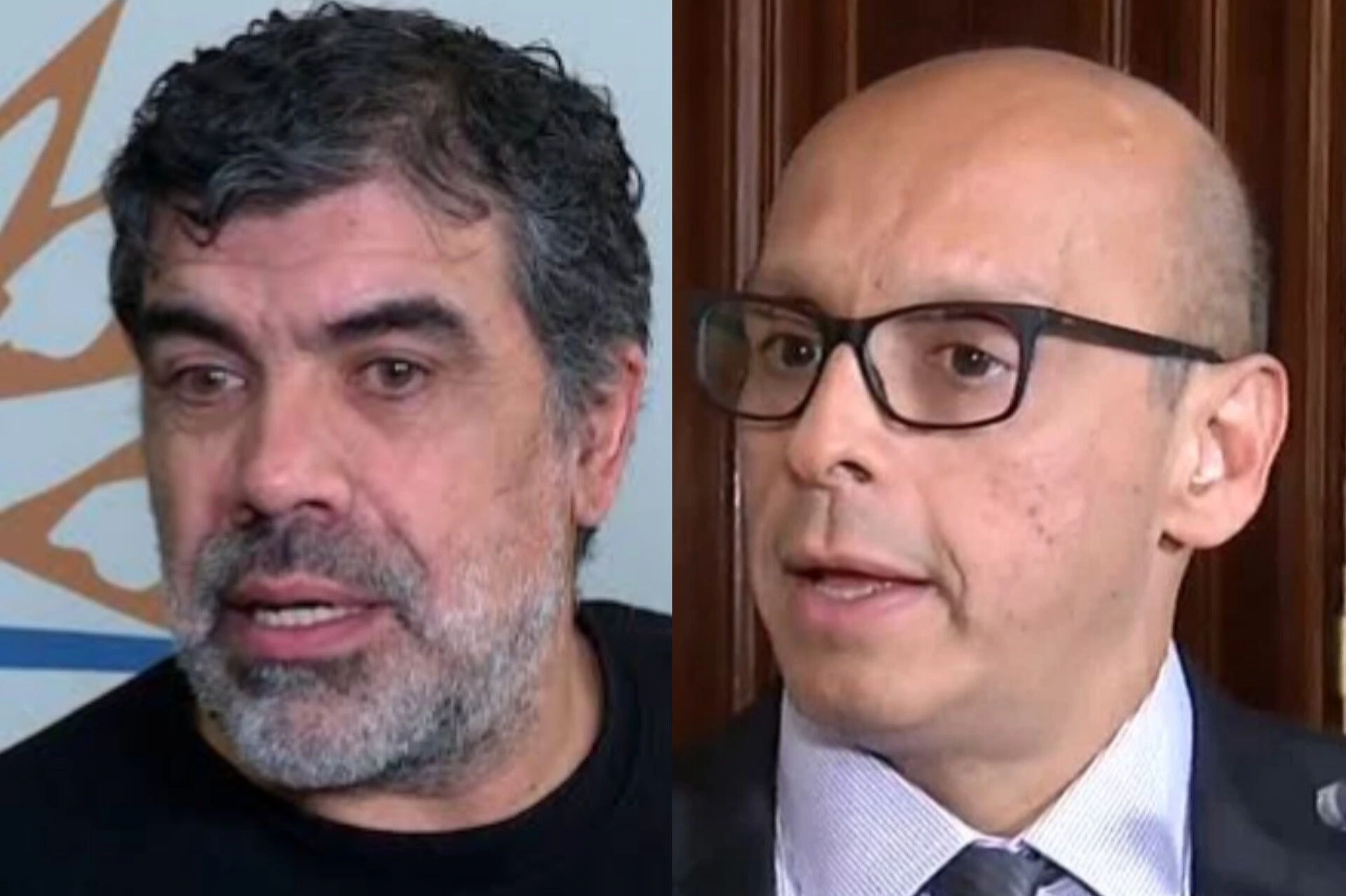
Balcázar prevailed in a tight second round with 64 votes against the 46 obtained by María del Carmen Alva, in an extraordinary session urgently convened one day after the censure against Jerí.
The now former president of Congress was removed from office after unofficial meetings with Chinese businesspeople were revealed, which led to political questioning and the opening of prosecutorial investigations.
Balcázar se impuso frente a la congresista María del Carmen Alva
Who is José María Balcázar
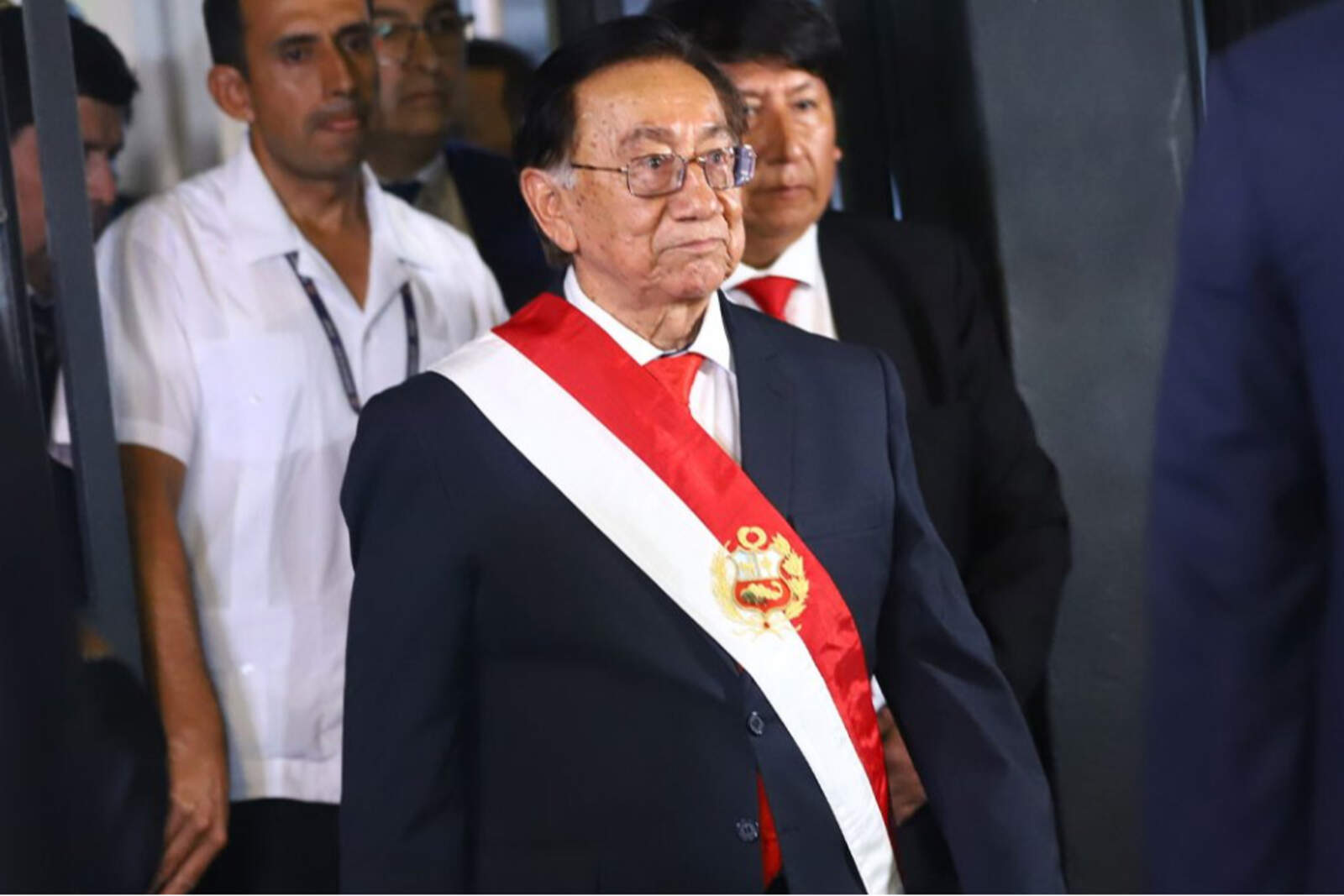
José María Balcázar Zelada is an 83-year-old lawyer and politician who was elected president of Peru's Congress and, by constitutional succession, assumed office as interim president of the Republic.
Born in Cajamarca, Balcázar graduated in Law from the National University Pedro Ruiz Gallo. Before entering politics fully, he developed an extensive career in the Peruvian judicial system. He was a magistrate and provisional supreme judge of Peru's Supreme Court of Justice, positions that shaped his professional trajectory prior to his leap to Congress.
Balcázar was elected congressman in 2021 as a representative of Lambayeque for Peru Libre, the left-wing party that that same year brought Pedro Castillo to the presidency. During Castillo's government, Balcázar was one of his most visible defenders in Parliament.
Balcázar fue vocal supremo provisional de la Corte Suprema de Perú
In December 2022, when Congress was debating the presidential vacancy after Castillo's attempt to dissolve the Legislative, he did not register his vote in the plenary, an episode that his critics recall as a sign of political ambiguity.
His term as legislator would have extended until the current year 2026, although he unexpectedly assumed the head of state on an interim basis.
Balcázar's controversies
Balcázar's public figure has not been free of controversy, but instead has caused considerable discussion. Before his election, the Lambayeque Bar Association publicly expressed its rejection of his candidacy, recalling that during his tenure as dean he faced ethical, civil, and criminal charges that led to his permanent expulsion from the professional association.
According to the Bar Association, he was charged with alleged misappropriation of funds, modification of the ownership of bank accounts, and fraud to the detriment of the legal entity.
In addition, the existence of lawsuits and criminal proceedings linked to those events was mentioned. As a result of an internal disciplinary process, the Honor Tribunal confirmed his permanent expulsion from the professional association. Balcázar has rejected the accusations and keeps that there are no final convictions against him.
In addition, during a parliamentary debate on child marriage, he made statements that caused strong rejection by suggesting that early sexual relations, in the absence of violence, could have positive effects on the psychological development of girls. The Ministry of Women questioned those statements and some congressmen distanced themselves during the vote.
El ahora presidente provisional de Perú afirmó las relaciones sexuales tempranas podrían ''tener beneficios en las mujeres''
How long will Balcázar remain in power
As interim president, Balcázar must lead the Executive and Congress until July 28, when he will hand over office to the winner of the general elections scheduled for April 12. In his first speech he promised to guarantee a peaceful and transparent democratic transition.
His administration will unfold in a complex scenario: Peru has been experiencing more than a decade of institutional crisis and a fragmented Parliament. The challenge for the head of state will be to sustain political stability and ensure an election process without upheavals amid public distrust toward the left and tensions among the different caucuses.