According to INDEC, the year-on-year variation of the wholesale index reached 26.4%
Compartir:
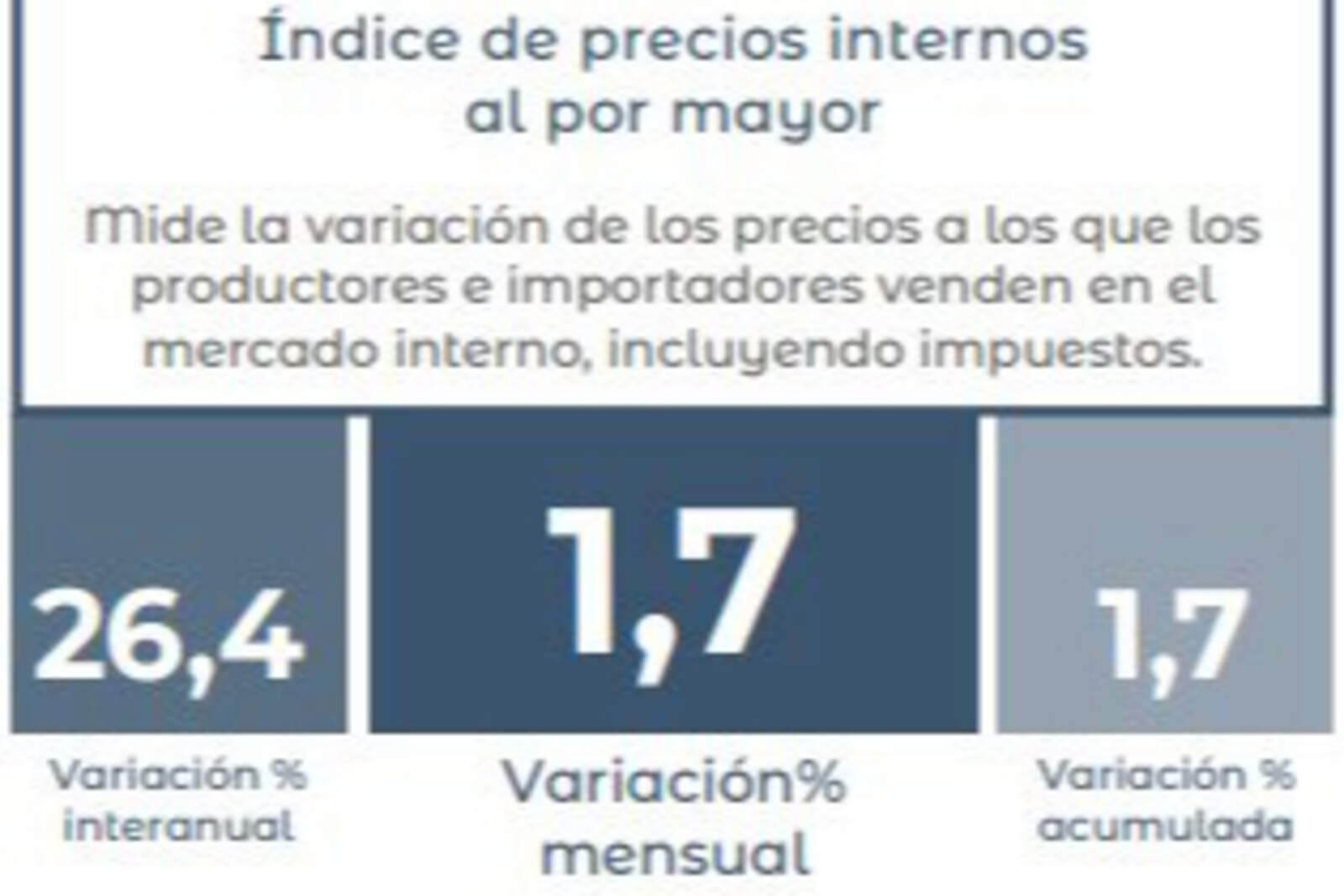
Wholesale inflation recorded a sharp slowdown in January 2026, standing at 1.7%, which represented a decrease of 0.7 percentage points compared with the 2.4% recorded in December 2025.
The figure confirmed the continuation of the decline in the pace of price increases in the wholesale segment, one of the key indicators for anticipating the overall evolution of inflation in the economy.
According to INDEC, the year-on-year variation of the wholesale index reached 26.4%, reflecting a significant slowdown in inflation dynamics compared with previous periods.
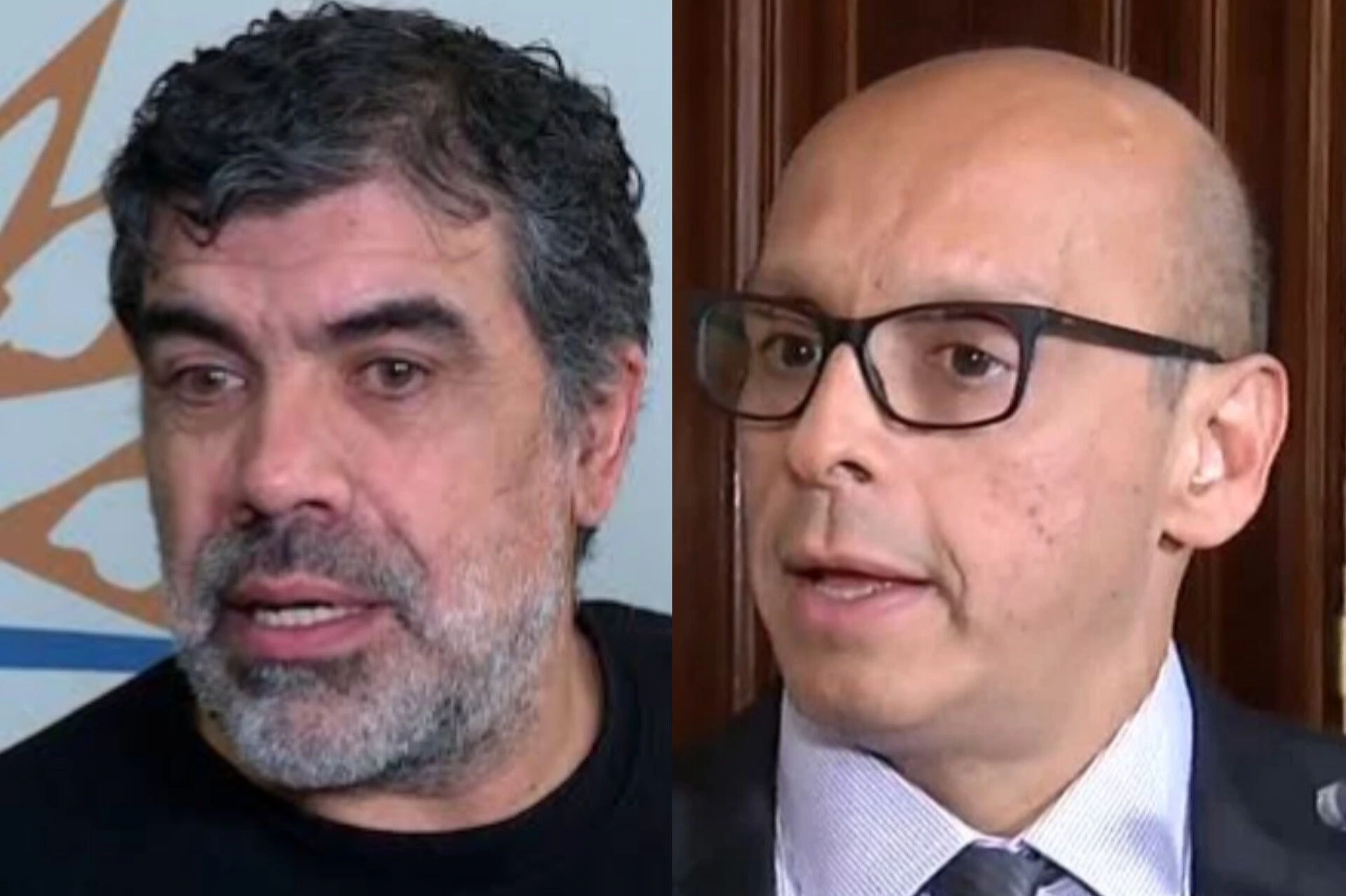
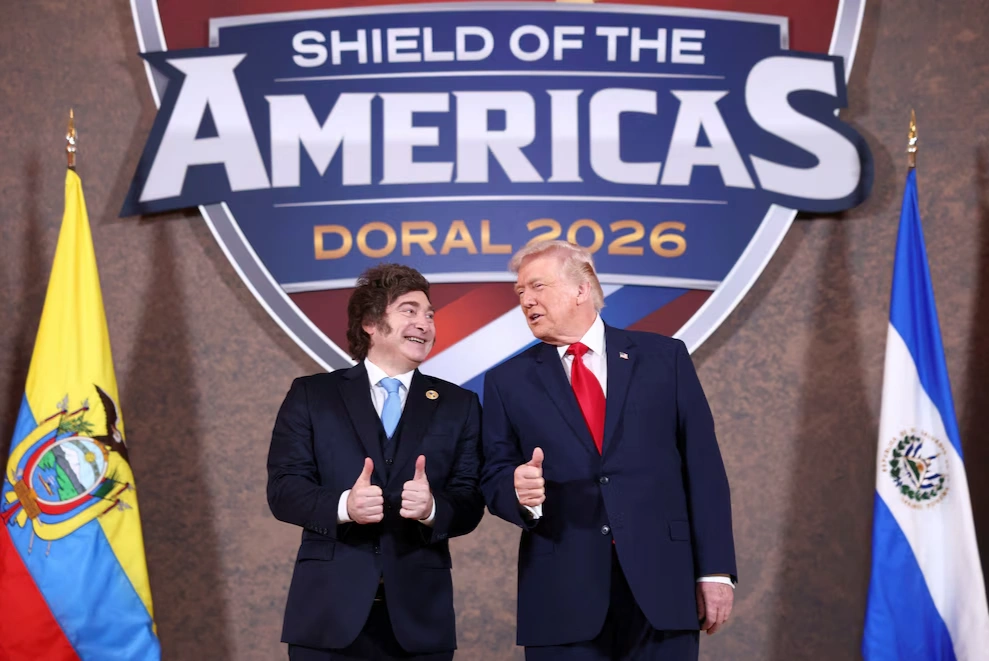
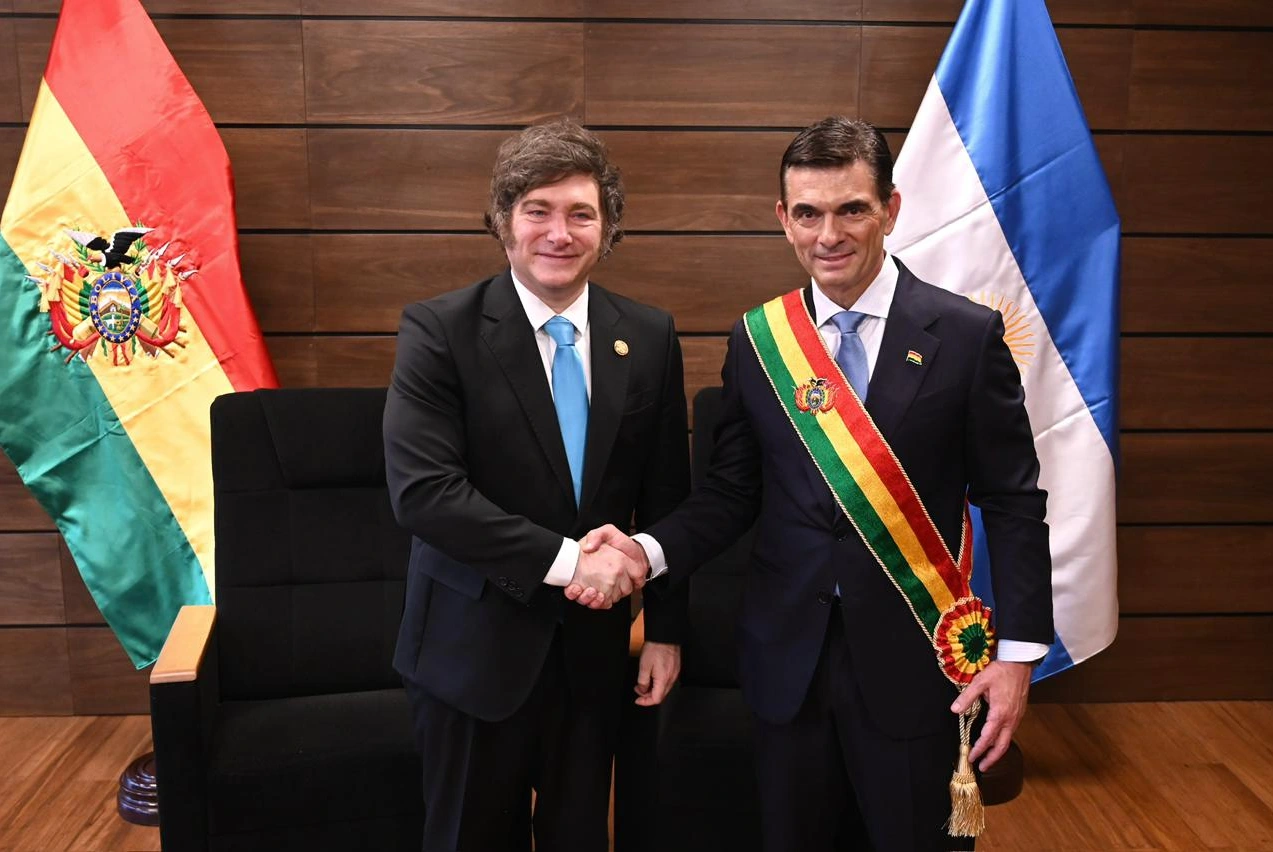
Javier Milei y ''Toto" Caputo.
This result is particularly relevant because the wholesale indicator stood below the Consumer Price Index (CPI), which in January showed an increase of 2.9%, showing that prices at the production and distribution level grew at a slower pace than final consumer prices.
INDEC data
The Domestic Wholesale Price Index (IPIM), which measures the evolution of the prices of goods traded in the domestic market, increased by 1.7% during January compared with the previous month. This behavior was explained by an increase of 1.7% in domestic products, while imported products recorded a smaller rise of 1.5%.
The downward trend was also reflected in the Domestic Basic Wholesale Price Index (IPIB), which excludes certain seasonal and tax factors. This indicator showed an increase of 1.6% in January, driven by a rise of 1.6% in domestic products and 1.5% in imported products.
Datos del INDEC.
Meanwhile, the Producer Basic Price Index (IPP), which measures the variation in prices received by producers, also recorded a contained increase of 1.6% during the first month of the year. This result was the consequence of a rise of 2.4% in primary products, together with an increase of 1.2% in manufactured products and in the electric power sector.
The decline in the pace of wholesale price increases constitutes a relevant indicator within the process of economic normalization, since these values usually anticipate the future evolution of retail inflation. A slowdown in this segment suggests lower inflationary pressure in the stages prior to final marketing.
In this context, President Javier Milei referred publicly to the data through his social networks, highlighting the result. The head of state wrote: “For those who talk about catastrophe in terms of inflation when they know the dynamics of the readjustment of relative prices as a result of the disaster left by the kukas... Ignorant or diexcelledst? VLLC”.