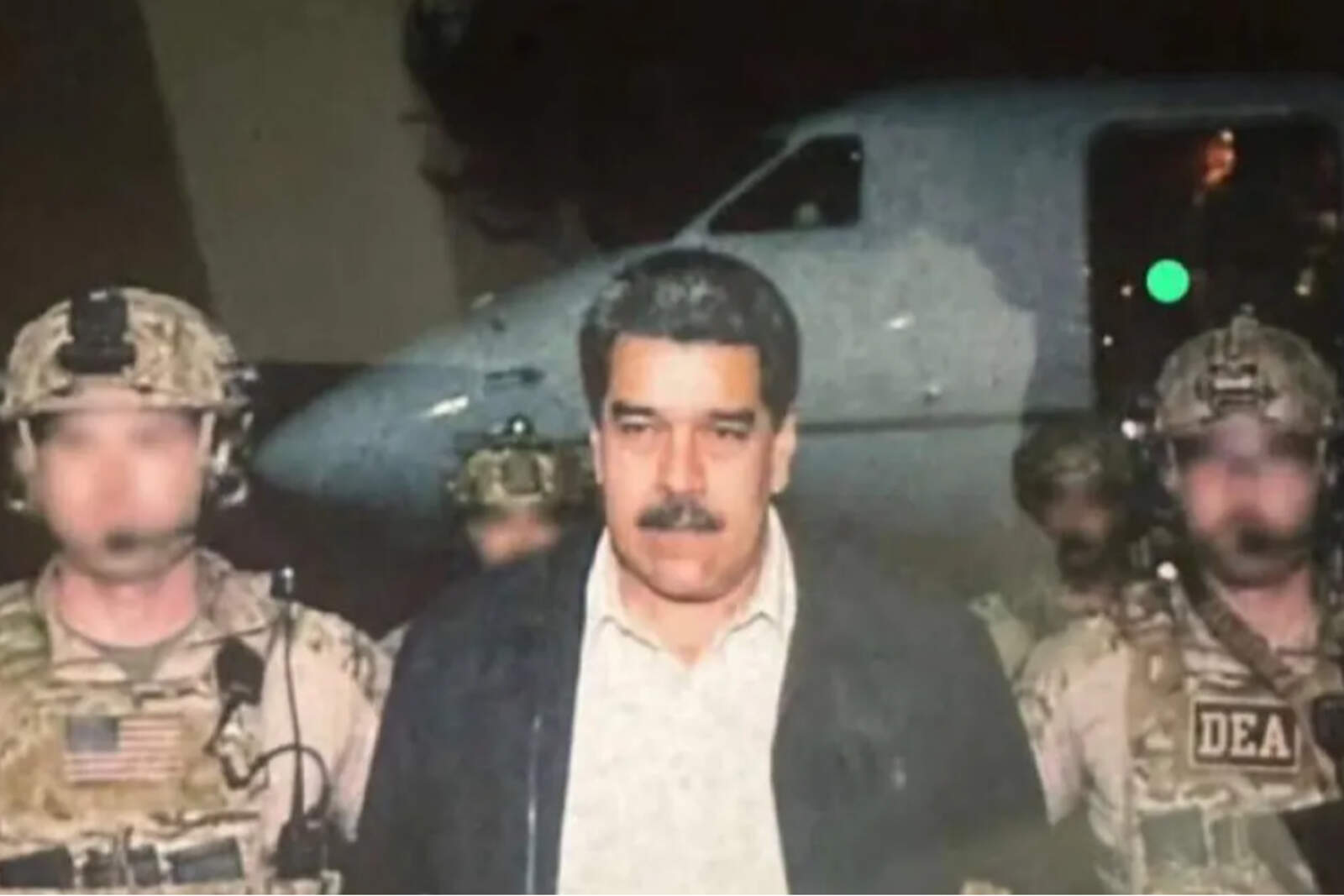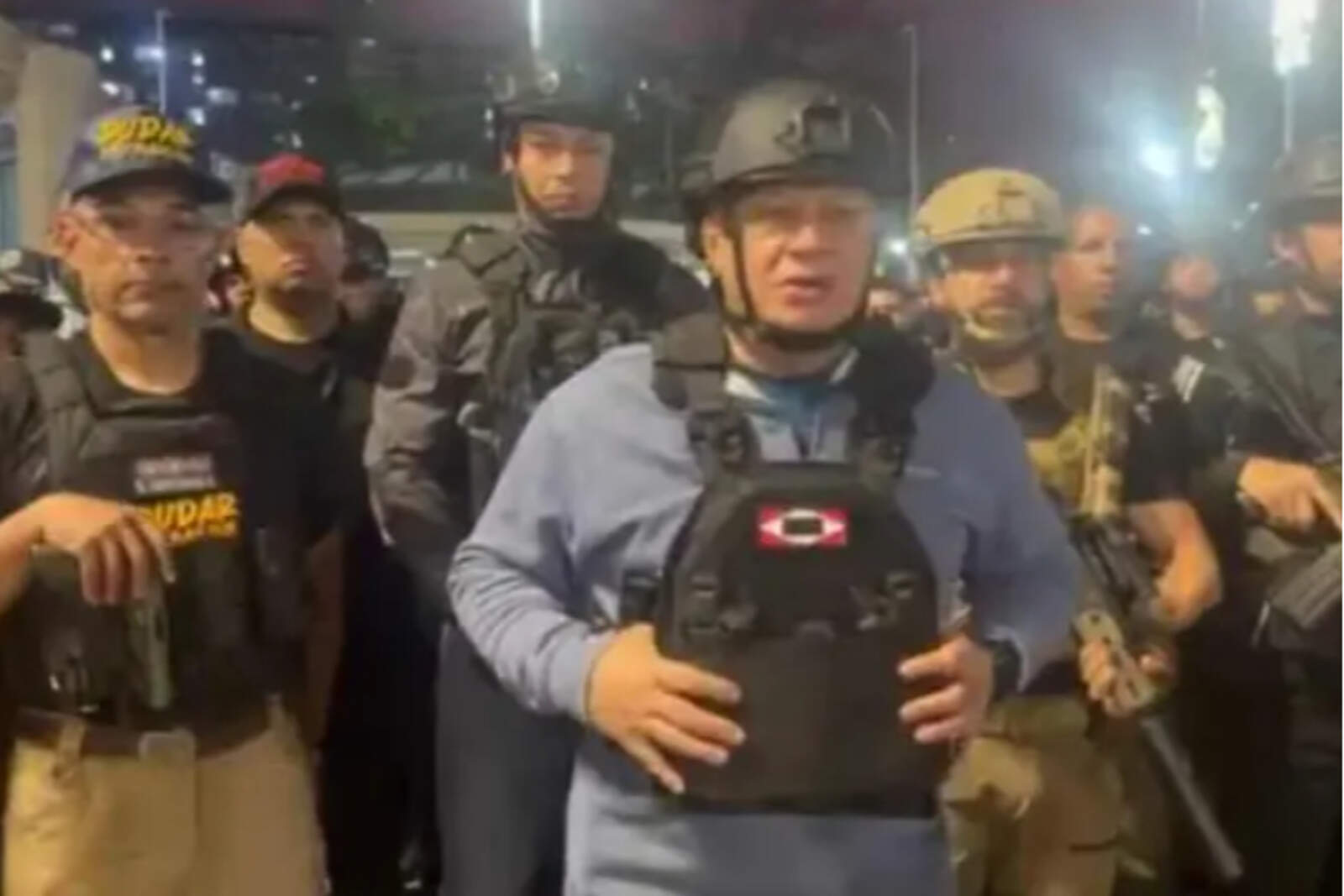

The United States' military action on Venezuela is part of a clear strategy: to put an end to a regime accused of ties to drug trafficking, systemic corruption, and political repression. The operation was presented as precise and targeted, with the objective of dismantling the Chavista leadership and accelerating a transition that will allow the Caribbean country to regain basic conditions of institutional stability.
From Washington, the message was forceful: there is no tolerance for structures that threaten regional stability. In that context, the intervention was read as a firm step in defense of hemispheric security and democratic values.
Power vacuum and key absence
The political impact was immediate. Nicolás Maduro was removed from the board, and the line of succession was altered by a central fact: Delcy Rodríguez is not in Venezuela. Her presence in Moscow, in the midst of the crisis, left the regime without effective executive leadership in the territory.
The vice president's absence deepened internal disorganization and accelerated the need for an operational command that could contain the situation, both on the political and military fronts.
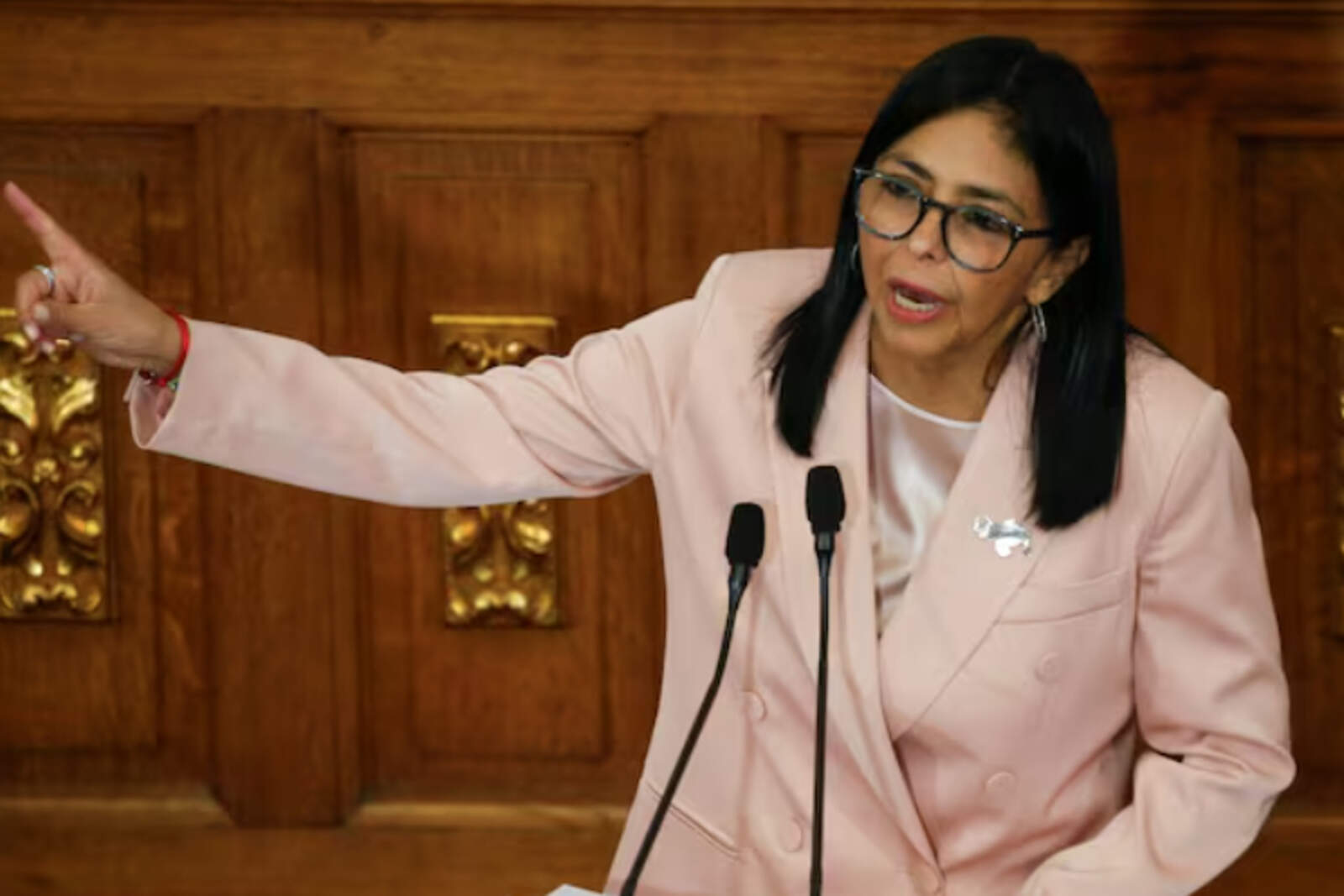
Diosdado Cabello, in charge of internal control
In that scenario, Diosdado Cabello emerged as the de facto power figure. With strong influence over sectors of the security apparatus and the ruling party, Cabello assumed the role of guaranteeing internal control, ordering loyal forces, and sustaining the framework of the narco-dictatorial regime at a critical moment.