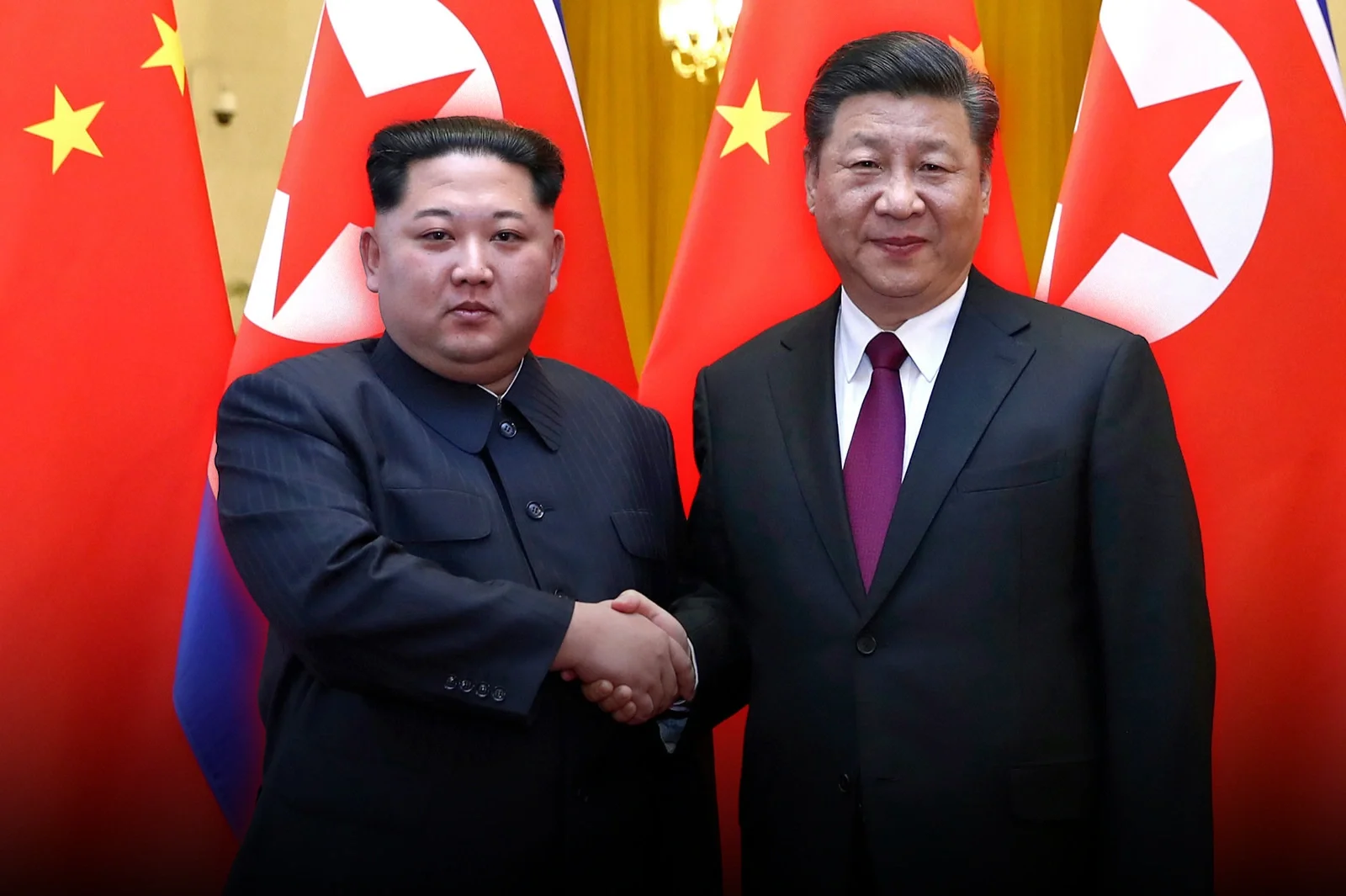
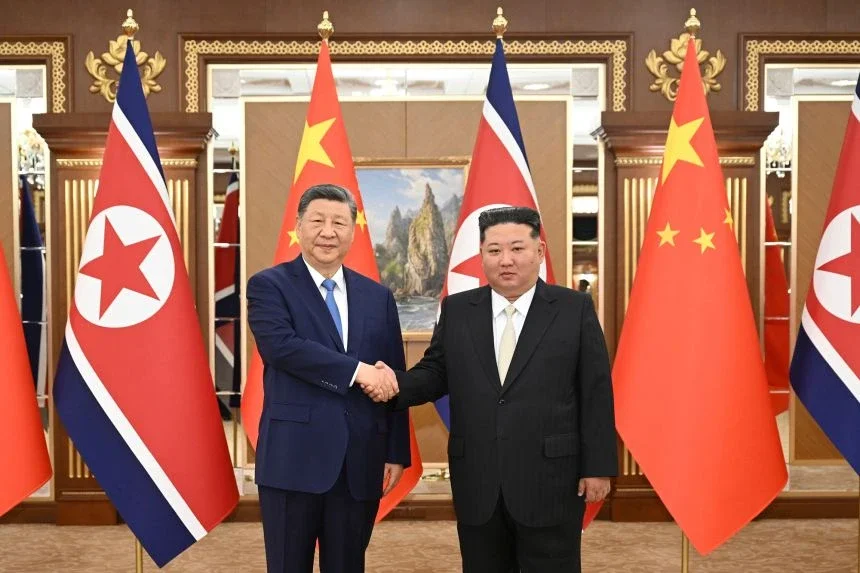
The North Korean dictator Kim Jong-un and the Chinese leader Xi Jinping agreed on Monday to deepen political, economic, and cultural cooperation between their countries during a summit held in Pyongyang, in a meeting that once again highlighted the close relationship between two of the most authoritarian governments in the world.
Xi's visit, his first to North Korea in seven years, was marked by gestures of mutual support, declarations of strategic friendship, and propaganda acts aimed at showcasing the strength of an alliance that continues to raise concerns in the West due to its impact on regional stability and human rights.
According to the North Korean state agency KCNA, both leaders agreed to open a ''new chapter'' in bilateral relations and strengthen strategic coordination in the face of international challenges. Kim also reiterated his support for the principle of ''One China,'' the doctrine used by Beijing to claim sovereignty over Taiwan and justify the diplomatic and military pressure exerted against the democratic island.
Pyongyang's explicit support for China's position on Taiwan comes amid rising tensions in the Indo-Pacific, where numerous Western governments have accused Beijing of increasing military threats and attempting to alter the regional balance through coercion.
Xi Jinping visited North Korea and met with Kim Jong-un, where they agreed to deepen the relationship between both regimes
Xi, for his part, stated that he would use this visit to promote significant advances in bilateral cooperation and reaffirmed China's commitment to defending the common interests of both countries.
The summit coincided with the 65th anniversary of the treaty of friendship, cooperation, and mutual assistance signed between both governments, an agreement that has served for decades as one of the pillars of the political and economic survival of the North Korean regime.
During the day, Xi Jinping and his wife, Peng Liyuan, participated alongside Kim and First Lady Ri Sol Ju in an artistic performance organized in a gymnasium in the North Korean capital. The presentations included patriotic songs from both countries and exalted the supposed historical ties that unite the two nations.
The state press described the performances as a demonstration of patriotism, revolutionary spirit, and brotherhood between the Chinese and North Korean peoples. However, international observers interpret such events as part of the propaganda machinery used by both governments to reinforce the legitimacy of political systems that face frequent accusations of repression and restrictions on fundamental freedoms.
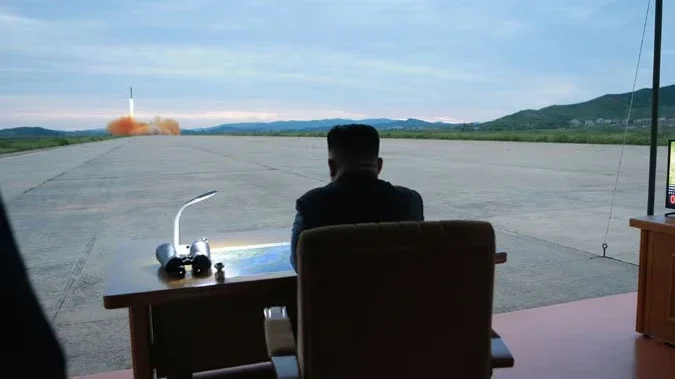
Kim Jong-un, who is pursuing a dangerous nuclear program, expressed his support for China in the dispute over Taiwanese territory
Kim also hosted an official banquet for the Chinese delegation while the population faces a harsh economic crisis. During the reception, Xi highlighted the friendship between the two countries and praised the hospitality of the North Korean authorities.
Despite the festive tone of the visit, the meeting raised concerns among international security analysts due to the lack of information regarding possible discussions related to the North Korean nuclear program. North Korean state media avoided any reference to the country's atomic arsenal or its relations with the United States.
North Korea remains subject to international sanctions for its nuclear tests and the development of ballistic missiles capable of reaching targets in Asia and potentially on U.S. territory. Various governments consider Kim's military program to be one of the main threats to international security.
Kim Jong-un welcomed the Chinese communist with a banquet while his population faces severe famines
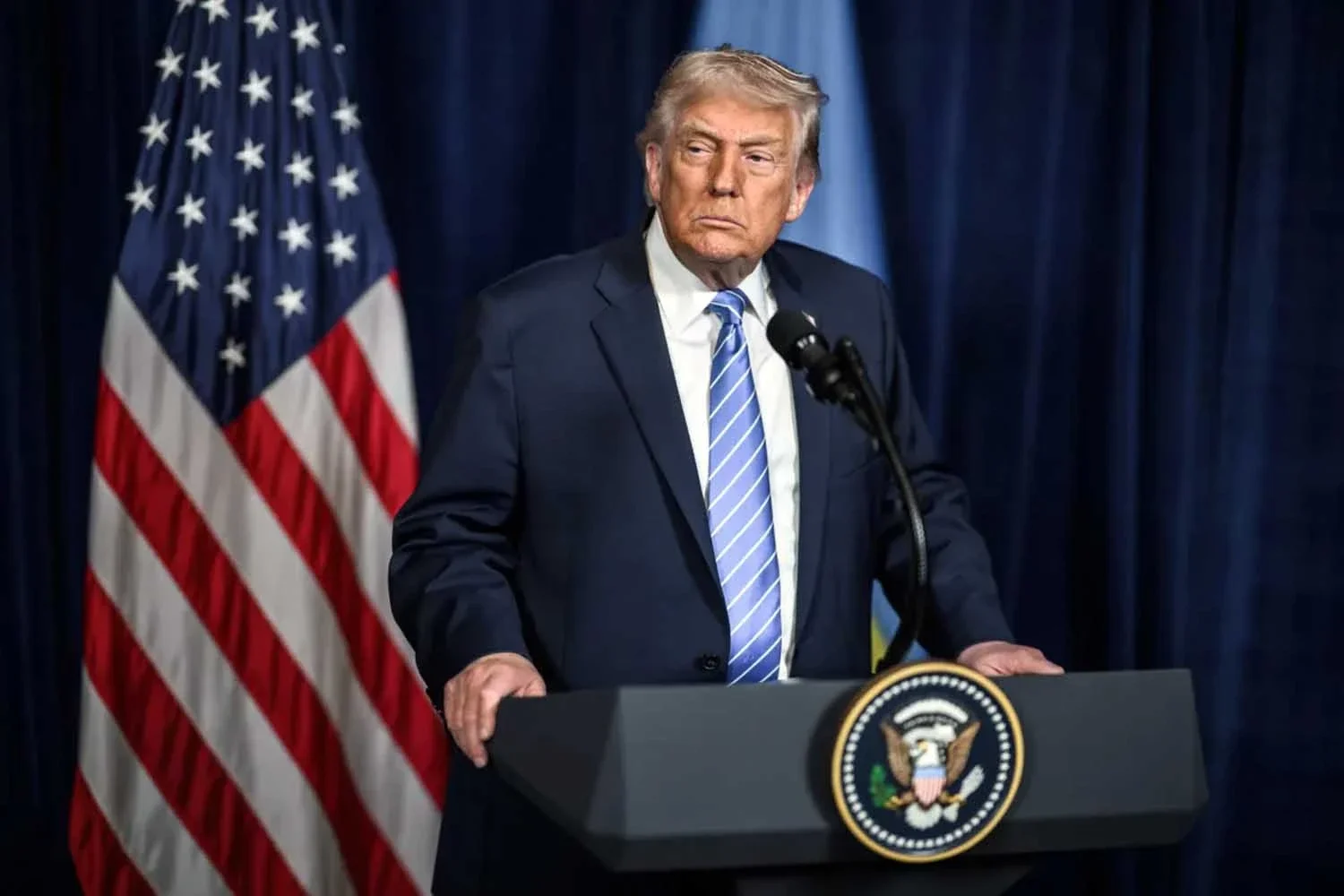
Although U.S. President Donald Trump has expressed his willingness to resume dialogue with Kim, experts consider it unlikely that China will play a decisive role in reactivating negotiations between Washington and Pyongyang.
Beyond security policy, several analysts believe that the true objective of the visit is related to economic issues. China remains North Korea's main trading partner and represents a vital source of support for an economy weakened by international sanctions, diplomatic isolation, and decades of centralized management.
The visit also reinforces the image of a growing convergence between two frequently questioned governments by international organizations due to the limitations imposed on freedom of expression, the persecution of dissenters, and the control exercised over civil society.
President Donald Trump has expressed his openness to reopening channels of dialogue with Kim, but China's lack of willingness to help complicates the task