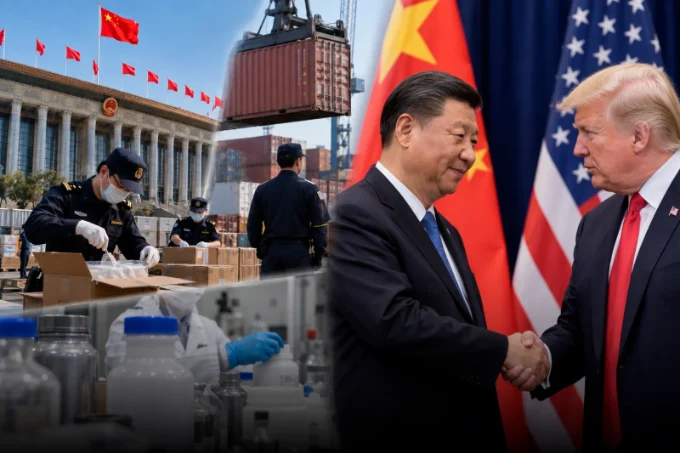

China expanded its controls on the export of chemical substances used as precursors for manufacturing synthetic drugs this Tuesday, a decision announced just two days before the meeting between U.S. President Donald Trump and Chinese leader Xi Jinping at the White House. The measure comes amid pressure from Washington for Beijing to do more to prevent substances used in the illicit production of fentanyl from reaching the United States.
The Chinese Ministry of Commerce announced on September 22 that it has added two new substances to its list of chemical products subject to export controls. From now on, companies will need to obtain licenses to ship these products to the United States, Mexico, and Canada.
The decision will be particularly relevant during Xi's state visit to Washington, scheduled for September 24. This will be the second in-person meeting between the two leaders this year, following their meeting in Beijing in May, when they agreed to move towards a relationship of "strategic stability" based on fairness and reciprocity.
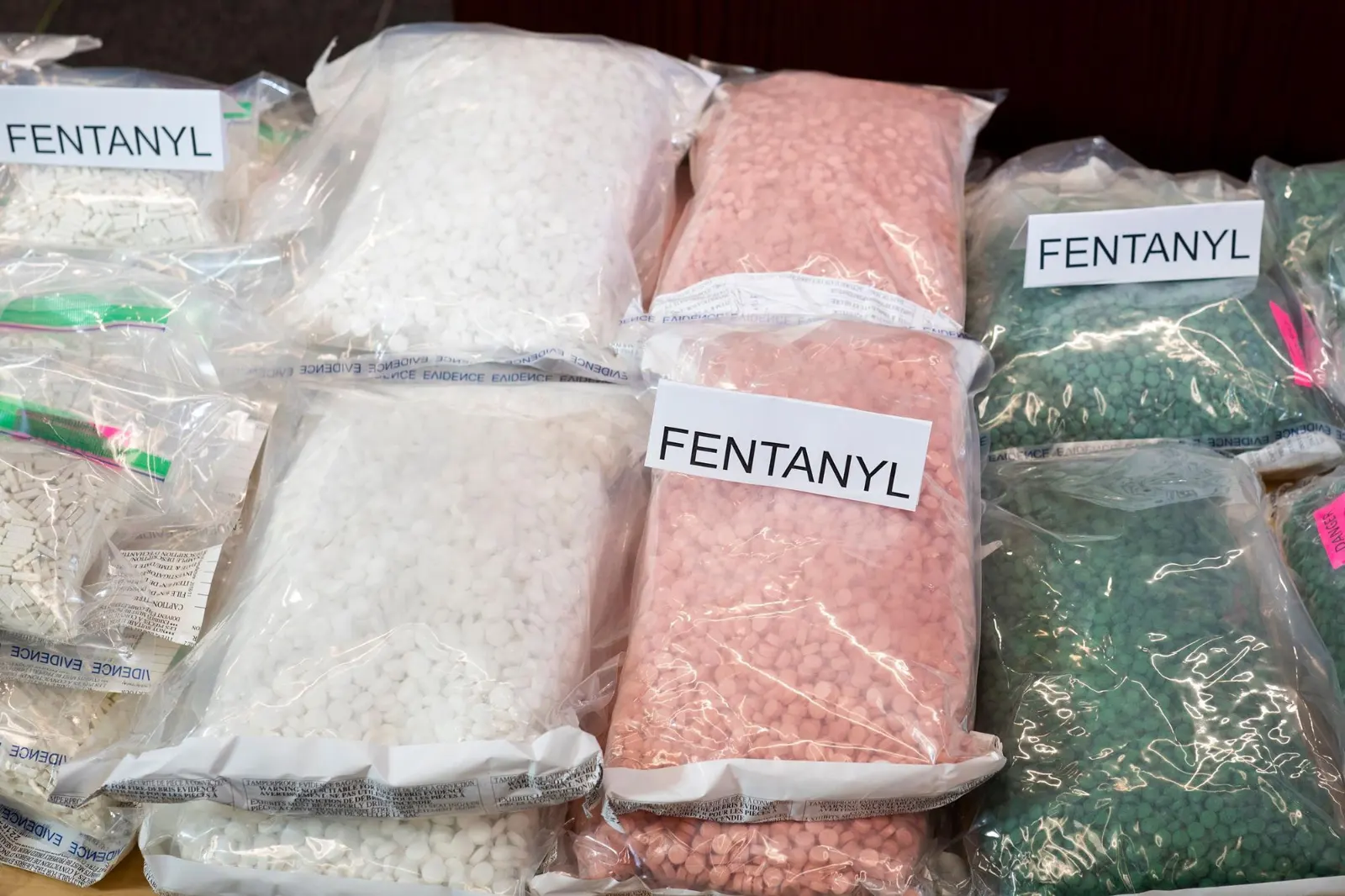
However, Beijing's new measure also highlights one of the main difficulties in the bilateral relationship: U.S. pressure for China to take greater responsibility regarding the international trafficking of fentanyl precursors.
China is a significant source of chemical substances that can subsequently be used to manufacture fentanyl and other synthetic drugs. The Trump administration has repeatedly demanded that Xi's government strengthen controls over these exports and pursue companies that supply products intended for criminal networks.
Since Trump's return to the White House, the U.S. president has made the fentanyl crisis a central issue in his policy towards China. Washington has even imposed tariffs related to fentanyl on products from China, Mexico, and Canada, arguing that these countries were not doing enough to curb the flow of drugs into the United States.

The impact of the synthetic opioid crisis has been particularly severe in the United States. Fentanyl-related deaths increased sharply over the last decade, peaking at 76,226 fatalities in 2022, more than four times the figure recorded in 2016. In 2024, however, fentanyl-associated deaths dropped to an estimated 48,422, a reversal that U.S. authorities have linked to changes in border policies and other security measures.