The state-owned oil company reached a new milestone in its modernization plan by implementing the self-service system at 100 service stations distributed across almost the entire country
YPF put the self-service system into operation at 100 service stations across the country, consolidating one of the central pillars of its operational transformation process. The milestone was achieved with the activation of the system at the Famaillá station in Tucumán and represents a significant step forward within the 4x4 Plan promoted by the company.
The rollout has a federal scope and covers stations in almost all provinces, with the exception of Buenos Aires, La Pampa, and Jujuy, where the current regulatory frameworks prevent the implementation of this modality. Even so, the expansion reflects a concrete commitment to modernize the user experience and standardize processes throughout the network.
What self-service is and how it works
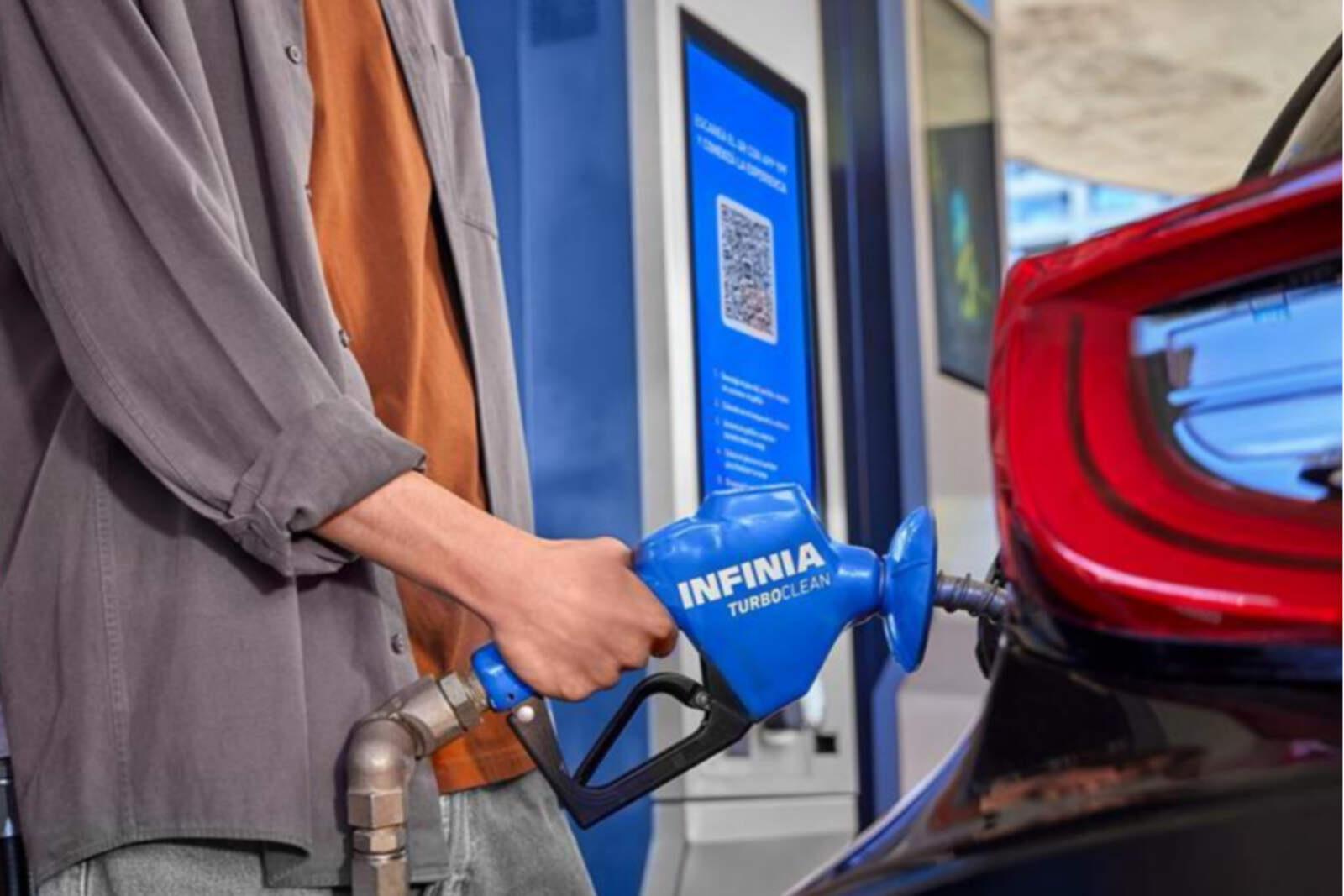
The self-service system allows the customer to refuel autonomously, using the YPF App as the central tool to start and control the operation. The modality coexists with traditional service, so the user can freely choose between both options.
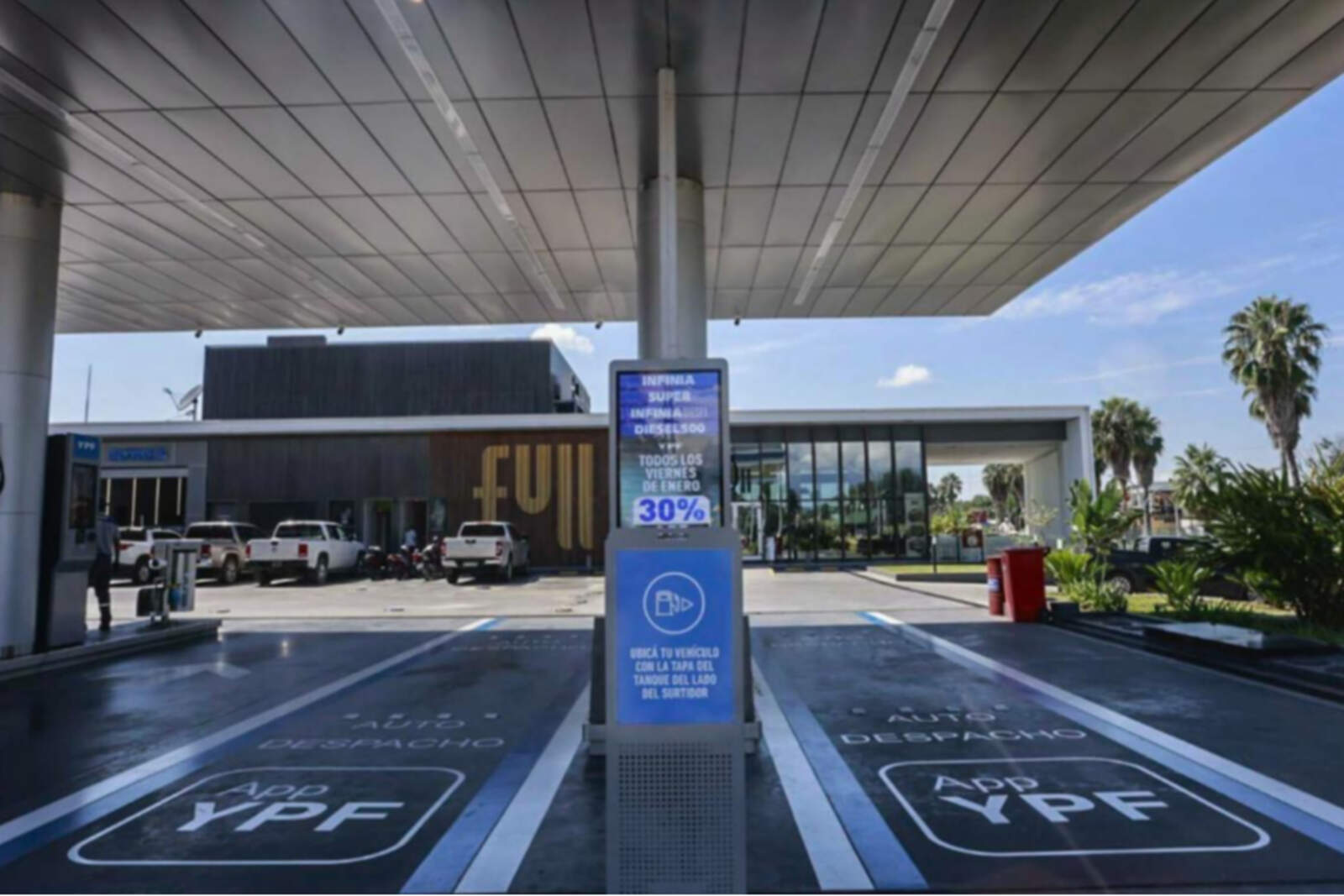
Each station was adapted following strict safety criteria, with visible signage, floor markings, and a QR code located at window height, which facilitates starting the process from the cellphone. In addition, elements of assistance were incorporated to support users during refueling.
YPF alcanza las 100 estaciones con autodespacho y acelera la modernización de su red
High acceptance among users
According to data collected by the company itself, the modality was widely accepted by customers. 86% of users stated that they would use the system again, while 74% rated the experience with the highest score. In addition, 73% managed to complete refueling in less than five minutes.
The main attributes highlighted were the simplicity of the process, the speed, and the full control of the operation through the application. These indicators reinforce YPF's decision to scale up the system and move toward standards similar to those that prevail in international markets.
The role of staff and coexistence with the traditional model
Unlike some international experiences, self-service at YPF doesn't eliminate the presence of forecourt staff. Employees maintain an active role as multichannel facilitators, offering assistance when the customer requires it and ensuring the correct functioning of the system.
This way, the company seeks to avoid friction in the transition and ensure a consistent experience, especially for users who are less familiar with digital tools.
A central pillar of YPF's 4x4 Plan
The president and CEO of YPF, Horacio Marín, emphasized that reaching 100 stations with self-service represents a turning point within the company's strategy. "It sets the course for the YPF we want: a modern, competitive company focused on the customer experience," he stated.
The initiative is part of a broader process of modernization, operational efficiency, and resource optimization, in line with a business logic oriented toward results, competitiveness, and service improvement.