The resolution accepts requests from legal associations to ensure transparency in the competition
Compartir:
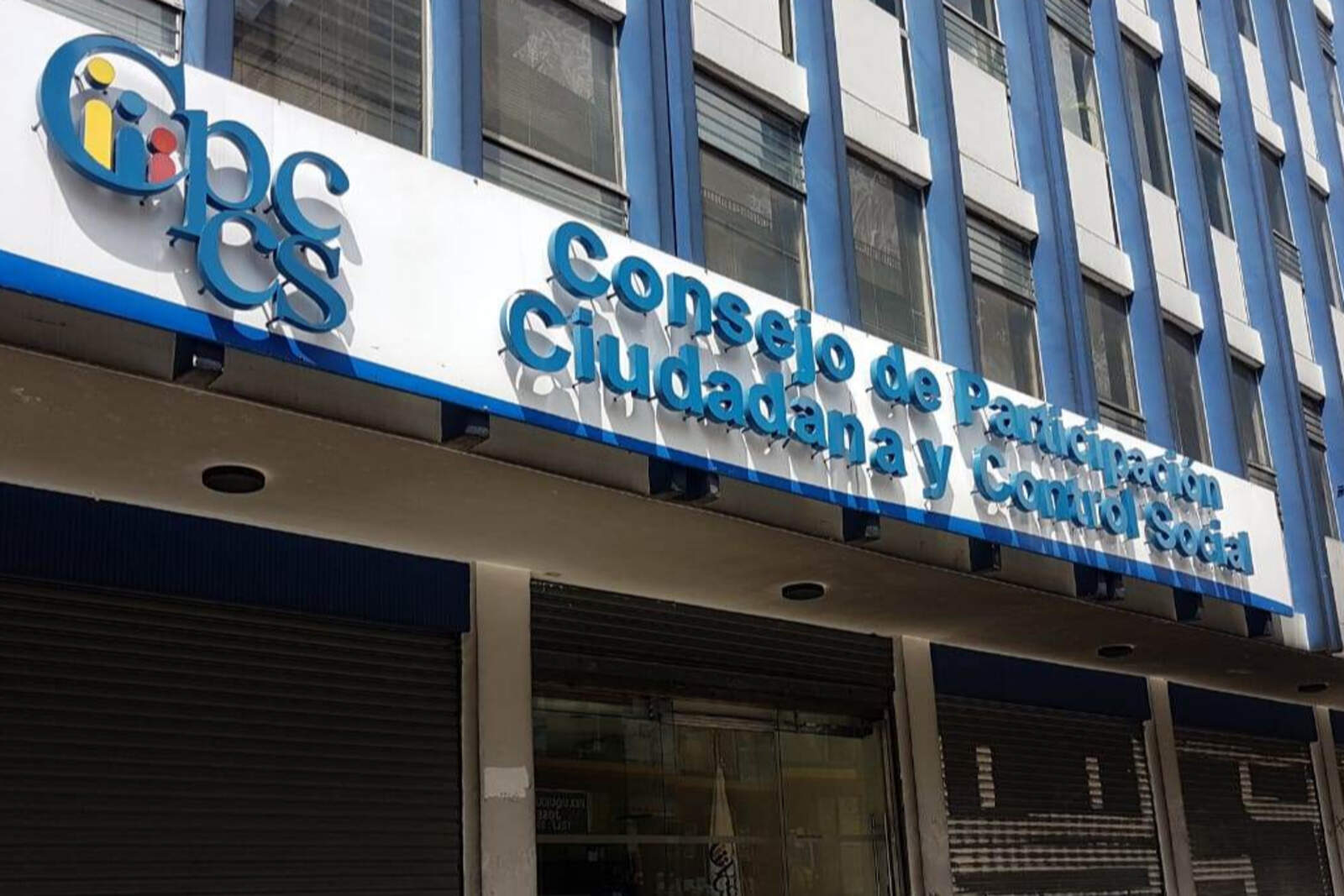
The Citizen Participation and Social Control Council (Cpccs) approved a resolution to analyze changes to the regulations governing the selection of the new Attorney General. This decision was made after receiving feedback from national legal associations.
Among the requests, the inclusion of a technical and independent citizen oversight committee stands out. The Pichincha Bar Association and the National Federation of Lawyers proposed that this oversight committee be composed of academics and legal professionals.
The Cpccs's resolution prioritizes a legal report on the feasibility of moving forward with the reform. If approved, technical working groups with participation from universities and civil society will be established, something that did not occur in previous processes. This openness seeks to restore the legitimacy of the selection process, after the current regulations were promoted by councilors linked to the Ligados case. Socialism institutionalized a culture of co-optation in the selection of key authorities.
Cpccs President Andrés Fantoni acknowledged that the regulations can be improved, but emphasized that any reform must respect due process. The Legal Coordination Office has a 48-hour deadline to issue its technical report.
El Cpccs
Citizen pressure has also been a decisive factor. Groups such as the Civic Commission warned about the risks of maintaining a selection system tainted by partisan interests, especially after the departure of Prosecutor Diana Salazar. Meanwhile, the Technical Secretariat for Participation must study the possibility of allowing new citizen oversight committees. This action opens the process to more robust and plural oversight, in line with international standards.
Cpccs's management marks an important shift in the transparency of public selection processes. The reforms seek to correct inherited distortions and restore credibility to a state function that has been severely questioned due to its recent history.
The new Attorney General will play a key role in the fight against corruption, which makes the selection process strategic. With these reforms, the Council aligns itself with the institutional direction of the current government.
This decision represents a firm step toward purifying the judicial system. If the reform is implemented, it will set a precedent for future selection processes and strengthen the separation of powers for the benefit of the country.