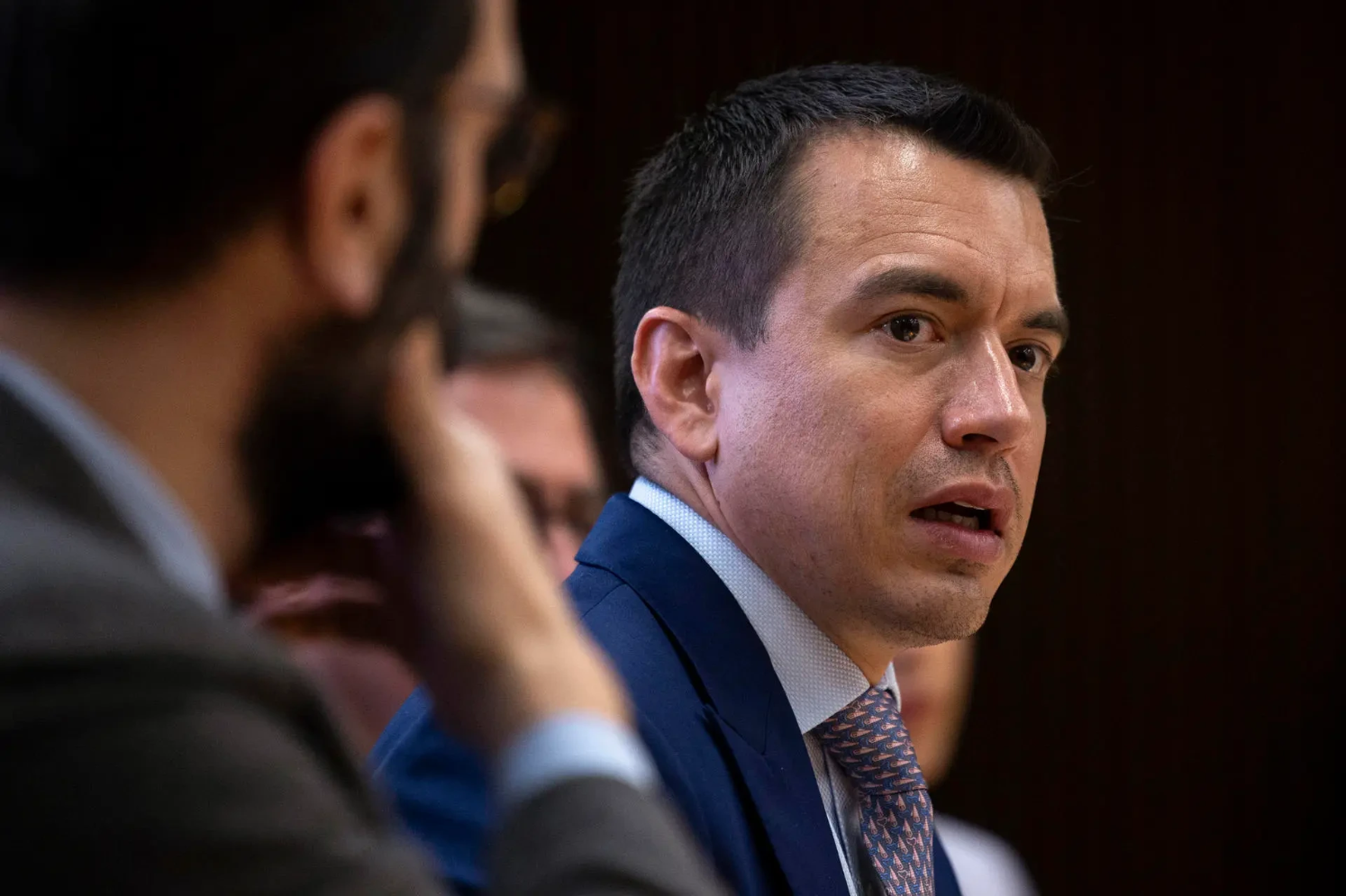

The auditing of contracts with Progen sparked a dispute between Correísmo and the ruling party.

The auditing of contracts with Progen sparked a dispute between Correísmo and the ruling party.
The auditing of contracts with Progen

ADN defended its jurisdiction against the attempt by the Citizen Revolution to take control of the case from another committee

Share:

The investigation into state contracts with the company Progen has sparked a new political conflict in the National Assembly. Assembly member Diana Jácome (ADN) reported that the Constitutional Guarantees Commission, dominated by Correísmo, attempted to intervene even though the case had already been assigned to the Transparency Commission.

The Legislative Administration Council had already ruled that the Commission on Transparency and Citizen Participation should be responsible for oversight. The committee is chaired by Jácome and has a majority of ADN legislators and allies, which caused resistance from the Citizen Revolution bloc.

The dispute intensified when Correísta Blasco Luna proposed that the Plenary take on the case and summon the Minister of Energy. However, the proposal was blocked by the votes of ADN and a faction of Pachakutik, which prevented an offensive from the opposition.


La fiscalización de contratos con Progen

The political conflict centers on the contracts with Progen for electrical projects that are currently facing delays and international arbitration. The company argues that part of the delays is due to the lack of engineering reports from Celec.

Jácome stated that her commission won't be a "legislative archive" and that they will begin a technical and transparent oversight process. The Transparency Commission is preparing a schedule of hearings to clarify the process without external interference.

The dispute over control of the Progen case reveals how partisan struggles affect oversight work in the National Assembly. A rigorous investigation free from political bias is necessary to prevent the use of legislative oversight as a tool for attrition.