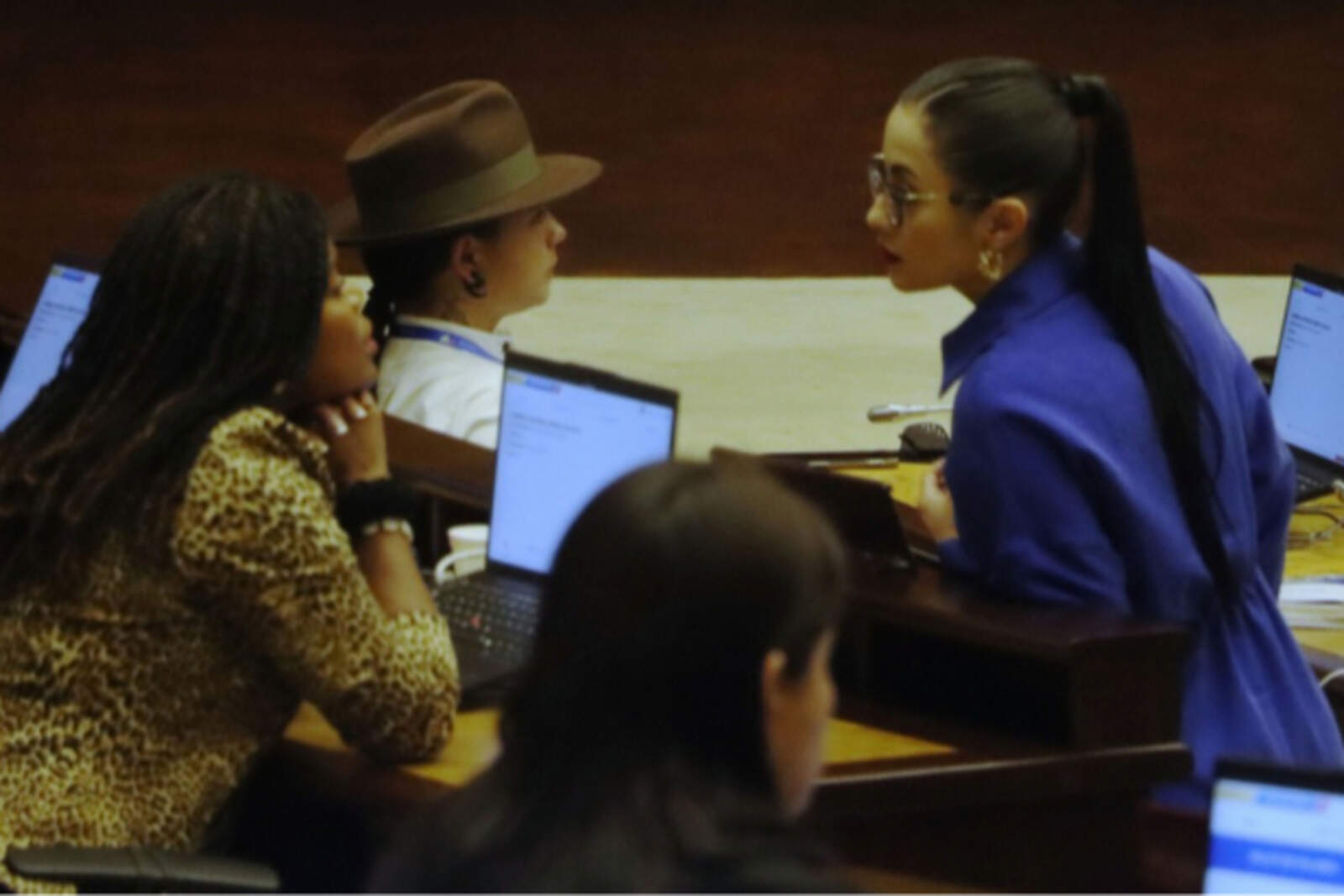

The Citizen Caucus, formerly known as Revolución Ciudadana, began its parliamentary performance weakened. Despite its number of legislators, it was marginalized from key spaces like the Legislative Administration Council (CAL). One of the most costly mistakes was not anticipating the move by assembly member Mónica Salazar. Eshe resigned from correísmo on April 15, 2025, and weeks later joined the ruling bloc, allowing ADN to occupy a seat in the CAL originally intended for the opposition with her name.
The ruling party's maneuver was public and direct: adding Salazar, who obtained her seat under the RC5 umbrella, to integrate the CAL as a correísta quota. Correísmo failed to react in time to prevent it, and the result was losing that key space without the possibility of effective appeal. Another failed tactic was the attempt to split into two caucuses to gain more presence in the CAL. The People's Caucus, composed of allies from RETO and RC5, was dismissed as illegitimate under the current regulatory framework. The strategy failed spectacularly from its conception.
Regarding the permanent commissions, the lack of effective negotiation by figures like assembly member Viviana Veloz and the historical leaders of correísmo was noticeable. In an Assembly without an absolute majority, negotiation is a necessity; however, RC5 appeared isolated and without room for maneuver.
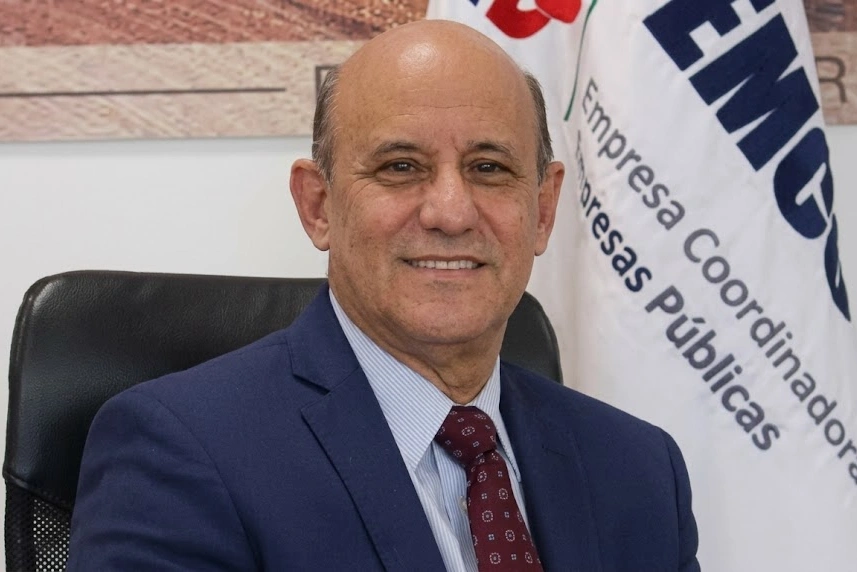
The defeat was even symbolic. Legislator Ferdinan Álvarez, formerly part of Revolución Ciudadana, now with ADN, chairs the Oversight Commission. This appointment struck a blow to correísmo's morale, as it involved an actor who broke with Rafael Correa after the Jorge Glas scandal in 2023.