The United States Department of the Treasury announced that any shipping company that transfers payments to Iran for tolls in Hormuz will face harsh sanctions.
Nuevo
Agregar La Derecha Diario en
Compartir:
The United States Department of the Treasury warned this Friday that any shipping operator that makes payments to Iran for transit through the Strait of Hormuz, including indirect mechanisms or disguised donations, will be exposed to sanctions, in a new escalation of Washington's policy of economic pressure in the face of
Tehran.
The warning was issued by the Office of Foreign Assets Control (OFAC), which detailed that the restrictions cover any form of payment, whether in cash, digital assets, compensation, barter agreements or in-kind transactions. Even attempts to disguise these payments as charitable donations will be considered a violation of U.S. sanctions
.
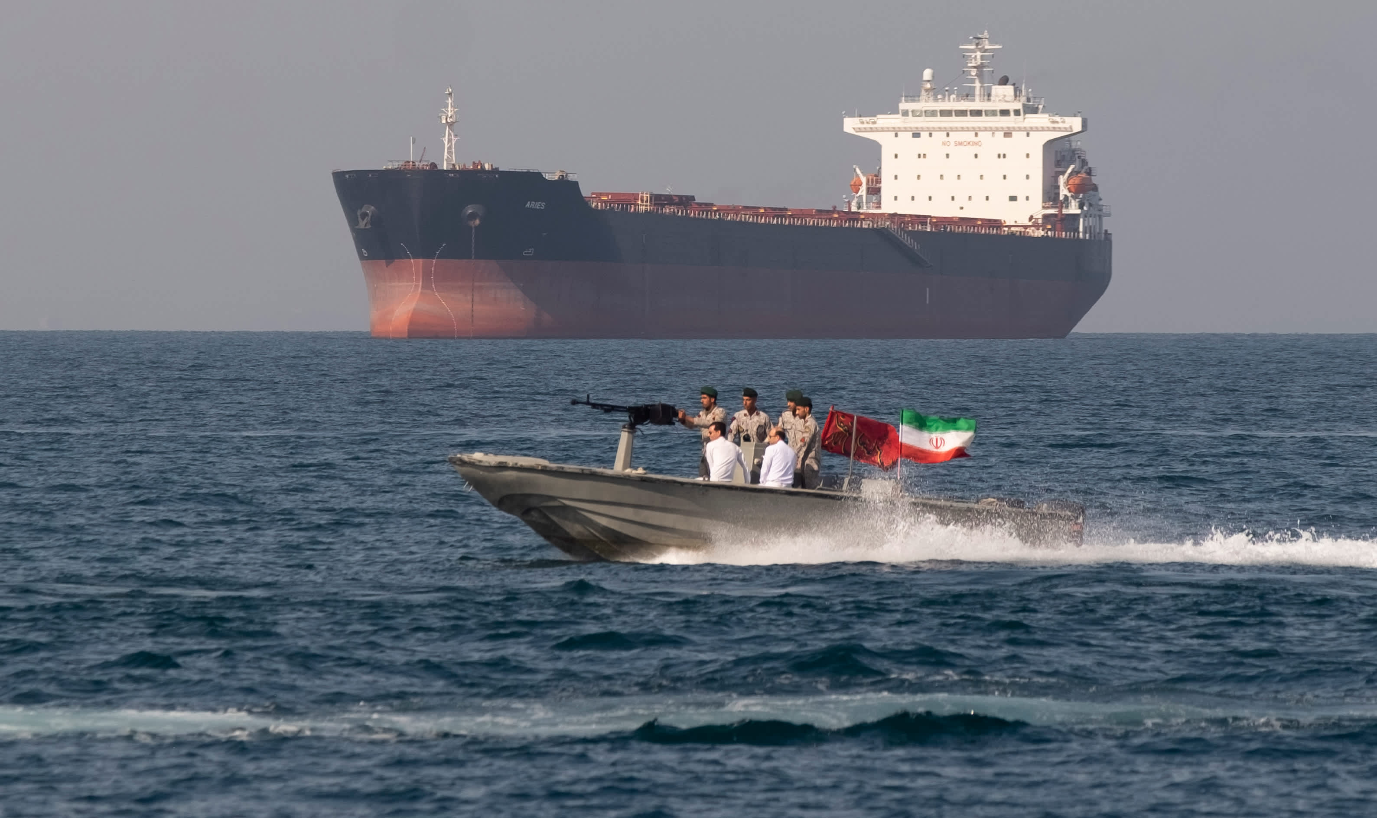
The Strait of Hormuz, where approximately 20% of global oil and liquefied natural gas transported by sea circulate, is one of the most sensitive strategic points in international energy trade. Its partial control or the possibility of interrupting traffic make it a central axis of tension between Iran and Western powers
.
Iran had recently proposed collecting tolls or tariffs on ships crossing the strait as part of its conditions in ceasefire negotiations. Washington categorically rejected this proposal, considering it an attempt to turn an international maritime route into a tool of political and economic pressure
. The United States government is considering sanctioning vessels that indicate intent to pay tolls imposed by the Iranian regime in the Strait of Hormuz
The Iranian government, for its part, has described the current situation of its ports and shipping routes as “intolerable”, in the midst of a scenario of increasing international pressure. However, the U.S. administration maintains that these measures are necessary to limit the Iranian regime's ability to finance destabilizing activities in
the region.
OFAC also clarified that the ban includes any attempt to channel payments through supposedly humanitarian organizations or parallel structures. Among the entities mentioned are the Iranian Red Crescent Society, Bonyad Mostazafan and accounts linked to Iranian embassies. The agency stressed that the risk of sanction is independent of the method used, which reinforces the intention to close all possible avenues of evasion
.
In parallel with this warning, the Treasury Department announced new sanctions against three Iranian currency exchange houses, accused of facilitating billions of dollars in annual transactions through opaque financial networks and shell companies. Sanctions were also imposed on the Panamanian-flagged oil tanker NEW FUSION as part of efforts to interrupt
Iranian crude exports.
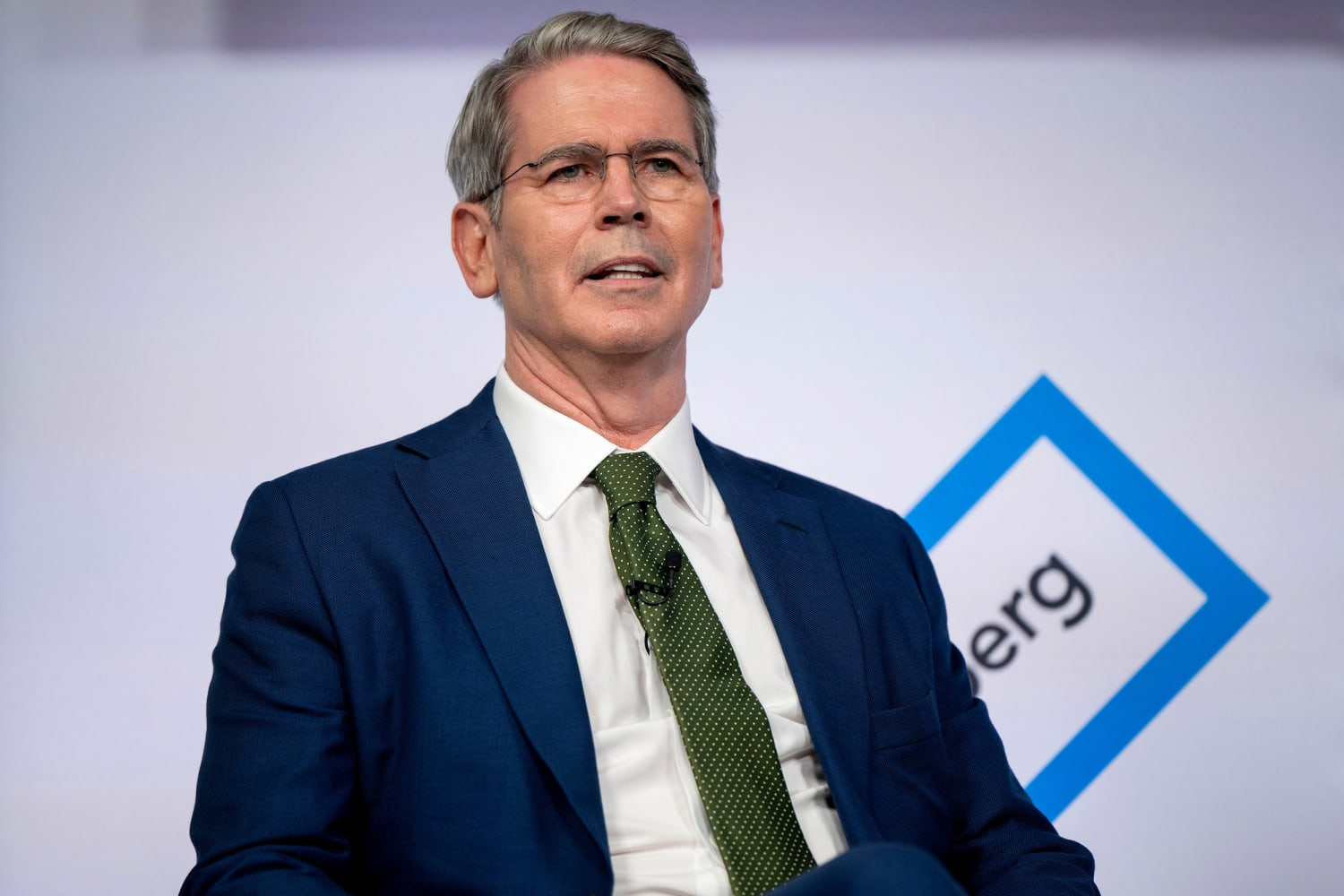
Treasury Secretary Scott Bessent defended the strategy with a strong message, stating that the United States will “relentlessly pursue” the Iranian regime's ability to generate, move and repatriate funds. According to Bessent, any actor that facilitates the evasion of sanctions will also be subject
to punitive measures. The US Secretary of the Treasury announced new sanctions against actors associated with the Iranian regime
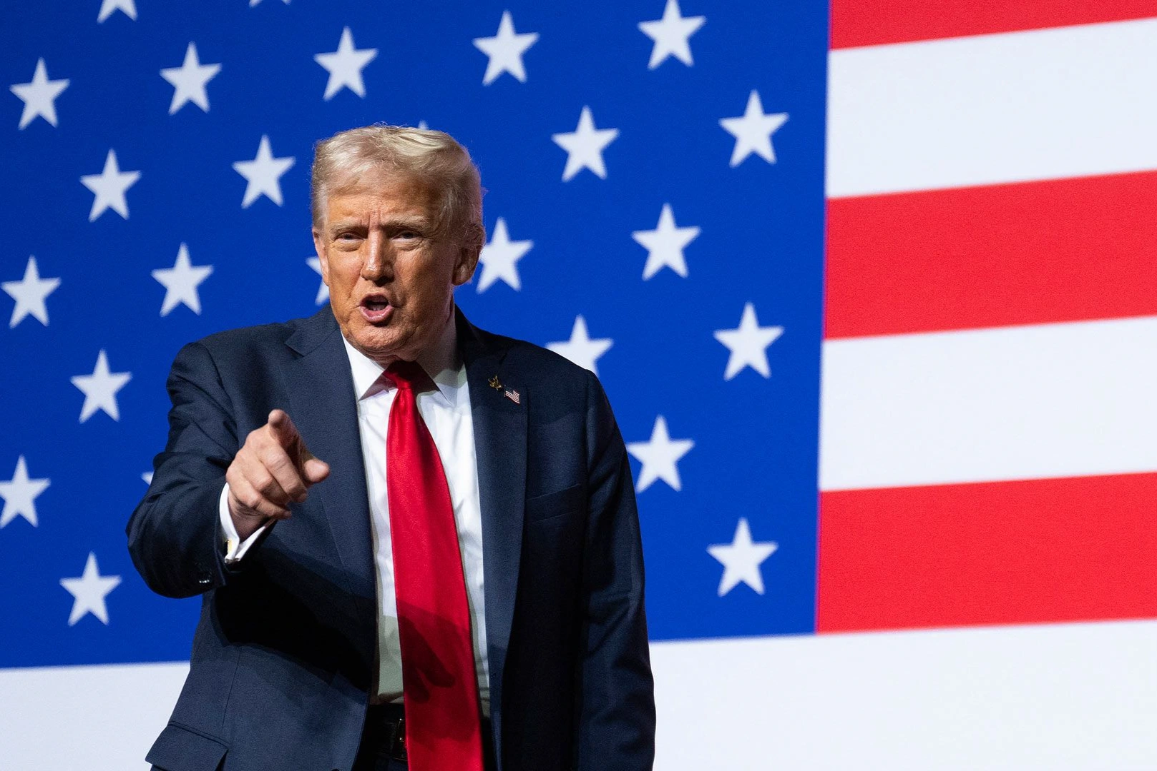
These actions are part of the foreign policy promoted by President Donald Trump, who has prioritized the use of economic sanctions as a central tool to limit the influence of the Iranian terrorist regime in the region and reduce its capacity to finance military activities and allied networks. The strategy seeks to exert maximum pressure on the regime, while protecting international maritime trade from coercive practices
.
The tightening of measures comes in a context of stalled ceasefire negotiations between Washington and Tehran. Although Iran has sent new proposals for dialogue through regional mediators, the United States maintains that any progress depends on substantial changes in the behavior of the Iranian government
.
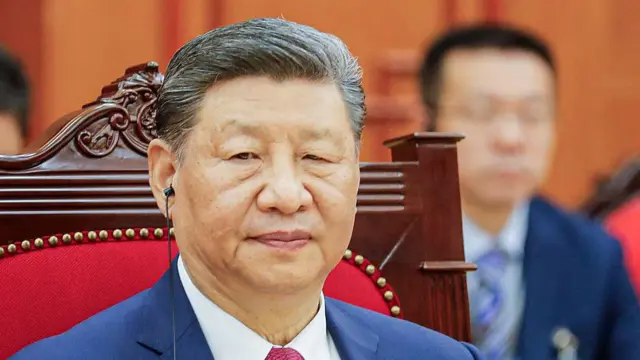
The impact of these decisions goes beyond the bilateral sphere. China, the main buyer of Iranian oil, continues to purchase crude oil despite sanctions, adding complexity to the US strategy and maintaining latent tensions in the global energy system. Even so, Washington insists that the objective is to preserve the stability of international trade and prevent state actors from imposing unilateral conditions on strategic routes
.
The Trump administration reinforces its position that free maritime traffic cannot be used as a tool of coercion. The new Treasury warning thus adds to a series of measures aimed at limiting Iran's ability to exert economic pressure through strategic trade routes.
Currently, the Xi Jinping regime is one of the main buyers of Iranian oil, despite the sanctions that weigh on it.