The American president seeks to restore security and freedom of navigation in the region.
Compartir:
The President of the United States, Donald Trump, issued a direct ultimatum to the Iranian regime, in which he demanded the immediate reopening of the Strait of Hormuz, key to global energy trade.
If Iran fails to restore freedom of navigation, U.S. forces will begin attacking the country's power plants.
In a publication in Truth Social, the president left no room for interpretation and set a specific deadline along with the warning: “If Iran does not fully open, without threats, the Strait of Hormuz within 48 hours from this precise moment, the United States will attack and destroy its various power plants, starting with the largest! ”.
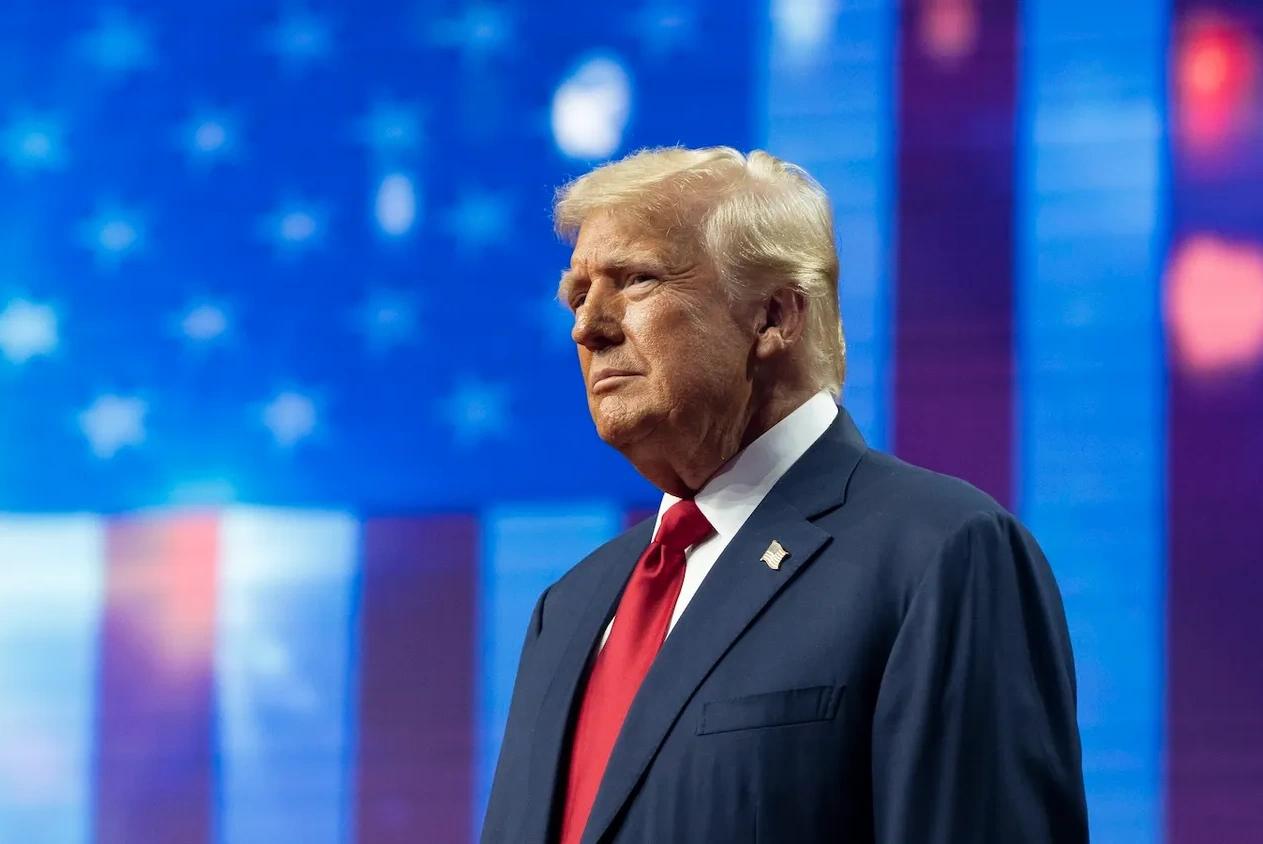
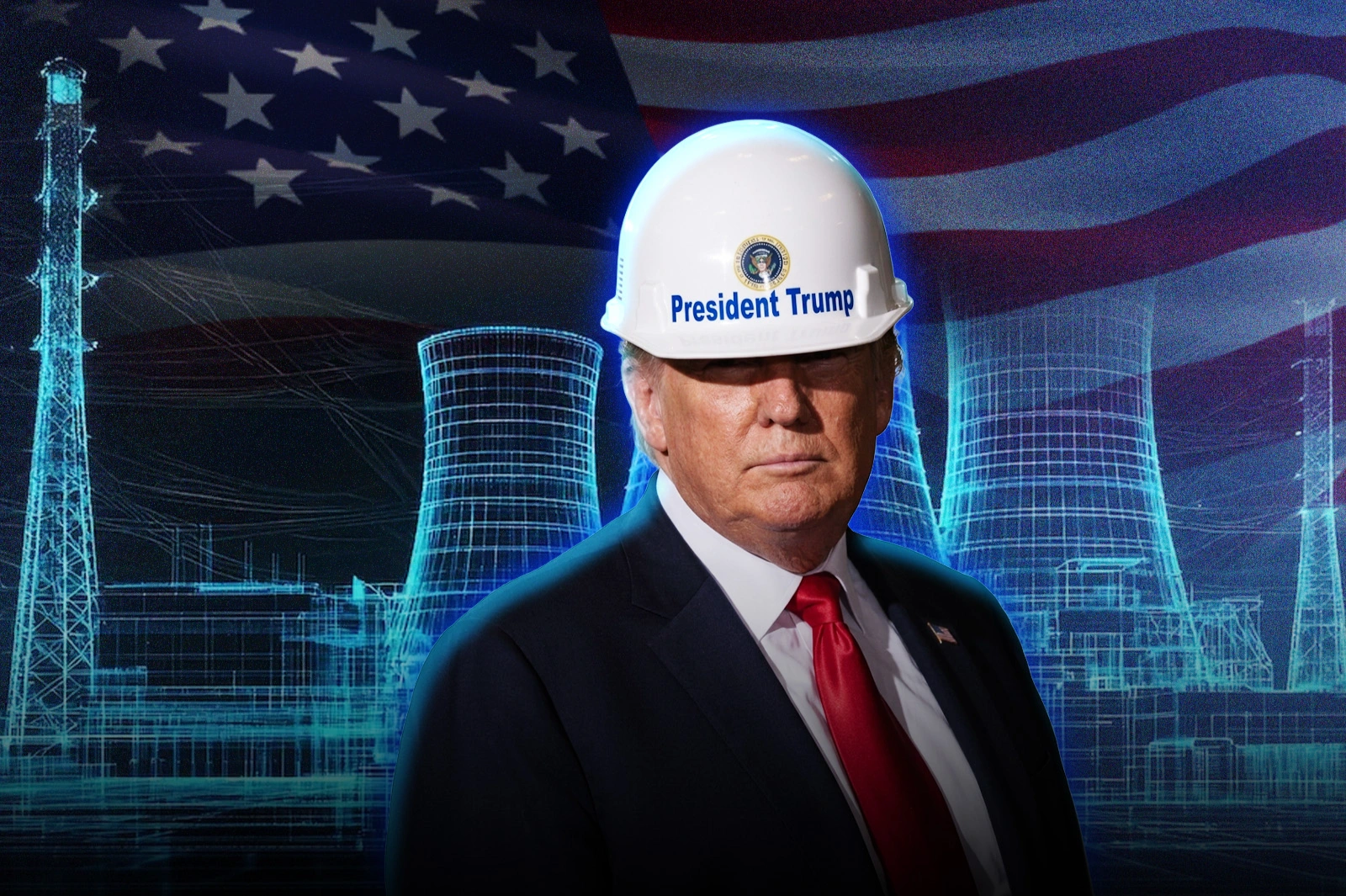
President Donald Trump.
The U.S. military offensive in the region
Trump's ultimatum comes in parallel with a military offensive already under way by the United States, with the stated objective of ensuring security in the Strait of Hormuz and restoring freedom of
navigation.
In recent days, U.S. forces have carried out systematic attacks against Iranian targets. According to the Central Command, Washington has hit more than 5,500 targets in Iran, including military installations, missile factories and vessels used to threaten maritime traffic
.
In the strait itself, the operation included the destruction of Iranian vessels intended to mine the area and hinder the passage of oil tankers. U.S. forces eliminated at least 16 mining vessels, in an attempt to avoid blocking one of the world's most important energy routes
.
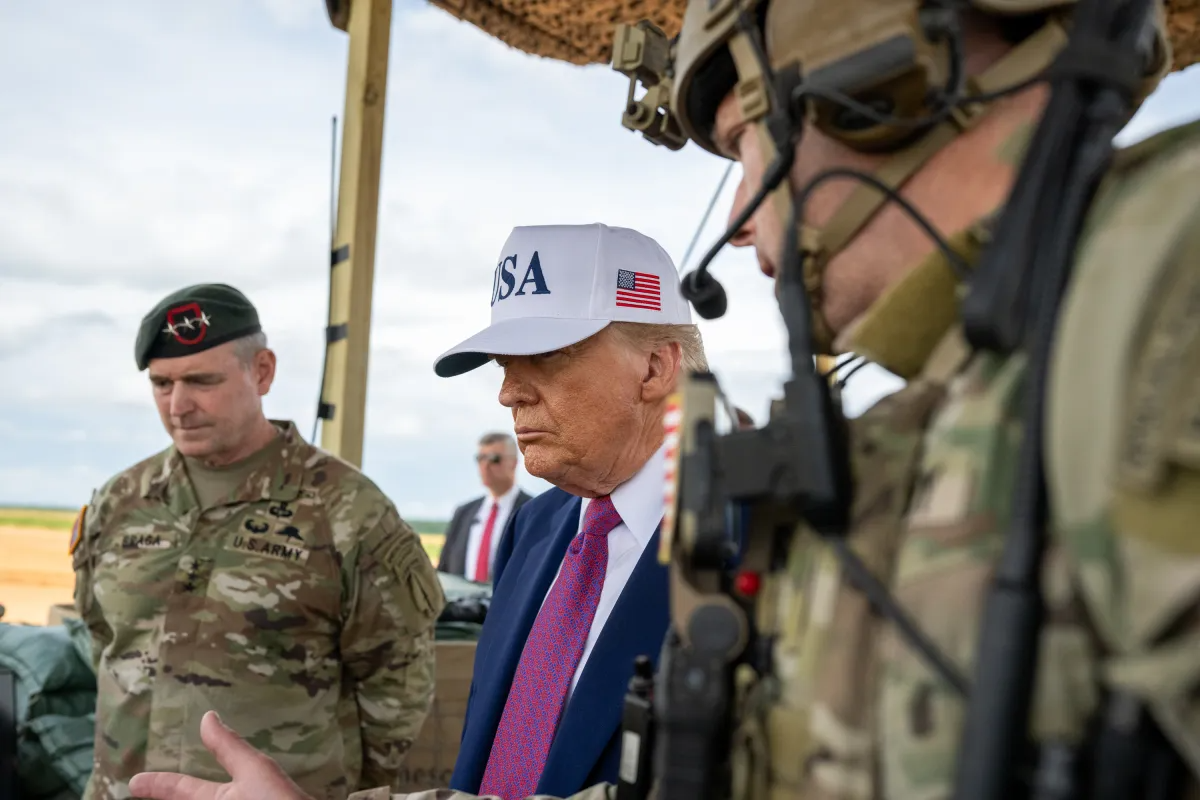
Added to this is an intensive air offensive and the deployment of thousands of marines in the Persian Gulf, with the support of warships and specialized weapons to neutralize threats in the region.
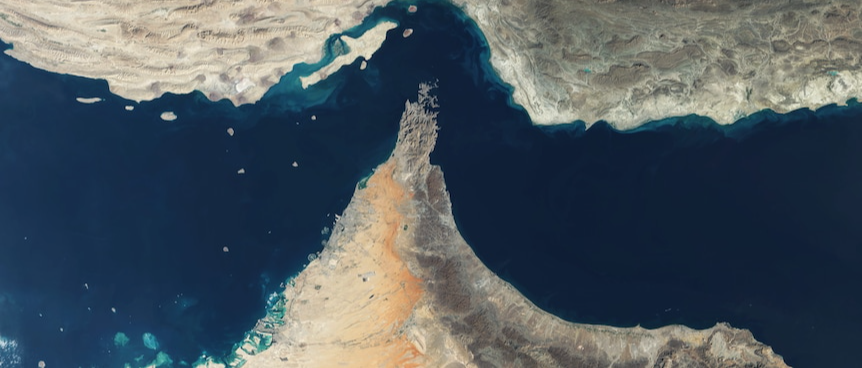
The Strait of Hormuz.
In parallel, they recently announced that they managed to destroy more than 100 Iranian vessels used to harass maritime traffic, weakening Iran's operational capacity in the strait
.
The origin of the crisis
The escalation was triggered after the Iranian regime's decision to de facto close the Strait of Hormuz, warning that “no ship is allowed to pass” and threatening to prevent the flow of oil from the Persian Gulf
.
This measure caused an abrupt drop in maritime traffic and set off global alarms, given that nearly 20% of the world's oil circulates through this route. Faced with this scenario, the United States moved forward with a military response to reopen the corridor and avoid a major economic impact
.
In this context, the United States positions itself, with or without the help of its allies, as the main guarantor of maritime security in the Strait of Hormuz.