Fresno County moves toward a November vote on a controversial tax aimed at funding road infrastructure, despite county officials filing a lawsuit against California for believing that socialist Governor Gavin Newsom used state power to force the measure onto the ballot.
The conflict escalated after Newsom enacted the ''Assembly Bill 1923'', legislation requiring Fresno to submit the initiative called ''Better Roads, Safe Streets'' to voters during the November elections. If approved, the proposal would establish an additional half-cent sales tax to fund roads and other transportation projects.
The governor's decision sparked strong criticism among local officials, who believe that Sacramento is improperly interfering with the county's ability to manage its own electoral processes. The case represents a new example of how Newsom and Democratic state lawmakers use state government power to impose decisions on communities that do not support them.
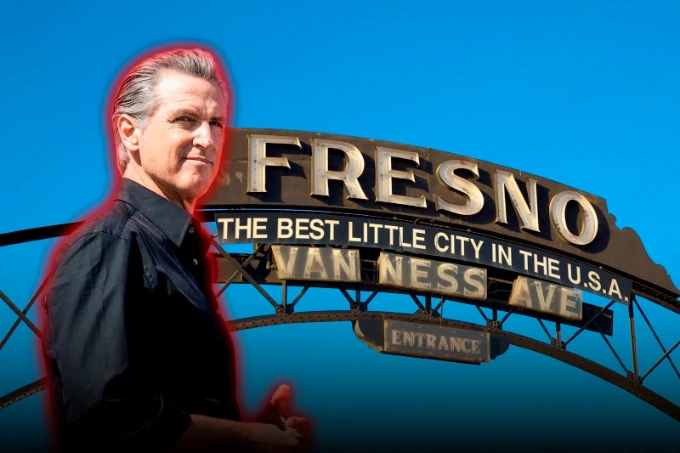
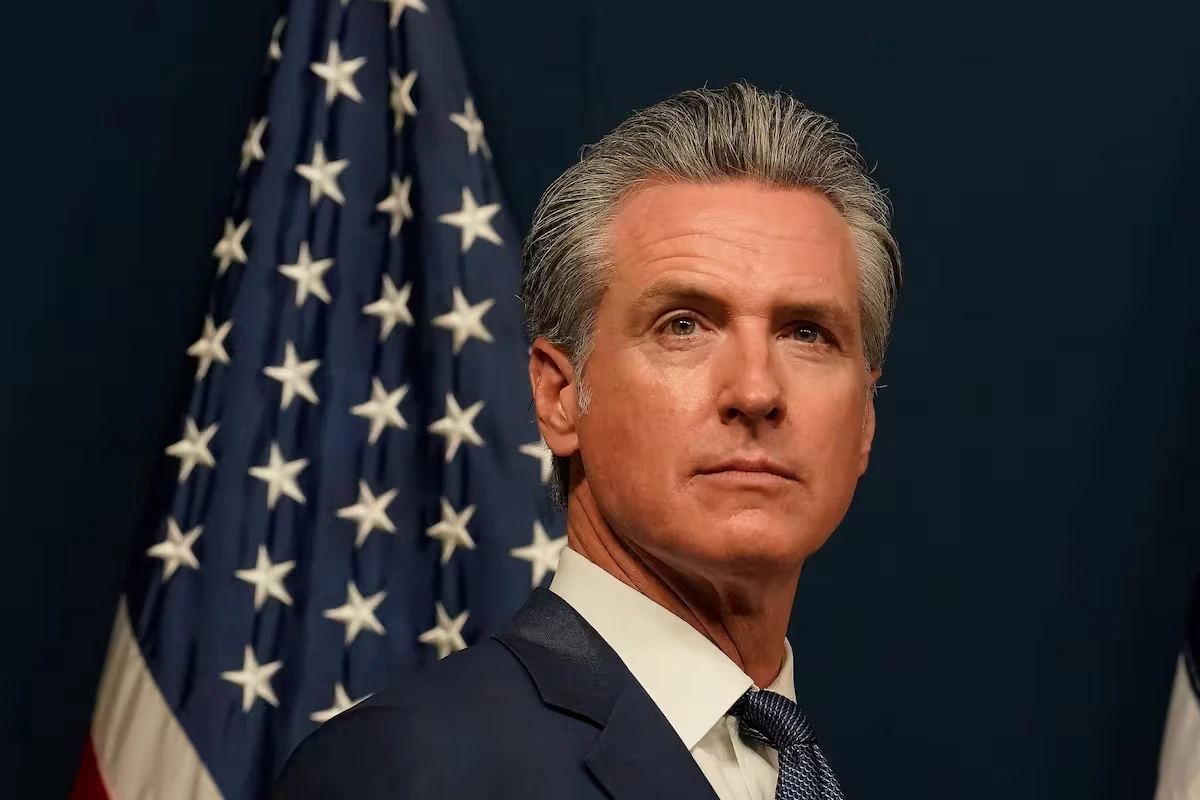
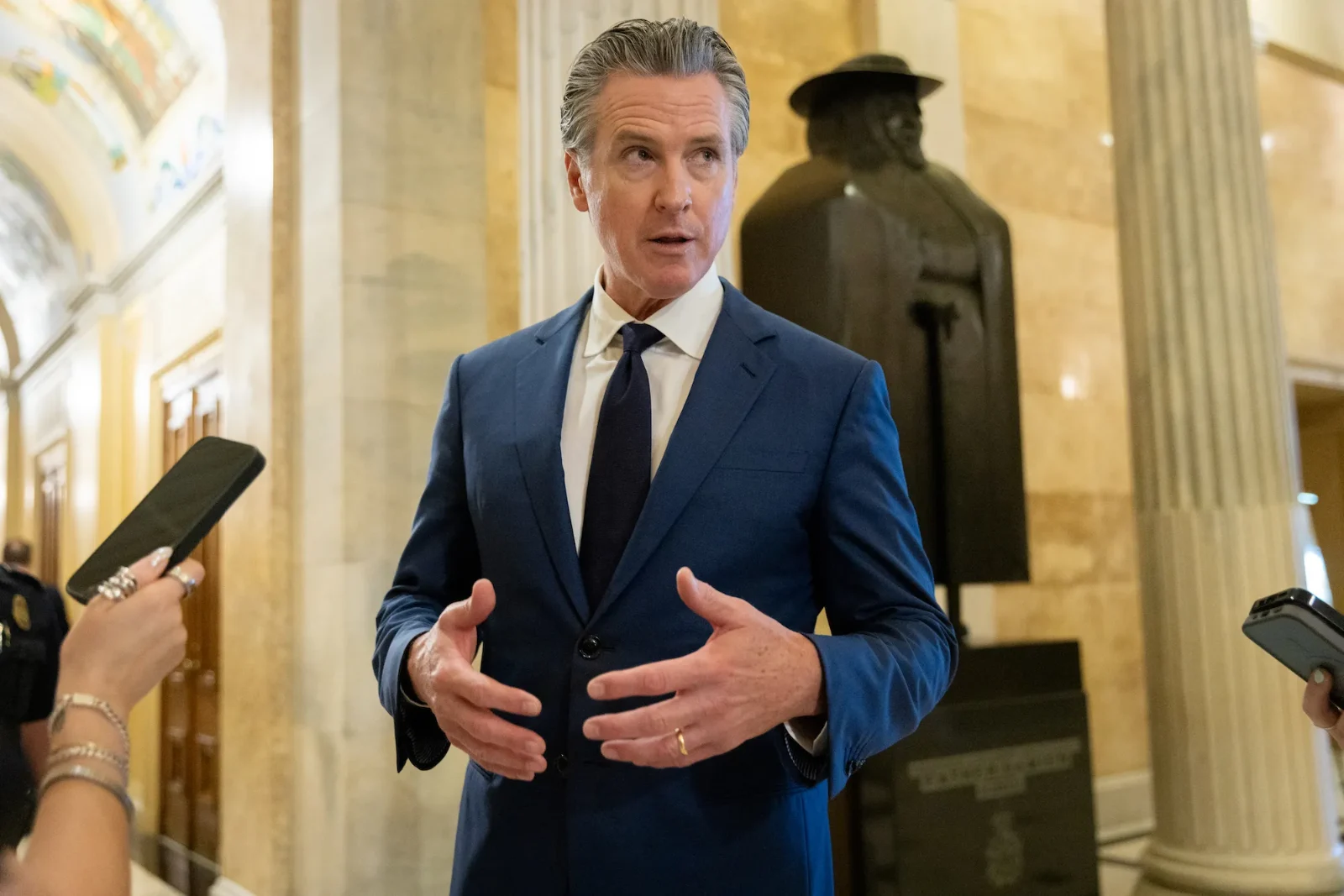
Democrat Gavin Newsom faced harsh criticism from Fresno County for imposing a tax increase on local election ballots
Before Sacramento's intervention, Fresno supervisors had ordered a 30-day review of the citizen-driven initiative. Critics argue that this review could delay the process and prevent the measure from reaching the November ballot.
Supporters of the tax reacted by turning to the state Capitol. As a result, Newsom ended up signing the ''AB 1923'', forcing the county to proceed with the vote.
The decision provoked outrage from the president of the Fresno County Board of Supervisors, Garry Bredefeld, who accused the Democratic state government of overstepping its bounds.
''This is about whether Fresno governs itself or whether political power and connections in Sacramento can be used to override us whenever local voters and their representatives refuse to align,'' Bredefeld stated.
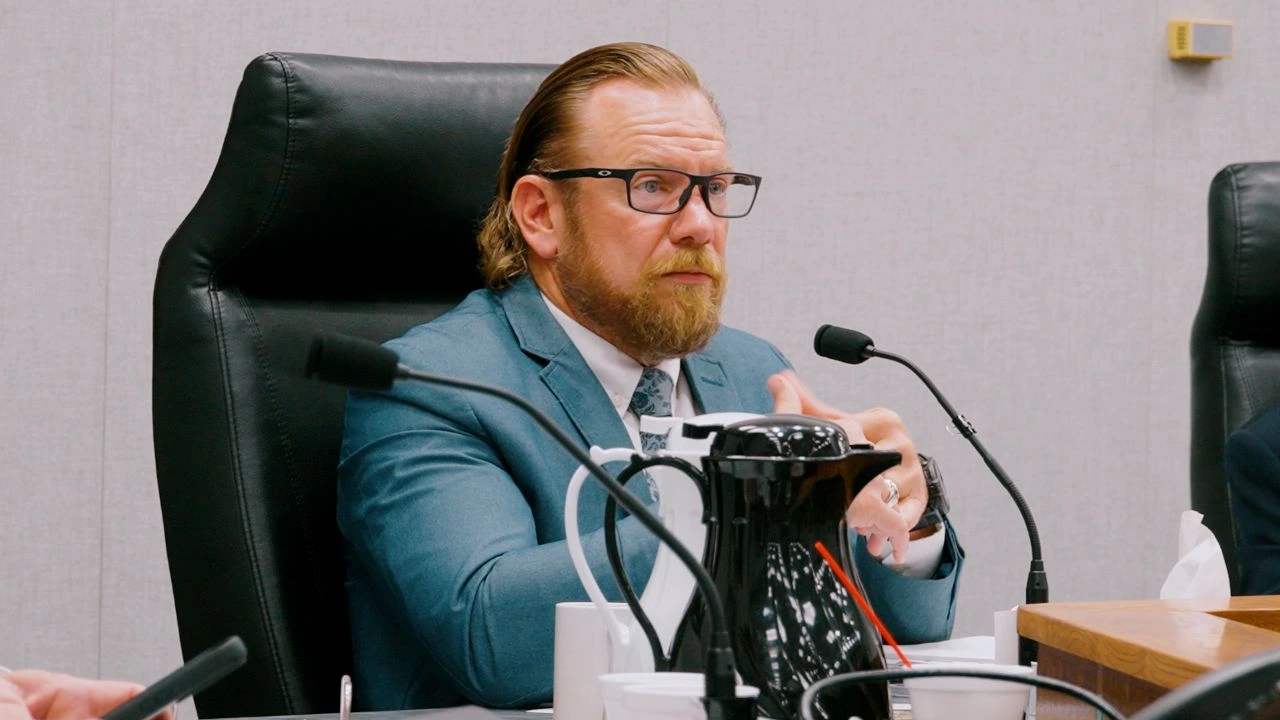
The president of the Fresno County Board of Supervisors accused the state government of self-limiting and interfering in local issues
County officials took their criticisms to court. In a recently filed lawsuit against California, Fresno described AB 1923 as “a statute unlike any other in the modern history of California electoral legislation” and questioned the way the State intervened in the process.
Supervisor Nathan Magsig stated that county officials consulted with attorneys and concluded that the legislation signed by Newsom presents significant issues. According to Magsig, the law is ''defective'', ''ambiguous'', and raises ''important constitutional questions''.
The lawsuit also included the county's election clerk, James Kus, who indicated that he plans to comply with the state legislation, despite the supervisors having previously voted to postpone the initiative's election until March 2028.
Kus acknowledged, however, that the litigation could change the landscape. He explained that a court could more accurately interpret the scope of the legislation passed by the state Assembly.
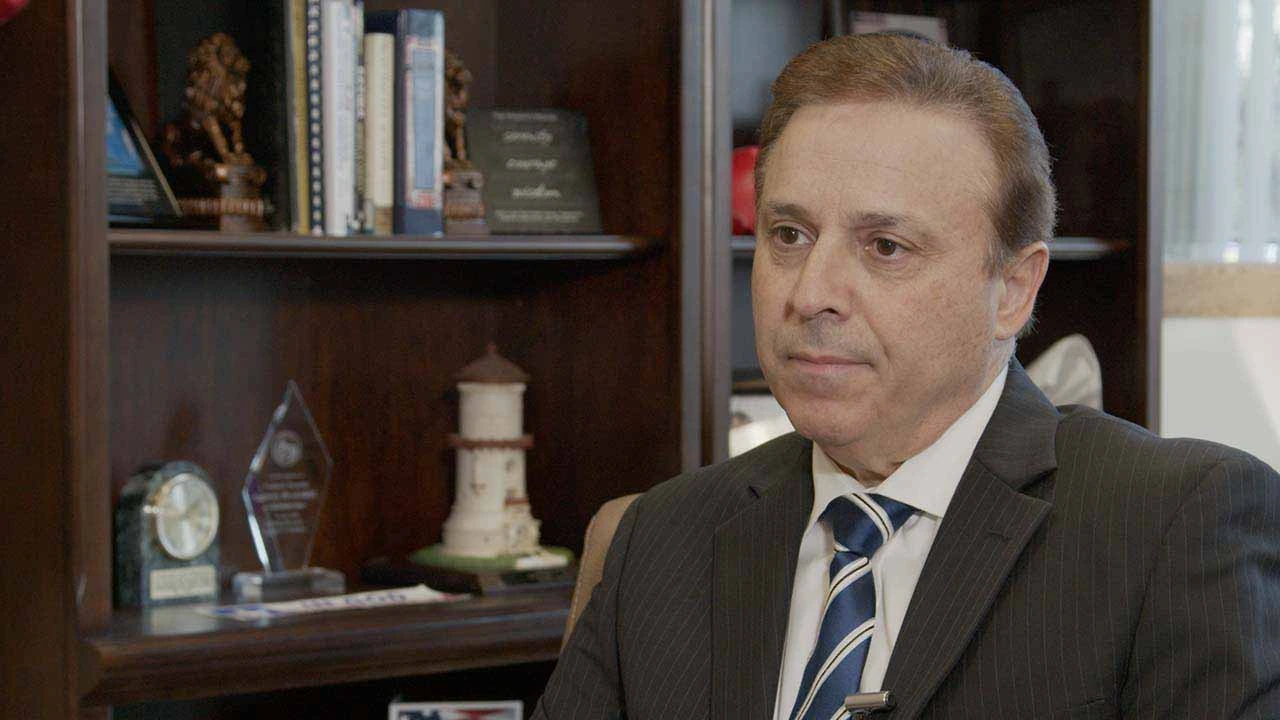
The supervisor of the California county stated that the legislation imposed by Newsom is flawed and ambiguous
Supporters of the tax, for their part, rejected the county's legal strategy and accused the supervisors of trying to prevent citizens from having the final say.
Sandra Celedon, a member of the ''Better Roads Safe Streets'' initiative, argued that local officials should not be able to prevent a citizen-backed measure from reaching voters. ''Democracy cannot be overridden simply because three people want it to happen,'' she stated.
The confrontation highlights a larger dispute between state power and the autonomy of local governments in California.
The controversy also gains significance due to election deadlines. A court is expected to issue a decision before September 9, the deadline for printing and beginning to distribute ballots.
Until then, Fresno County will remain in a legal battle against the State while trying to determine whether the controversial tax measure will ultimately reach voters in November. The case could also become a relevant precedent regarding the limits of Sacramento's authority over local governments and the right of counties to manage their own electoral processes.
The Newsom administration is facing a new legal challenge, after Fresno authorities have already filed a lawsuit against the Democratic administration