The U.S. president stated that the 24 billion dollars frozen will remain blocked until Iran agrees to a lasting and verifiable peace
Nuevo
Agregar La Derecha Diario en
Compartir:
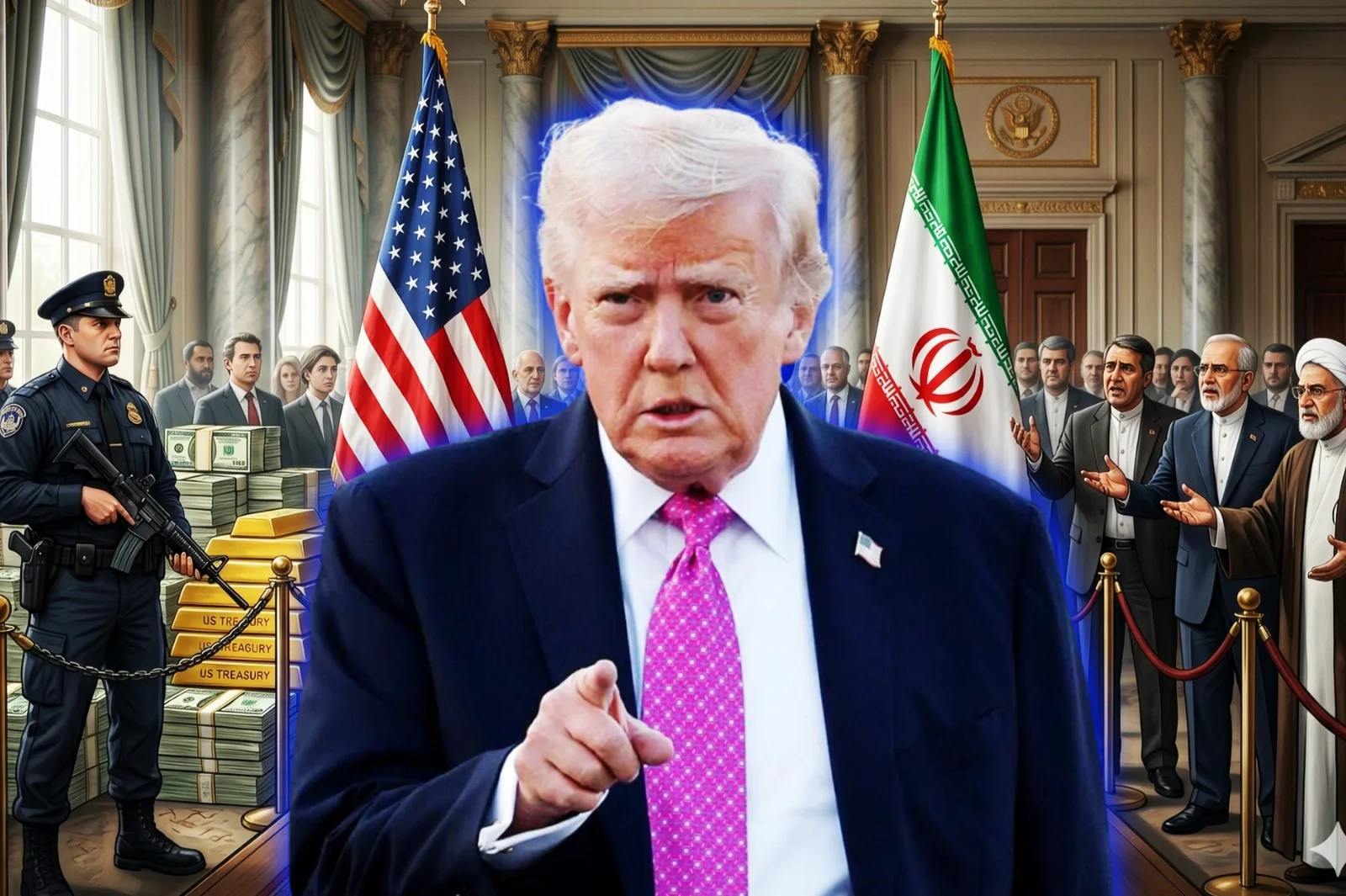
The President of the United States, Donald Trump, stated this Sunday that his administration will not release frozen Iranian assets until a long-term peace agreement is reached that guarantees stability in the Middle East after months of conflict. The statement reinforces Washington's economic pressure strategy on the Iranian regime and makes it clear that any financial relief will depend on verifiable changes in Tehran's behavior.
During an interview on the television program ''Meet the Press'', Trump noted that Iran's access to its blocked resources will be subject to concrete progress towards peace. ''If they behave, if they do a good job, we will start talking,'' the president said when asked about the conditions for releasing the funds.
Currently, around 24 billion dollars in Iranian assets remain frozen by the United States. These resources are part of a network of financial sanctions imposed over the years to limit the Iranian regime's ability to finance destabilizing activities in the region, including support for allied armed groups and the development of advanced military capabilities.
The Trump administration announced that it will release the frozen funds of the Iranian regime until a lasting peace agreement is reached
Trump's statements come after Mohsen Rezaei, an advisor to the Iranian supreme leader, indicated in an interview with CNN that any peace agreement would depend on Washington unblocking those assets. However, the White House has made it clear that it does not consider that possibility without solid and permanent guarantees to prevent a new regional escalation.
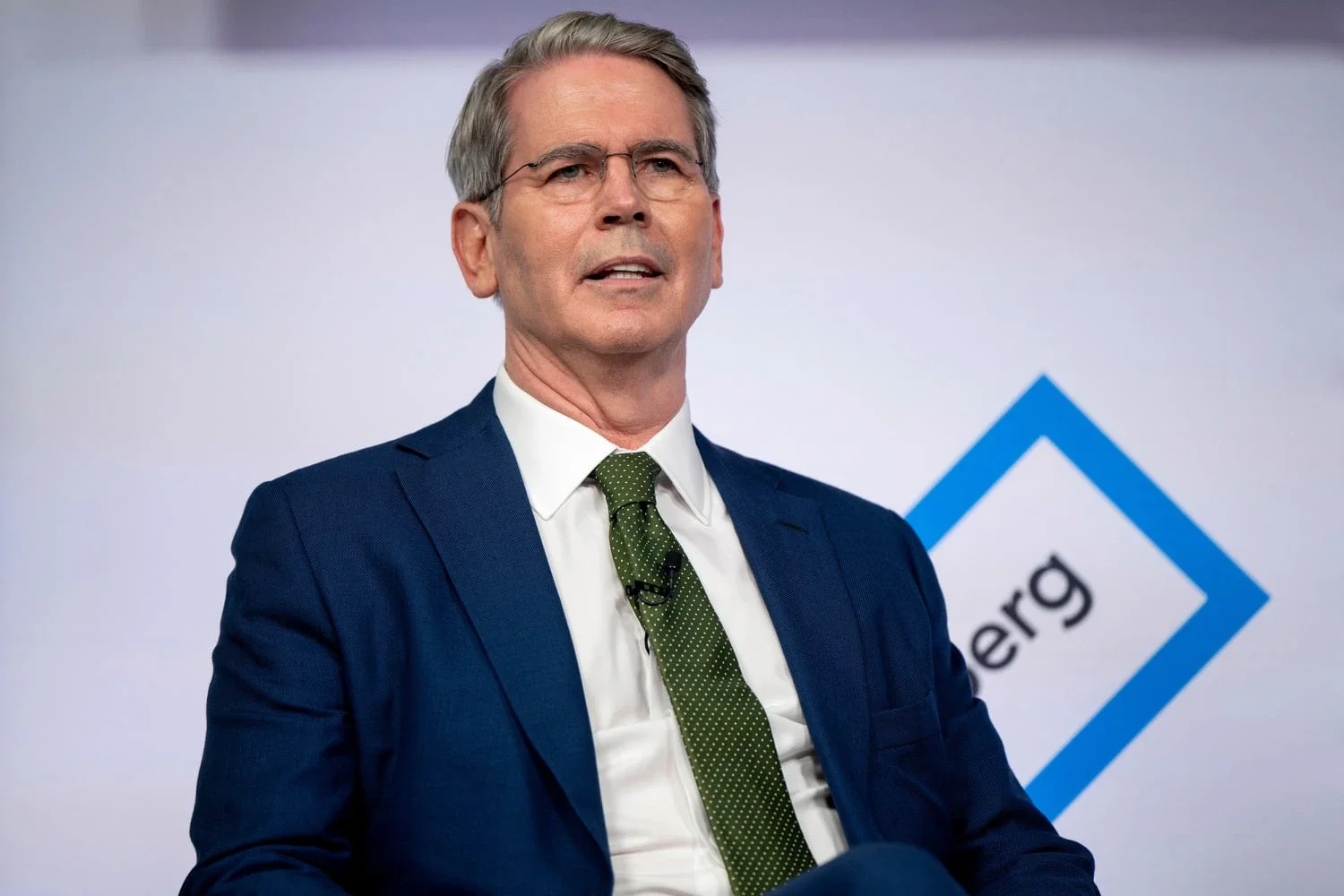
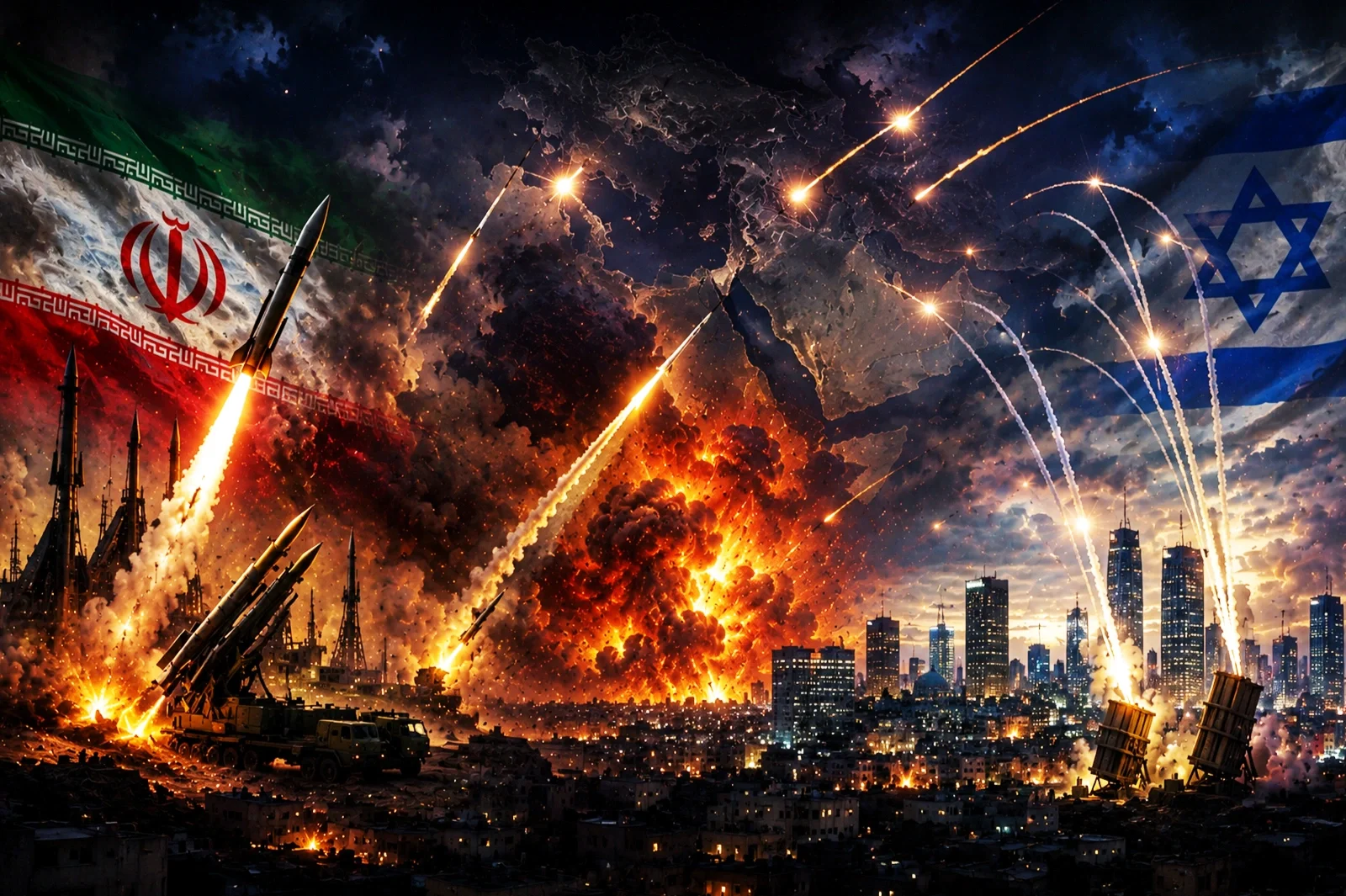
Sources from the Treasury Department also confirmed that the Secretary of the Treasury, Scott Bessent, ordered the creation of a team tasked with calculating the total cost of damages attributed to the Iranian regime during the conflict that began on February 28 and lasted approximately three months. The assessment seeks to determine the economic and material impact caused by Tehran's actions against neighboring countries and other interests affected by the war.
According to reports from the U.S. administration, the possibility of using part of the frozen Iranian assets to contribute to the reconstruction of nations in the region that suffered damage during the conflict was also studied. Although no definitive decision has been made, the proposal reflects Washington's intention to hold the Iranian regime accountable for the consequences of its actions.
The U.S. Treasury Secretary ordered the creation of a group tasked with analyzing the total cost of the damages caused by the Iranian regime during the conflict
Trump also defended his approach towards Iran when asked if he would have preferred to negotiate a different agreement during his first term. The president responded that the current situation is ''much better'' than any previous understanding and argued that the strategic circumstances would not have allowed for a similar solution years ago.
The current administration's stance represents a break from the disastrous nuclear agreement reached during the government of Barack Obama. In 2018, Donald Trump withdrew the United States from that pact, arguing that it provided significant economic benefits to Tehran without permanently eliminating its ability to develop a nuclear program. The agreement lifted numerous sanctions in exchange for temporary restrictions on uranium enrichment and other nuclear activities.
Supporters of the current strategy argue that keeping Iranian assets frozen constitutes a legitimate pressure tool to prevent the regime from having resources that could be allocated to military activities or financing armed organizations in the region. From this perspective, conditioning any financial relief on a verifiable peace agreement strengthens the negotiating position of the United States and seeks to ensure that the costs of future aggressions fall on those who promote them.
The decision also sends a signal to Washington's allies in the Middle East that the U.S. administration will prioritize accountability mechanisms and regional stability before granting economic benefits to the Iranian government.
The Trump administration withdrew the United States from the disastrous nuclear deal negotiated by Obama with Iran that granted concessions to the regime