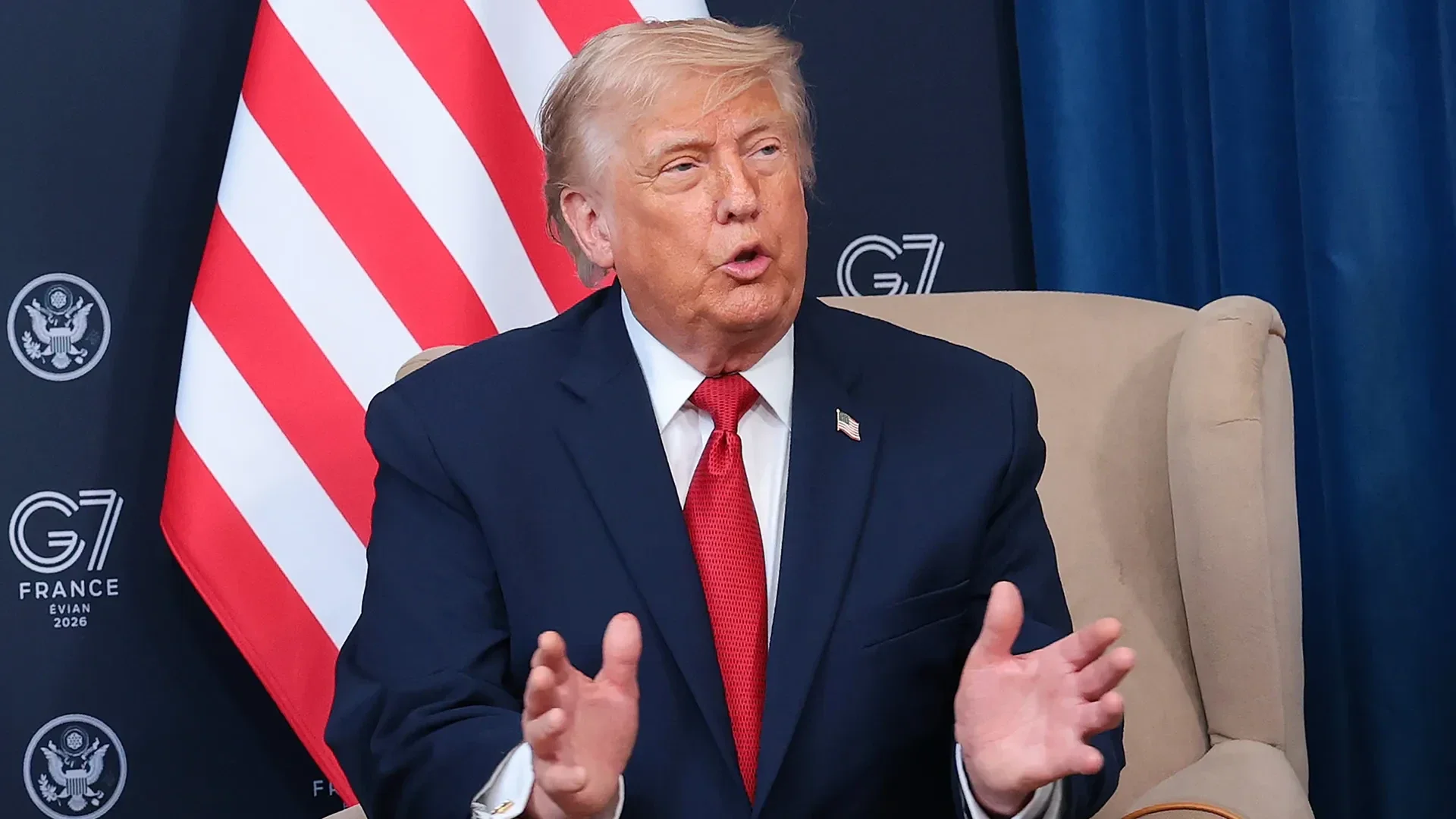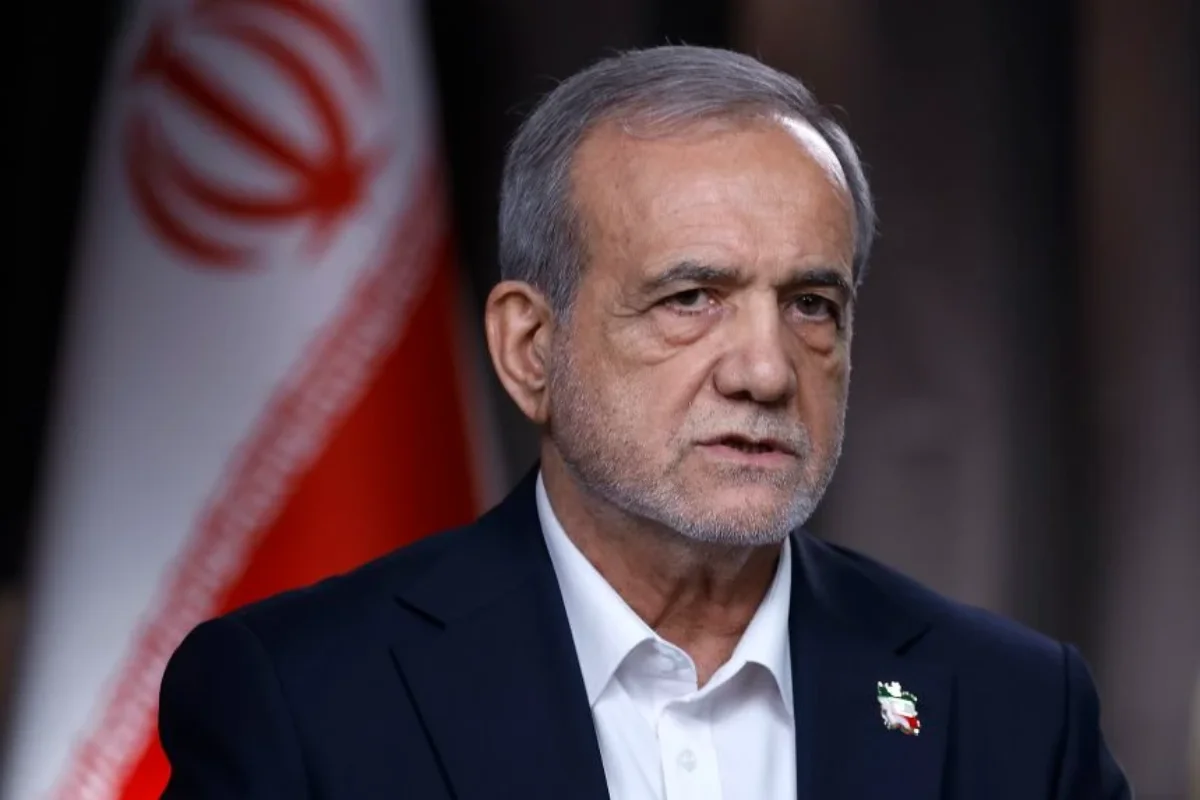

The President of the United States, Donald Trump, offered new details about the negotiations that led to the recent memorandum of understanding signed with Iran to end the war in the Middle East and firmly defended the terms of the agreement, assuring that the Iranian regime came to the negotiating table after suffering a devastating military defeat.
In an interview granted to Axios and published this Thursday, Trump rejected the criticisms from those who argue that the memorandum does not represent a surrender by Tehran. On the contrary, he stated that the outcome obtained by Washington amounts, in fact, to a capitulation of the Iranian regime.
''It probably is an unconditional surrender,'' the president said when asked about the scope of the agreement. Trump argued that Iran's military capabilities were severely damaged after months of U.S. operations targeting the regime's strategic objectives.
According to the president, the military campaign driven by the United States destroyed a large part of Iran's naval and air infrastructure, drastically reducing its ability to project power in the region. ''They have no military strength. It's all at the bottom of the sea,'' Trump stated, assuring that dozens of vessels were sunk and that much of the Iranian aviation was rendered useless.
The president also highlighted that several members of the Iranian military and political elite were eliminated during the offensive. Trump maintained that the pressure exerted by Washington significantly weakened the regime's command structure, ultimately forcing it to accept negotiations under favorable conditions for the United States.
One of the most striking aspects of the interview was the revelation of a secret operation developed over nearly two months against the Iranian fleet. According to Trump, U.S. forces managed to neutralize Iran's detection and defense systems before executing systematic attacks on strategic vessels.
''For two months I was taking out boats and nobody knew it,'' the president declared. He explained that the destruction of radars and surveillance systems allowed operations to be carried out undetected for weeks.