President Donald Trump intensified his diplomatic offensive in the Middle East by pressuring several Muslim nations to join the ''Abraham Accords'' as a key condition for participating in a future regional agreement with Iran.
The initiative, revealed after a series of conversations held over the weekend with regional leaders, aims to consolidate a new political landscape based on cooperation between Israel and the Arab world, while sensitive negotiations between Washington and Tehran progress.
As Trump explained in posts made on Truth Social, he contacted Saudi Arabia, Qatar, Egypt, Pakistan, Turkey, Jordan, Bahrain, and the United Arab Emirates. During those conversations, the president stated that, after the enormous diplomatic effort made by the United States to reduce regional tensions, ''it should be mandatory'' for these countries to simultaneously join the Abraham Accords.
The president also asserted that the inclusion of new Arab nations in the normalization process with Israel would allow any understanding with Iran to become ''a much more significant historic event.'' He even surprised by suggesting the possibility that, eventually, the Islamic Republic itself could be part of those agreements in the future.
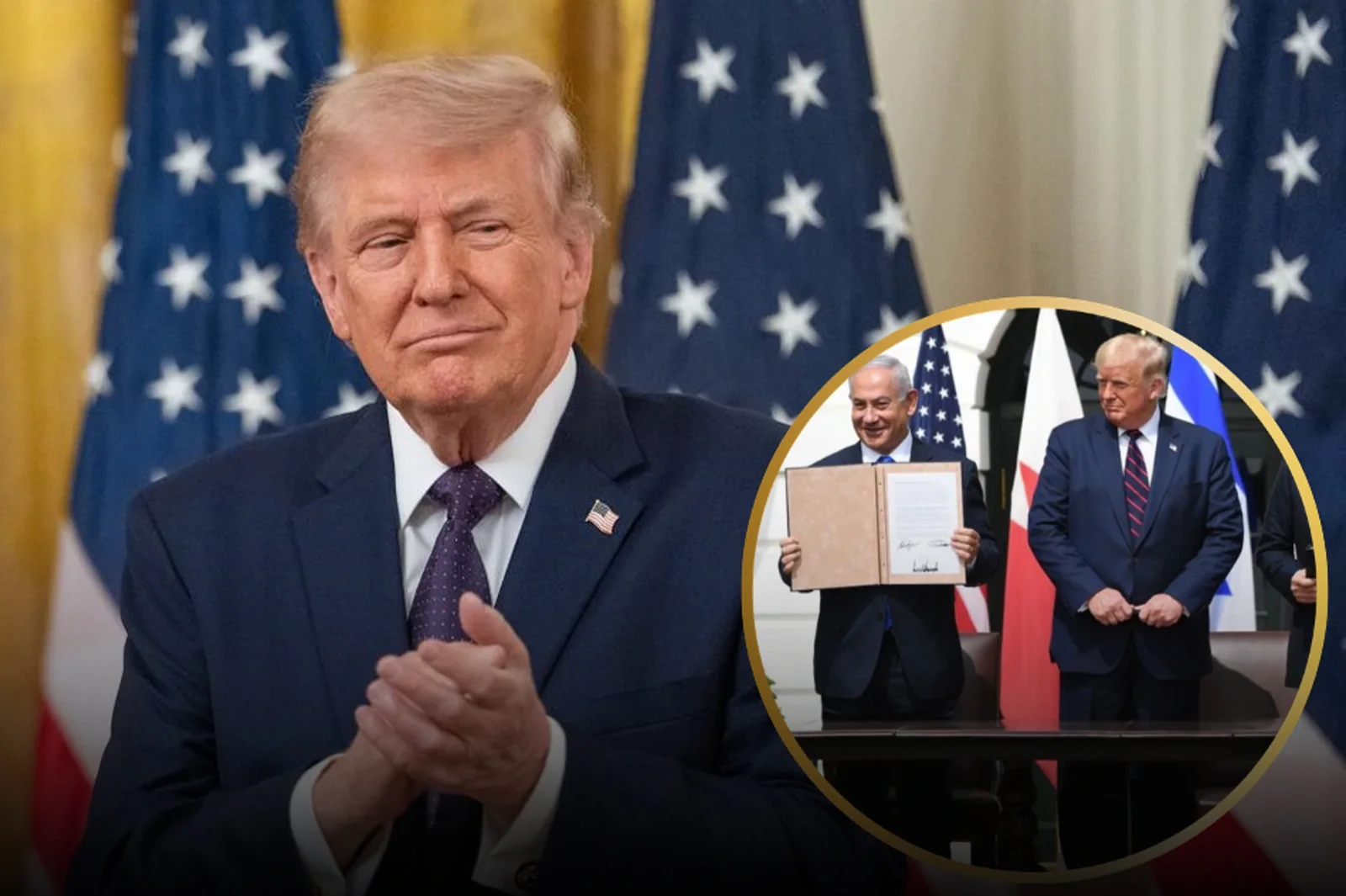
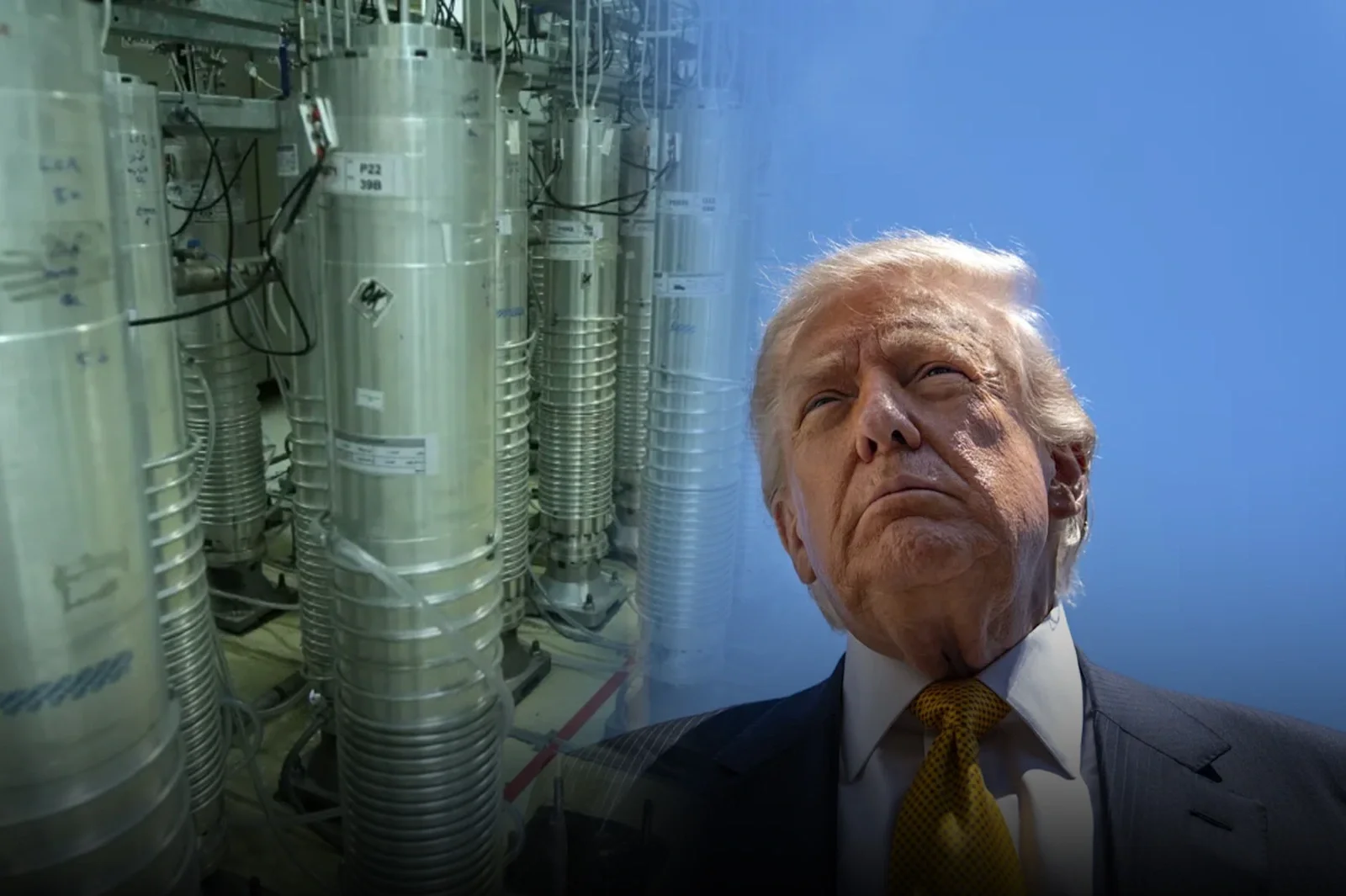
The President of the United States called on numerous countries in the Arab world to join the "Abraham Accords" as a condition for participating in negotiations with Iran.
The proposal represents a new phase of the strategy promoted by Trump during his first presidency. In 2020, his administration managed to finalize the ''Abraham Accords,'' considered one of the most significant diplomatic advances in recent decades in the Middle East. Thanks to that initiative, the United Arab Emirates and Bahrain normalized diplomatic relations with Israel, breaking decades of political isolation between the Israeli state and several Arab countries.
Now, Trump seeks to significantly expand that regional bloc. The president believes that a broader alliance between Israel and the main moderate Muslim nations could guarantee stability, strengthen regional security, and reduce the influence of extremist actors. Additionally, the White House believes that a framework for political and economic cooperation would allow for more solid progress in any future negotiations related to Iran's nuclear program.
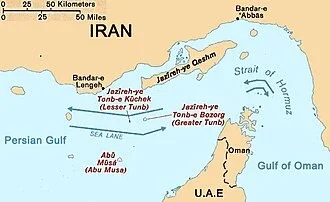
Conversations between the United States and Iran continue to develop cautiously. Officials from both countries are currently working on a framework that would include the extension of the ceasefire in various conflict zones, the reopening of the strategic Strait of Hormuz, and the initiation of deeper negotiations regarding Tehran's nuclear program and a potential easing of economic sanctions.
Conversations between the United States and Iran include the potential reopening of the Strait of Hormuz.
Although the negotiations are still in a preliminary stage, Trump assured that ''they are going well'' and made it clear that he will not accept a weak agreement. ''It will be a great deal for everyone or there will be no deal,'' the president wrote, insisting that he has no intention of repeating the mistakes of previous administrations.
The president also rejected the criticisms from some Republican sectors that questioned the possibility of an understanding with Iran. Trump specifically targeted lawmakers from his own party who expressed doubts about the negotiation process and defended the firmness of his foreign policy.
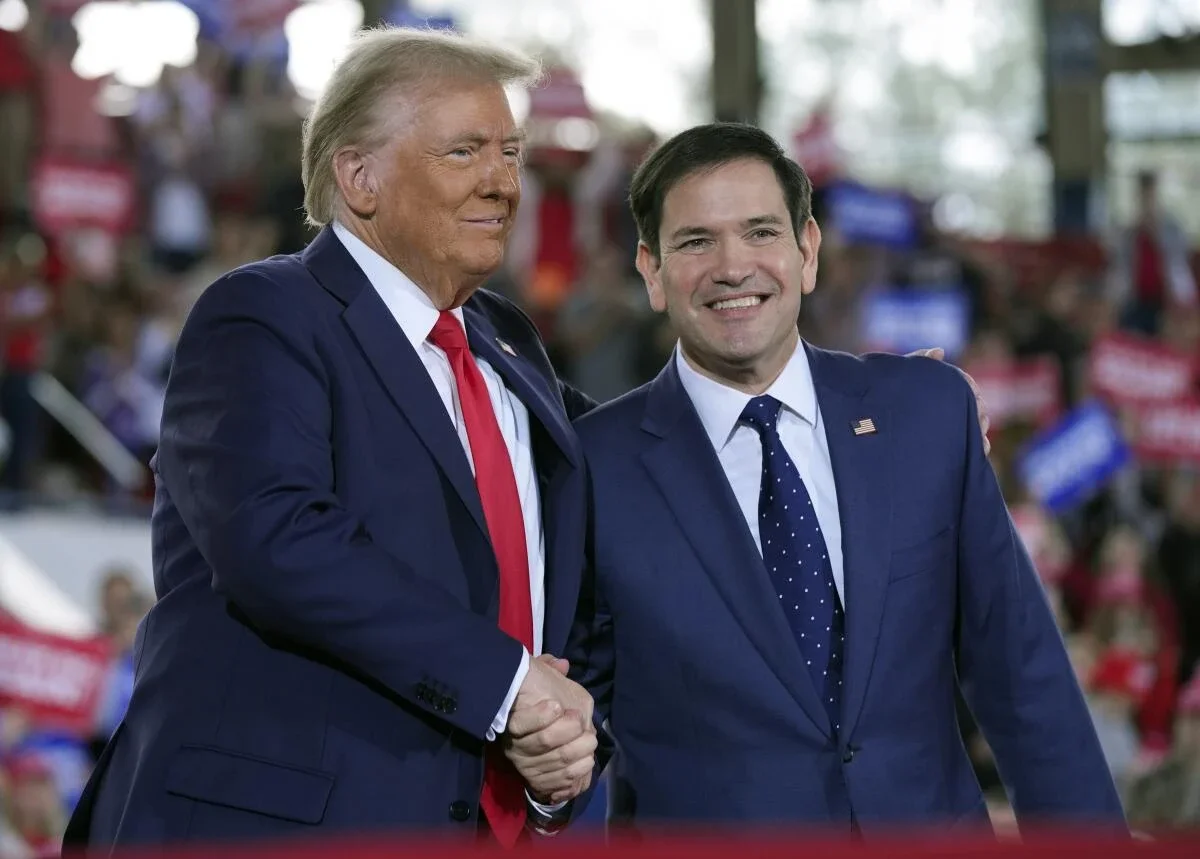
In that same vein, Secretary of State Marco Rubio stated that it is ''absurd'' to think that Trump would accept a pact that strengthens Iran's nuclear capabilities. Rubio emphasized that the president has already demonstrated on multiple occasions his willingness to exert maximum pressure on Tehran when he believes that U.S. or Israeli security is threatened.
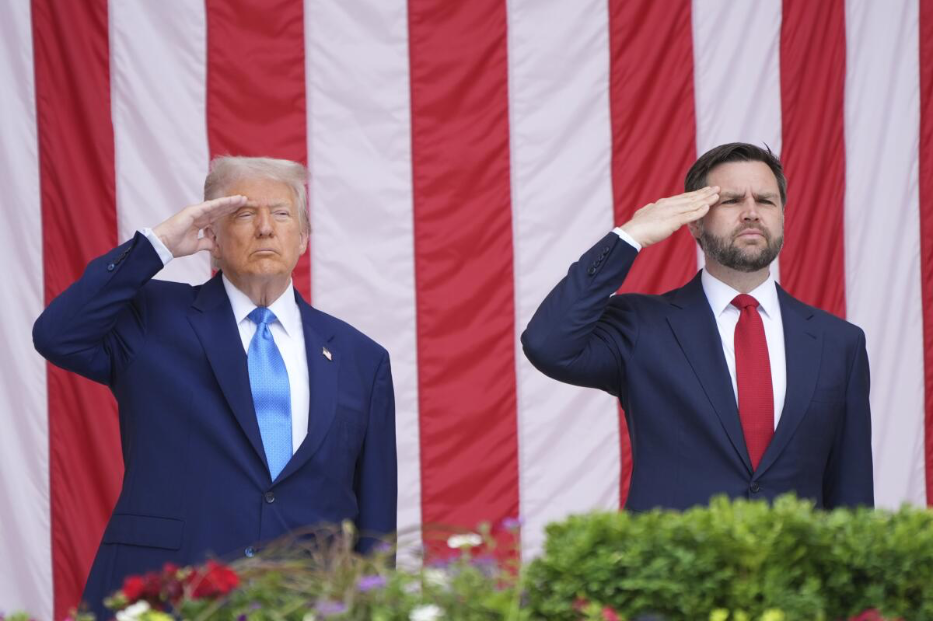
The United States Secretary of State has defended the peace process led by Donald Trump.
Meanwhile, the Trump administration continues to work to convince Saudi Arabia and Qatar to formally join the normalization process. From Washington, they believe that Saudi Arabia's entry would have a historic political impact and accelerate the inclusion of other Muslim countries.
With this strategy, Trump aims to consolidate a new diplomatic phase in the Middle East, betting on replacing decades of confrontations and conflicts with regional cooperation agreements backed by the United States. Although significant differences persist between the involved parties, the White House maintains that strengthening the ''Abraham Accords'' could become the foundation for a broader and more lasting peace in the region.