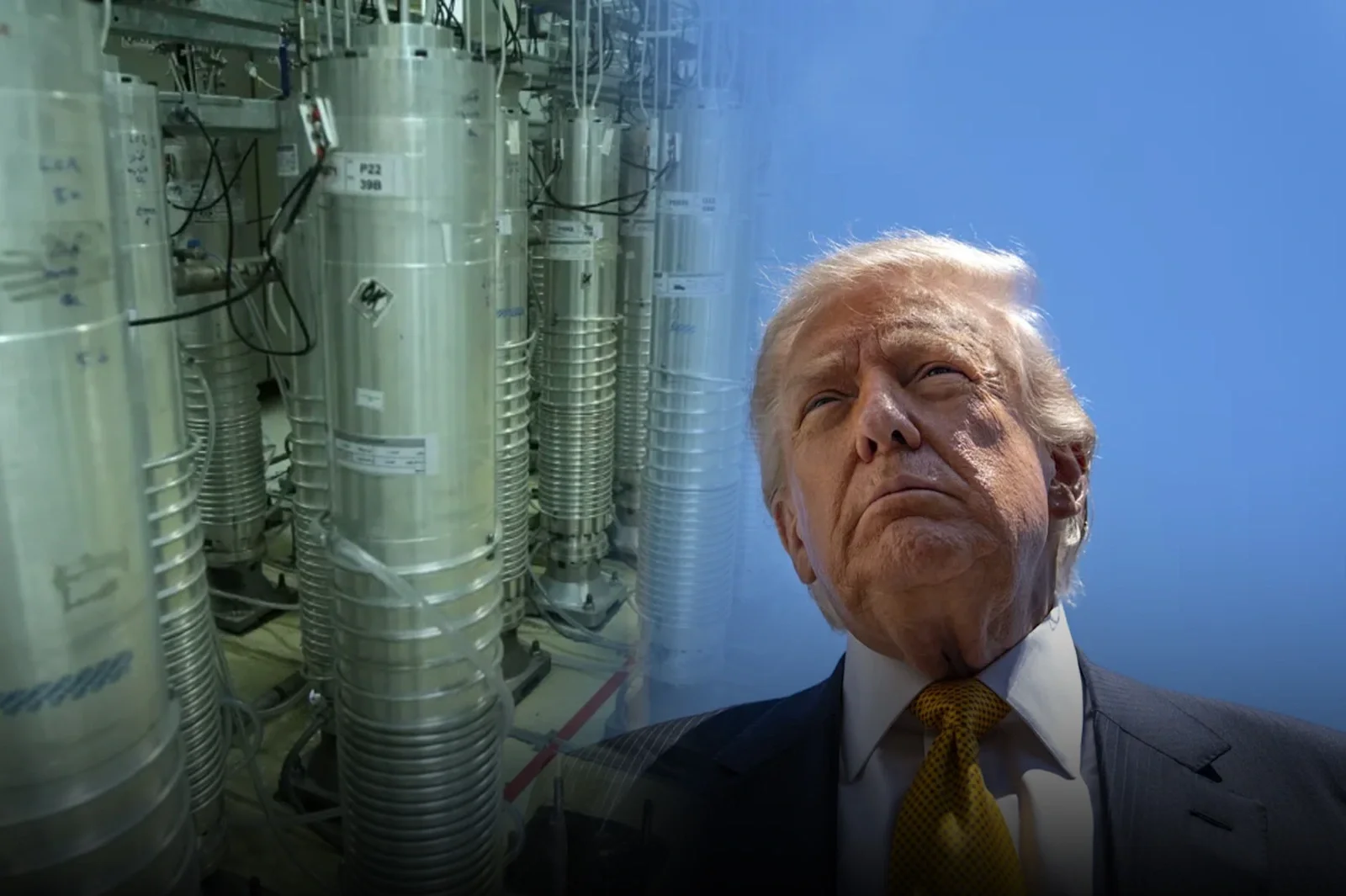
President Donald Trump increased pressure on Iran on Monday by demanding that the enriched uranium accumulated by the Islamic Republic be transferred ''immediately'' to the United States for its destruction or eliminated under international supervision at an agreed location. The statement came amid increasingly advanced negotiations to reach an agreement that would end the prolonged tension between Washington, Israel, and Tehran.
In a message shared on social media, Trump stated that the Iranian nuclear material must be destroyed ''in coordination with the Islamic Republic of Iran'' and with international observers present throughout the process. The president argued that this measure is essential to ensure regional security and prevent any advancement of Iran's nuclear program for military purposes.
The U.S. president's proposal comes as multilateral diplomatic contacts aimed at consolidating a stabilization agreement in the Middle East continue to develop. According to officials linked to the Pakistani mediation, talks between Washington and Tehran are close to reaching a preliminary understanding.
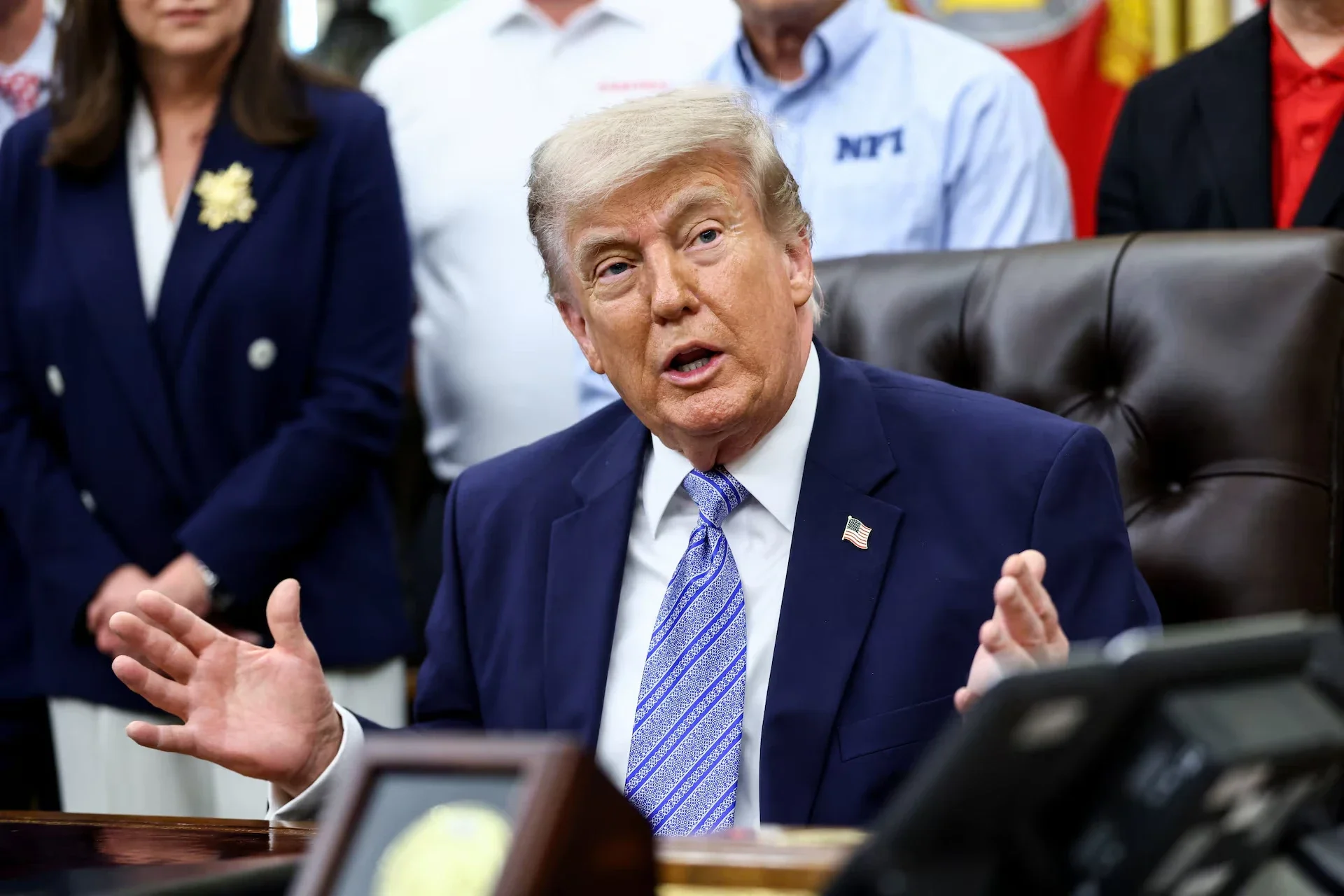
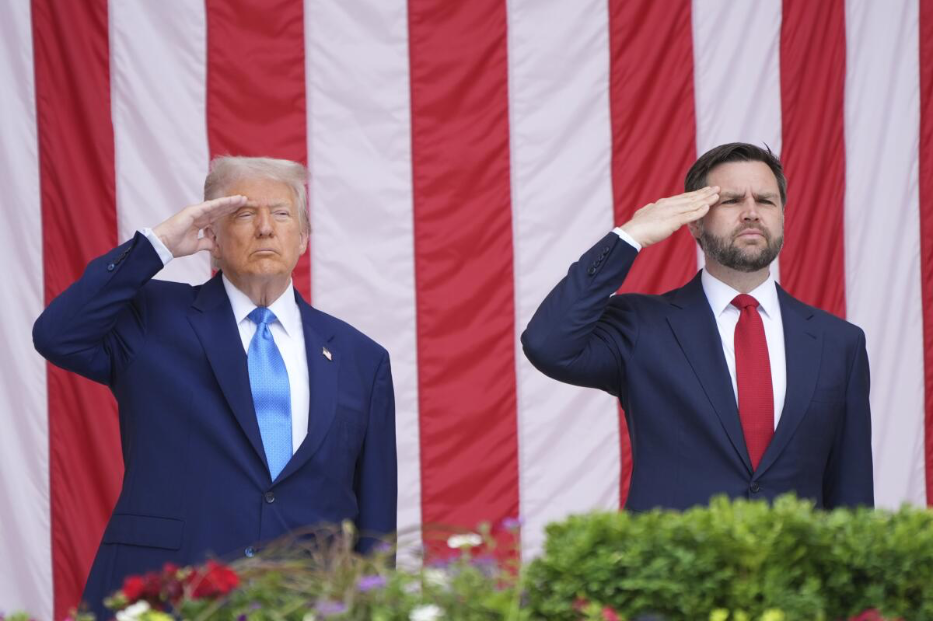
The President of the United States urged the Iranian regime to hand over its uranium to be destroyed under international supervision.
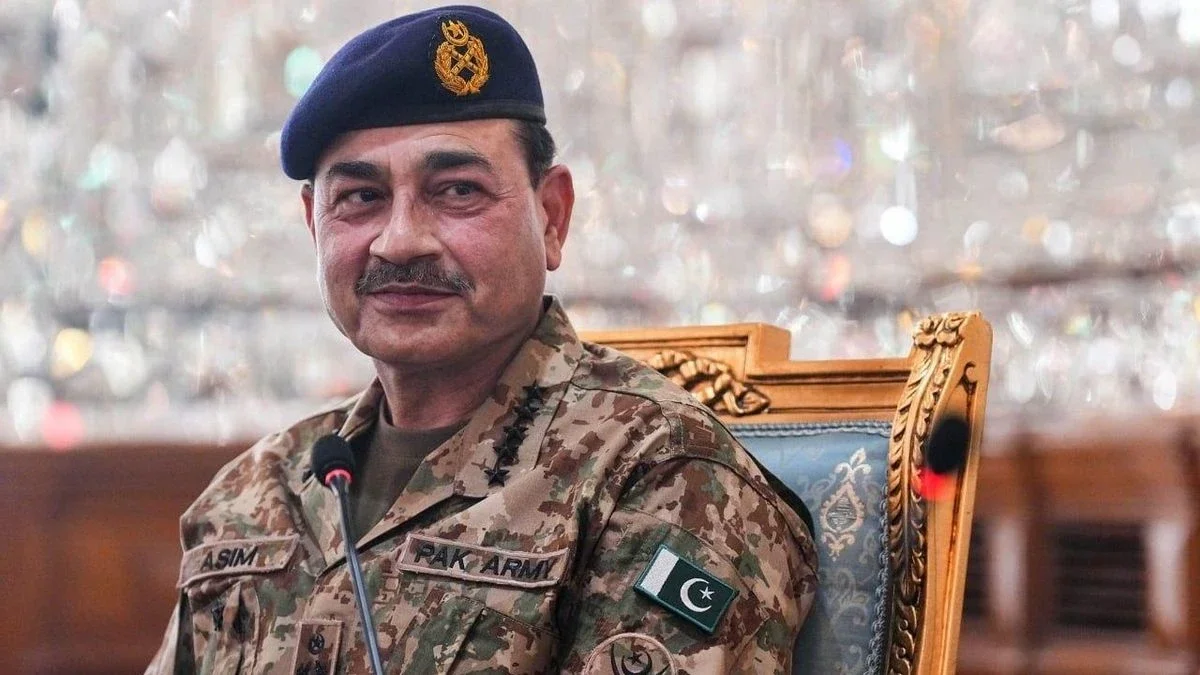
The Chief of the Army of Pakistan, Field Marshal Asim Munir, confirmed during a meeting in Beijing with Chinese Foreign Minister Wang Yi that the negotiations ''are nearing completion'', according to reports released by Chinese state media. The meeting took place during the official visit of Pakistani Prime Minister Shehbaz Sharif to China.
During the meeting, Munir informed about Islamabad's role as an intermediary between Iran and the United States and detailed the progress made in recent talks. He also requested a more active participation from China in the diplomatic process, aiming to strengthen international efforts to reduce regional tension.
The Pakistani military official arrived in Beijing after an official visit to Tehran last week, where he held discussions with Iranian leaders about possible mechanisms to advance towards a negotiated solution. According to diplomatic sources, Pakistan believes there is a concrete opportunity to reach an agreement capable of reducing the risk of large-scale military confrontation in the Middle East.
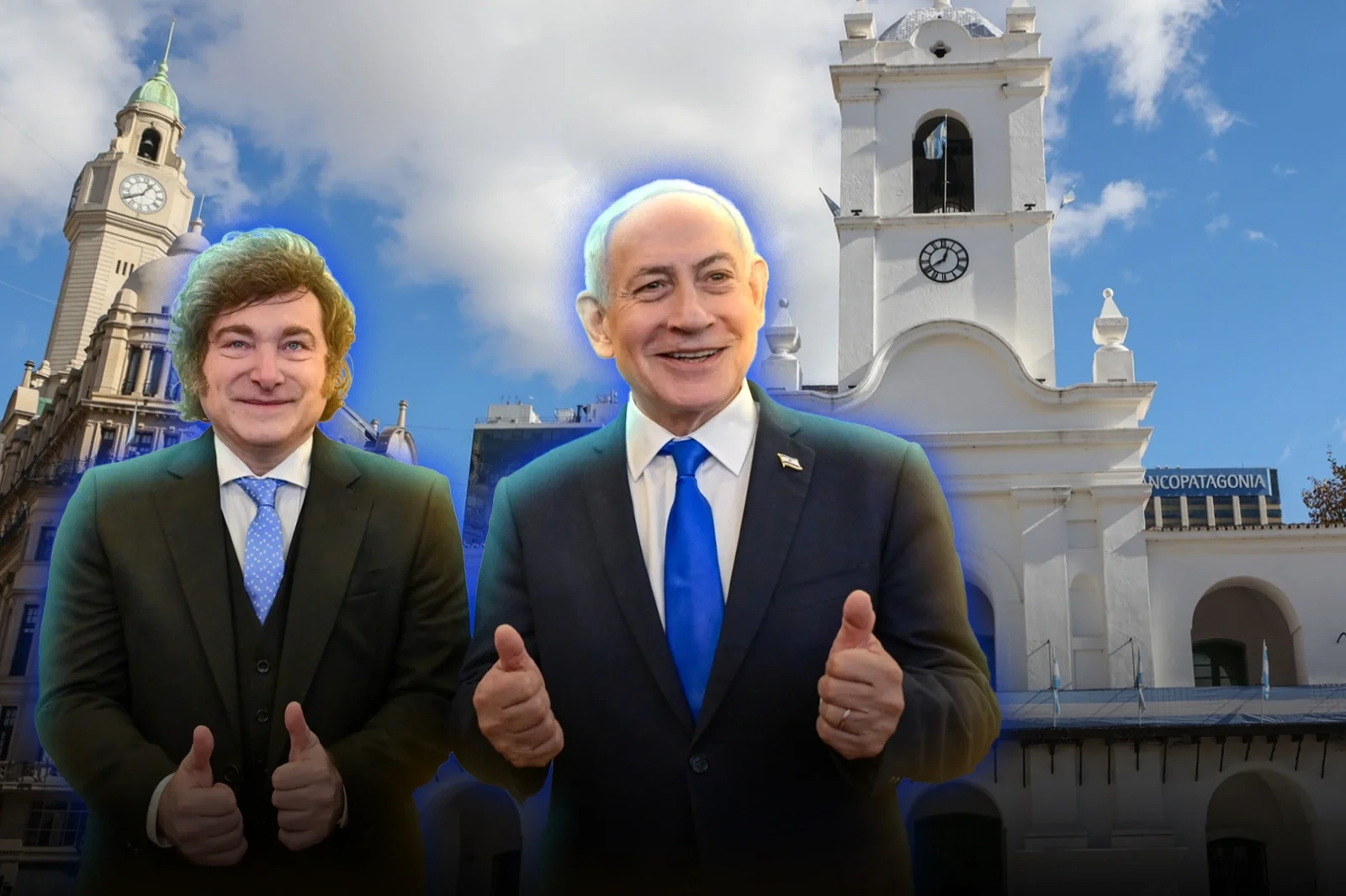
A government official from Pakistan confirmed that the negotiations are ''advanced'' and ''close to completion''
Trump's stance has been interpreted by allies and international observers as a sign of firmness against the Iranian nuclear program, but also as a demonstration of willingness to seek a diplomatic exit under strict conditions. From the White House, they maintain that any agreement must include verifiable controls and clear limitations to prevent Iran from developing nuclear weapons.
The demand to remove enriched uranium from Iranian territory appears as one of the central points of that strategy. U.S. officials believe that the supervised transfer or destruction of nuclear material would be a concrete guarantee to avoid future threats to regional stability and the security of Washington's strategic allies.
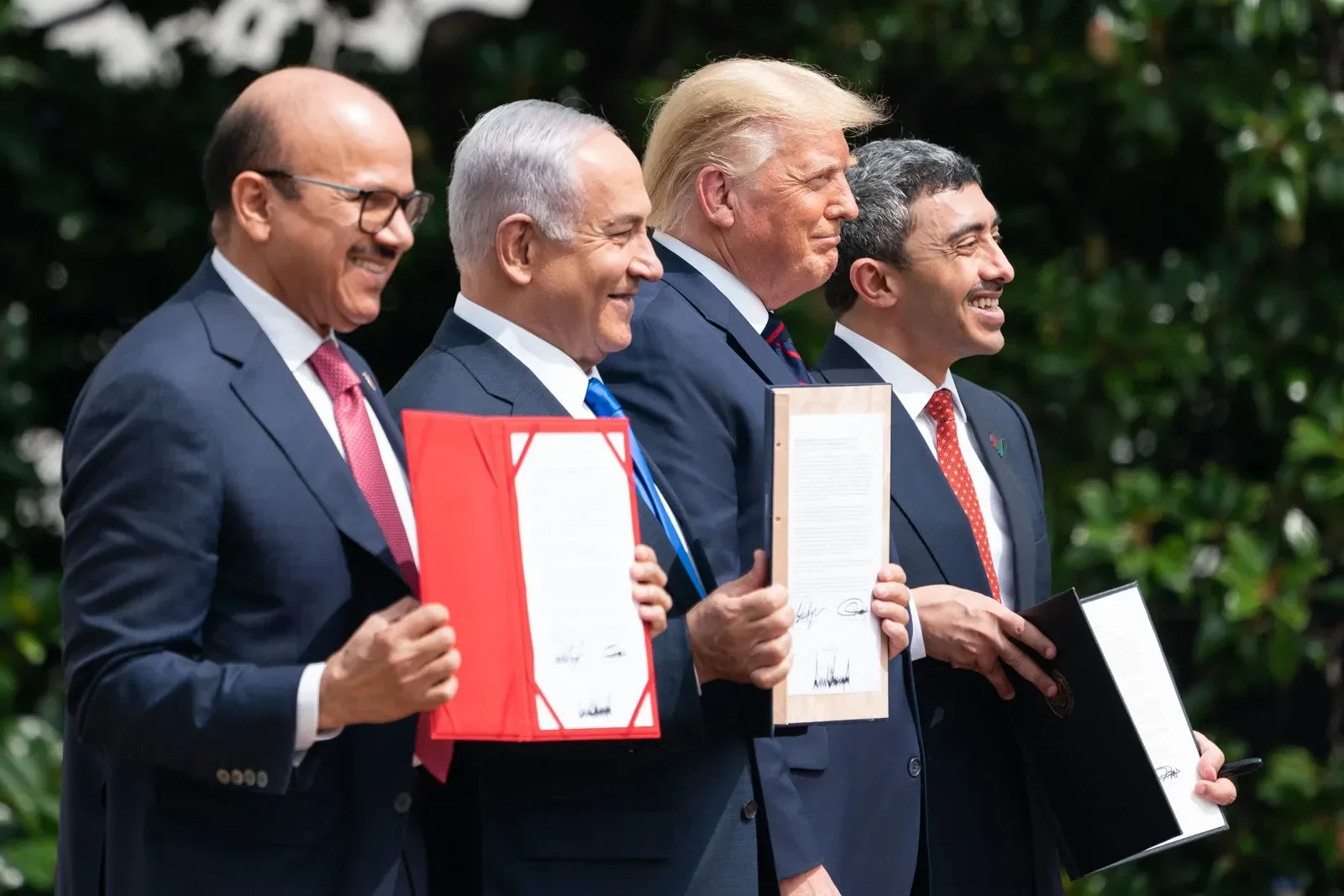
At the same time, the Trump administration is trying to consolidate a broader diplomatic front that involves moderate Arab and Muslim countries. The initiative is complemented by the push for the ''Abraham Accords'', promoted by Trump during his first term to normalize relations between Israel and several Arab nations.
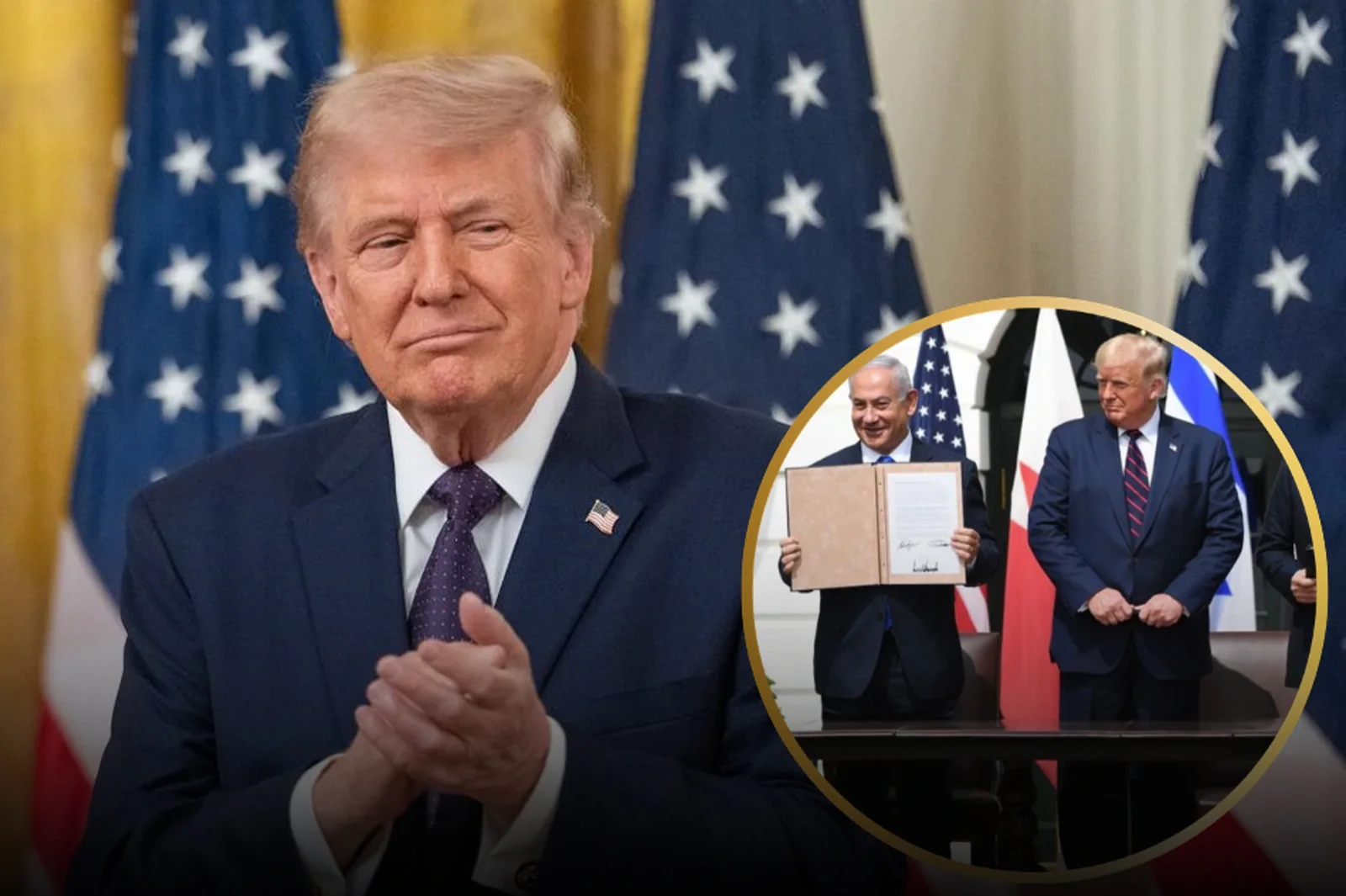
The President of the United States encouraged all Arab countries to join the "Abraham Accords."
International analysts argue that the U.S. president seeks to combine political pressure, regional diplomacy, and international coordination to build a new balance in the Middle East. The involvement of Pakistan and China in the talks also reflects the intention to broaden international support for any future agreement.
Although significant differences between the parties involved still persist, the progress of the negotiations has generated moderate expectations in various diplomatic sectors. Officials close to the process believe that a potential agreement could open a new phase of regional stability and significantly reduce the risk of direct confrontations between Iran, the United States, and Israel.
As negotiations continue, Trump maintains his message of maximum pressure on Tehran, insisting that any understanding must guarantee concrete results and strict oversight mechanisms to ensure compliance with the commitments made by Iran.
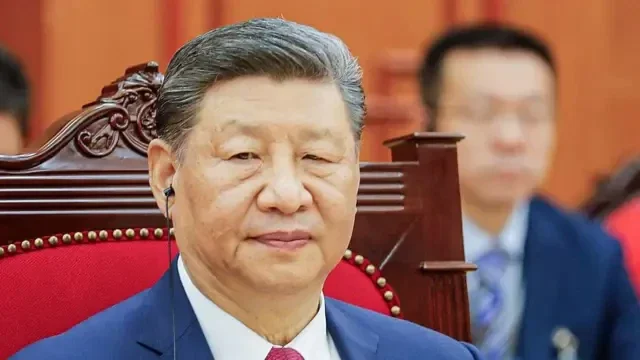
Pakistani leaders urged Xi Jinping's regime for greater commitment to peace negotiations in the Middle East.