A federal judge struck down New York's ''Climate Superfund'' law, which aimed to raise up to $75 billion from fossil fuel companies to fund projects intended to address problems the state attributes to climate change. The decision was celebrated by the U.S. Department of Justice, which argued that the regulation represented an overreach of state authorities over powers reserved for the federal government.
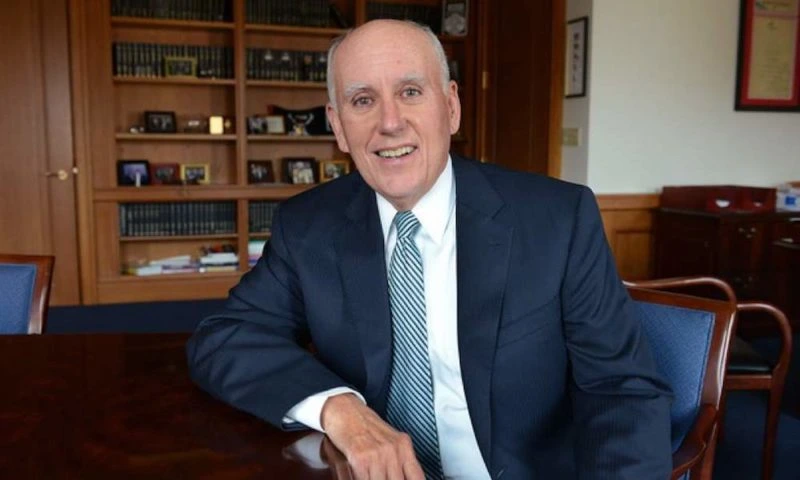
Federal judge P. Kevin Castel of the Southern District of New York issued the ruling last Friday, after determining that the legislation invaded federal authority in several respects. Two days earlier, the judge had noted that the law could interfere with the regulation of greenhouse gas emissions that cross state lines.
The ''Climate Superfund Act'', passed by New York, stipulated that large companies engaged in fossil fuel extraction and oil refining were required to make payments over a 25-year period. Each company's contribution would be calculated based on the greenhouse gas emissions attributed to their products from 2000 to 2024.
Federal Judge Kevin Castel determined that the legislation imposed by the state of New York to claim large sums of money from energy companies invades federal authority
The state had planned to use the funds to finance infrastructure and other projects aimed at helping communities address problems that New York authorities associate with climate change. Among the identified needs were adaptation projects for rising sea levels and extreme weather events.
However, the Department of Justice and the Environmental Protection Agency (EPA) sued New York to prevent the law from taking effect. The federal government argued that the law was preempted by federal legislation, under the legal doctrine known as ''preemption'', which establishes that federal regulations prevail when there is a conflict with state laws.
The administration also maintained that the ''Clean Air Act''grants the EPA the authority to determine whether greenhouse gas emissions should be regulated and how. According to the federal government's position, New York was attempting to establish its own liability regime for fossil fuel companies based on emissions associated with their products at both national and international levels.
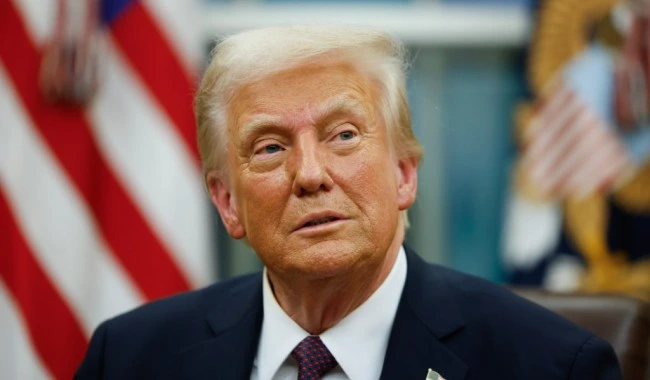
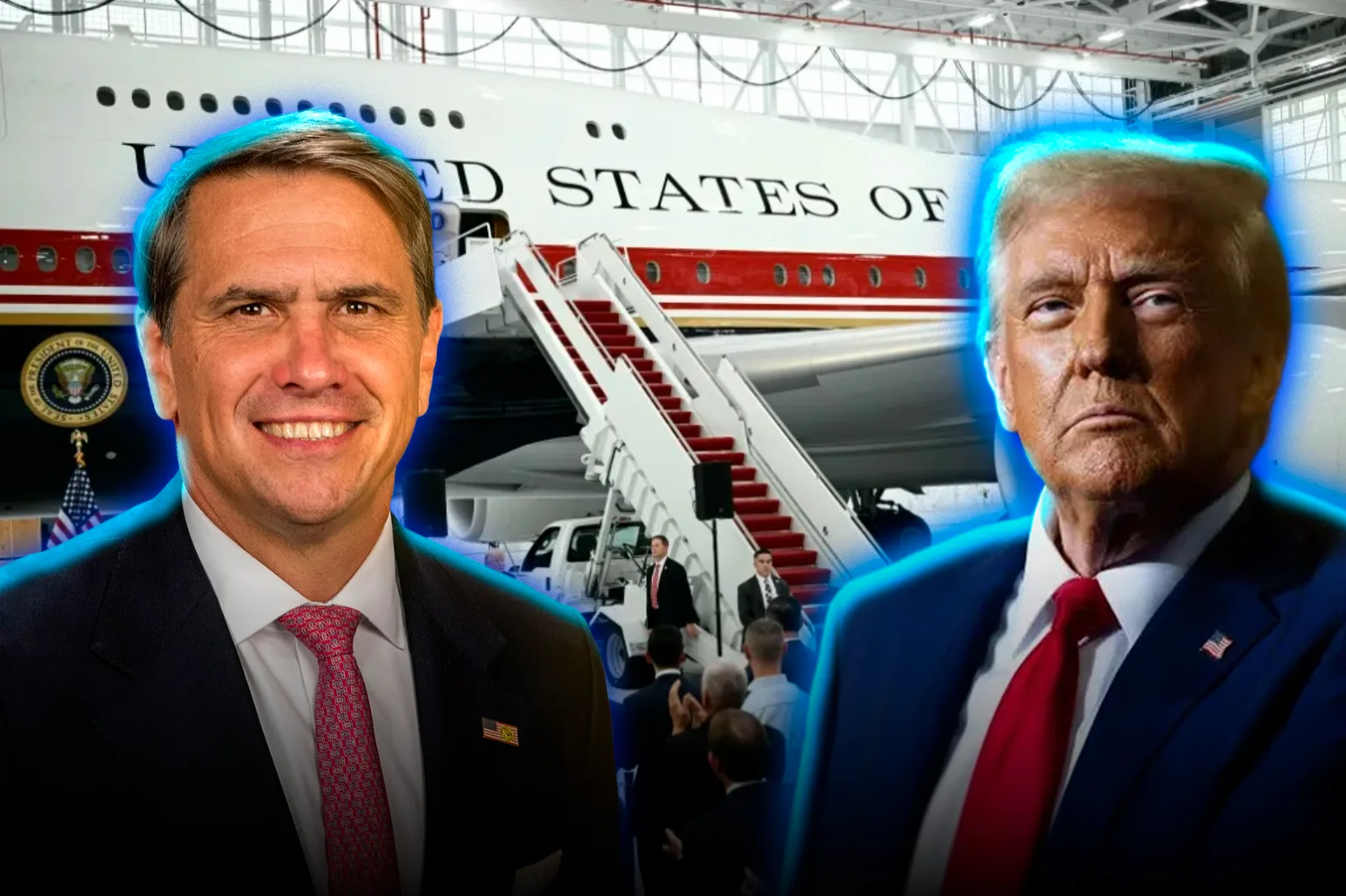
The Donald Trump administration celebrated Castel's ruling and sued the state of New York to prevent the legislation from taking effect
New York defended the legislation by arguing that it did not intend to regulate emissions. The state contended that the payments required from companies were aimed at compensating for damages that authorities attribute to past emissions and funding necessary projects to protect its residents.
Castel rejected that argument. The judge determined that, although the funds were intended for projects within New York, the charges established by the law effectively had the impact of regulating interstate emissions, a matter that falls under federal jurisdiction.
The magistrate also concluded that the regulation interfered with federal competencies in foreign policy. His reasoning centered on the fact that the law sought to impose liabilities on companies for activities related to emissions produced outside the United States. According to Castel, holding companies accountable for actions taken in other countries through state legislation could circumvent diplomatic channels and complicate national foreign policy.
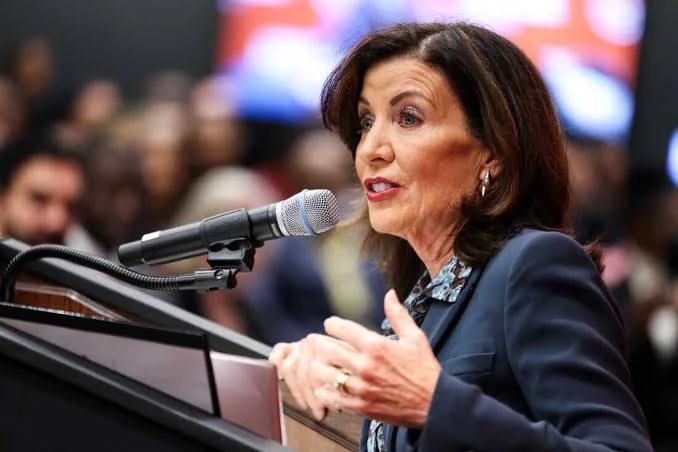
The Democratic government of Kathy Hochul assured that the goal of the legislation was to fund public works associated with the environment
The ruling also constitutes a second judicial setback for the initiative in a few weeks. On August 31, federal judge Brenda Sannes of the Northern District of New York had blocked the same law after a lawsuit filed by 22 states and business groups. In that case, the plaintiffs also questioned New York's authority to establish the payment scheme.
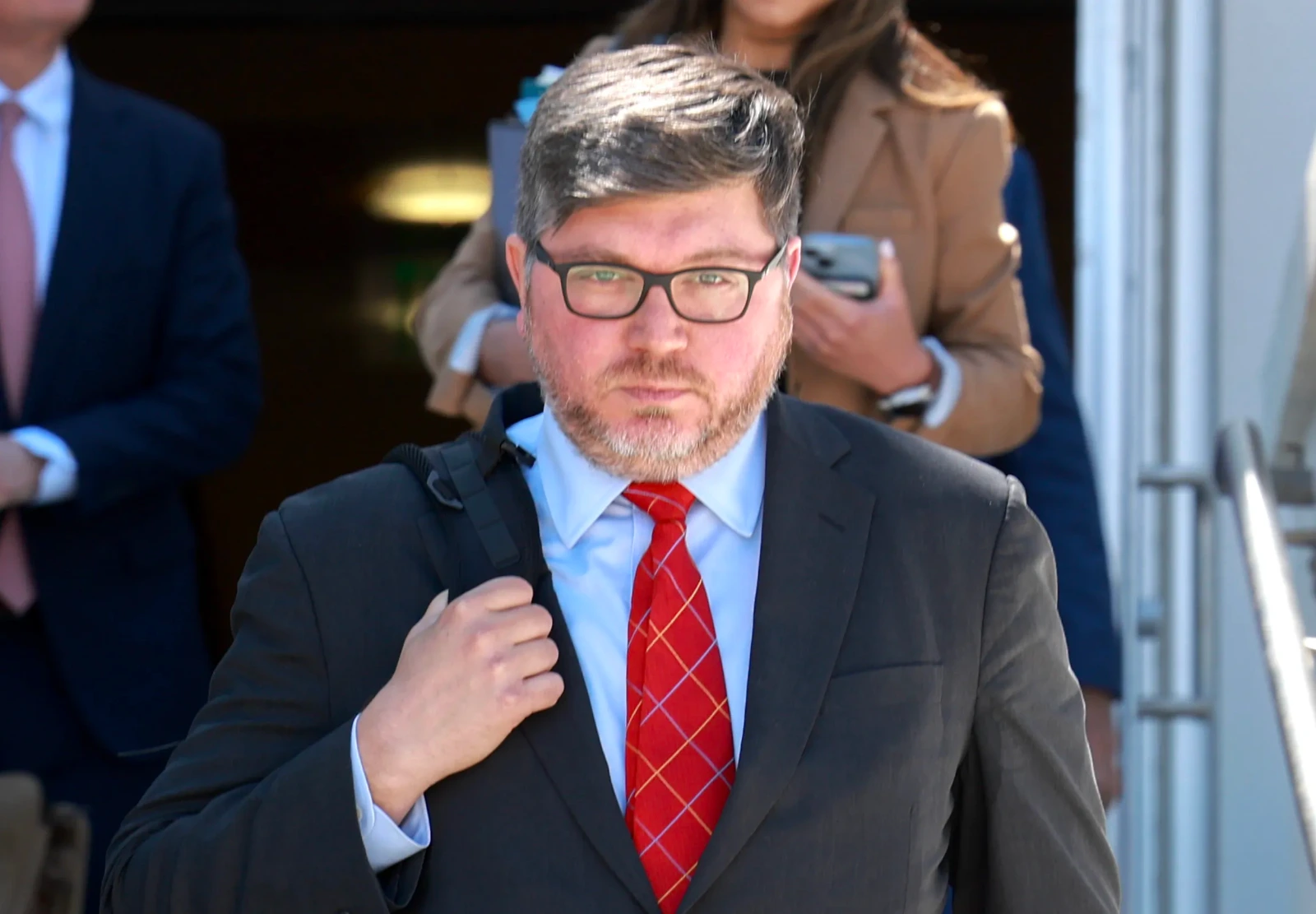
The Department of Justice celebrated both decisions. Associate Attorney General Stanley E. Woodward Jr. stated that the legislation was not only unconstitutional but could affect Americans' access to affordable and reliable energy. The official argued that it is the federal government, not individual states, that should set the rules governing the national energy market.
Supporters of the law, including the Fiscal Policy Institute, had argued that the $75 billion was necessary for New York to adapt to rising sea levels and extreme weather events that, according to the organization, are linked to emissions generated by the affected companies.
The Democratic Attorney General of New York, Letitia James, did not respond to questions about the ruling. The decision blocks the law's implementation while the legal dispute continues over how far states can go in holding energy companies accountable for emissions and damages that transcend their borders.
The Deputy Attorney General, Stanley Woodward Jr., stated that the legislation is unconstitutional