The mission surpassed the Apollo 13 record and established a new mark in space exploration.
Nuevo
Agregar La Derecha Diario en
Compartir:
The Artemis II mission established a historic milestone in space exploration by reaching the longest distance traveled by human beings from Earth.
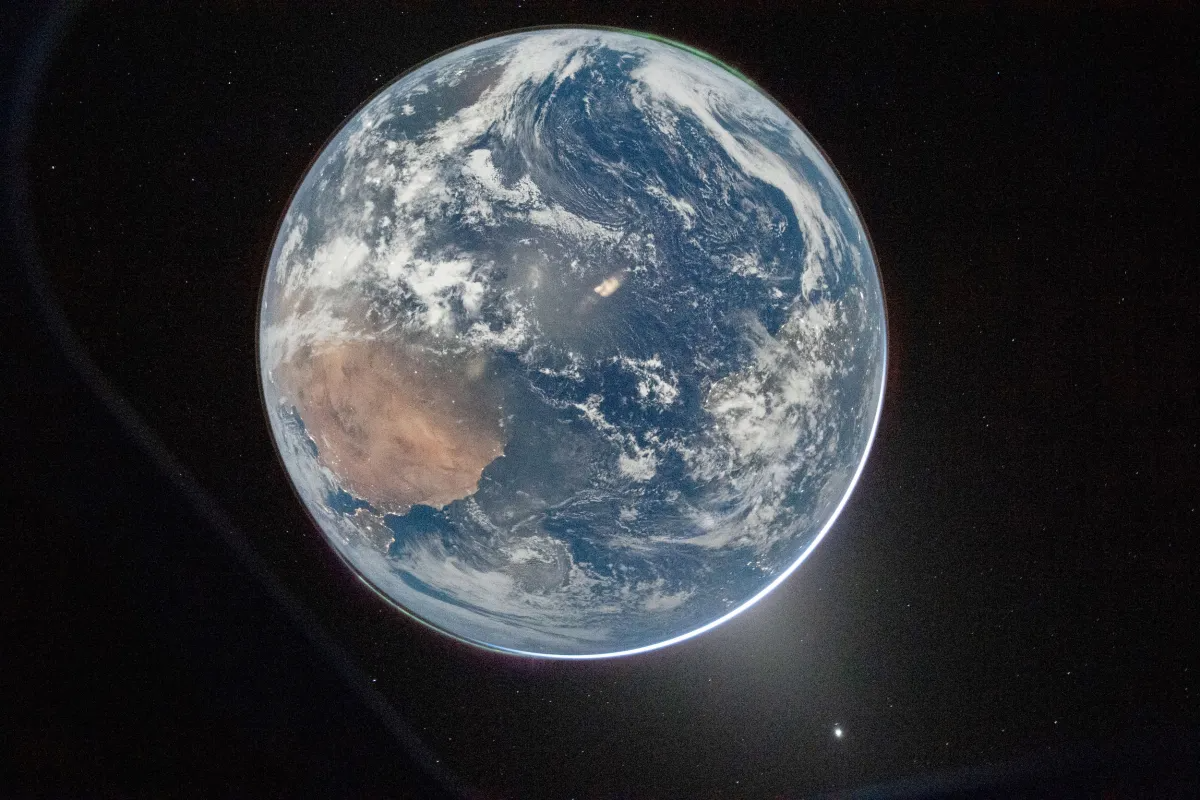
As reported by NASA, astronauts Reid Wiseman, Victor Glover, Christina Koch and Jeremy Hansen became the furthest people to have been from our planet.
The achievement was achieved within the framework of the planned route of the mission, which contemplated a maximum distance of 406,777.9 kilometers from Earth. Not only does this figure represent a significant technical breakthrough, but it also exceeds the historic record that had been in place for decades since the Apollo 13 mission
. Artemis II
Until now, the mark was for the Apollo 13 crew, which had reached a distance of 400,171.5 kilometers from Earth. Although that mission failed to land, its lunar flyby trajectory allowed it to set the record that was kept as a reference for more than half
a century.
With Artemis II, that limit was clearly overcome. The difference of more than 6,000 kilometers compared to the previous record positions this mission as the one that took human beings farthest in history, consolidating a new standard in manned space flights
.
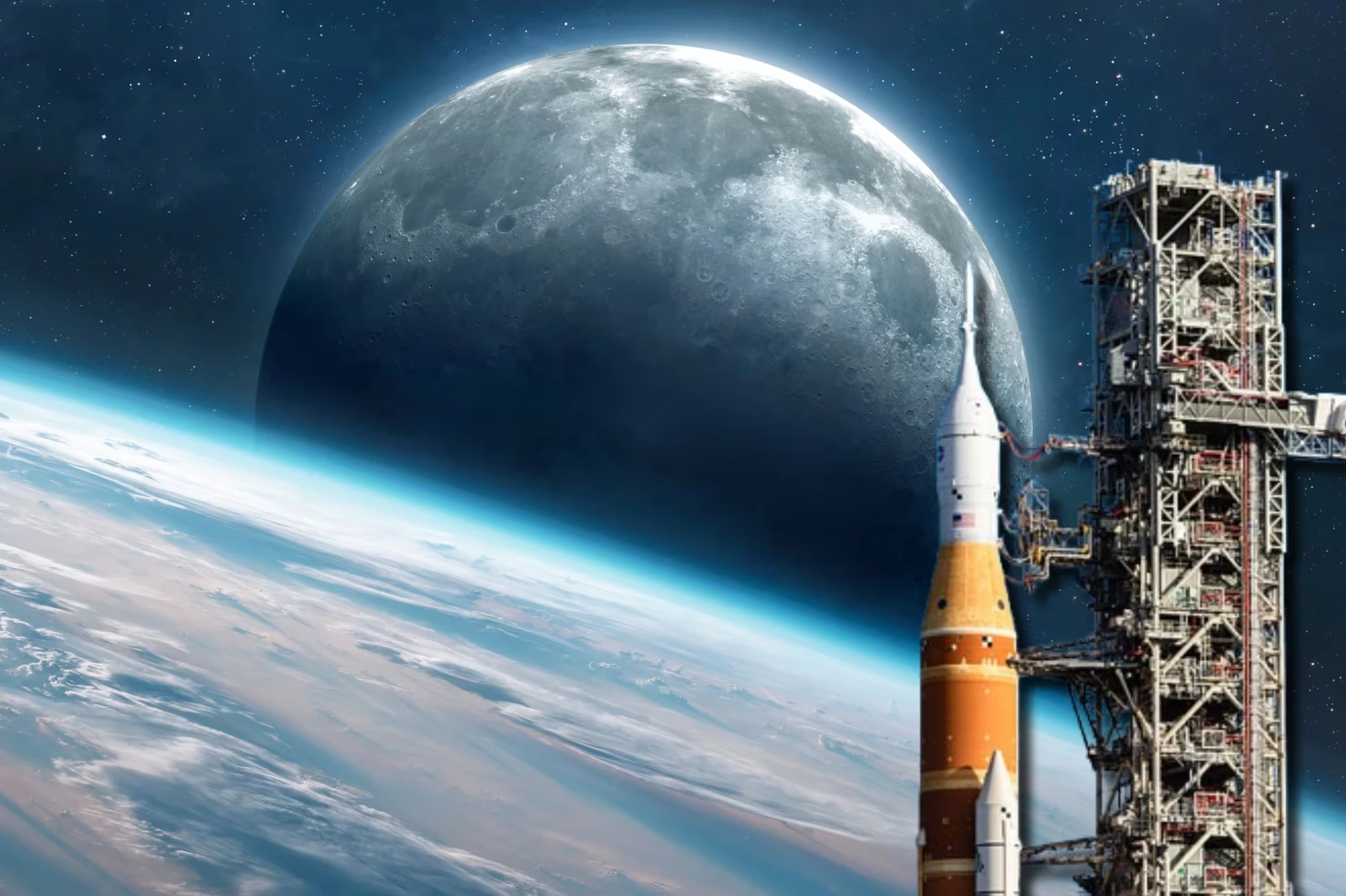
The Orión capsule was responsible for completing this historic journey, becoming the vehicle that starred in the farthest manned trip ever made. This advance not only implies a numerical record, but it also represents a key step in the development of future exploration missions beyond Earth orbit
. The Earth.
The Artemis II
mission In operational terms, the Artemis II mission lasts approximately 10 days, during which the crew flies around the Moon before returning to Earth.
This type of trajectory allows all of the ship's systems to be tested under real conditions in a deep space environment, something that hasn't been done with a crew since the Apollo program era.
The flight does not include a moon landing, but it does play a fundamental role as a general rehearsal for future missions of the Artemis program. During the tour, astronauts evaluate the functioning of life support, navigation and communication systems, key elements to ensure safety on longer trips
.
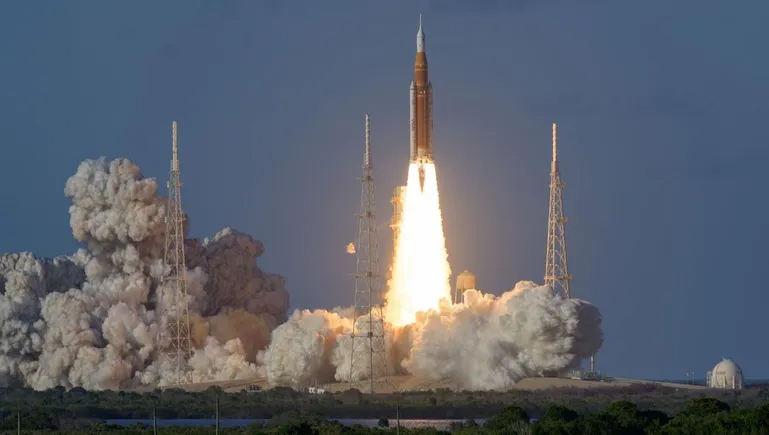
In addition, the mission uses the Space Launch System (SLS) rocket, the most powerful rocket developed by NASA, specifically designed to carry crew beyond Earth orbit. This system, together with the Orion spacecraft, constitutes the technological basis on which future missions to the Moon and eventually to other deep space destinations are planned