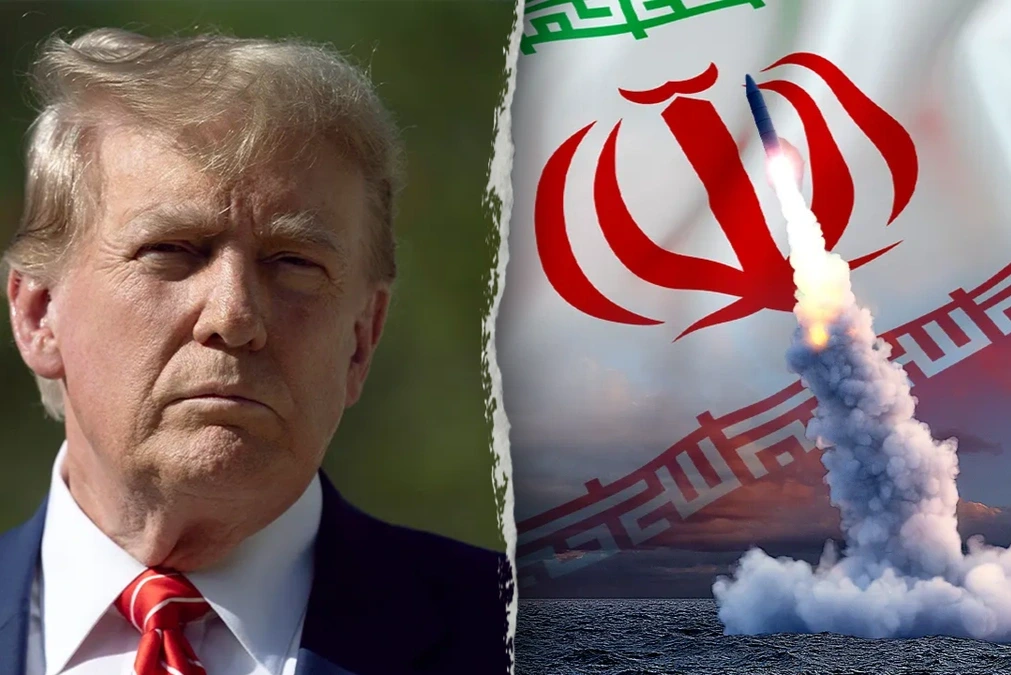
The Donald Trump administration rejected a proposal by the Iranian terrorist regime that proposed a suspension of up to five years in uranium enrichment, and maintained its demand that it be at least 20 years, as revealed by The New York Times.
The US position was consolidated after a failed attempt at negotiation led by Vice President JD Vance in Pakistan, where it was not possible to agree on the duration of the possible nuclear agreement.
According to sources cited by the US media, Iran proposed a maximum suspension of five years, while Washington insisted on quadrupling that deadline. Despite the stalemate, both sides left open the possibility of resuming the dialogue and even considering a new round of direct talks
. President Donald Trump.
In parallel with the diplomatic failure, the Trump administration announced the takeover of the Strait ofHormuz to block the terrorist regime. The measure aims to restrict Iranian trade, in particular its oil exports, as a way of increasing economic and political pressure after more than a month of armed clashes
.
In response, a spokesman for the Revolutionary Guard assured that the country would deploy “new methods of war” if its ports were threatened. Along the same lines, military spokesman Ebrahim Zolfaghari warned: “No port in the Persian Gulf and the Sea of Oman will be safe” in the face of a possible
attack on national infrastructure.
From Washington, however, the Pentagon confirmed that it will block all ships entering or leaving Iranian ports, although it will allow the circulation of vessels thattransit through the strategic Strait of Hormuz to other destinations.
President Donald Trump.
This maritime route is key to global energy trade, since about 20% of the world's oil transported by sea circulates there
.
Before the implementation of the US blockade, Iran had already taken measures that deepened the global energy crisis, restricting the movement of Western ships through the Strait of Hormuz.
This scenario increased tension in one of the most sensitive regions for the world's energy supply and keeps international markets on alert to a possible major escalation.