Through a bipartisan resolution, senators denounced that the Chinese regime's norm legalizes forced assimilation and expands repression against critics even outside the country
Nuevo
Agregar La Derecha Diario en
Compartir:
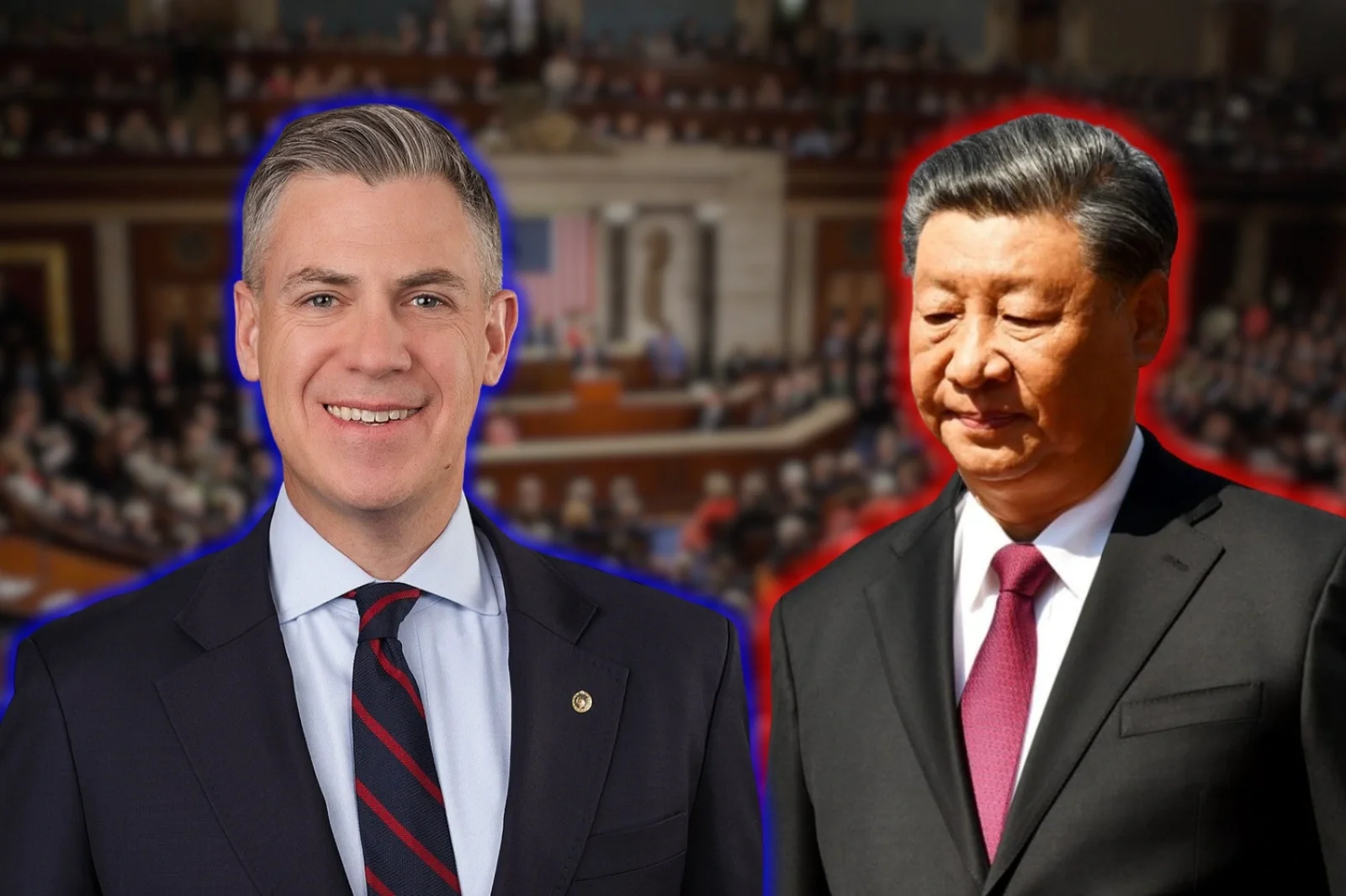
A bipartisan group of U.S. senators introduced a resolution to condemn the new "ethnic unity" law passed by the Chinese regime, considering it consolidates the Chinese Communist Party's (CCP) policy of forced assimilation, intensifies the persecution of ethnic and religious minorities, and extends the scope of repression beyond the country's borders.
The initiative was presented by Republican senators John Curtis and Jim Banks, along with Democrats Jacky Rosen and Jeff Merkley, who formally requested that Beijing repeal the legislation before it takes effect on July 1.
In the resolution, the lawmakers argue that the law known as the "Promotion of Ethnic Unity and Progress" does not seek to strengthen coexistence among the various peoples inhabiting China, but rather to institutionalize policies aimed at eliminating the cultural identities of communities such as the Uighurs, Tibetans, Mongols, Christians, and other minorities through state-driven assimilation programs.
''The new ethnic conformity law of the Chinese Communist Party represents an escalation in its long-standing campaign to erase the cultural identities of Tibetans, Uighurs, Mongols, Christians, and other minority groups,'' stated Senator John Curtis when presenting the resolution.
A group of U.S. senators introduced a resolution to condemn legislation from the Chinese regime that promotes the persecution of minorities
The legislator added that the regulation also provides a legal argument to intimidate those who report human rights violations committed by the regime, even when those individuals reside outside of China. Curtis asserted that the United States must take a firm stance against such measures.
''As a leader of the free world, the United States must stand with those who suffer persecution and make it clear that the Chinese Communist Party's efforts to export its repression, silence reports of human rights abuses, and undermine our sovereignty will not be tolerated,'' he declared.
The legislation was approved in March by the National People's Congress, the legislative body controlled by the Chinese Communist Party. Among its objectives is the creation of a "shared" national identity among the various ethnic groups in the country, for which it establishes a greater mandatory use of Mandarin in the educational system and promotes integration based on the ideological principles defined by the Party.
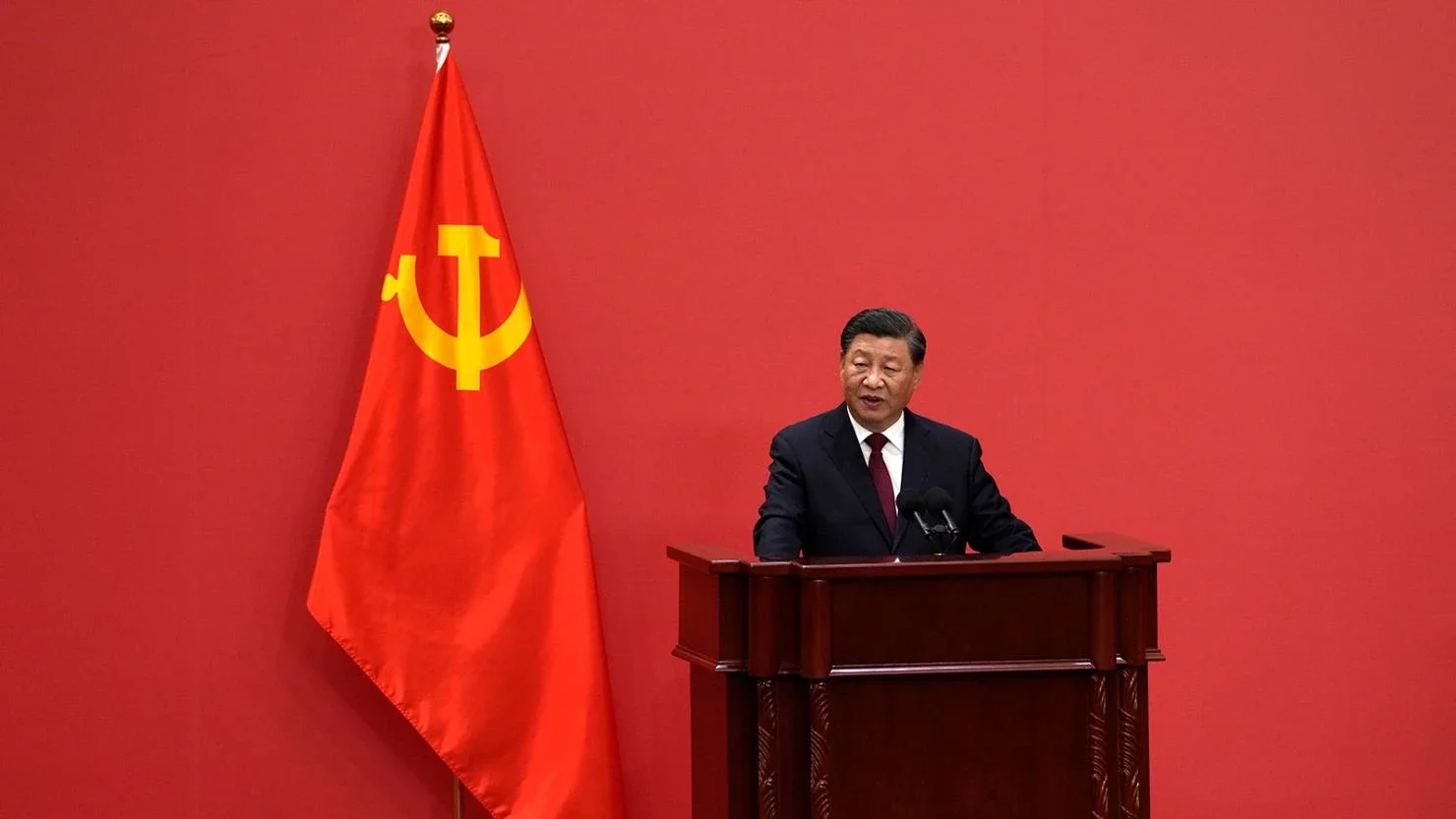
The communist regime of Xi Jinping will create a "shared" national identity that seeks to displace various ethnic and religious minorities
However, U.S. senators argue that, in practice, the law formalizes the "Sinicization" campaigns that Beijing has been promoting for years, forcing schools, cultural organizations, and religious institutions to adapt their activities to the official ideology.
The resolution also warns that the text contains ambiguous provisions that allow for the criminal punishment of any expression that authorities interpret as a threat to "ethnic unity" or as an act of "separatism," which, according to critics, opens the door to new forms of political persecution.
One of the aspects that most concerns Washington is the extraterritorial reach of the regulation. The law establishes that organizations and individuals located outside Chinese territory may be held accountable if, according to Beijing authorities, they engage in actions that threaten national unity or promote separatist movements.
Senator Jacky Rosen stated that this provision makes the legislation a risk not only for those living within China but also for citizens and residents of other countries.
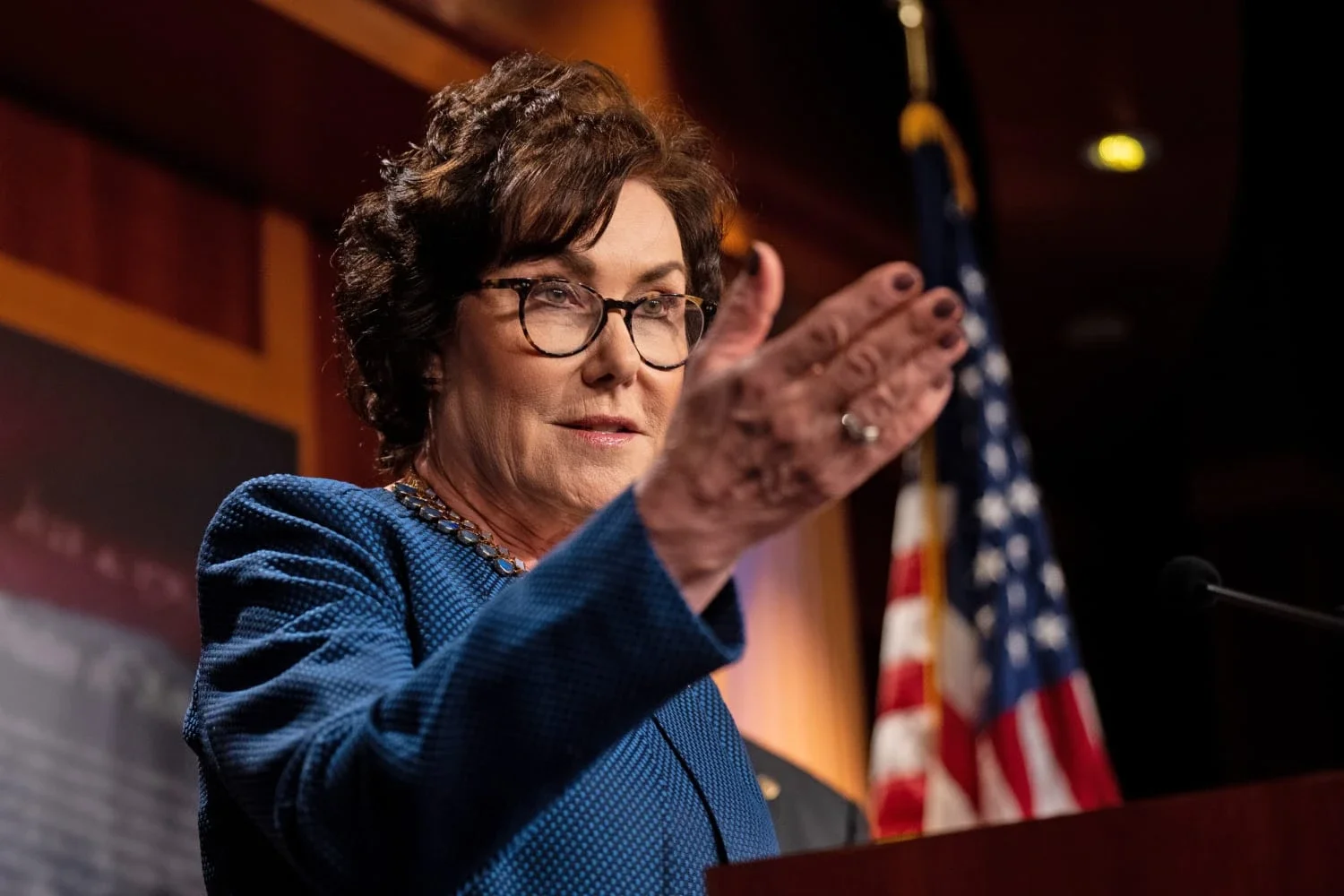
A group of Democratic senators joined Republicans and warned about the danger posed by the new Chinese legislation
For his part, Senator Jim Banks described the initiative as ''a brazen attempt to apply Chinese laws on U.S. soil,'' warning that the regime seeks to justify intimidation actions against dissidents and activists living in Western democracies.
The resolution maintains that this new law complements other practices attributed to the Chinese Communist Party, including covert police operations abroad, surveillance of emigrant communities, harassment campaigns against regime critics, and other forms of transnational repression.
In this context, lawmakers urged the State Department to coordinate actions with allies such as Australia, Canada, Japan, the United Kingdom, and the European Union to monitor the implementation of the legislation and document its effects on human rights.
They also requested that the President of the United States evaluate the imposition of specific sanctions under the Global Magnitsky Act against officials, agencies, or entities responsible for implementing the new regulation or participating in human rights violations arising from its application.
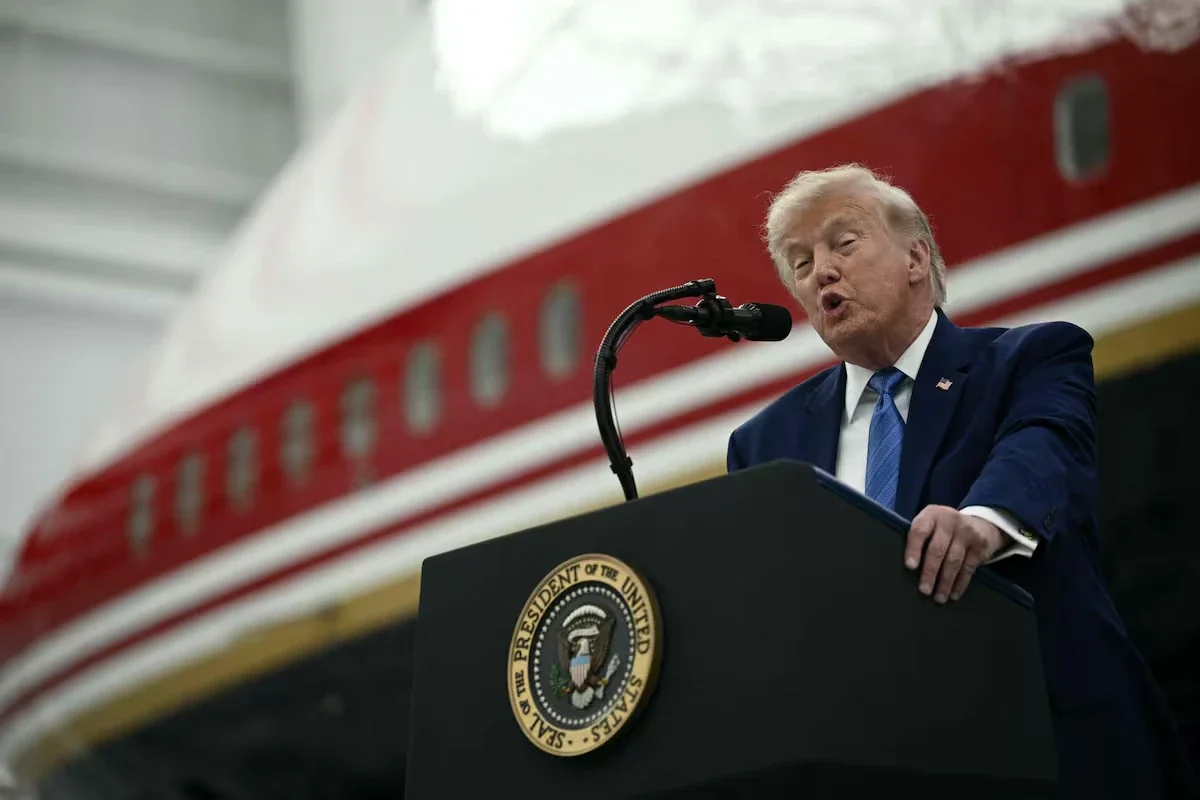
Lawmakers urged President Donald Trump to impose sanctions on the Chinese communist regime
Senator Jeff Merkley asserted that as long as the Chinese regime continues to systematically violate the rights of Tibetans, Uighurs, and other minorities, the United States must denounce these abuses and defend religious freedom and fundamental rights.
Concerns have also been shared by other democratic governments. The European Parliament approved a resolution on April 30 condemning the new law and officially calling on Beijing to repeal it, considering that it promotes forced assimilation policies and restricts cultural, religious, and linguistic freedoms both inside and outside China.
Strong criticisms also emerged from Taiwan. The Secretary-General of the National Security Council, Joseph Wu, stated that the legislation will allow the regime to pursue anyone who expresses opinions contrary to the Communist Party, regardless of their nationality or the country in which they reside, labeling the measure as a new instrument of transnational repression.
Although the Chinese Ministry of Justice defended the regulation and claimed it aligns with international practices, Beijing's explanations failed to dispel the concerns expressed by the United States, the European Union, and Taiwan, who believe that the law strengthens the Communist Party's control apparatus and expands its capacity to restrict fundamental rights both inside and outside China.
One of the most persecuted ethnic groups by Xi Jinping's regime has been the Uighurs