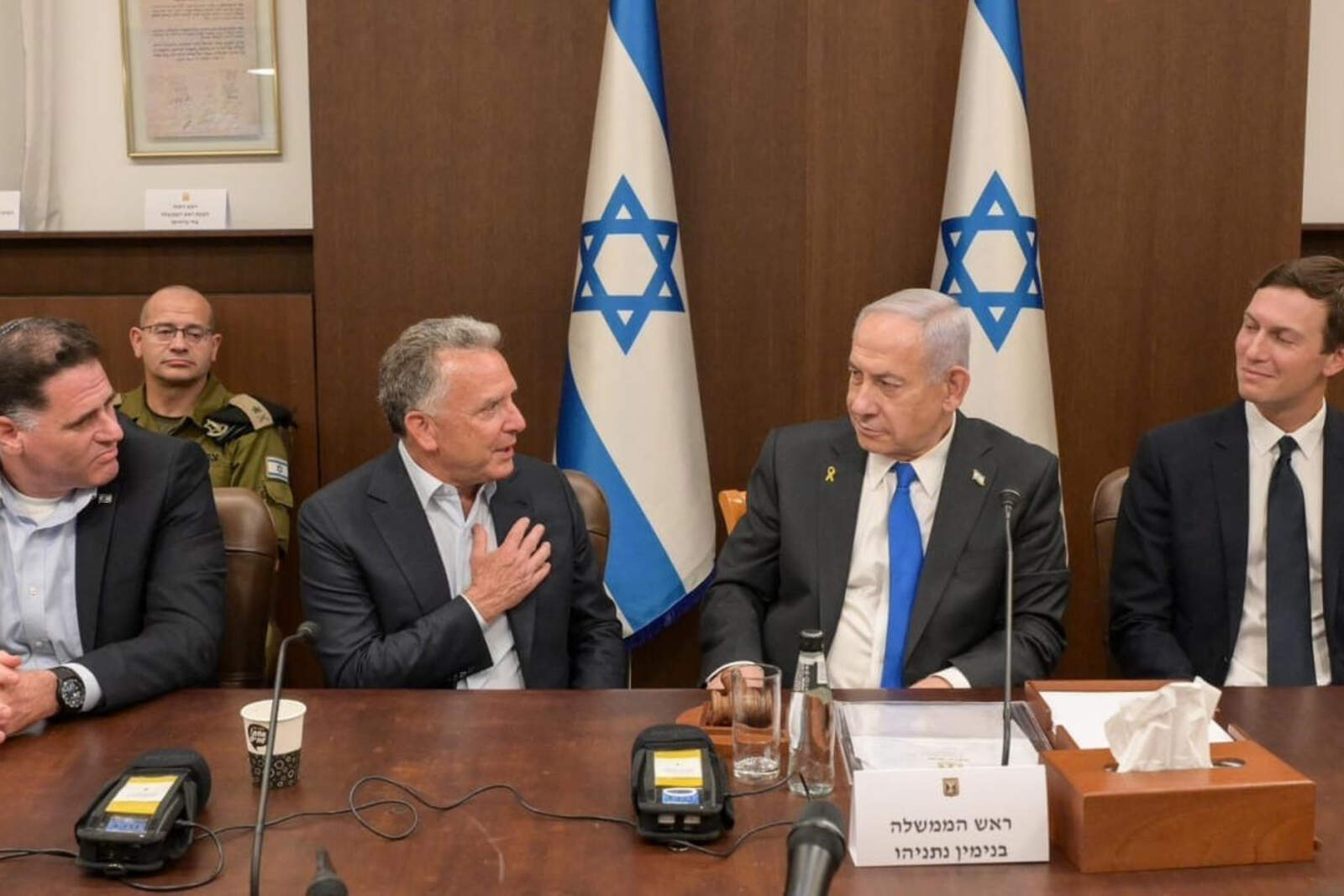
US mediator Steve Witkoff and Donald Trump's son-in-law Jared Kushner were with Netanyahu and his cabinet
Compartir:
Israel confirmed the start of a ceasefire in the Gaza Strip, following the signing of an agreement mediated by the United States, Qatar, and Egypt, which marks a turning point in more than two years of clashes with Hamas.
The pact, approved by both parties and signed by businessman and mediator Steve Witkoff, establishes the conditions for the release of all hostages—both alive and deceased—and the gradual withdrawal of the Israeli army from specific areas of the enclave.
According to the document released by Israeli media, once officially announced by U.S. President Donald Trump, Israel will halt "all military operations in Gaza, including air and artillery operations".
Additionally, the agreement provides for the suspension of aerial surveillance in areas from which the Israel Defense Forces (IDF) have withdrawn, and allows the entry of humanitarian aid under a scheme similar to the one implemented in January.
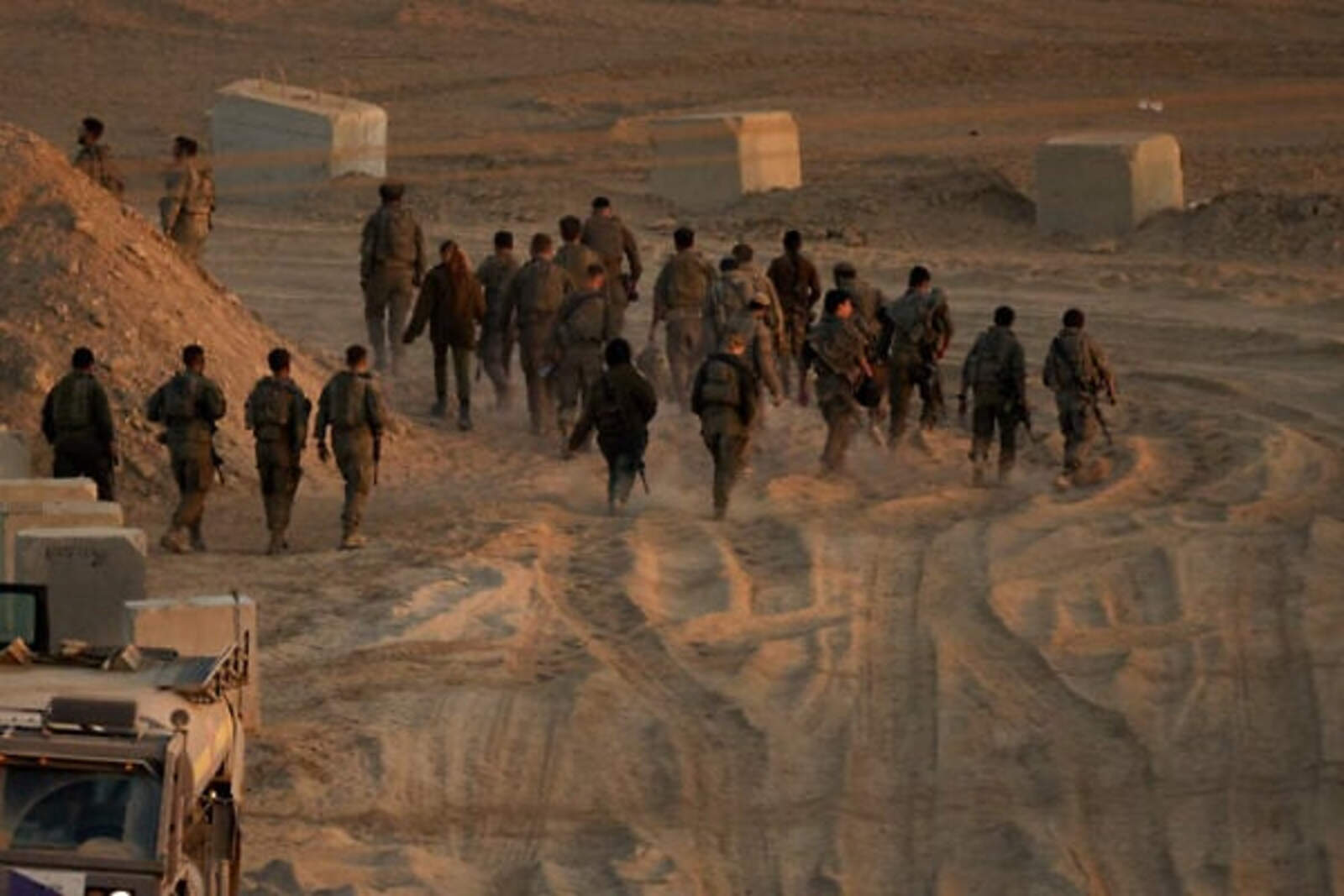
Israeli soldiers withdrawing from Gaza
The release of the hostages
The most sensitive point of the agreement—and the most anticipated by Israeli society—is the one that stipulates the release of the 48 hostages still held by Hamas.
According to the mediators, the terrorist group will begin within the next 72 hours to hand over the 20 hostages believed to be alive, followed by the bodies of those killed during captivity.
For the first time, Hamas agreed that the release will take place without propaganda acts or media coverage, which aims to prevent the political use of the victims' suffering. Meanwhile, Israel will release a limited number of Palestinian criminals, also without public exposure.
A Palestinian official warned that the identification and handover of the hostages' bodies could take "several months", since some armed factions have not yet provided information about the whereabouts of all the captives.
Controlled withdrawal and active surveillance
The Israeli Army reported that starting at noon on Thursday, the troops were relocated to "updated deployment lines", in accordance with the ceasefire plan.
However, the IDF Southern Command will maintain an operational presence on the border and the ability to respond to "any immediate threat".
Sources in Jerusalem emphasized that, despite the truce, Israel doesn't renounce its right to self-defense or its goal of preventing the reconstruction of Hamas's military power.
International reactions
The prime minister and the foreign minister of Qatar welcomed the agreement, urging "to ensure its full implementation in order to achieve a peace that ends the suffering of the Palestinians and the prisoners."
However, in Israel the official emphasis is on the return of the abducted and on the restoration of security for the inhabitants of the south of the country.
"This agreement doesn't represent a concession, but a moral victory for the Israeli people, who never stopped demanding the release of each of its citizens," said a government spokesperson.
If the schedule is met, by next Monday at noon all the hostages—alive and dead—should have been handed over, closing one of the most painful chapters since the attack of October 7, 2023 and opening the door to a new stage of stability under international supervision.