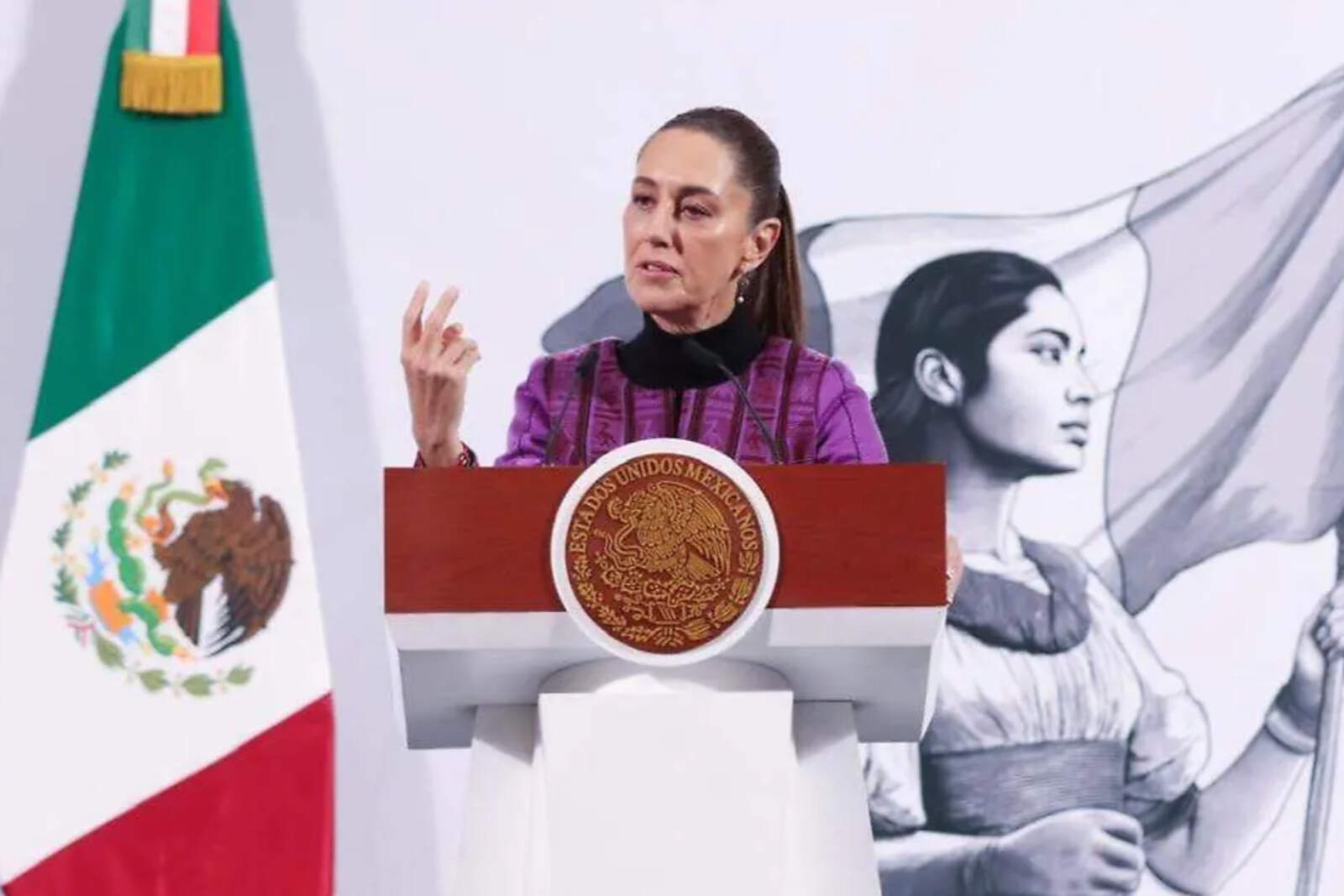
In a recent statement, President Claudia Sheinbaum requested the United States government to prioritize the United States-Mexico-Canada Agreement (USMCA) before considering the imposition of new tariffs on Mexican products.
Sheinbaum emphasized the importance of maintaining a strong and stable trade relationship between both countries, highlighting that the USMCA is essential for the economic development of the region.
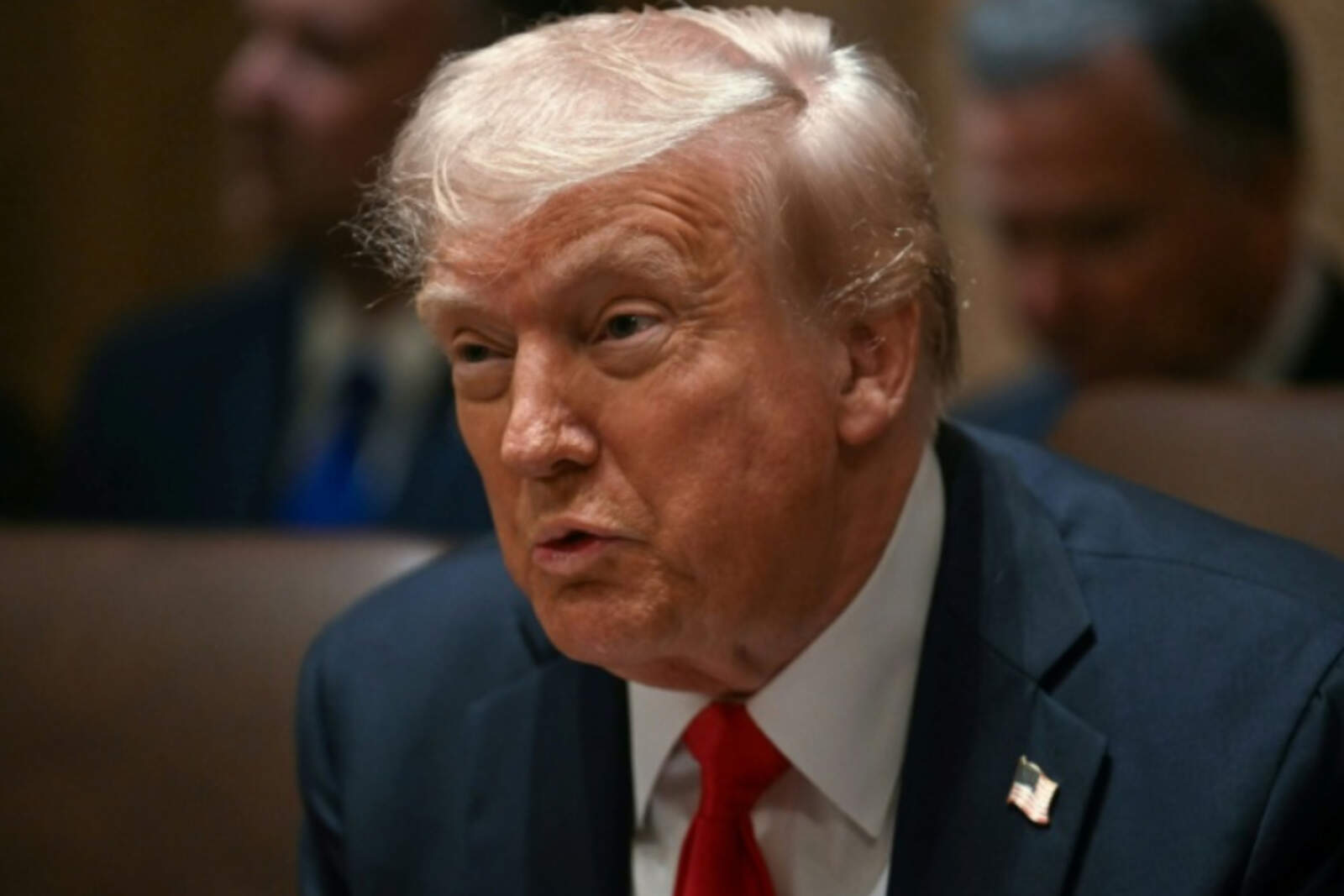
A pesar de la petición de Sheinbaum, Trump ha manifestado que los aranceles a México se impondrán en abril
Internal Reforms Generate Controversy
Despite this call, Sheinbaum's administration has pushed for constitutional reforms that contravene the provisions of the USMCA.
These modifications have raised concerns among trade partners, as they have been interpreted as a violation of the agreements established in the treaty.
Larry Rubin, president of the American Society of Mexico, warned that these changes could lead to a renegotiation of the USMCA in 2026, instead of the planned review, due to significant alterations in the Mexican legal framework.
Ciudadanos manifestándose en el Senado cuando la reforma judicial era discutida
Reforms Against the USMCA
The recent reforms pushed and approved by the ruling party have challenged the regulatory framework of the important trade agreement between both nations, highlighting the judicial one, which according to analysts, compromises the guarantee of legal certainty for investors.
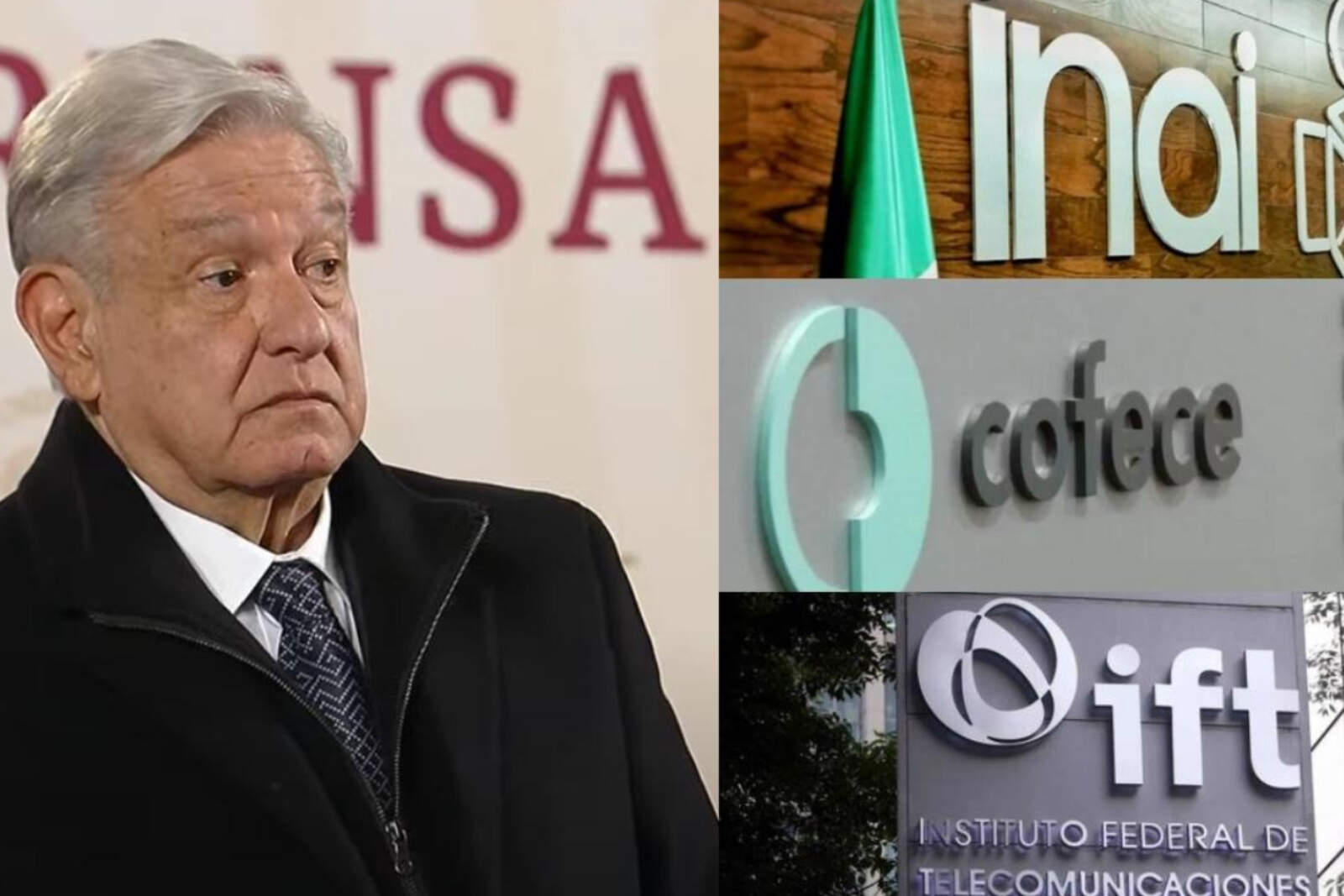
Moreover, the disappearance of autonomous bodies responsible for inhibiting bad practices toward consumers and overseeing state exercise are also actions that call into question the actions of the Morena administration.
El ex presidente López Obrador fue uno de los principales promotores de la desaparición de los organismos autónomos.
Inconsistencies in Trade Policy
The apparent contradiction between Sheinbaum's call to respect the USMCA and the reforms promoted by her government has been subject to criticism. Analysts point out that, while seeking to avoid the imposition of tariffs by the United States, the internal actions could be undermining the trust and stability that the treaty aims to guarantee among member countries.
This situation highlights the need for coherence in Mexico's internal and external policies to ensure compliance with international commitments and maintain healthy trade relations with its main partners.