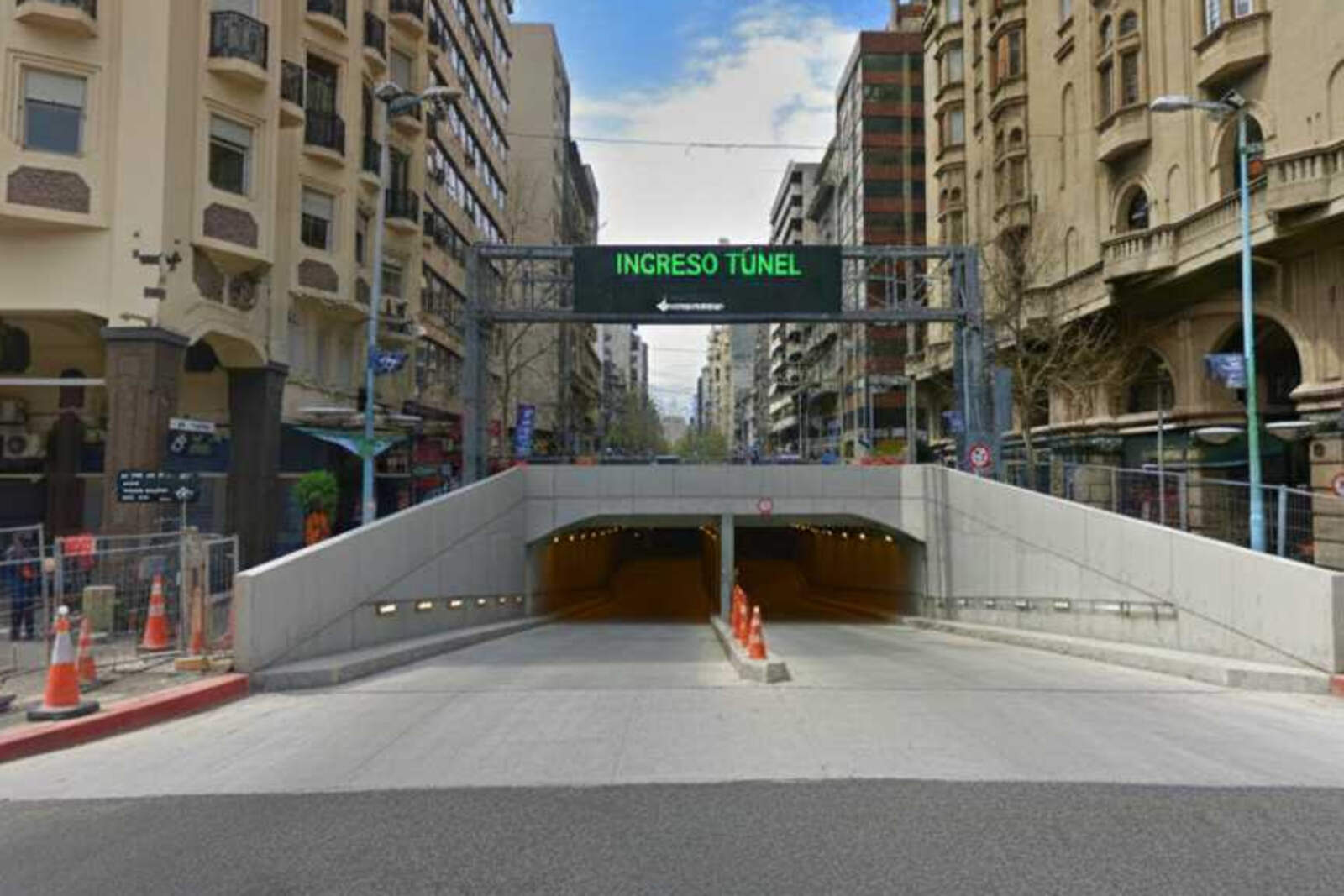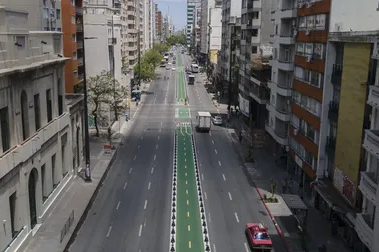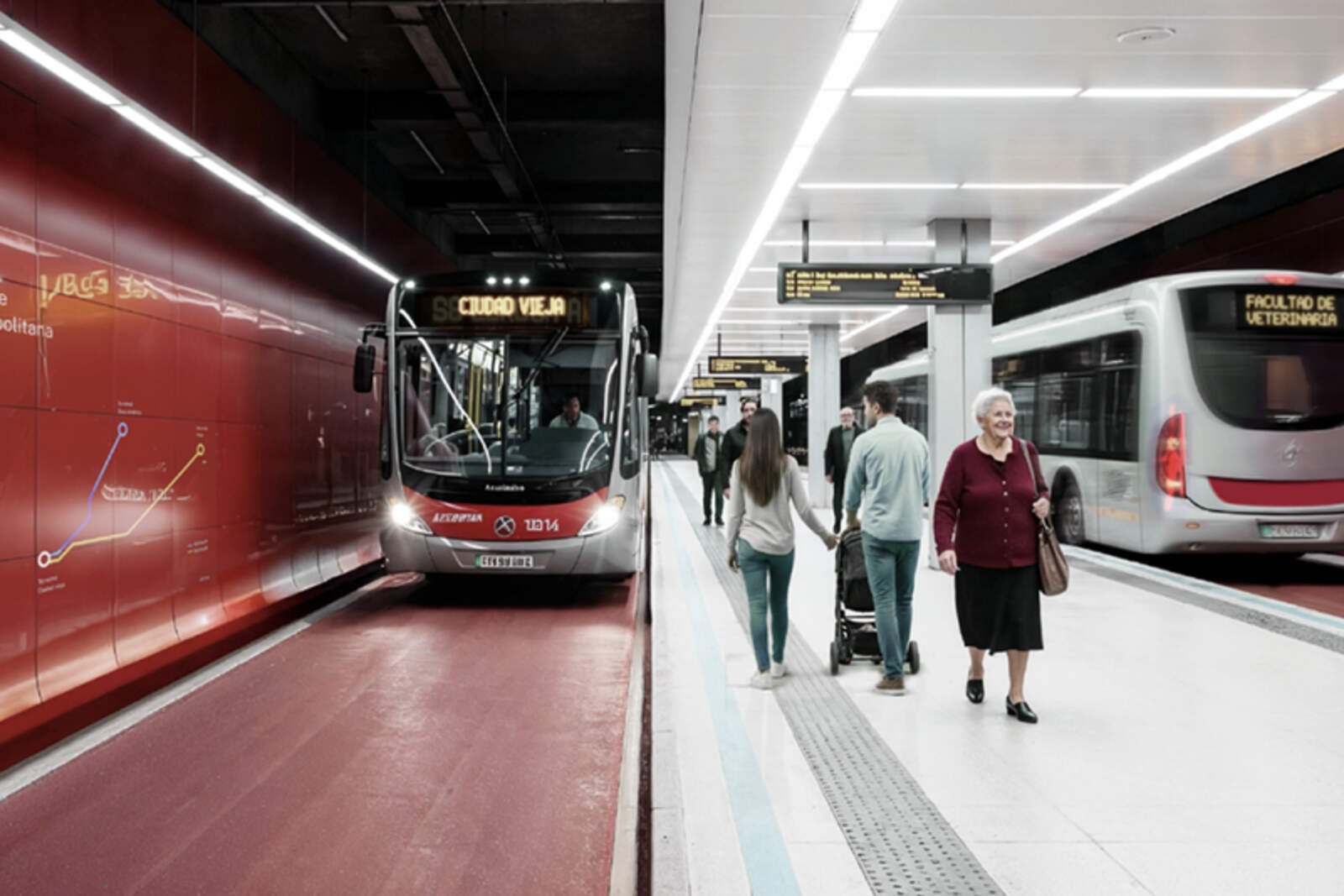

In a country like Uruguay, where every peso counts and public debt becomes an increasingly heavy burden for future generations, it is imperative to question infrastructure projects that promise grand solutions but deliver little real value.
The proposal by the Montevideo City Hall to build a tunnel beneath the iconic Avenida 18 de Julio, with an initial estimated cost of 500 million dollars, not only represents unnecessary waste but also exacerbates structural problems that the country can't afford to ignore.
Today, in this column, I propose a concrete saving: do not build the tunnel. There is already one, and by simply abandoning this 10 million dollar preliminary study, we would save an amount equivalent to half the annual budget of the Faculty of Sciences at the Universidad de la República, which includes key institutes such as Biology, Physics, Chemistry, Mathematics, Ecology, Environmental Sciences, and Geological Sciences.
Let's start with the numbers, which are relentless. Uruguay faces a public debt that has alarmingly escalated: from 62.4% of GDP in 2023 to 68.7% in 2024, and now to 77.6% in 2025.
The interest on this debt absorbs around 5 billion dollars per year, a figure that exceeds the total spending on public education—including schools, high schools, and universities—which is around 4 billion. To put this in context, the State collects about 6 billion in VAT, almost all of which is used to pay this interest.
Total debt amounts to 60 billion dollars, equivalent to two years of fiscal revenue. Meanwhile, 20% of that debt is held by the AFAPs, which means that a default would affect the savings of 1.8 million Uruguayans.
This tunnel would be financed with debt, since the City Hall operates with a permanent deficit. This is not just a Montevideo problem: all Uruguayans, including those in the interior who will never use this project, would end up paying for it.
Experience with public works shows that real costs exceed initial estimates by 20-30%, not including financial interest. Let's remember the tunnel under Avenida Italia, which cost 18 million; why repeat mistakes on a much larger scale?