Oil is an essential resource and very important to exploit for the benefit of the population
Compartir:
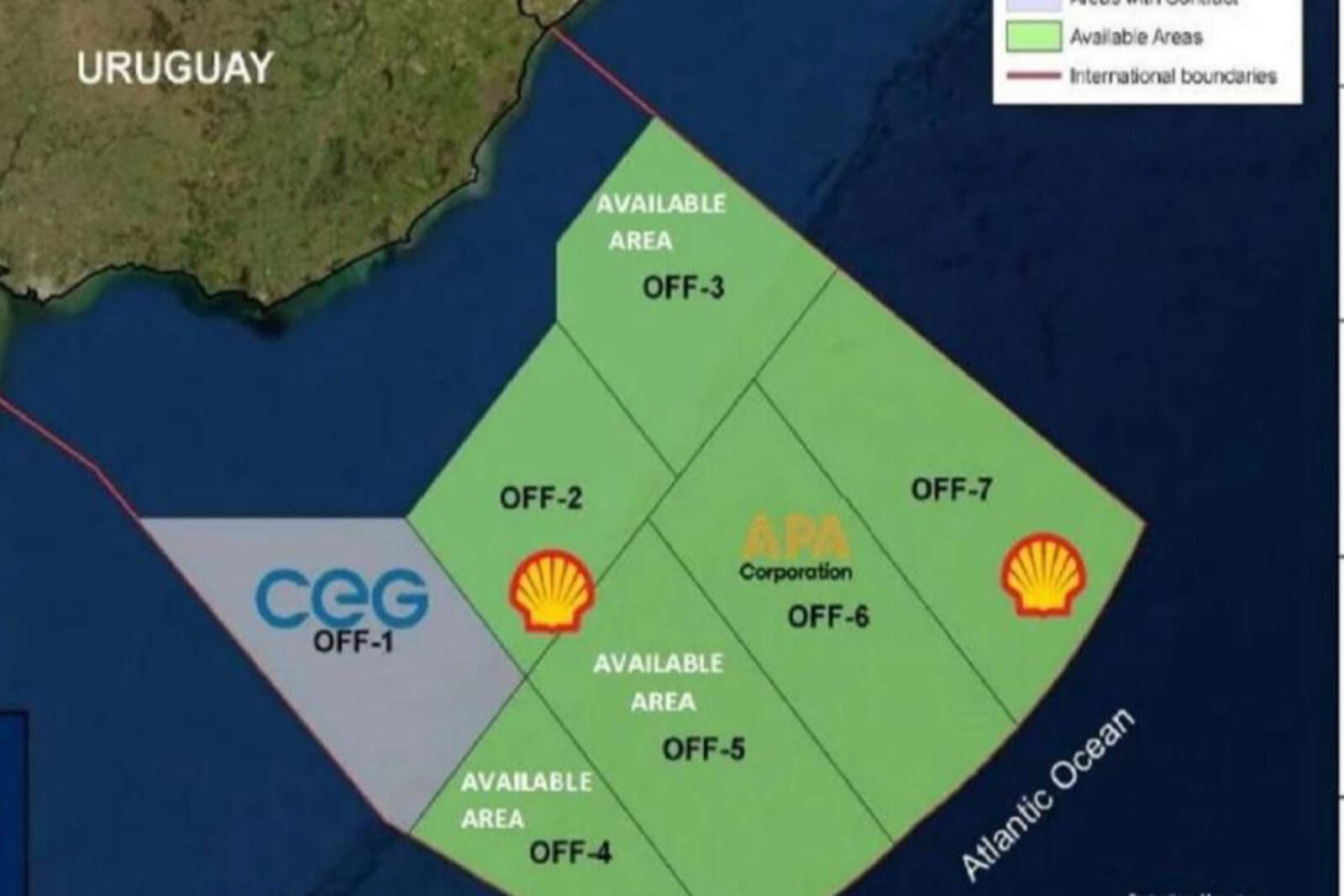
In a world where energy continues to be the driving force behind economic development, offshore oil exploration in Uruguay represents a window of opportunity that should not be ignored. Meanwhile, environmental groups such as Red Unión de la Costa, Amigos del Océano, Socobioma, and Mar Libre de Petroleras are mobilizing against the authorization granted by the government for 3D seismic surveys in offshore blocks 1 and 4. It is essential to defend the role of oil as a strategic resource.
This activity, which will take place until April at safe distances from the coast (between 150 and 300 kilometers [93 and 186 miles]), is not only compatible with the environmental controls announced by the Ministry of Environment, but also promises substantial economic benefits for a country that has already demonstrated leadership in renewable energies.
However, the protests of these organizations raise questions about their motivations, especially considering their dependence on foreign funding that could prioritize global agendas over Uruguayan well-being.
The economic benefits of oil: a pillar for global growth
Oil is not just a fuel; it is a source of wealth that has driven the progress of entire nations. Economically, it generates massive revenues through exports, royalties, and taxes, fostering job creation in sectors such as extraction, refining, and logistics.
Mapa
Countries such as Norway and Brazil have transformed their offshore reserves into sovereign funds that finance education, health, and infrastructure, showing that responsible exploitation can coexist with sustainability.
Additionally, oil supports key industries such as heavy transport and manufacturing, sectors that are difficult to electrify in the short term, contributing to energy stability and reducing vulnerability to fluctuations in import prices.
In macroeconomic terms, the oil industry attracts direct foreign investment, stimulates GDP, and generates value chains that benefit local suppliers. In a context of energy transition, oil acts as a bridge, allowing countries to invest profits in green technologies while maintaining growth.
How oil can benefit Uruguay's economy
Uruguay, with its renewable energy matrix that exceeds 94% in electricity, doesn't depend on oil for its internal generation, but this doesn't mean it should forgo its offshore potential. The geological similarity with neighboring basins that have yielded significant discoveries has attracted international interest.
If reserves are confirmed in the authorized blocks, the country could generate thousands of direct and indirect jobs, from seismic technicians to engineers and logistics operators, reducing unemployment and stimulating coastal regions.
Extracción
Economically, the surveys could attract multibillion-dollar investments, fostering technology transfers and strengthening the local industry. The government could obtain significant tax revenues through concessions and royalties, which would be allocated to funds for the energy transition, education, or health.
Additionally, exploiting local reserves would reduce dependence on hydrocarbon imports, saving foreign currency and stabilizing the trade balance. This is especially relevant for sectors such as heavy transport and industry.
In summary, oil doesn't contradict Uruguay's environmental achievements; on the contrary, it can finance them, driving inclusive growth and positioning the country as a regional hub for mixed energies.
Criticism of environmental NGOs: foreign funding and hidden agendas
In the face of these benefits, the protests of environmental NGOs seem disproportionate and motivated by interests that go beyond local protection. Many of these organizations depend heavily on foreign funding from European foundations and governments.
This dependence turns them into vehicles for global agendas that prioritize radical "decarbonization" at the expense of the development of emerging countries, keeping them dependent while wealthy nations continue to consume fossil fuels.
In Latin America, NGOs funded from abroad have been criticized for obstructing extractive projects that could raise the standard of living of communities, acting as instruments of special interests that ignore local needs in favor of elitist environmentalist narratives. In Uruguay, these external influences limit national sovereignty in decisions about its own resources.
It is time to question whether these mobilizations truly serve Uruguayan interests or foreign agendas that see oil as a threat to their economic models. The government, by defending the measure with strict environmental controls, demonstrates a balanced approach that prioritizes national progress.
In conclusion, oil exploration in Uruguay is not an environmental setback, but an intelligent strategy for economic growth. Let us defend oil as a tool of sovereignty and prosperity, and demand transparency from NGOs that, with foreign funds, seek to hinder our development.