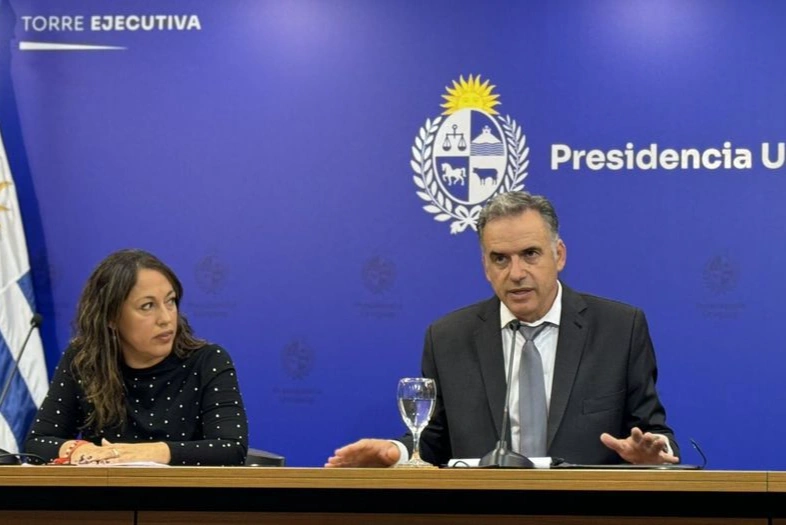

The new government of Frente Amplio presented the budget for its term until 2029. CERES has already analyzed it and found serious inconsistencies. I am adding my analysis from the perspective of liberal policies, since the foundation of the executive's plan will bring more poverty to Uruguayans.
With the five-year budget of Frente Amplio just presented, the Center for the Study of Economic and Social Reality (CERES) published a brief but forceful analysis.
There, technical discrepancies, contradictory assumptions, and the unfeasibility of compliance are pointed out, beyond the increase in spending.
You may also be interested in...
From the perspective of the Austrian school and in light of the Argentine experience under Javier Milei, this budget condemns Uruguay to weak growth and loss of regional competitiveness.
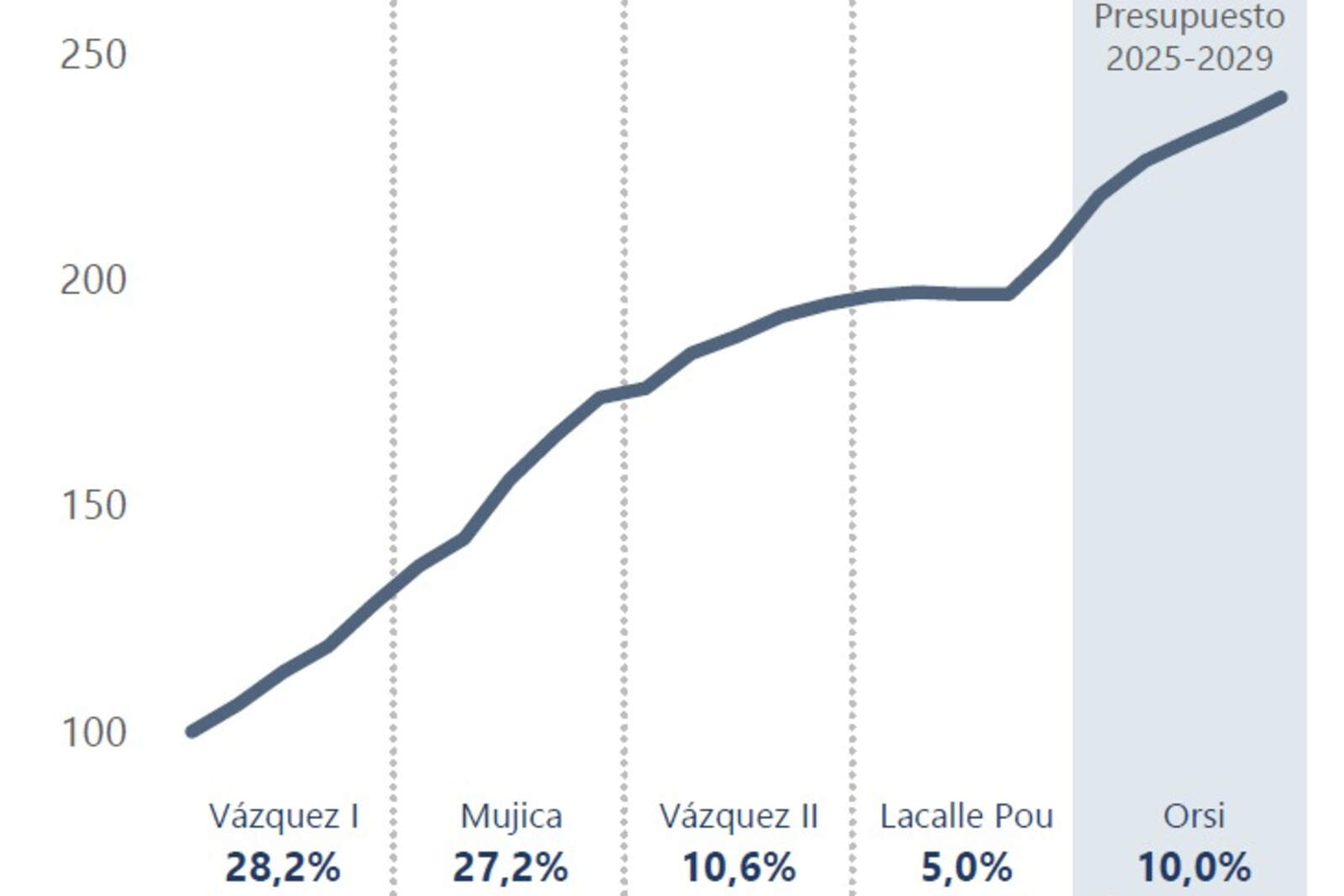
Real wages will be worse. I am afraid that in these 5 long years we will stop being "Gardel" in the region and we will be even poorer.
The impossibility of state efficiency
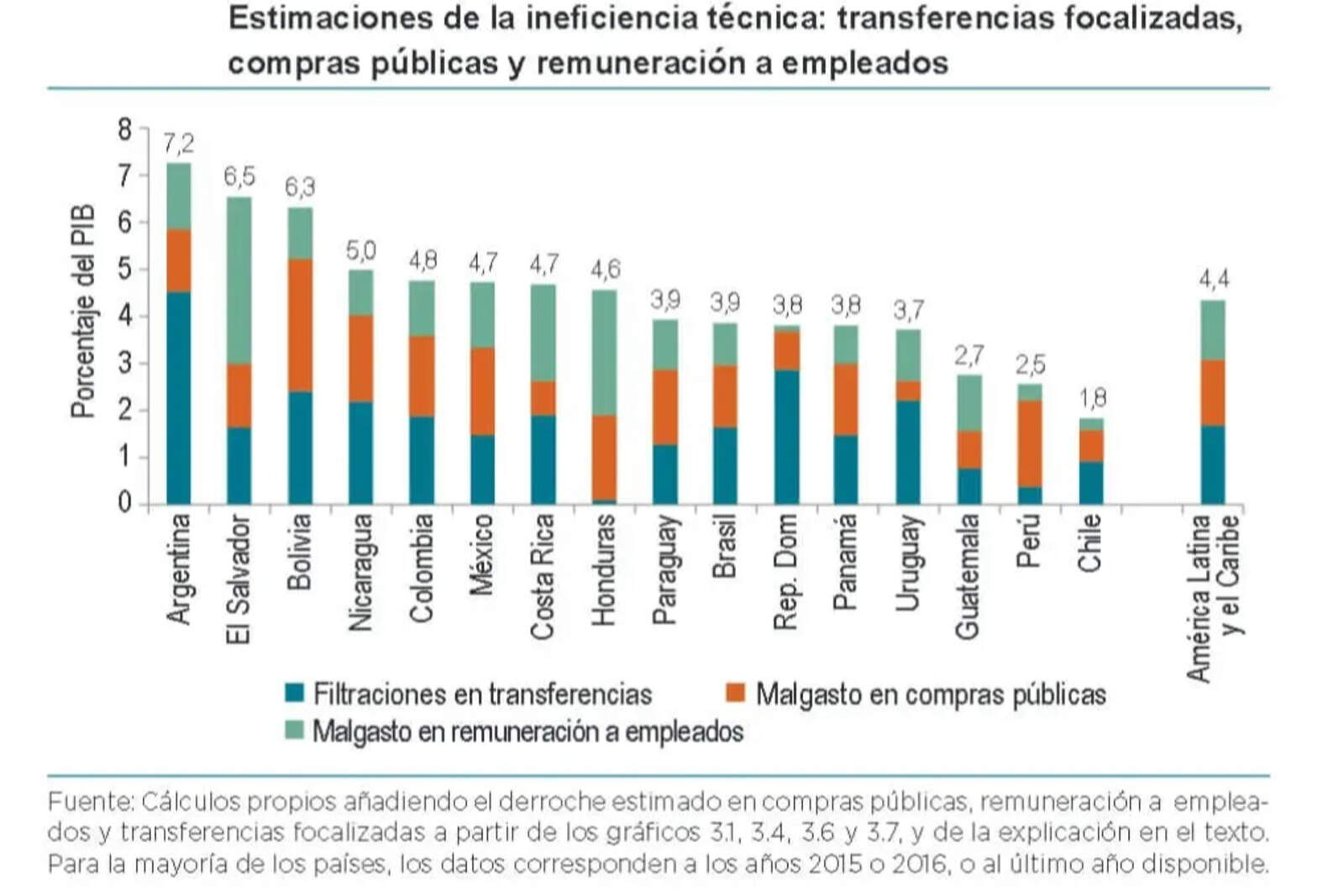
In 2019 I presented at the National Academy of Economics: it is theoretically impossible for the State to achieve efficiency when managing other people's resources.
Milton Friedman explained it: when someone spends other people's money on others, there is no incentive to do it well. It doesn't matter how honorable the ruler is, resources are wasted.
This point connects with Ludwig von Mises: the engine of the economy is individual action. When the State expropriates resources through taxes and redistributes them according to political criteria, it not only limits that action, it also degrades the efficiency of the system.
Friedman's four ways of spending
The State systematically incurs in the two worst: spending other people's money on others, which leads to waste, and spending other people's money on oneself, where the distributor keeps the best part.